If we move north-east from Chisinau, our gaze will be drawn to the unique historical and archaeological complex of Old Orhei.
These are the remains of settlements of various civilizations – an open-air museum.
Moldova may be one of Europe’s smaller countries, but it offers a surprising variety of places to explore and experiences to enjoy. From rolling vineyards and peaceful countryside to medieval fortresses, ancient monasteries, underground wine cellars, and traditional villages, Moldova is a destination where history, nature, culture, and hospitality come together.
Travelers visiting Moldova can discover a country that has preserved many of its traditions while gradually developing modern tourism infrastructure. The relaxed pace of life, welcoming atmosphere, authentic cuisine, and centuries-old winemaking culture make Moldova an especially interesting destination for those looking to experience a different side of Europe.
Whether you are interested in history, architecture, wine, gastronomy, nature, or simply want to explore somewhere less crowded, Moldova has something to offer.
Moldova is a year-round destination, with each season offering a different way to experience the country.
Spring transforms the countryside with fresh greenery, blooming gardens, and vineyards coming back to life. It is an excellent time for sightseeing, hiking, countryside excursions, and exploring Moldova's monasteries and natural attractions.
Summer brings long, warm days that are ideal for discovering the country's villages, vineyards, nature reserves, and outdoor attractions. Visitors can combine sightseeing with wine tastings, local food experiences, and leisurely trips through the countryside.
Autumn is one of the most exciting seasons to visit Moldova. The vineyards become especially beautiful, and the grape harvest brings a lively atmosphere to wine-producing regions. Wine festivals, tastings, and visits to local wineries offer travelers an opportunity to discover one of the most important parts of Moldovan culture.
Winter offers a different experience. Historic towns, monasteries, museums, restaurants, and traditional markets become especially inviting during the colder months. It is also a great time to enjoy Moldovan cuisine and experience the country's customs and hospitality at a slower pace.
Moldova's history can be discovered throughout the country. Ancient monasteries, medieval fortresses, historic towns, and archaeological sites provide a glimpse into the region's past.
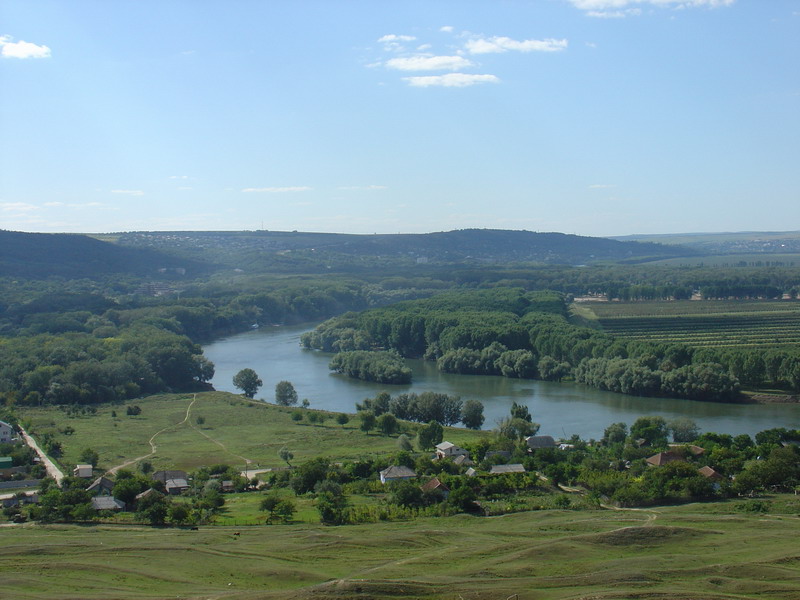
One of the country's most remarkable destinations is Old Orhei, a spectacular cultural and natural complex surrounded by limestone cliffs and the Răut River. The area combines archaeological remains, traditional villages, caves, and ancient religious sites, making it one of the most memorable places to visit in Moldova.
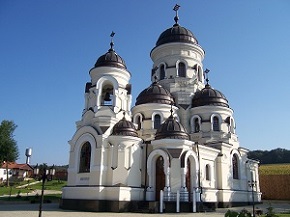
The country is also home to several historic monasteries, many of which are located in beautiful rural landscapes. Their architecture, peaceful surroundings, and long history make them an important part of Moldova's cultural heritage.
Medieval fortresses are another highlight. The Soroca Fortress, standing on the banks of the Dniester River, is one of the country's best-known historical landmarks. The Bender Fortress is another impressive site, reflecting the diverse history of the region.
Wine is an essential part of Moldova's identity and one of the country's biggest attractions for international visitors.
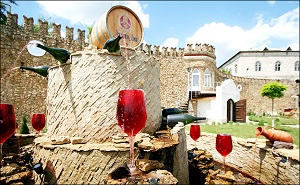
Moldova has a long winemaking tradition, and vineyards cover large parts of its countryside. The country is particularly famous for its extensive underground wine cellars, where wine is stored in vast networks of tunnels.
The wineries of Cricova and Mileștii Mici are among the most famous. Visitors can explore underground galleries, learn about Moldovan winemaking traditions, and enjoy wine-tasting experiences.
For travelers interested in gastronomy and local culture, wine tourism offers much more than a simple tasting. It is an opportunity to meet local producers, discover traditional grape varieties, learn about the country's winemaking heritage, and experience the landscapes where Moldovan wine is produced.
Moldova's natural beauty is often found away from the major cities. Rolling hills, vineyards, forests, rivers, lakes, and picturesque rural landscapes create ideal conditions for peaceful countryside trips.
The Dniester River is particularly scenic, with cliffs, forests, and small villages along its banks. Places such as the Țipova Monastery combine natural beauty with historical and religious heritage, while Moldova's protected areas provide opportunities to enjoy the country's diverse landscapes.
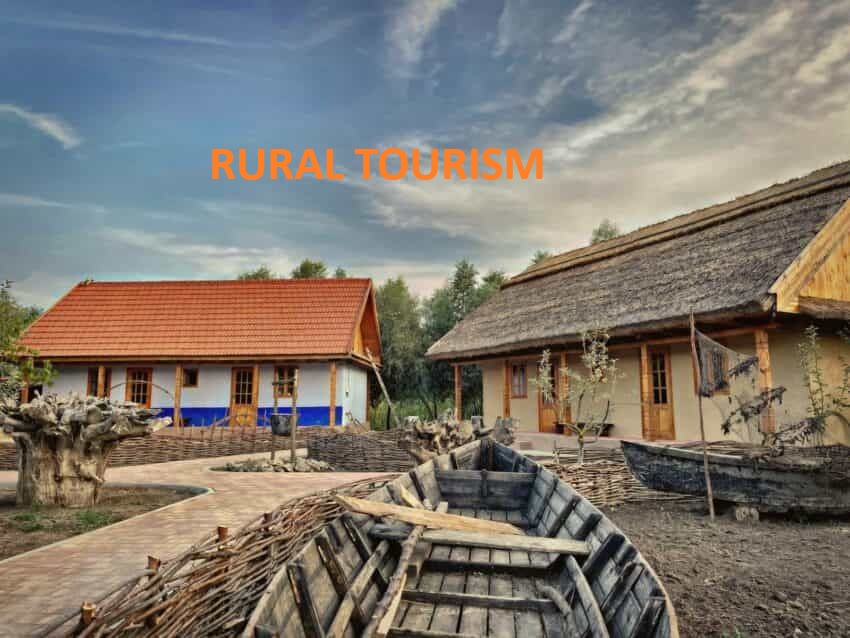
For visitors who prefer a slower style of travel, Moldova's villages offer an authentic alternative to traditional sightseeing. Rural excursions can include visits to local homes, traditional meals, craft workshops, vineyards, and small family-run wineries.
One of the best ways to understand Moldova is to experience everyday life outside the capital.
Traditional villages preserve elements of Moldovan architecture, customs, crafts, and cuisine. Many rural communities welcome visitors and offer opportunities to experience local traditions firsthand.
Travelers can taste homemade dishes, discover traditional crafts, visit local wineries, and learn about customs that have been passed down through generations.
Moldovan cuisine itself is an important part of the travel experience. Traditional dishes often feature fresh local ingredients and reflect the country's agricultural heritage. Homemade bread, seasonal vegetables, meat dishes, cheeses, and traditional pastries are commonly served alongside locally produced wines.
No trip to Moldova is complete without exploring Chisinau, the country's capital and largest city.
Chisinau combines green parks, historic buildings, museums, churches, restaurants, cafés, and lively public spaces. The city is a convenient starting point for exploring the rest of the country and is also a destination worth experiencing in its own right.
Visitors can walk through the central streets, explore local museums, relax in the city's parks, visit historic churches, and discover Moldovan food and wine in restaurants and cafés.
Chisinau also provides easy access to many of Moldova's most popular attractions, making it an ideal base for day trips.
Moldova's tourism landscape continues to develop, and travelers have an increasing number of opportunities to explore the country beyond its most famous landmarks.
New travel routes connect wineries, historic sites, villages, natural attractions, and cultural destinations. Wine tours, gastronomic journeys, cycling routes, hiking trips, rural tourism, and cultural excursions are becoming increasingly popular.
These experiences allow visitors to see a more personal side of Moldova — one shaped not only by monuments and landscapes, but also by local people, traditions, food, music, and everyday life.
Moldova is gradually becoming more visible on the European tourism map. Travelers are increasingly attracted by its combination of authentic experiences, cultural heritage, natural landscapes, wine traditions, and welcoming atmosphere.
Another advantage is that Moldova can be explored without the crowds often found at Europe's more established tourist destinations. This makes it particularly appealing to travelers who prefer independent journeys, local experiences, and discovering places that feel genuine and unhurried.
Moldova's relatively compact size makes it possible to visit many of its main attractions during a short trip. Chisinau serves as the country's main transportation and tourism hub, while many popular destinations can be reached on day trips or short excursions.
Chisinau International Airport provides connections with destinations across Europe and serves as the main gateway for international visitors. Moldova can also be reached by international bus and rail connections, making it possible to combine a visit to the country with a wider Eastern European itinerary.
Once in Moldova, travelers can explore the country by car, join organized excursions, or use local transportation to reach major towns and attractions.
Moldova is a destination for travelers who want more than traditional sightseeing. It is a place where you can spend the morning exploring an ancient monastery, visit a medieval fortress in the afternoon, and finish the day with a traditional dinner and a glass of locally produced wine.
The country's greatest attraction is perhaps the combination of experiences it offers. History and modern life, vineyards and villages, nature and architecture, traditions and contemporary tourism all exist side by side.
Moldova is also known for the warmth of its people. Hospitality is deeply rooted in local culture, and visitors are often welcomed with genuine friendliness and a desire to share food, wine, stories, and traditions.
Small in size but rich in history, culture, nature, and traditions, Moldova is an inviting destination for travelers looking for something different.
Explore ancient monasteries and fortresses, walk through vineyards, discover underground wine cellars, taste traditional cuisine, visit peaceful villages, and experience the country's unique atmosphere at your own pace.
Whether you are planning a weekend getaway, a wine-focused trip, a cultural journey, or a longer adventure through Eastern Europe, Moldova offers plenty of reasons to stay curious and explore further.
Discover Moldova — a small country with unforgettable places, authentic experiences, and a warm welcome.
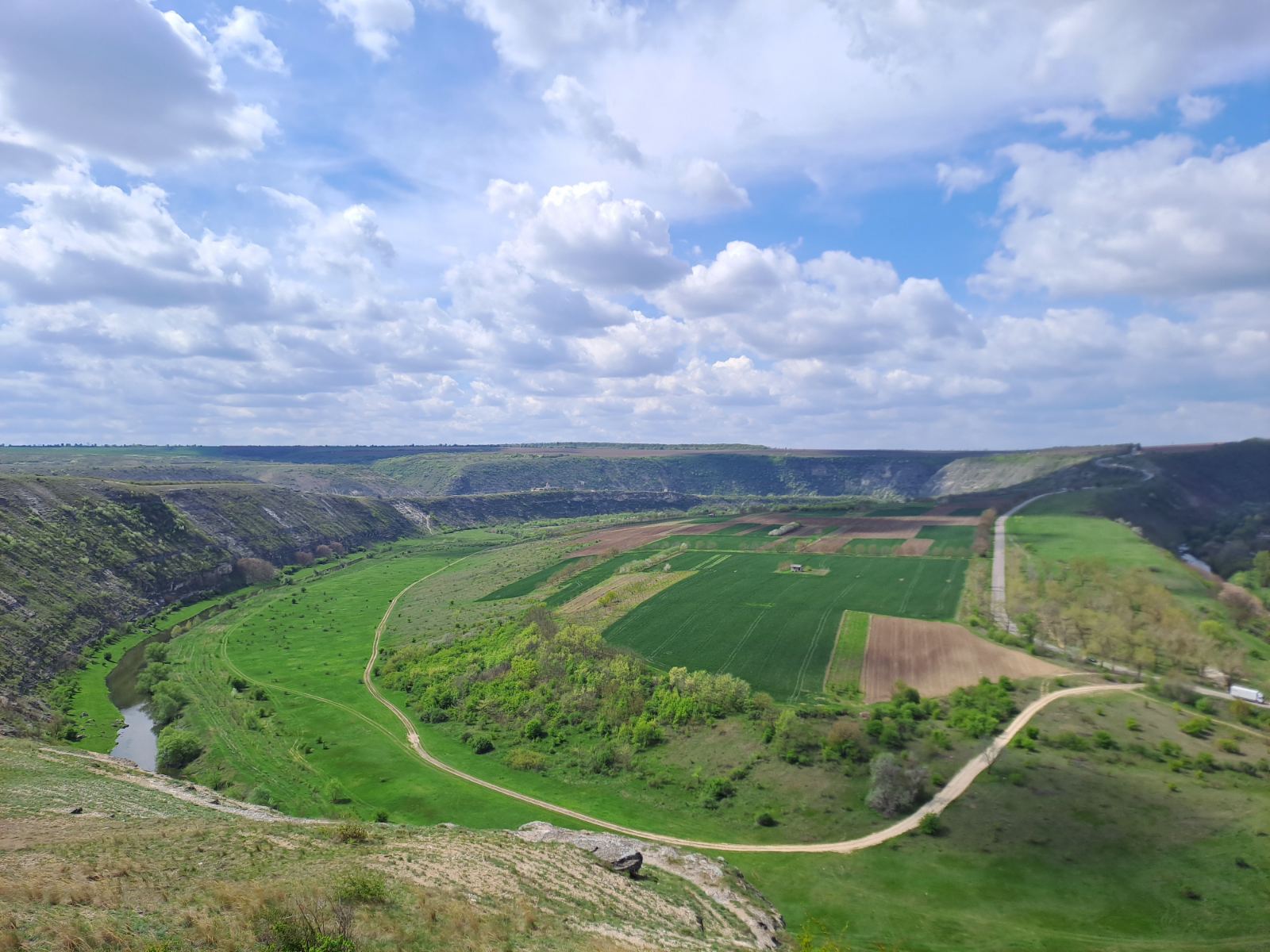
If we move north-east from Chisinau, our gaze will be drawn to the unique historical and archaeological complex of Old Orhei.
These are the remains of settlements of various civilizations – an open-air museum.
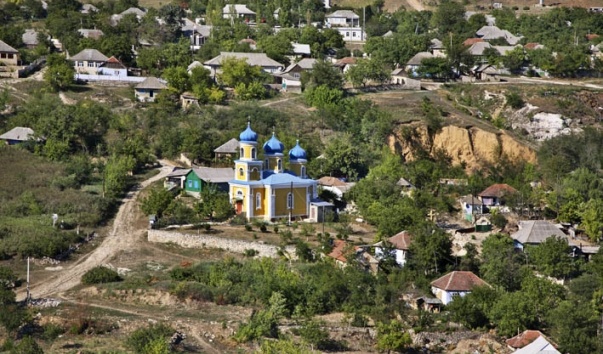
The village of Trebujeni or Trebujeni is located in the central part of Moldova, near the cliffs of Old Orhei.
It is this archaeological museum complex that attracts the majority of tourists to the village, who stop there to rest and also to sample all the delights of Moldovan provincial life and cuisine.
You can get to the village of Trebujeni by public transport from the capital of Moldova, Chisinau.
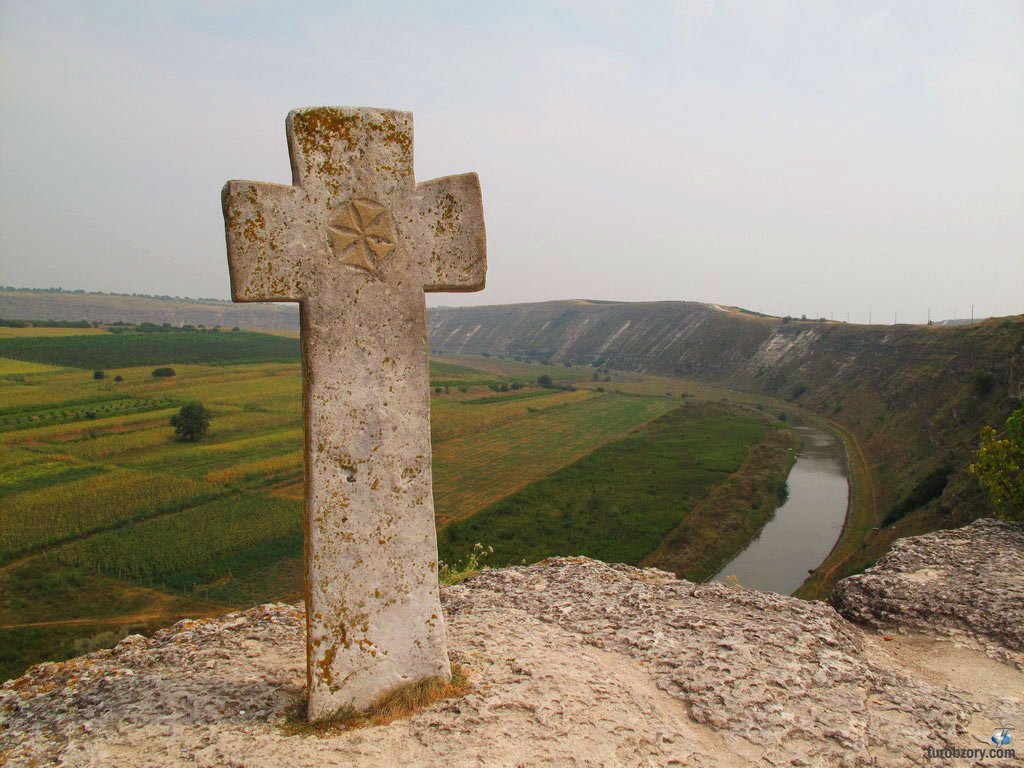
The stone cross in Old Orhei rises above the cliff near one of the rock monasteries.
According to local beliefs, if you place your hand in the middle of the cross and make a wish, it will definitely come true.
The cross is located at a height of approximately 60 meters above the river.
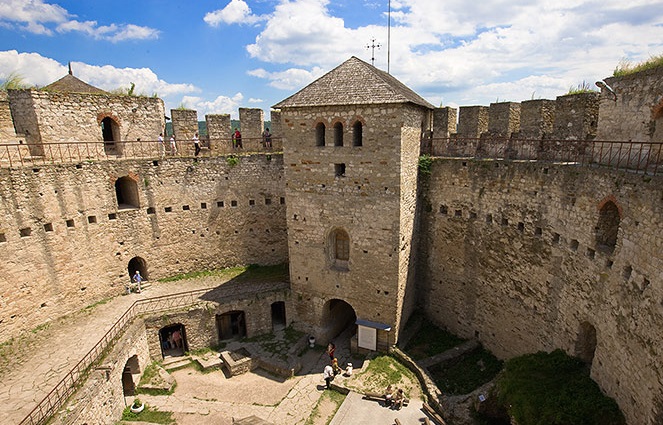
One of the places that is definitely worth visiting when visiting Moldova.
It is located in the center of Soroca, approximately 160 km north of Chisinau.
In the Middle Ages, Soroca was part of the entire defensive system of the Moldavian state, consisting of 4 fortresses on the Dniester, 2 on the Danube and 3 in the north of the country.
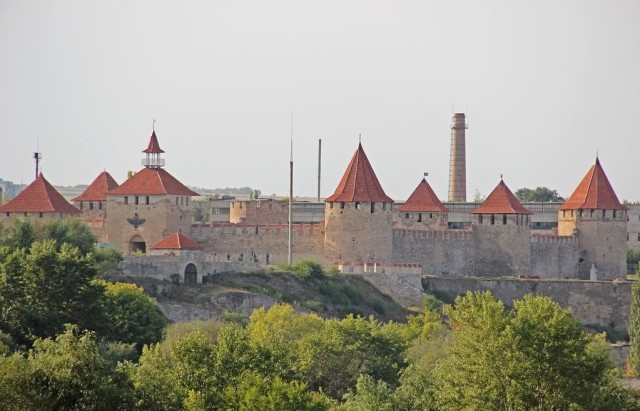
On the high right bank of the Dniester stands one of the region's oldest cities, Bender. Every corner of the city bears traces of past events.
A unique monument of medieval history and architecture in the city is the Bender Fortress.
Even today, the fortress's modern appearance—an earthen rampart, a deep limestone-lined moat, the towering citadel towers and lower fortifications, and the fortress walls—confirm its former might.
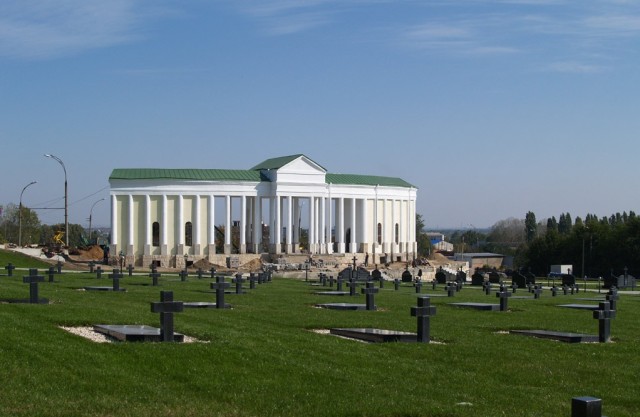
The Bendery Necropolis, a military-historical memorial to soldiers of the Russian Imperial Army, recently restored and opened to the public in 2008, is successfully operating and developing. Of course, fallen soldiers are no longer buried there, but work continues to study materials on both the individuals buried there and the history of the cemetery itself.
Furthermore, the open-air exhibition at this monument is constantly being expanded. New names are being added, and new slabs are being laid. In 2009, a new monument was unveiled at the cemetery—one dedicated to the civilian victims of Transnistria who fell during the 1992 military conflict. On October 14 of this year, the Hungarian section of the Foreign Sector was built and dedicated (consecrated). This event served as the basis for the preparation of this publication.
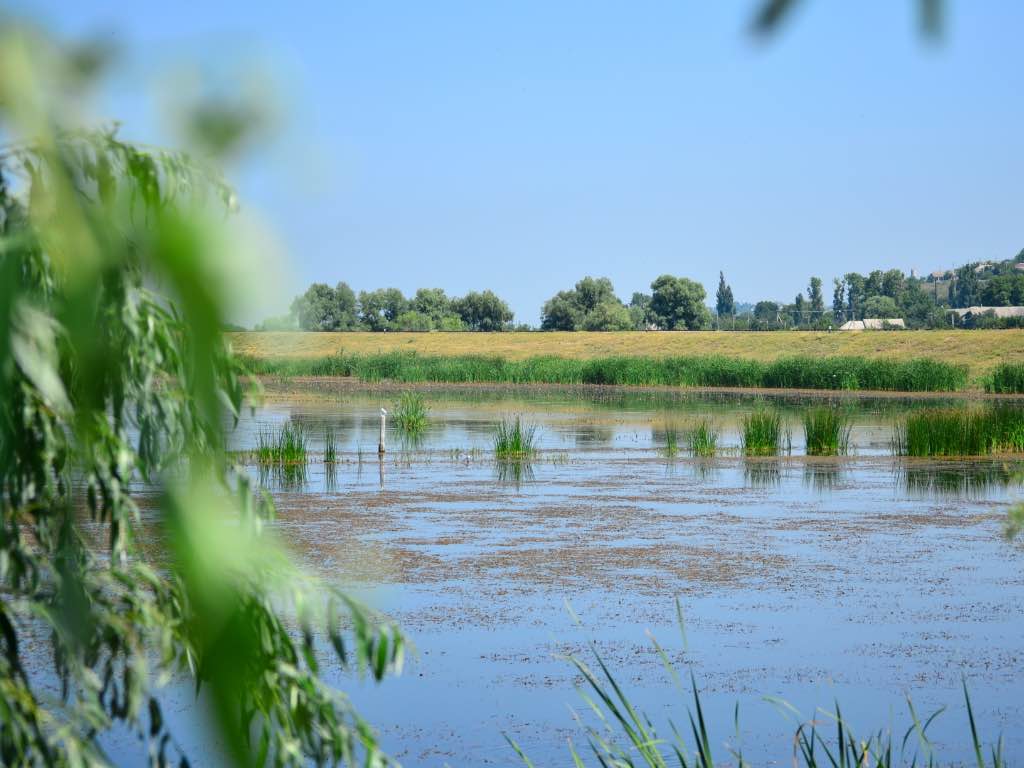
In 1991, the Prutul de Jos Nature Reserve was created, the main goal of which is to protect the flora and fauna of Lake Beleu and the Prut River floodplain in its vicinity.
The area of the Prutul de Jos Nature Reserve is over 1,690 hectares, 2/3 of which are made up of the waters of Lake Beleu.
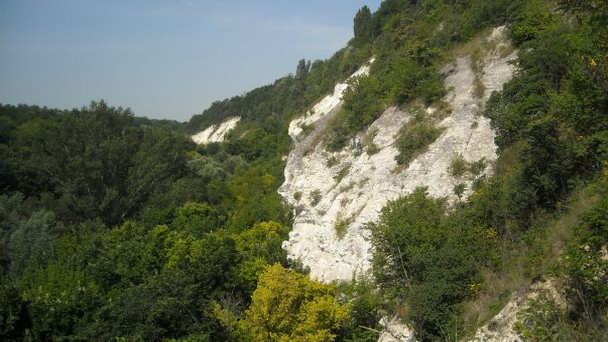
Bekirova Mountain is one of the most picturesque natural attractions in Moldova, attracting a large number of tourists.
In addition, the Badya Mior memorial complex is located on the mountain, which also adds to the popularity of this place.
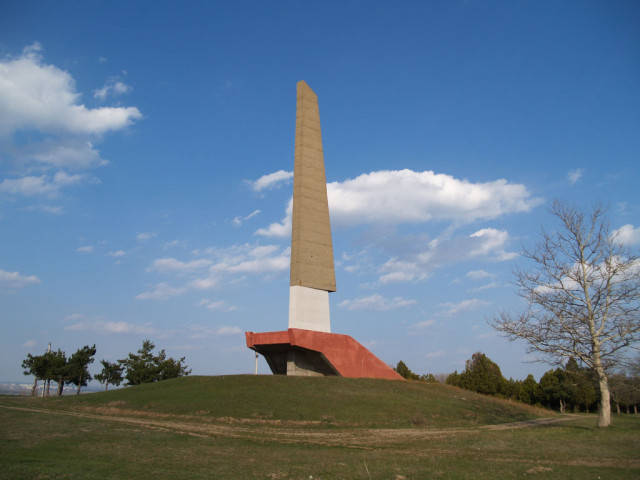
The Kitskany Bridgehead (Kopansky Bridgehead) was a strategic bridgehead of Soviet troops on the western bank of the Dniester River, in the area of the village of Kitskany (10 km south of Tiraspol), captured by troops of the 3rd Ukrainian Front (General of the Army R. Ya. Malinovsky) during the Odessa Operation of 1944.
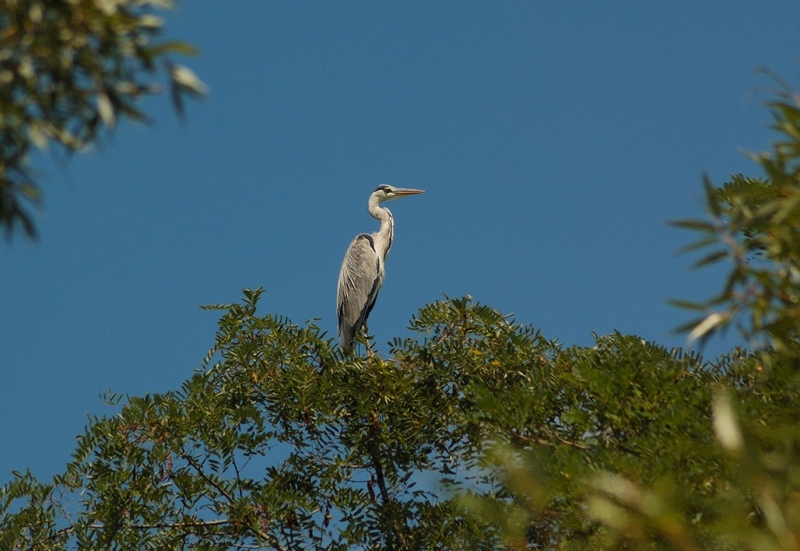
Yagorlyk is a state nature reserve located in the Dubossary district of the unrecognized Pridnestrovian Moldavian Republic, in the lower reaches of the Yagorlyk River, hence the corresponding name of the park.
This is the only nature reserve in Transnistria today.
It was founded on February 15, 1988, in accordance with a government decree, to preserve unique plant communities and species, and to protect the ichthyofauna and other biota groups of the Middle Dniester basin.
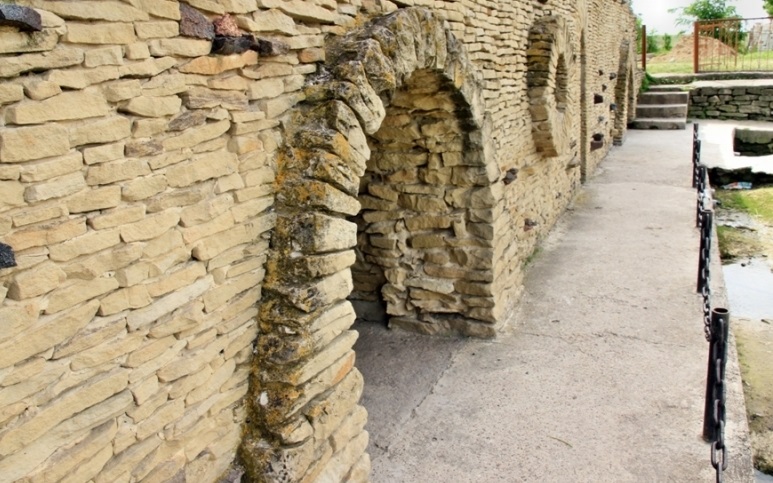
Located 20 km from the district center of Floresti and 124 km from Chisinau is the small, cozy village of Izvoare, which translates as "Springs." According to the 2004 census, the village has a population of 1,092, most of whom are Moldovan.
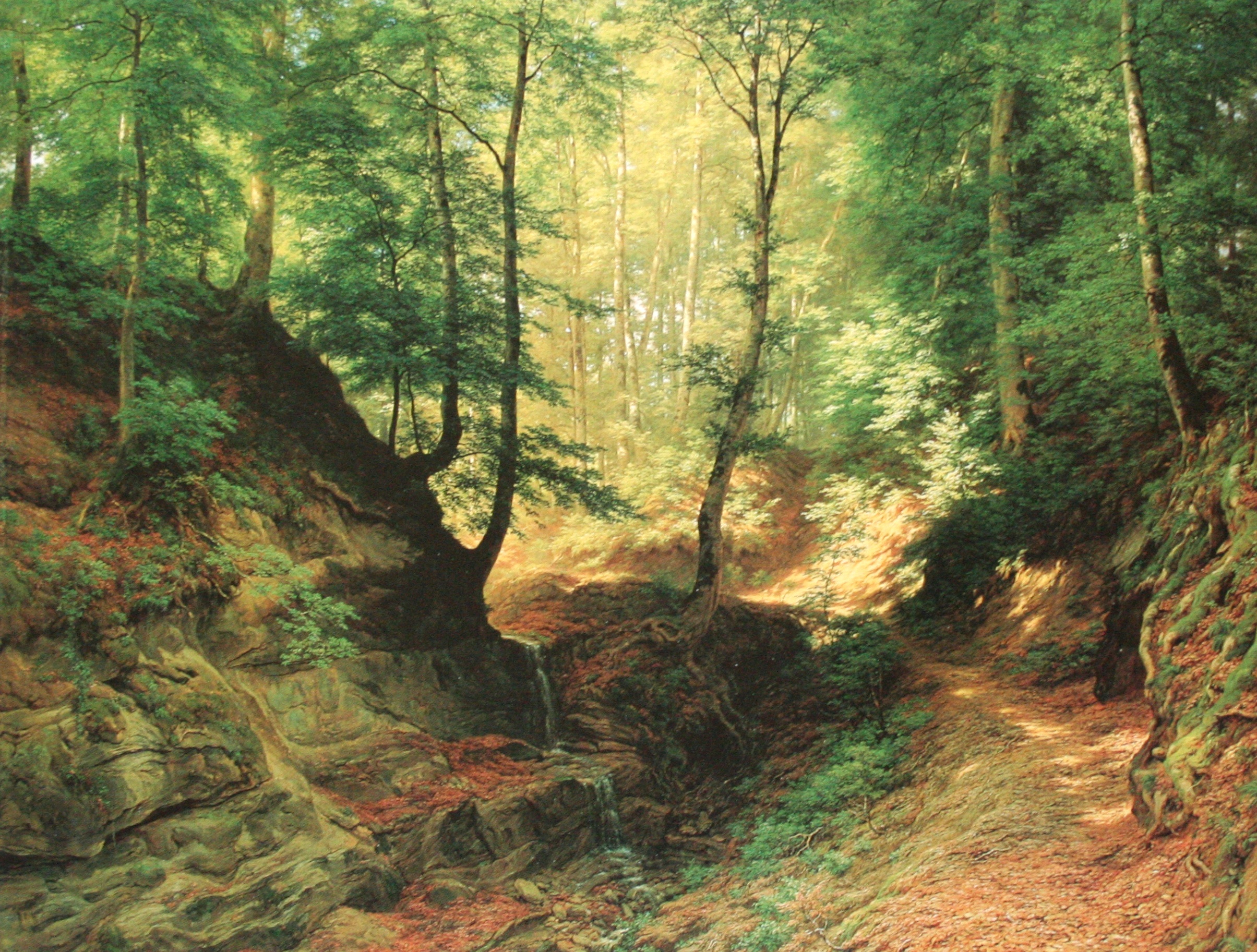
It consists of hilly forests with maximum heights of up to 380 m, crossed by valleys, ravines, and gyrtops.
Nowadays, forests in Moldova have noticeably thinned out, being replaced by vineyards, apple orchards, and sunflower fields.
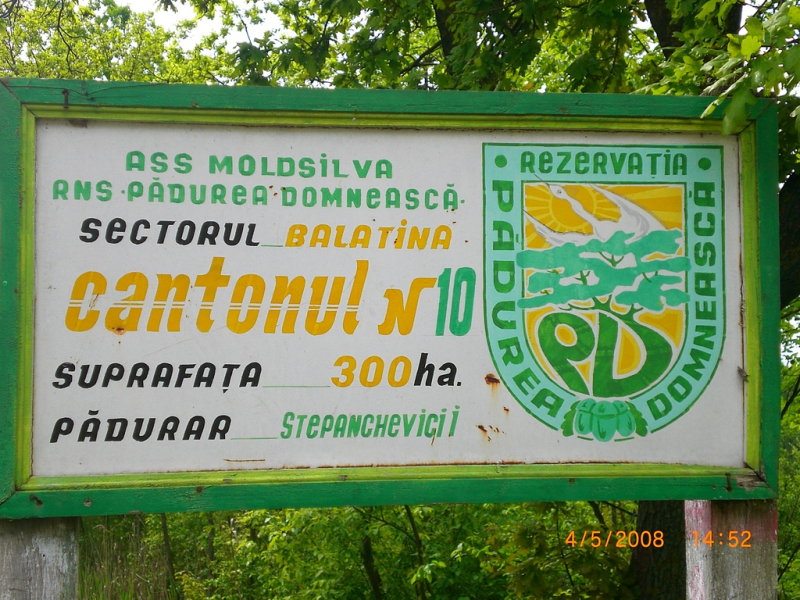
Approximately 185 kilometers from Chisinau, in the floodplains of the Middle Prut, is the largest scientific reserve in Moldova, Padurea Domneasca.
Here, over a large area along the river, there is a picturesque forest, where mainly such plants as poplars, oaks, beeches, etc. grow.
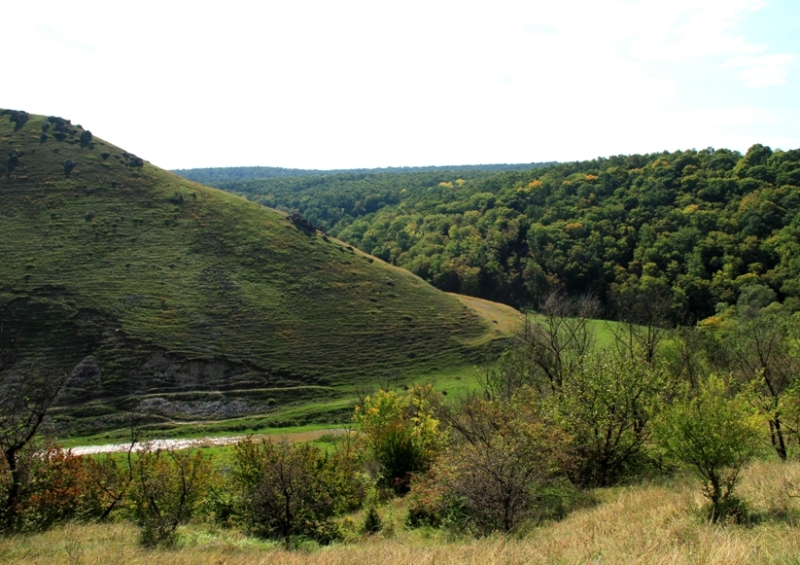
Plaiul Fagului translates as Beech Land. The name is no coincidence, as the reserve's vegetation contains over 680 species of vascular plants.
The reserve was created in 1992 on the basis of the Redenij Več hunting ground in the north-eastern part of the Codri Plateau.
A remarkable fact is that its territory is partially accessible for ecotourism, which means that tourists can see with their own eyes the full beauty of the Playul Fagului Nature Reserve.
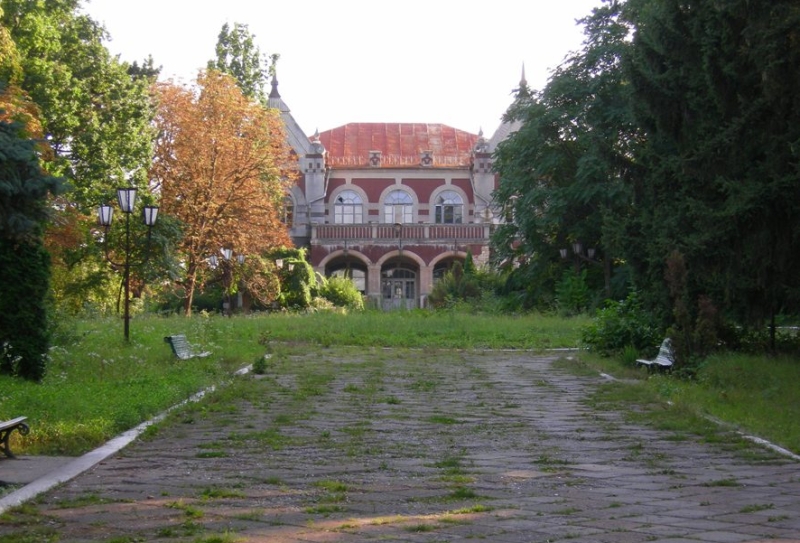
In the center of the village of Tsaul, approximately 200 kilometers north of Chisinau, is located the large, picturesque Tsaul Park.
The park was founded at the beginning of the 20th century around the estate of the Pommer family.
The park designed by landscape architect I. Vladislavsky-Padalka is one of his most successful works. The high society of the time highly appreciated his work, and we, the current generation, can admire it.
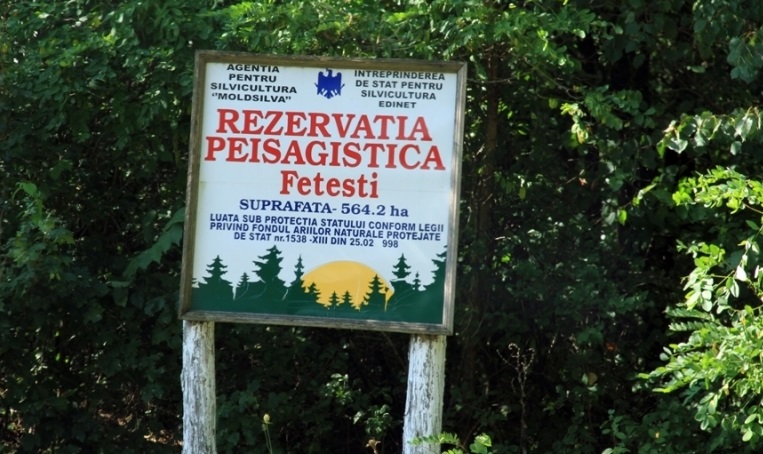
This publication continues our description of the natural attractions of Edinet District, one of the richest in amazing natural wonders. This time, we'll tell you about a unique natural wonder called the Fetești Nature Reserve, which locals and tourists call the Moldovan or Little Switzerland.
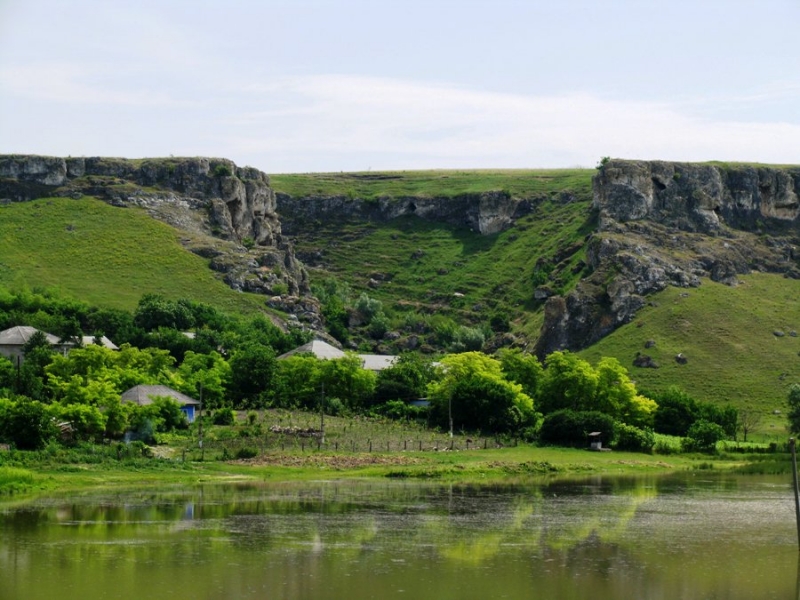
Not far from the town of Costestești, to the east of the village of the same name, the Duruitoarea River, a tributary of the Chugur River, has cut a deep gorge in the Tovtra mountains.
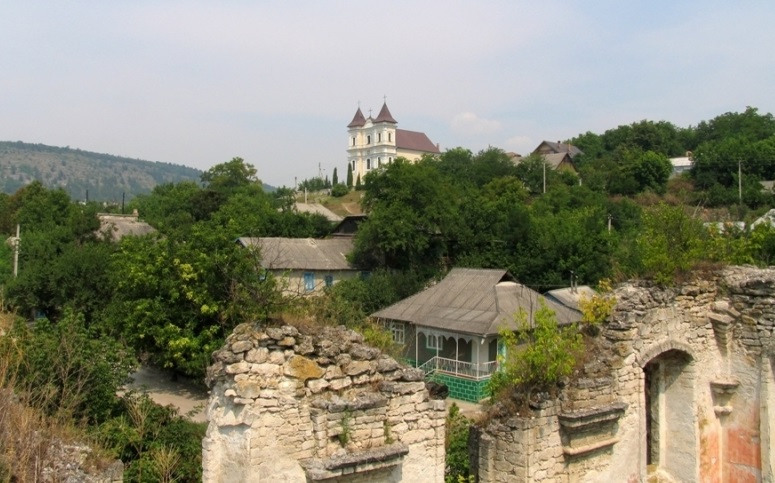
It's hard to find another settlement in Moldova with such a rich and turbulent history. According to some sources, the village's history dates back over 900 years, but the official date of Rashkov's founding is 1402. The village was originally called Kalaur, and this name has been retained by the forest surrounding it.
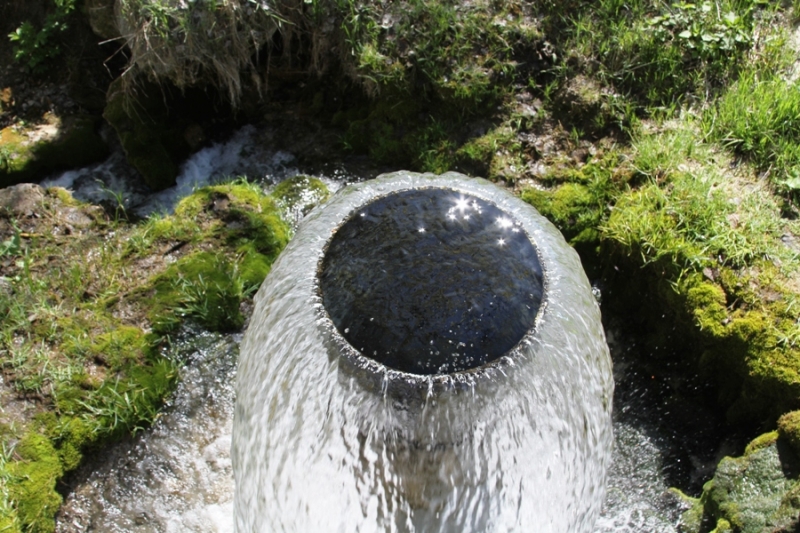
The village of Zhelobok in the Orhei district is located approximately 10 km from the city of Orhei, on the banks of the Raut River, on the slope of the river valley. The Raut makes a series of sharp turns here, winding through a gorge alongside low toltra massifs.
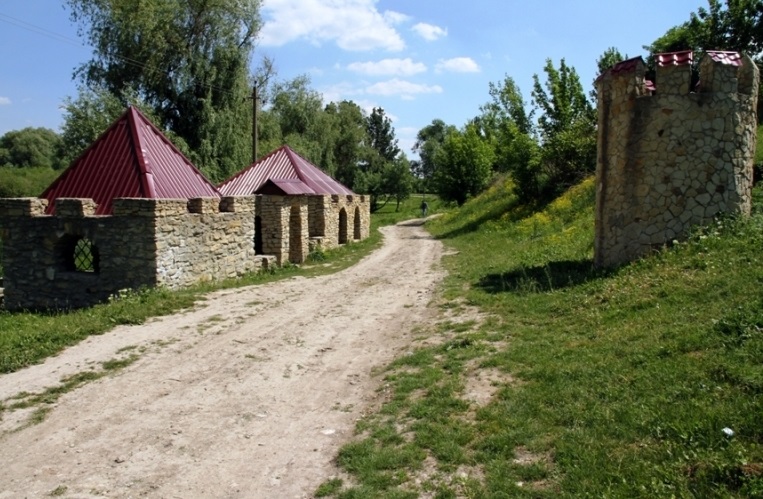
In the northern Donduseni district, in the valley of the Kubolta River, lies the ancient Moldovan village of Plop. Situated on a hill, the Kubolta River, which originates in the Ocnița district near the village of Lipnik, flows through its lower part, on the outskirts of the village.
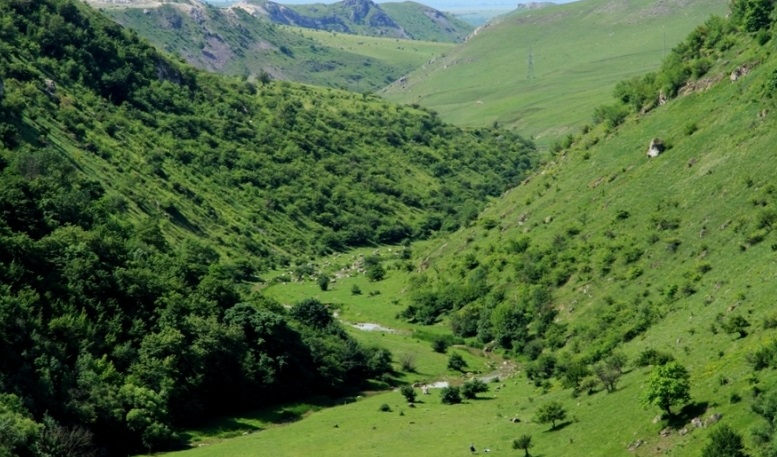
The Voloden Gorge stretches above the Rakovets River valley, approximately 1.5 km from the La Castel tract. Here, the small Bogda River flows into the Rakovets, and the gorge itself begins at the confluence of these rivers. Thus, it is located between the gorges in La Castel and the gorges near the villages of Buzdujeni and Brynzeni, which we've already mentioned.
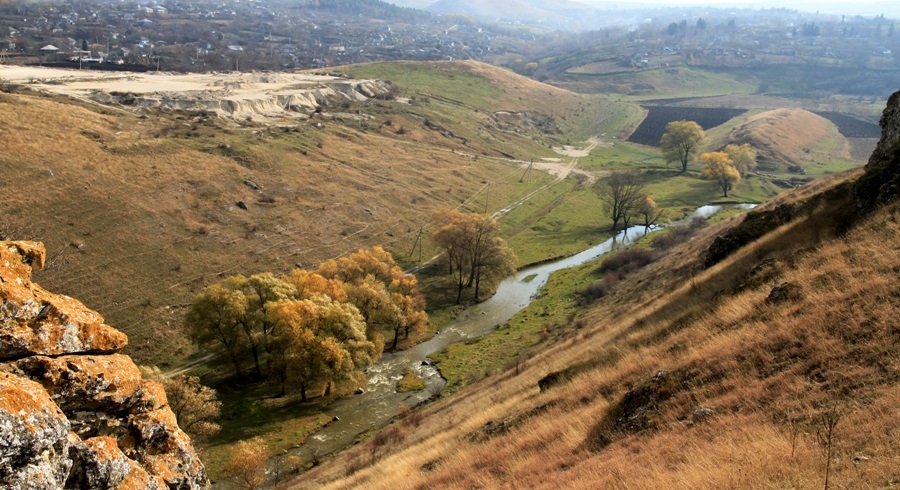
The natural beauty of Edinet district is truly inexhaustible. In this brief essay, we will briefly describe two natural monuments near the villages of Trinca and Brânzeni. In both cases, these are gorges in the Toltra ridges. However, in one case, in Trinca, the Dragishte River flows along the bottom of the gorge, while in the Brânzeni Gorge, it is the Racovăt River.
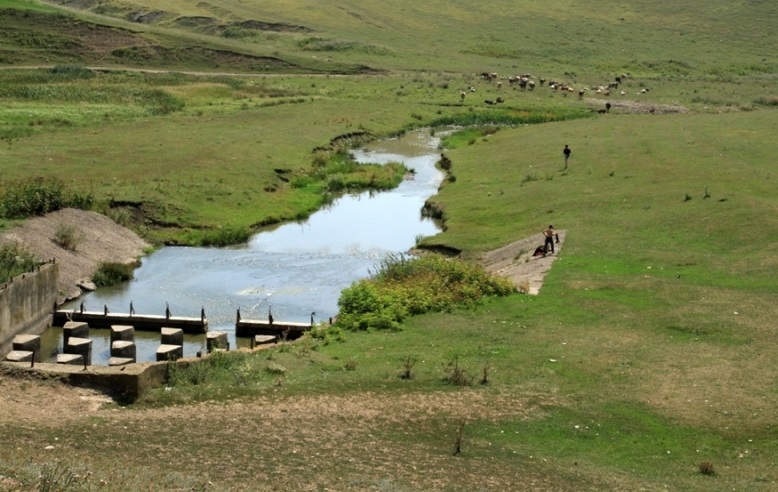
The Lopatnic River originates in the far north of Moldova, flowing through the regional center of Briceni and a number of villages of the Briceni district in a southwesterly direction, being a left tributary of the Prut, like most rivers in the north of our country.
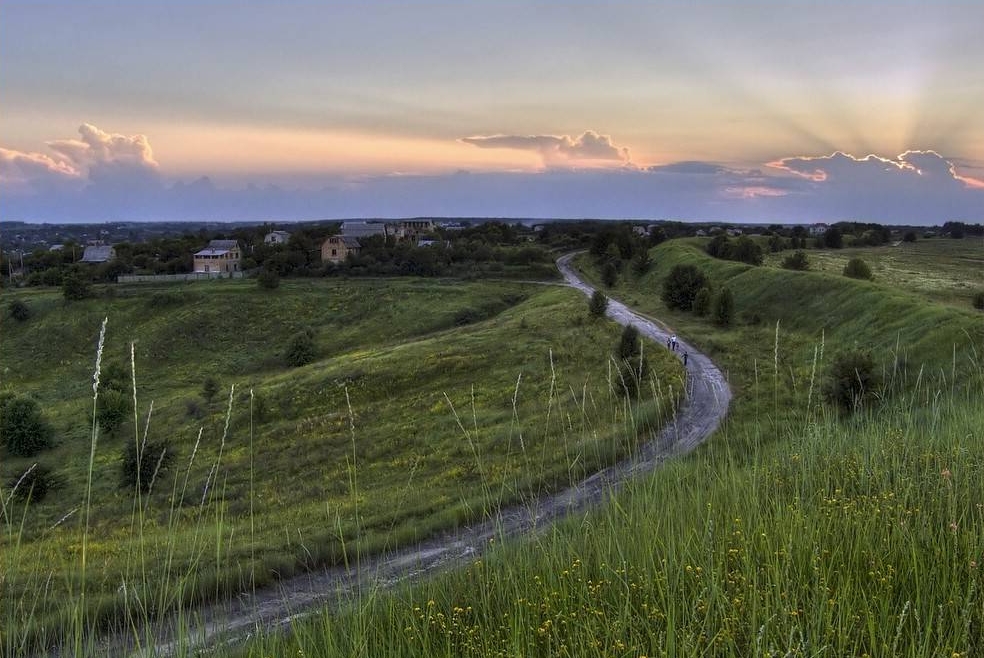
Near the town of Leova, there is a part of the structures called Trojan's ramparts.
These structures indicate the presence of the Romans in these places and are defensive structures in the form of earthen ramparts.
The Moldavian Trojan Walls are part of the grandiose structures of that time that stretch across Europe and are called Hadrian's Walls there.
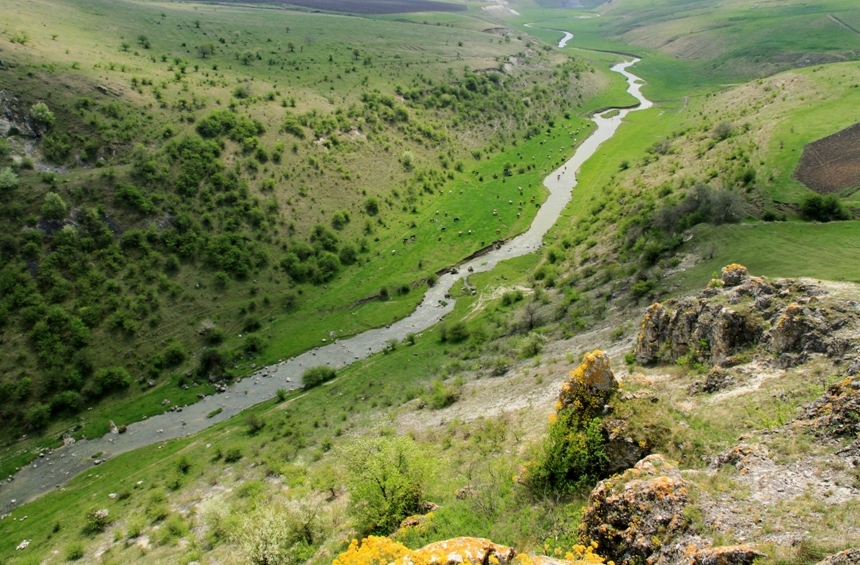
Located approximately 200 kilometers from Chisinau, near the village of Coban.
The village of Koban from historical documents, a location noted back in 1374, when the village was still called Zubreutsi.
Not far from the village begins what is probably one of the most impressive natural monuments in Moldova – the Prut Rapids.
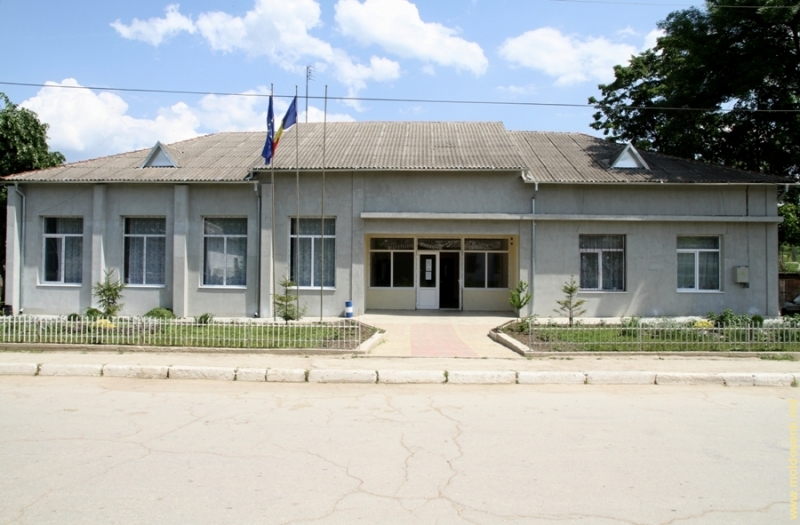
One of Moldova's tourist hotspots is the village of Talmaza. It's home to a winery of the same name, the "Big Tomb" archaeological site, the 19th-century "Mosh Tihon" windmill, and even a pheasant farm.
Talmaza is part of the so-called Purucari viticultural microregion of Moldova. It produces elite wines renowned far beyond Moldova's borders. Wines from the Purucari zone have been well-known since the 18th century, purchased for the royal family and later by members of the British Crown.
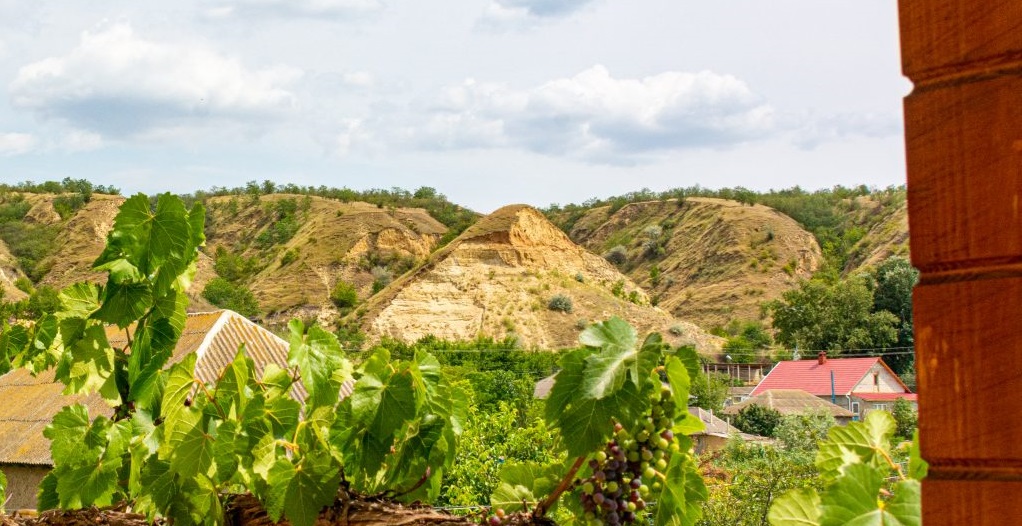
If Lake Beleu is like a precious stone, then Văleţi and its surroundings are truly a worthy setting. High, picturesque hills stretch past the village, especially beautiful at sunset.
They are mesmerizing, sometimes reminiscent of Egyptian pyramids, but they conceal far more ancient secrets... The hills consist of deposits of sand, clay, and pebbles. The deposits are up to 4 million years old. Paleontologists have found the bones of mammoths and other extinct animals here. Some of these specimens can be seen in the Valen Museum.
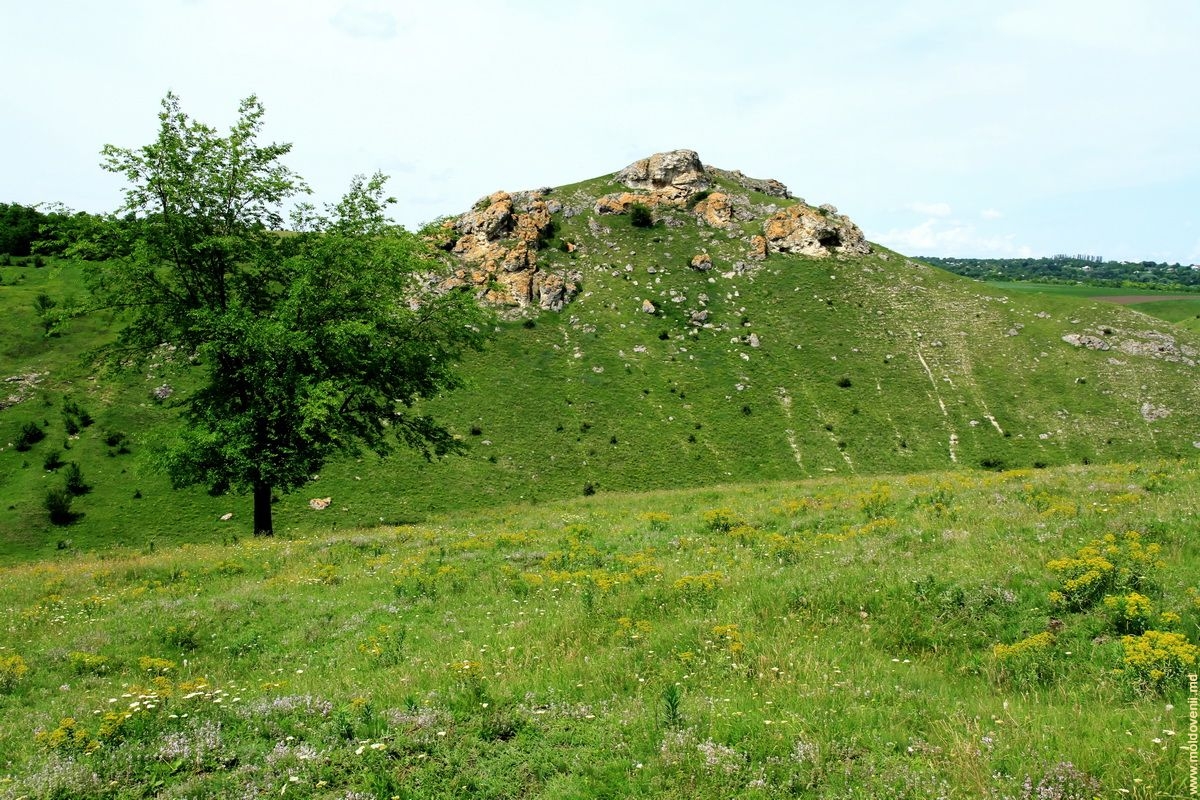
The village of Cobani in the Glodeni district is located east of the district capital, Glodeni, 17 km away and 204 km from Chisinau. Officially, the village is considered to have been founded in 1702, but it should be noted that its founders moved here from another village, Zubreuți, later renamed Vasileții de Jos.
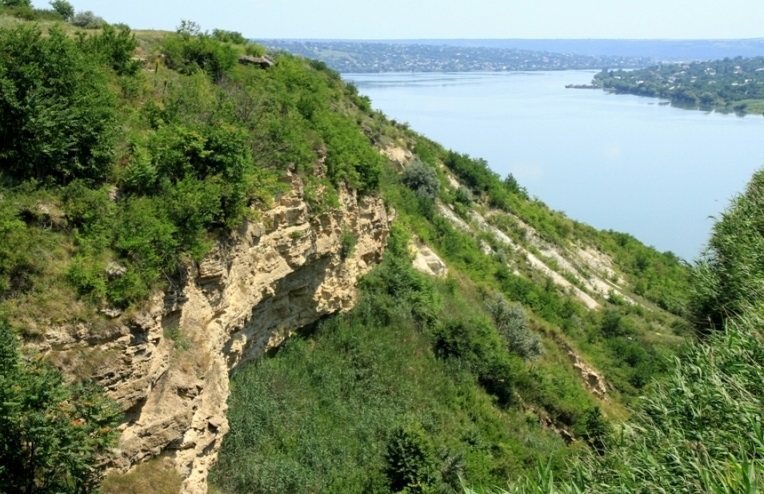
Moldova is a truly amazing country, full of surprises and unexpected possibilities. Traveling the country's roads, you can be sure to discover something new, unusual, interesting, and beautiful. Often, these discoveries are completely unexpected, and almost always pleasant. Just leave the main road and take a look around.
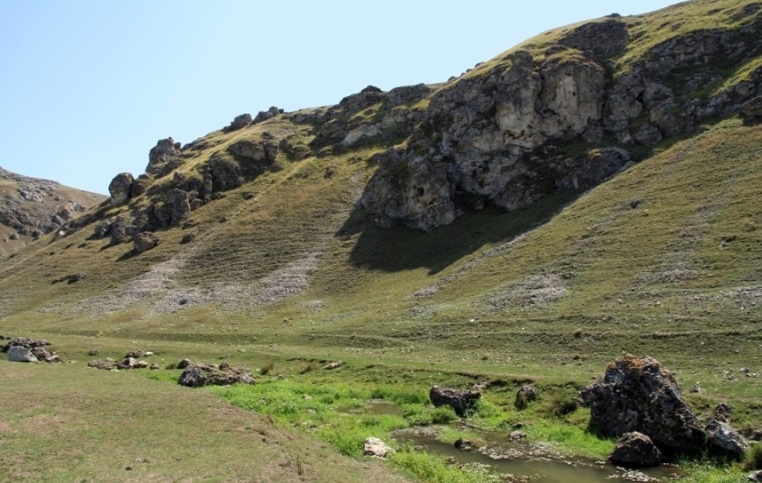
Continuing our travels through northern Moldova, and particularly through the Edinet District, we traveled along the Dragishte River, starting from the famous and one of the most beautiful gorges in the Toltra River near the village of Trinca and moving downstream. We visited the Fetești Landscape Reserve, which also features two gorges – one within the reserve, covered in forest, and the other at the exit of the village.
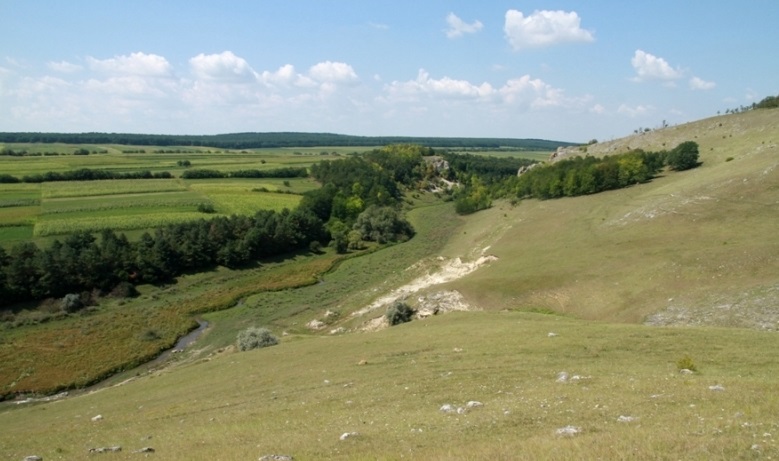
When setting out on another trip to northern Moldova, you always expect something new and unusual. This is despite the fact that you've traveled the length and breadth of northern Moldova and it seems almost impossible to discover anything truly new and interesting.
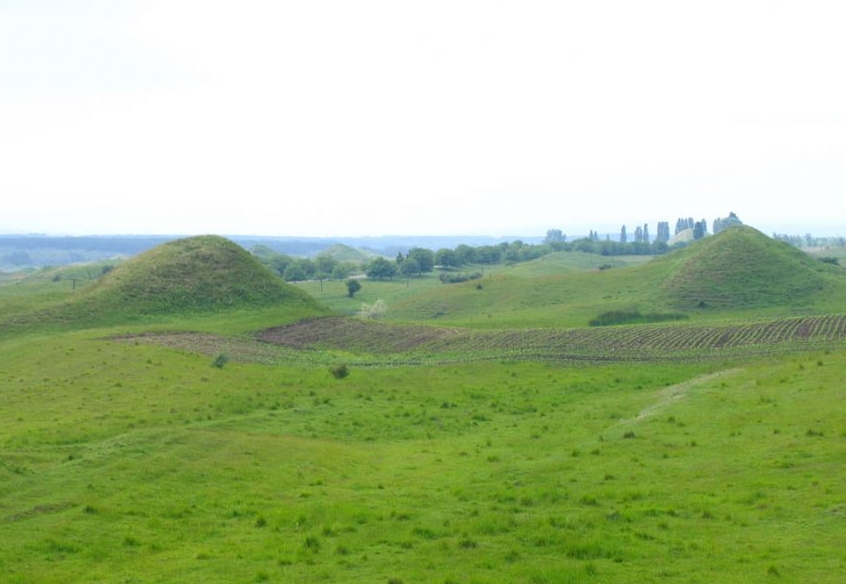
Between the villages of Branesti and Coban, along the road by the Prut River, there is an unusual natural phenomenon called the "Hundred Hills".
This unique phenomenon in the area between the Prut and Dniester rivers is located approximately 220 kilometers from Chisinau.
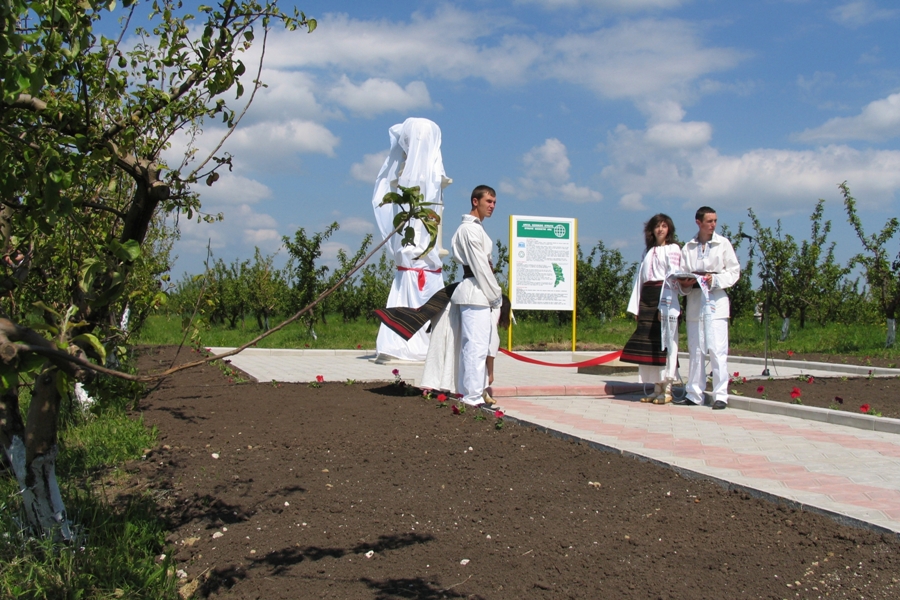
The Struve Arc geodetic point near the village of Rudi in the Soroca district is the only monument in Moldova included in the UNESCO list of cultural and natural attractions of the world.
This list currently contains approximately 1,000 sites, each of which is a source of pride for each country represented. Not to mention the fact that inclusion on this list offers hope that the monuments featured will attract tourists from all over the world.
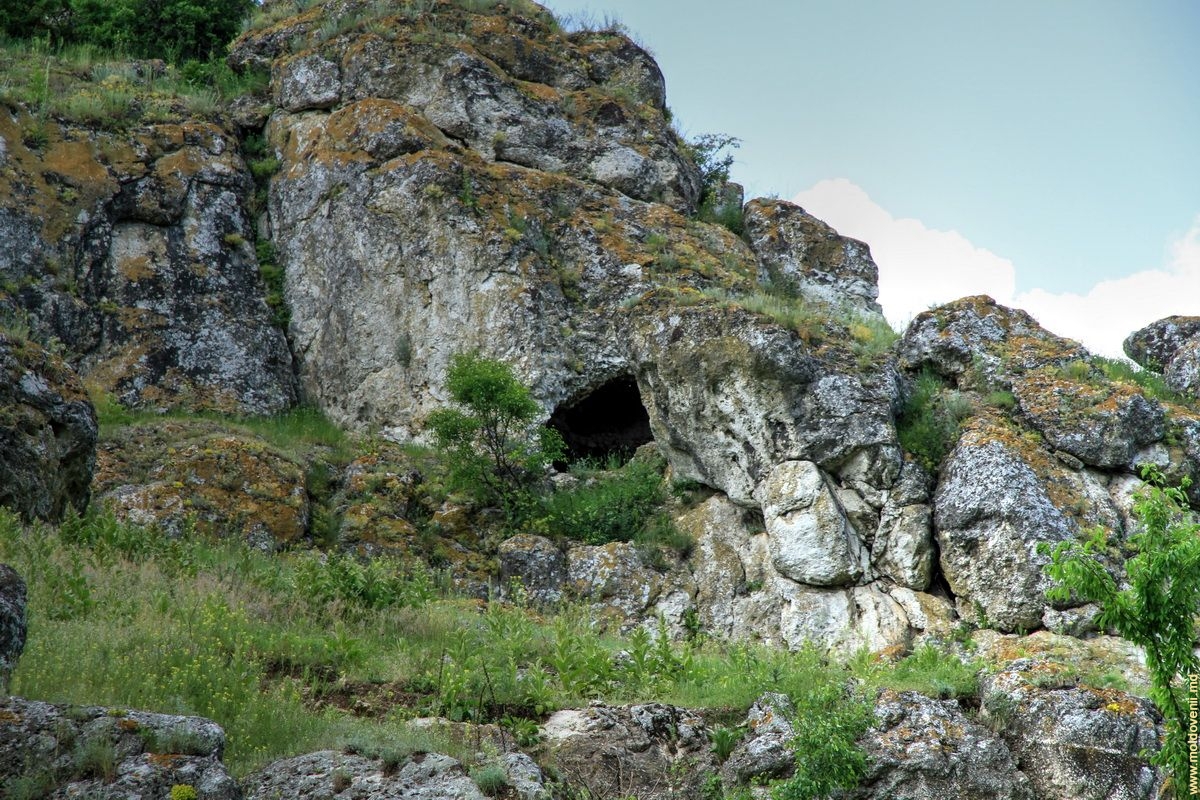
The village of Trinca is located 10 km from the city of Edineț. This old Moldovan village is famous for the quarry that produces the best lime in Moldova, located nearby, just beyond the Trinca Gorge.
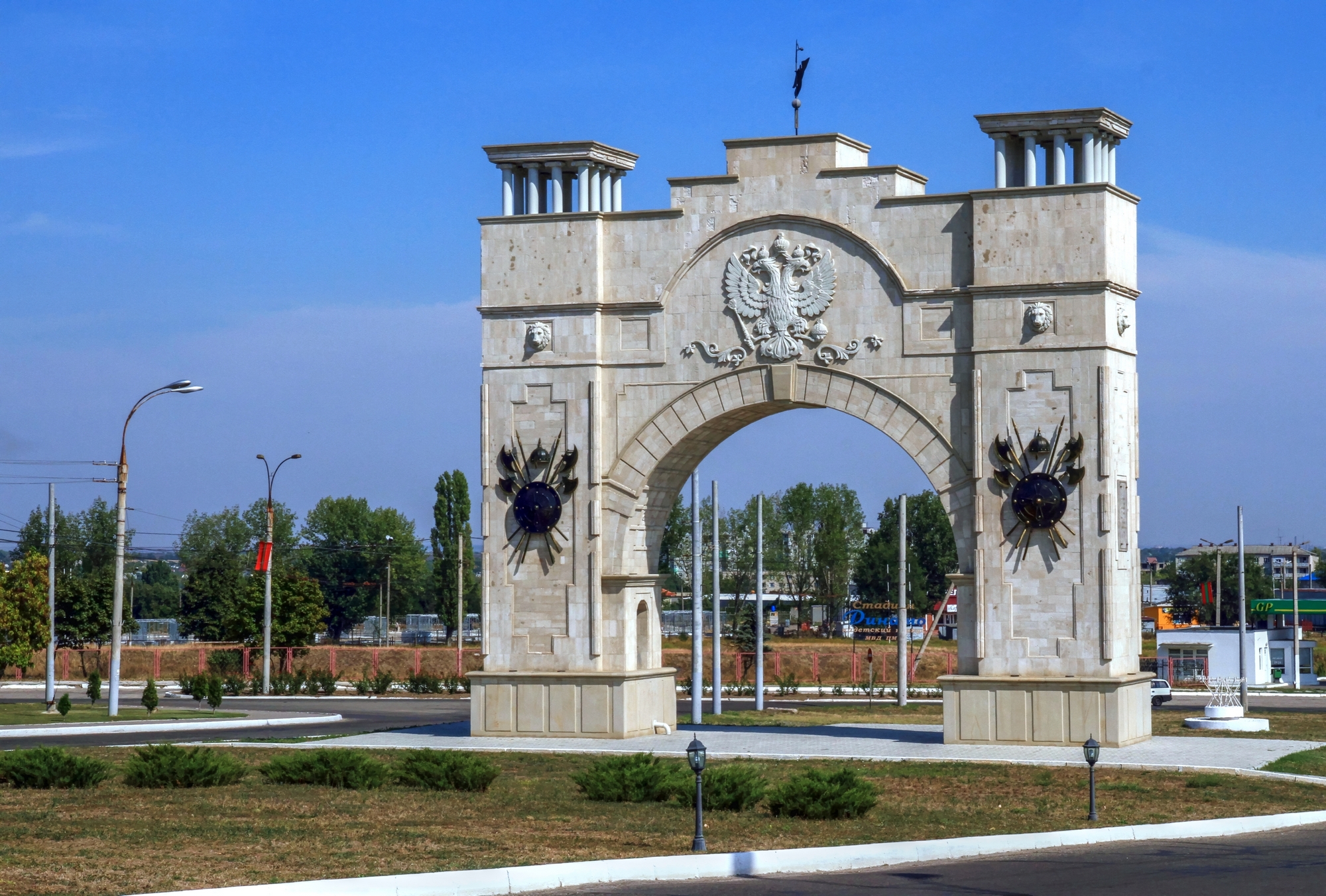
On October 7, 2008, the Triumphal Arch, restored to commemorate Russia's victory over the Turkish army in Bender, was unveiled. It is located below the memorial complex and is clearly visible both when entering and exiting the city toward Chisinau. The arch was originally built in Chisinau in 1807 and was called the "Bender Street Arch," but was destroyed in 1944 during the Great Patriotic War.
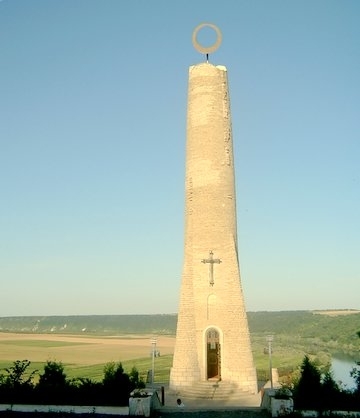
"Traveler, stop! Up on the hill burns the Candle of Thanksgiving.
And if in your life you consider yourself grateful to someone for something, get up, pray and go...”
On the outskirts of the city of Soroca, at the suggestion of the Moldovan writer Ion Drutsa, a monument was unveiled on March 27, 2004, which was named "The Candle of Thanksgiving".
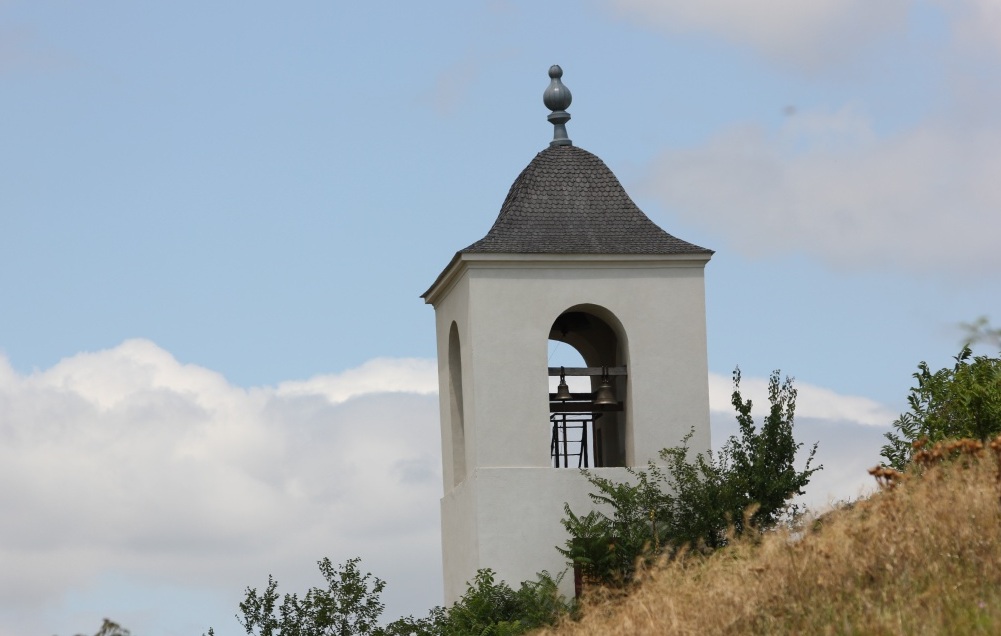
The bell tower above the Peshtere rock monastery was erected in 1890.
It is located right at the entrance and is designed in the late classical style.
The bell tower has survived to this day and attracts the attention of numerous visitors to the Old Orhei open-air museum, on whose territory the monastery is located.
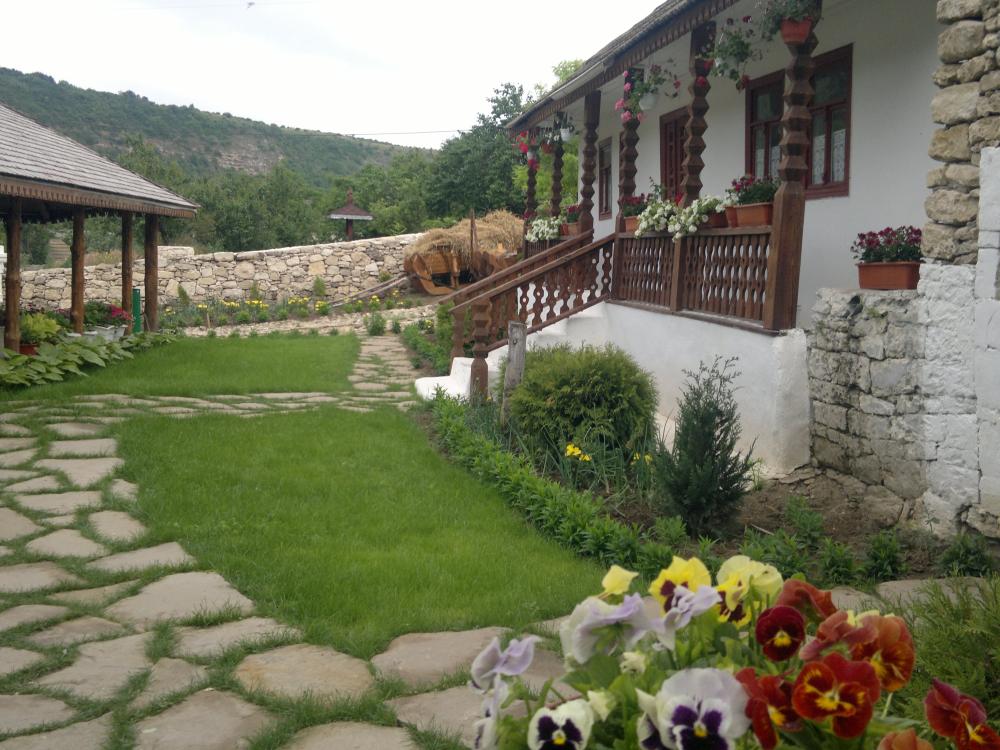
Butuceni is a village located in the Orhei district of Moldova, approximately 50 kilometers from Chisinau.
It is part of the world-famous historical complex of Old Orhei, where ancient buildings have been preserved, which are monuments of folk architecture.
The most striking landmark of the village of Butucheny is the unique rock complex that stretches along the Reut River.
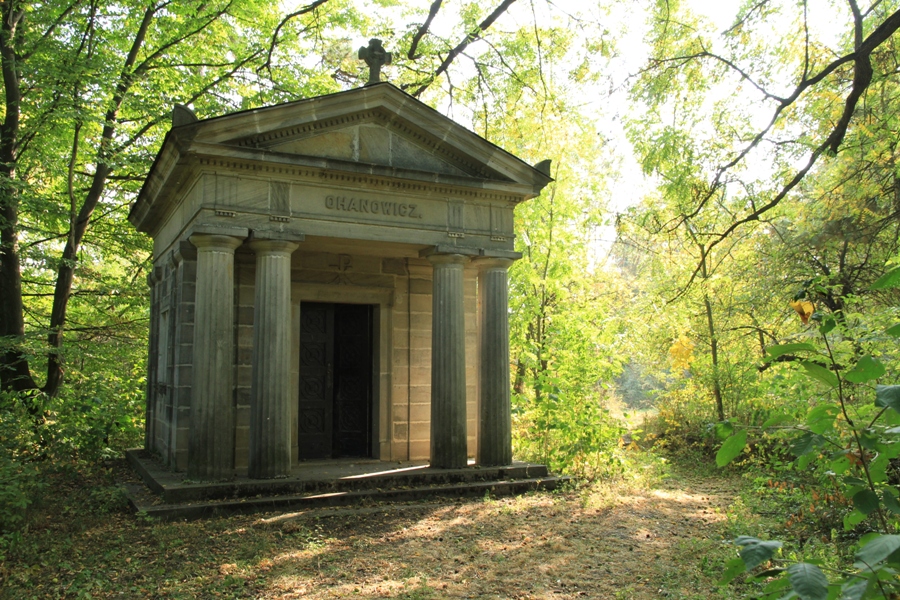
Approximately 25 km from the district center of Drochia, near a country road between the villages of Myndyk and Kotova, in the middle of an open field, lies one of the most amazing manor and park ensembles in Moldova, the dendrological park Villa Myndyk.
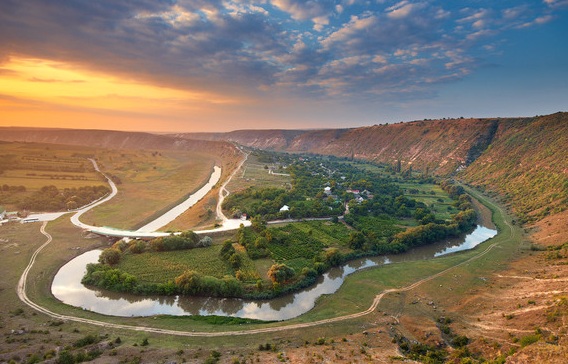
Reut is the largest inland river in Moldova, a right tributary of the Dniester.
This is one of the oldest rivers in the country, its age comparable to the Dniester and Prut – the Reut is already several million years old.
The length of the river is 286 km, the basin area is 7760 square km.
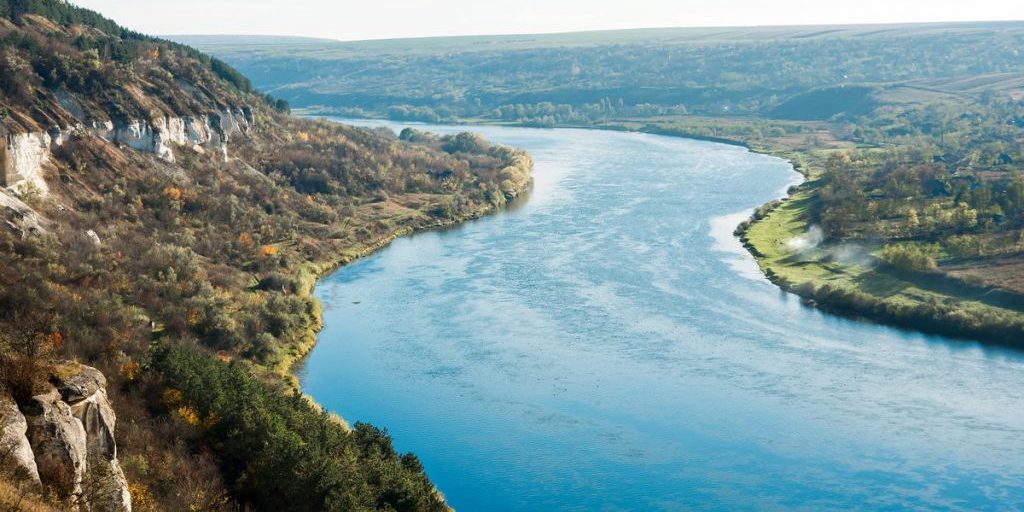
Moldova's largest river is the Dniester. Even the ancient Greeks and Romans knew it and called it the Tiras. In the Middle Ages, a trade route ran along it from Lviv to Crimea and Turkey. Majestic fortresses built on the river's banks still stand in Khotyn, Soroca, Bender, and Bilhorod-Dnistrovskyi.
The Dniester rises in the Carpathians at an altitude of 759 meters above sea level from springs emerging on the northwestern slope of Mount Rozluch. It flows 700 km through Ukraine and about 660 km through Moldova. Its annual flow averages 10 cubic kilometers; this is five times less than that of the Dnieper.
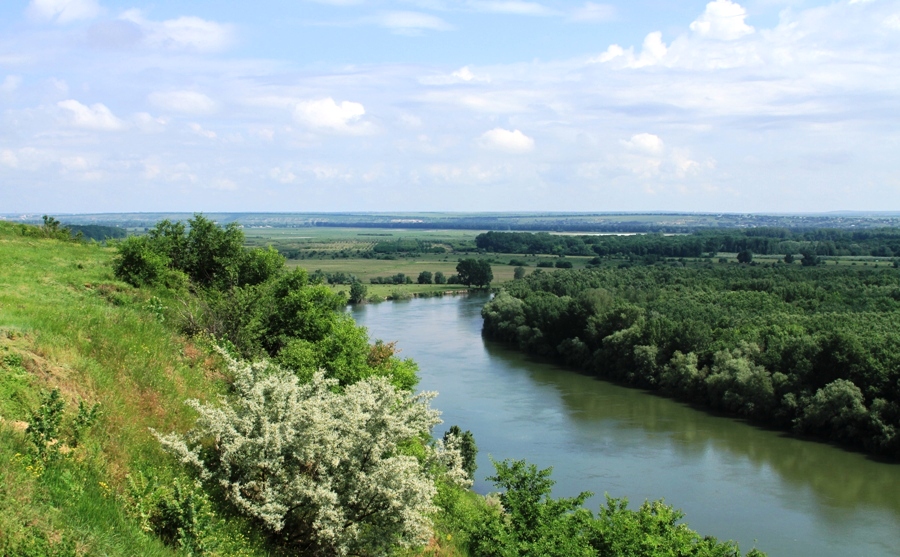
The Prut River, 953 kilometers long, originates from a mountain source near Hoverla in the Ivano-Frankivsk region and flows into the Danube.
It flows through Ukraine, Moldova, and Romania. It is Moldova's second-largest river, forming the country's natural border with Romania.
In its upper reaches, the Prut is a typical mountain river, but in Moldova its valley widens considerably, the current becomes calm, and the banks are low.
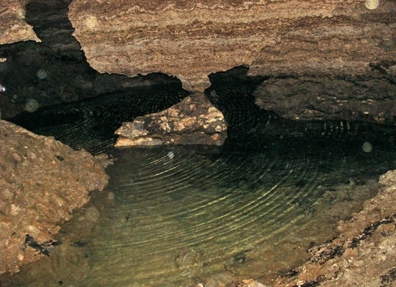
Another of the large caves on the territory of the Republic of Moldova.
Its length is over 1700 meters, it is the second largest in Moldova after the Emil Racovita cave, the third longest in Europe and the sixth longest in the world.
The cave is located in the forest of the village of Zolochen, which is located on the right bank of the Dniester.
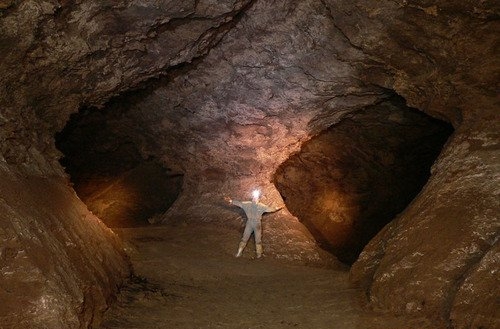
Near the village of Criva, Edinet County, approximately 265 kilometers north of Chisinau, lies one of the largest caves in the world.
The length of the cave's underground galleries is more than 89,000 meters; this unique natural phenomenon consists of several levels.