The Taste of Moldova: A Journey Through National Cuisine
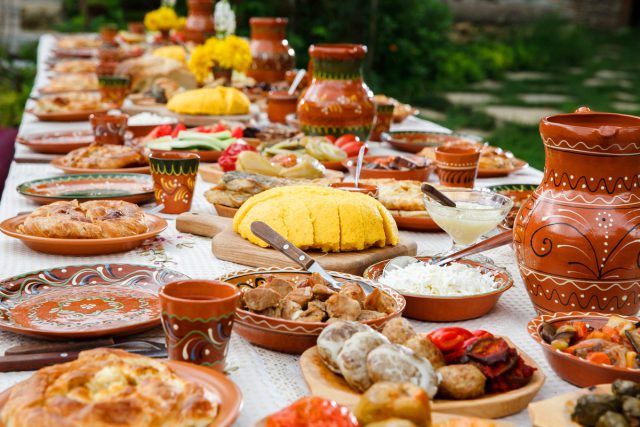
If you're visiting Moldova, exploring the country is impossible without visiting its restaurants serving national cuisine. It's here that the people's character, traditions, and way of life are revealed. Among the most popular places to sample authentic dishes are La Plăcinte and Acasă la Mama . We'll tell you more about these restaurants below, but for now, here's the most important rule for travelers: you can't leave Moldova without trying the local cuisine .
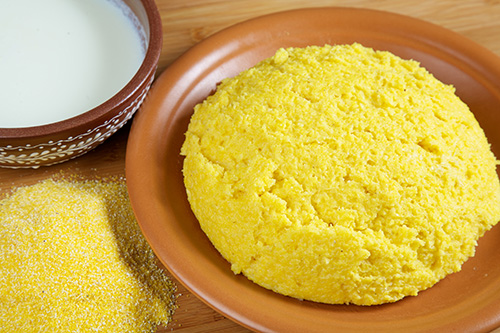
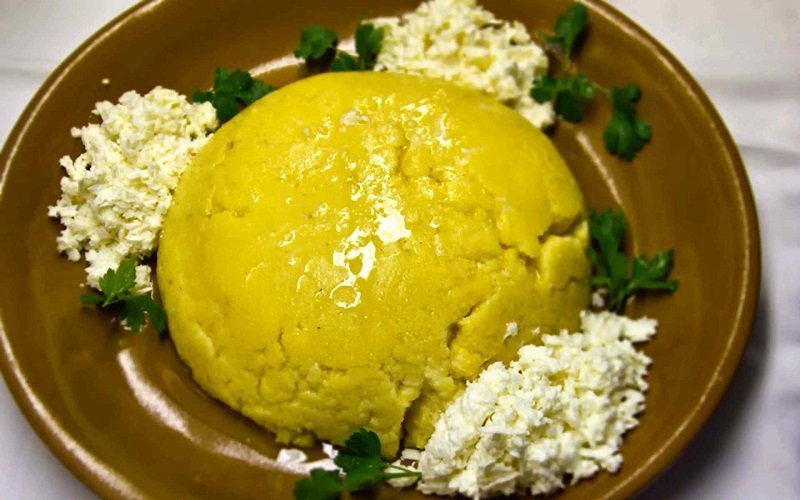
Not trying the famous mamaliga with aromatic feta cheese means missing out on the true flavor of the country. And the legendary Moldovan pies with a variety of fillings are so popular that tourists plan culinary itineraries specifically for them. That's why a visit to a national restaurant is a must.
National cuisine of Moldova
Moldova is a land of fertile lands, vineyards, orchards, and vegetable plantations. Nature has generously endowed this land with everything necessary for creating a simple, yet rich and healthy cuisine. Since time immemorial, Moldovan dishes have been prepared from fresh, natural ingredients grown under the generous southern sun.
On any Moldovan table, you'll find an abundance of vegetables, fruits, herbs, and dishes made with them. The country's geographic location has also had a significant influence on the development of its national cuisine. Situated at the crossroads of cultures and ancient trade routes, Moldova has absorbed the culinary traditions of neighboring peoples and created a unique gastronomic heritage.
Iconic dishes of Moldovan cuisine
Brynza – the taste of tradition
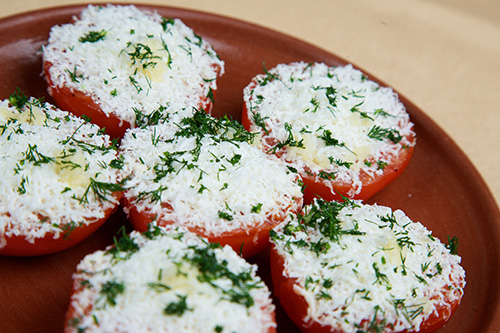
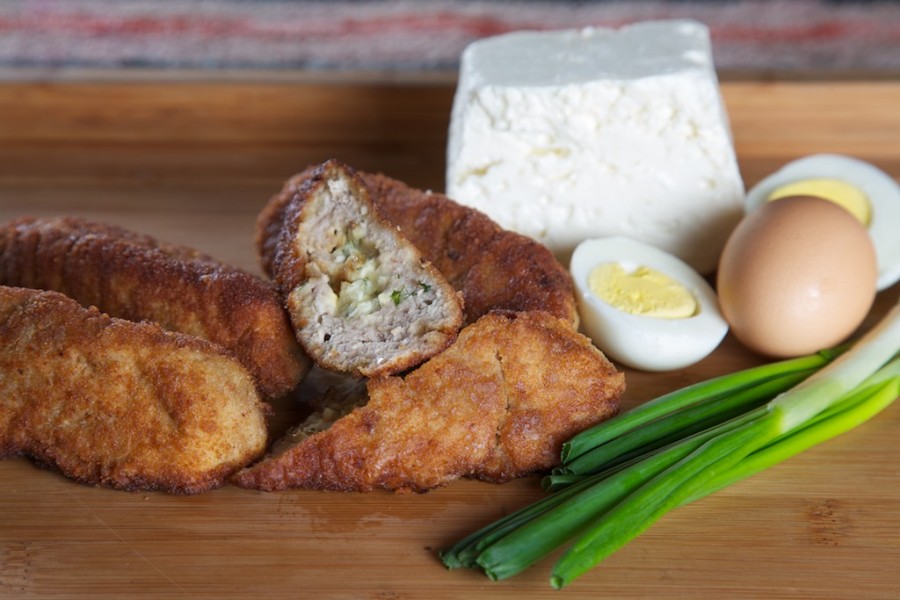
Brynza , a brine cheese traditionally made from sheep's milk, is rightfully considered one of Moldova's main national products . Unlike hard cheeses, brynza requires minimal aging—just one to one and a half weeks.
This product has been known in the region since ancient times and is closely linked to the development of sheep farming, which flourished especially rapidly in the 17th–19th centuries. Brynza is served as a stand-alone appetizer, added to salads, and used grated in vegetable, egg, flour, and meat dishes. When visiting Moldova, you should definitely try bryndza in its classic, natural form.
Mamalyga is the heart of the Moldovan table
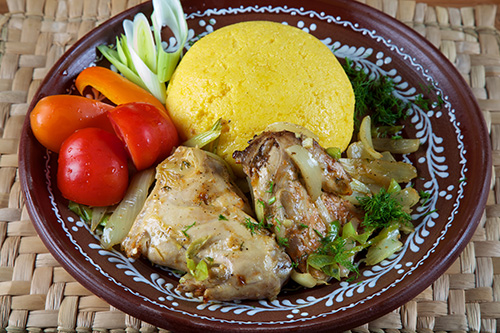
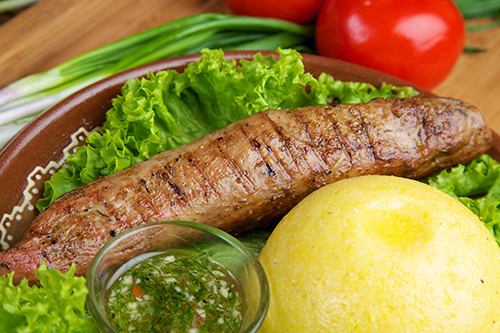
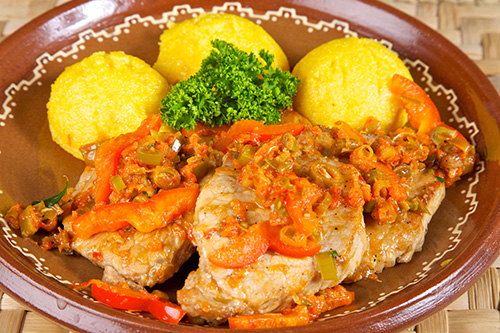
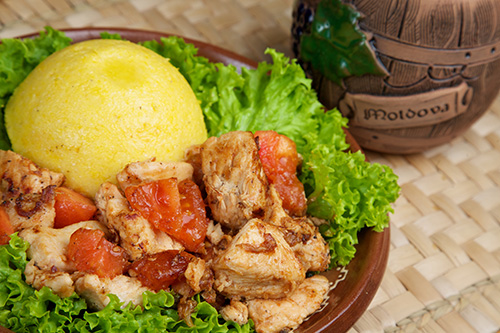
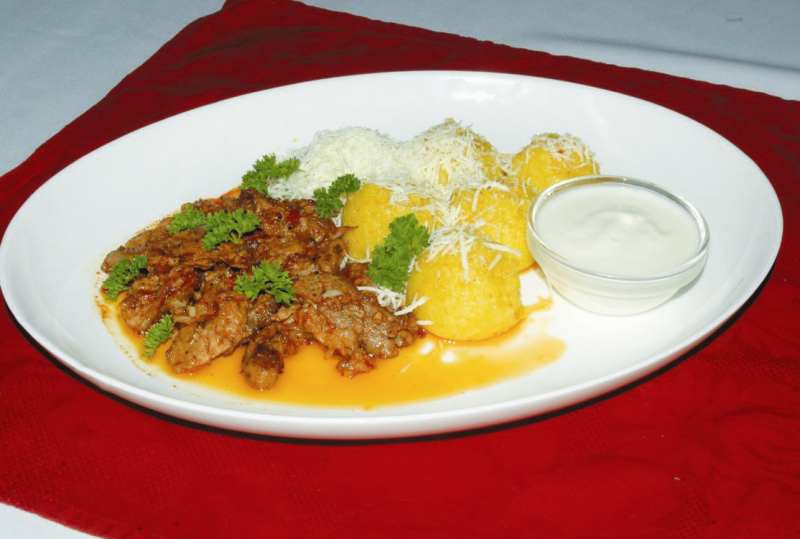
Mamalyga is one of the country's most recognizable and beloved dishes. It's served with feta cheese, sour cream, sauces, meat, or stewed vegetables. It's more than just a dish, it's a symbol of home comfort and hospitality.
Moldavian-style placintas and cabbage rolls
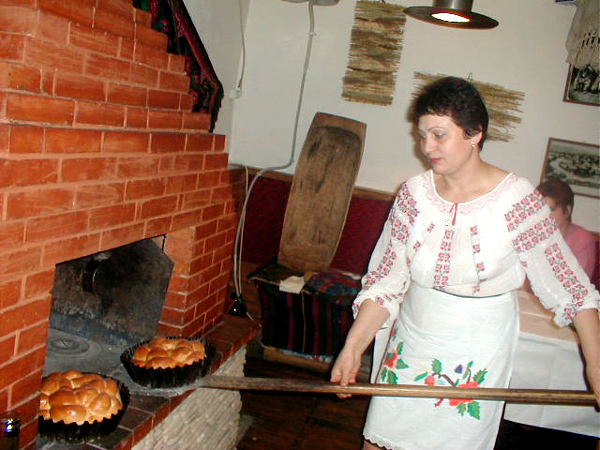
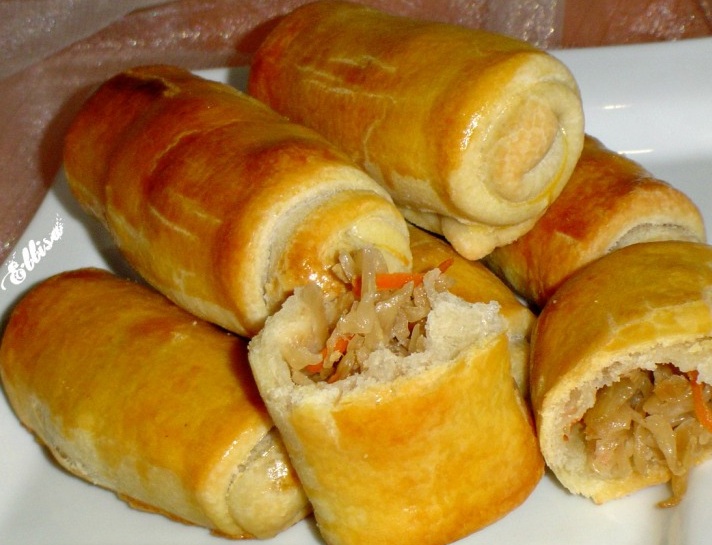
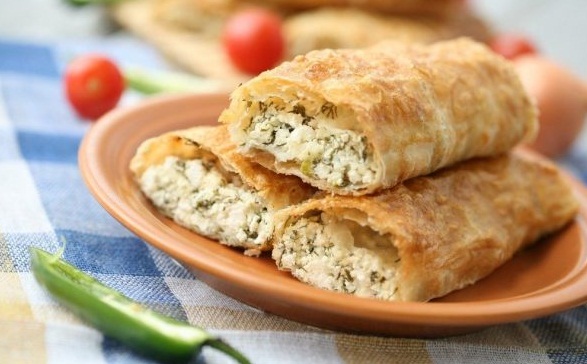
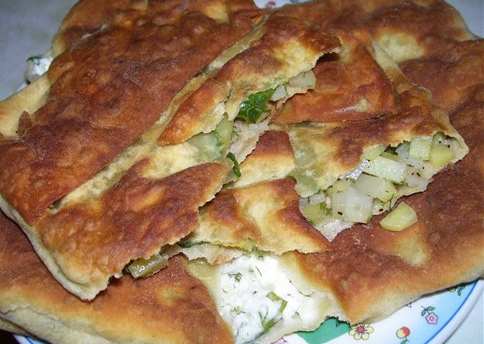
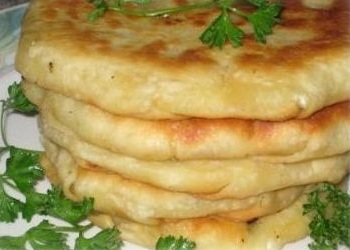
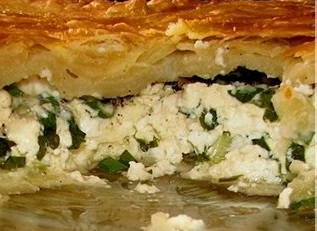
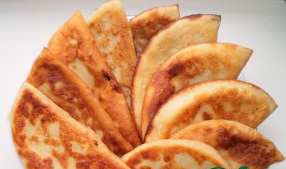
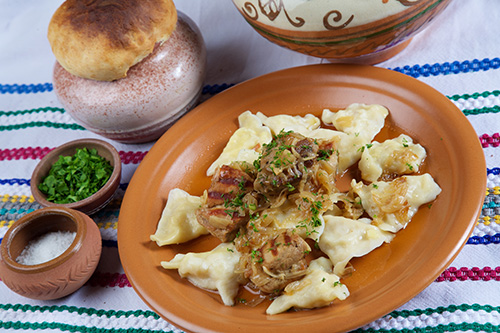
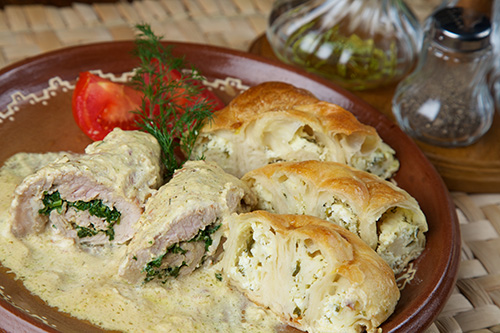
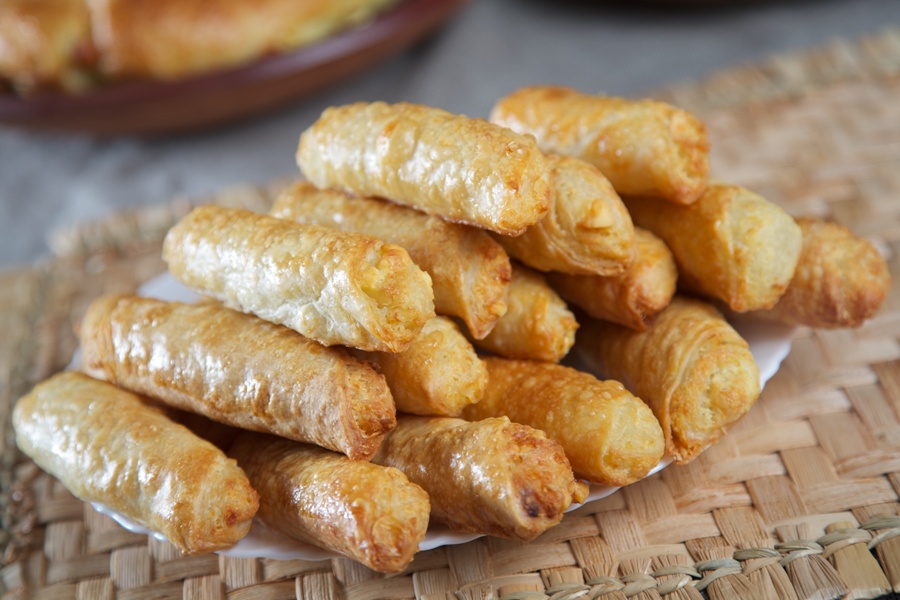
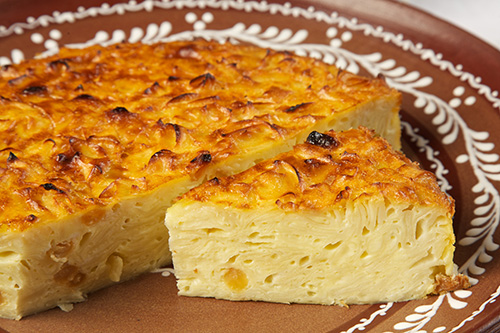
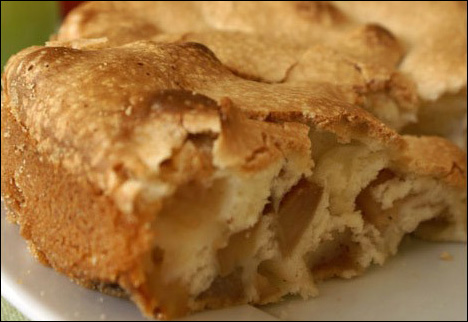
Placinte —rosy flatbreads filled with cheese, potato, cabbage, pumpkin, or cherry— occupy a special place in Moldovan cuisine . They are equally popular for everyday use and on festive tables.
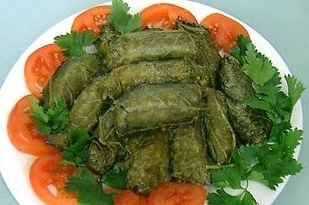
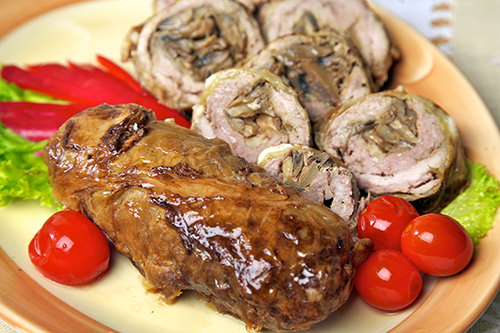
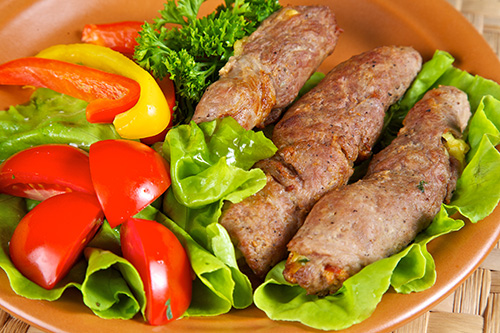
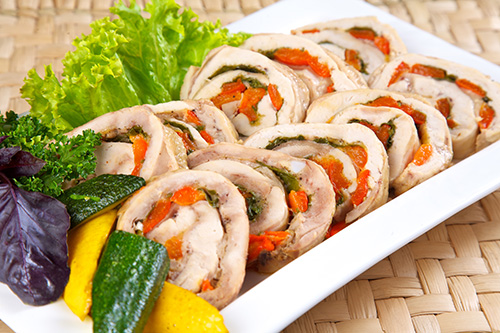
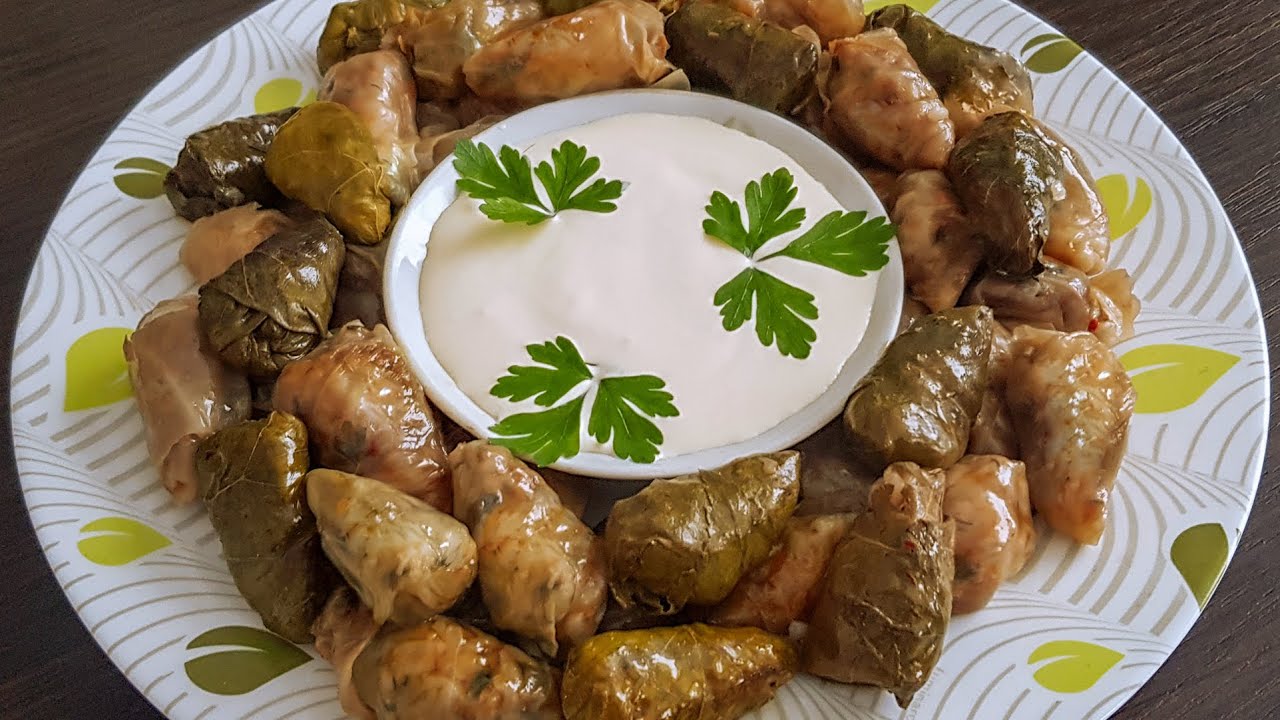
Moldovan-style cabbage rolls are also widely popular , distinguished by their delicate flavor, juicy filling, and unique presentation. They are often prepared with corn grits, herbs, and aromatic spices.
Gastronomy as part of the journey
Moldovan cuisine is more than just food; it's also part of a cultural experience. It brings people together around the table, passes down traditions from generation to generation, and leaves guests with warm, memorable memories.
When traveling through Moldova, be sure to take the time to explore its gastronomic offerings—it's through taste that you can best understand the soul of this country.
About 200 years ago, another staple of Moldovan cuisine arrived: corn. It was brought to Moldova only in the 17th century and became widespread in the 18th century. Initially, it was considered a poor man's food. Over time, Moldovans learned to prepare a variety of dishes from corn.
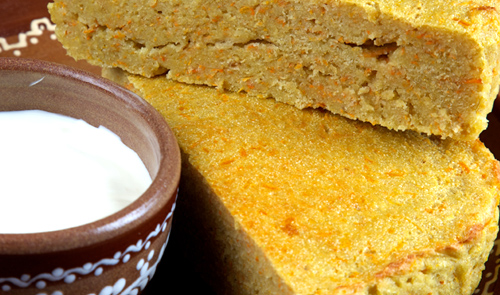
Mamalyga is a famous national porridge made from corn flour. It can undoubtedly be called the master of Moldovan national cuisine.
Corn is widely used in soups and side dishes, and it's also boiled and baked. However, in Moldova, wheat bread, not corn bread, is traditionally consumed.
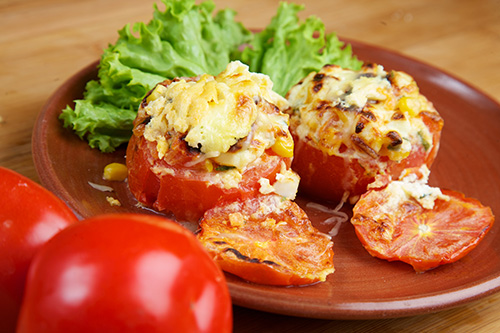
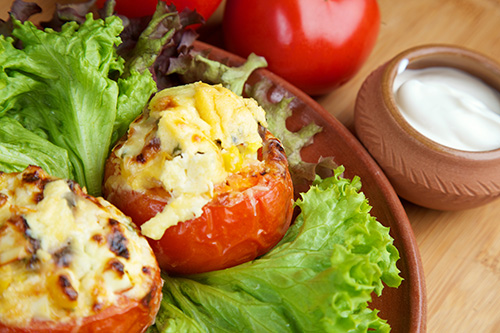
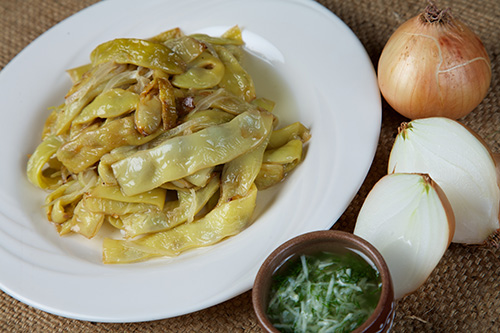
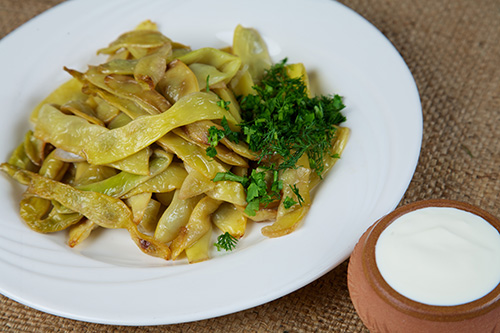
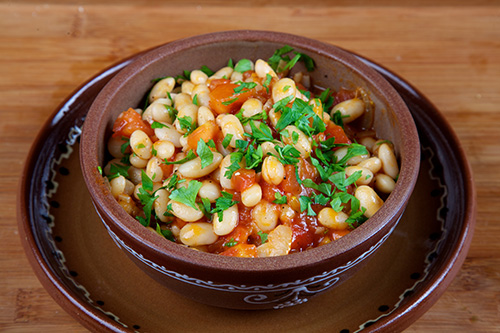
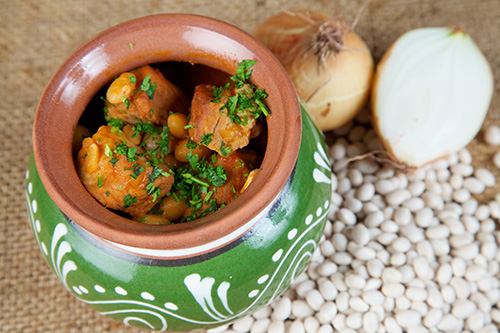
Moldova is a sunny country with a warm and mild climate. Its fertile lands have historically produced an abundance of fruits and vegetables, and they undoubtedly play a significant role in the national cuisine. They are used as side dishes and as main dishes. They are most often boiled, baked, stuffed, stewed, and salted, and less commonly fried. Among the many vegetables, the most common are beans, green beans, lentils, tomatoes, gogoshars, bell peppers, eggplant, and zucchini.
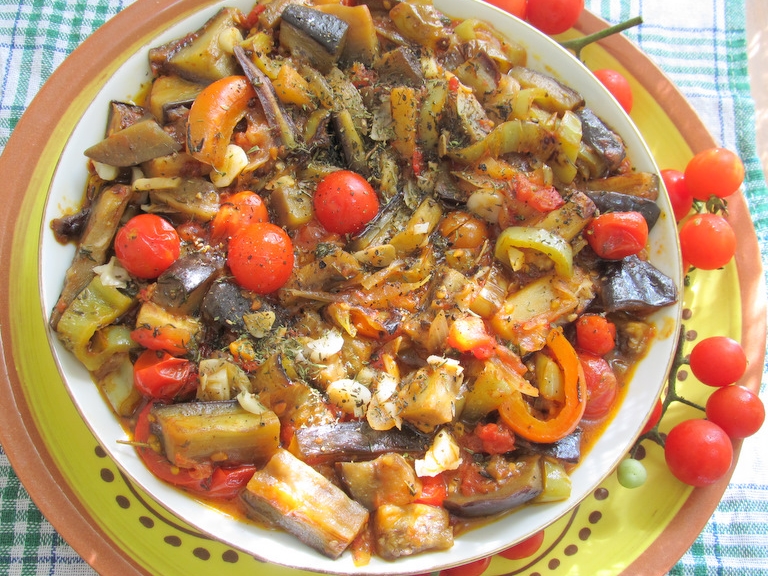
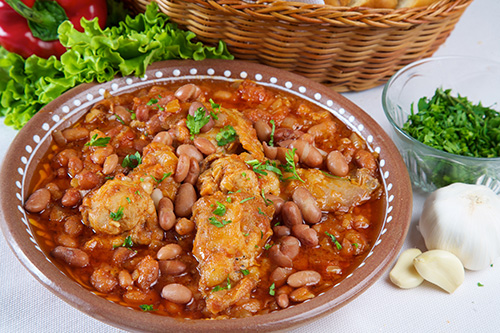
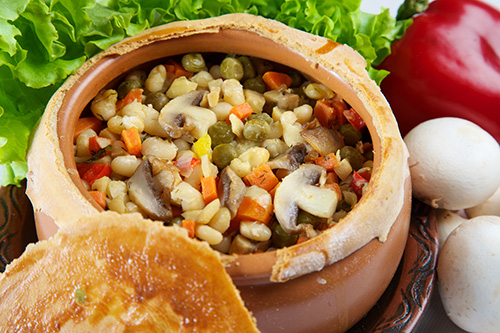
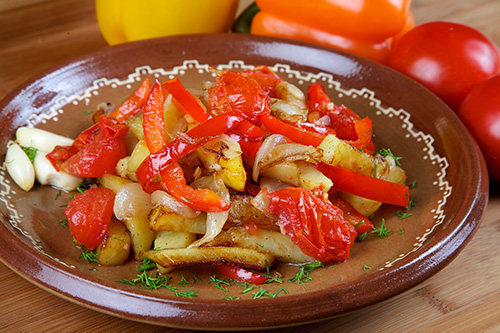
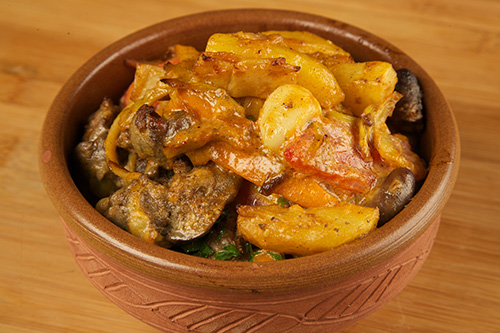
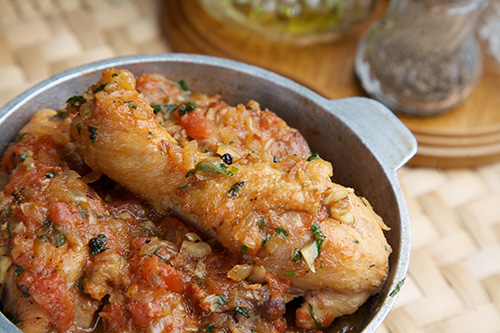
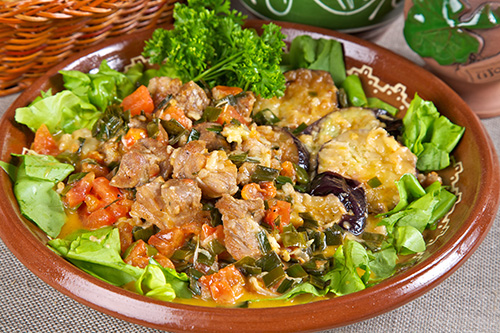
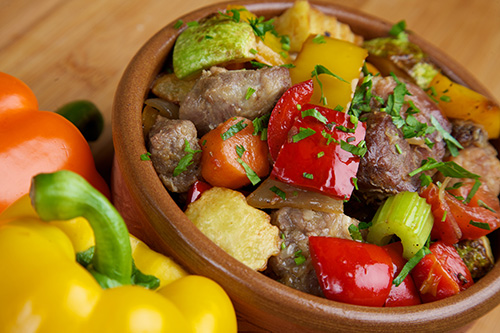
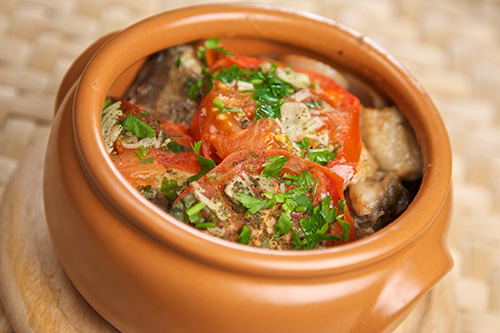
The most widespread vegetable dish is Givech , the so-called Moldovan vegetable stew .
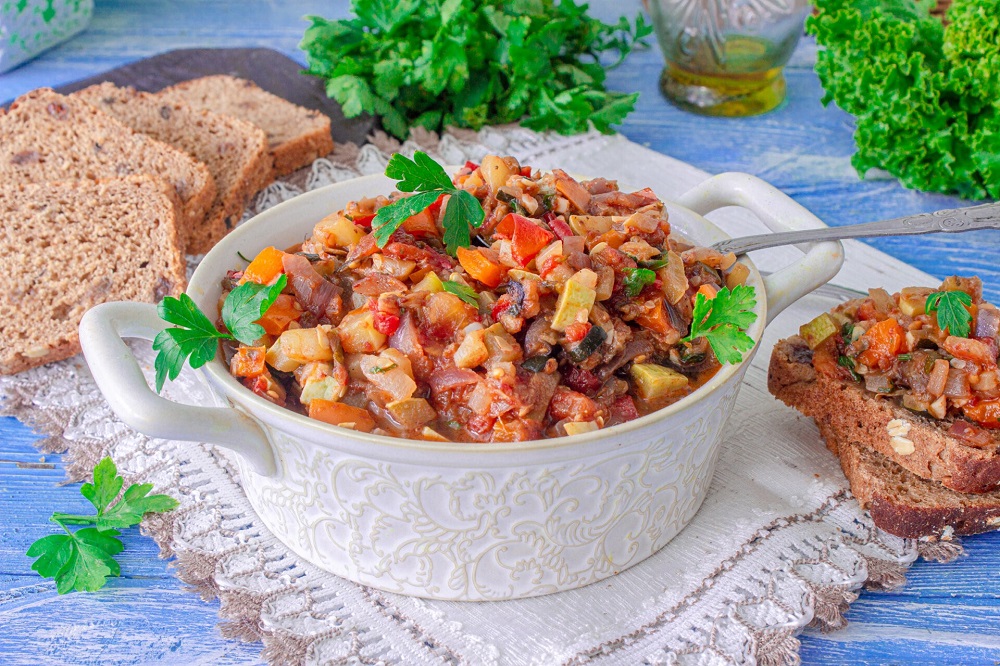
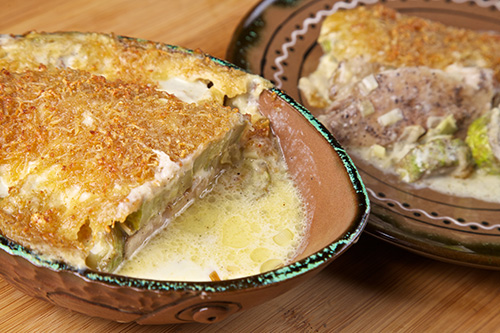
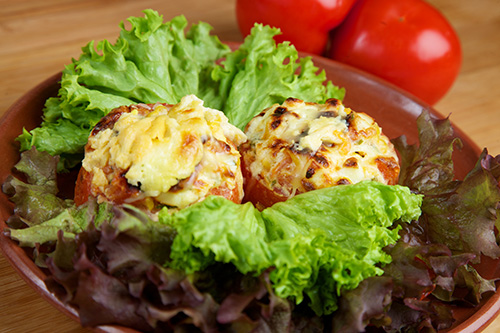
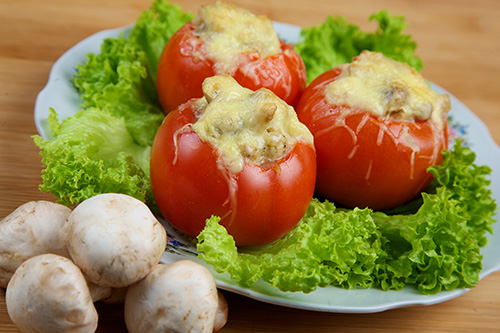
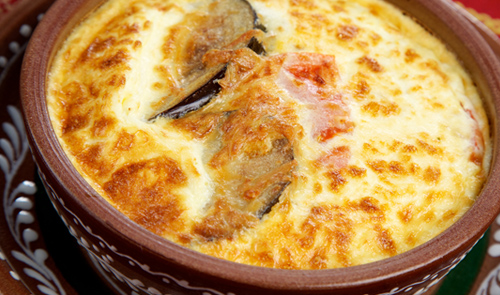
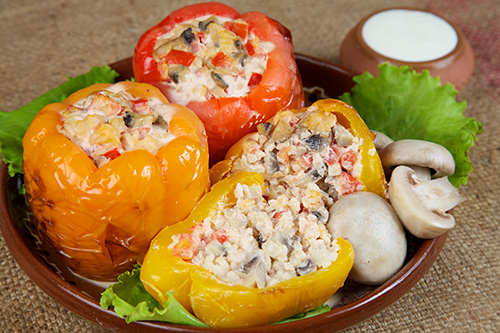
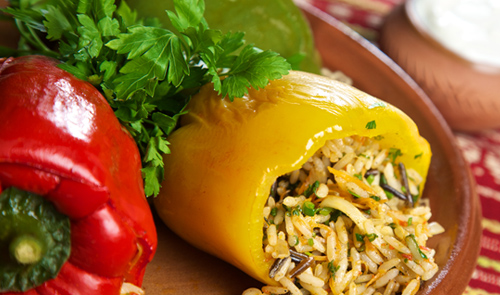
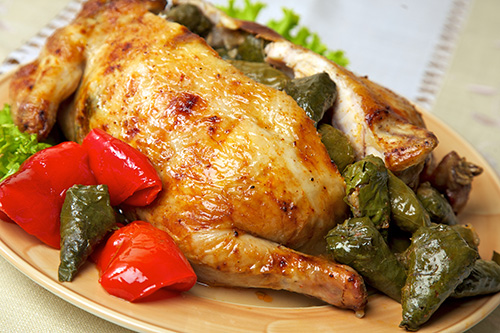
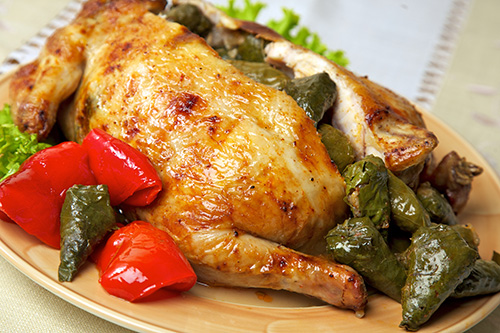
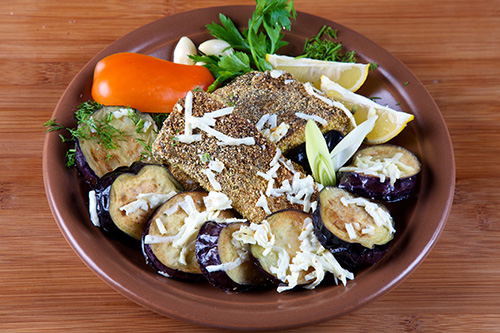
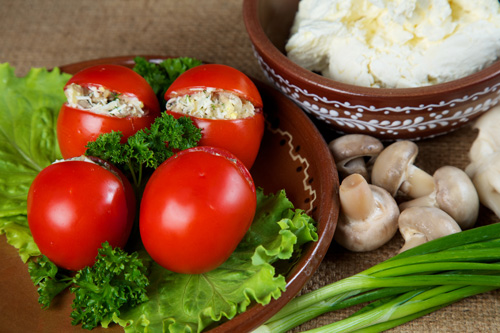
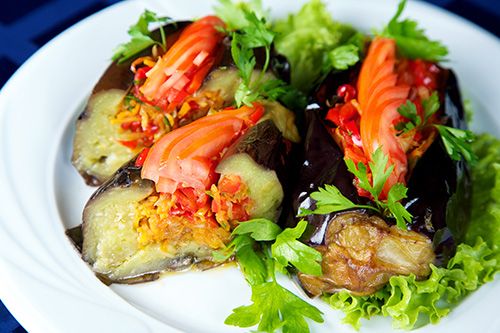
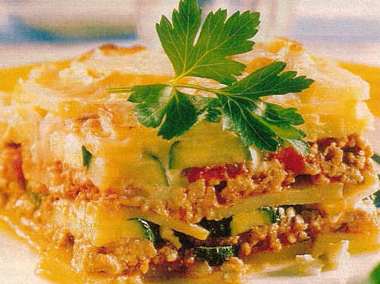
Legumes are often eaten pureed, whipped with onions and vegetable oil. Other vegetables, especially peppers, eggplants, and gogoshars, are typically stuffed either with other vegetables or with rice, vegetables, and meat. Vegetables are often served with sauces, marinades, and other condiments made with wine, sour cream, herbs, and spicy vegetables. Moldovan stews (givechi and moussaki) are renowned far beyond its borders for their delicious flavor. Feta cheese and sour cream are often added to these vegetable dishes.
Various greens, such as leeks (prazh) and celery, also play a significant role in Moldovan cuisine. They are used in large quantities not only as seasonings, but also as independent dishes.
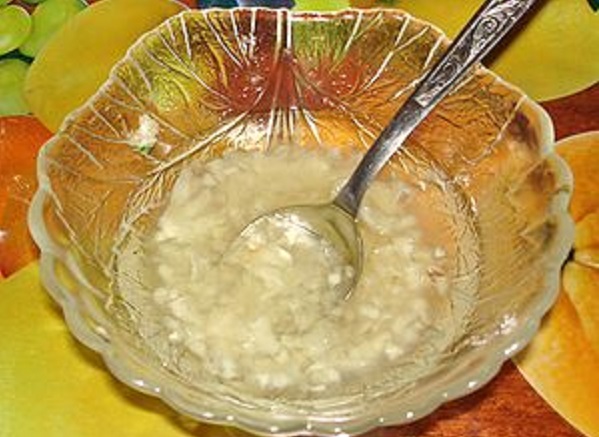
Garlic is widely used in Moldovan cuisine. This is due to both the history and beliefs of this region. Garlic is also widely consumed, forming the basis for two popular national Moldovan sauces— muzhdei and scordoli—and is also included in all meat and vegetable dishes, especially those made with legumes. In Moldovan folklore and beliefs, garlic is imbued with miraculous powers. In the past, in Moldova, with its hot summers and damp winters, it was a folk remedy used in conjunction with food.
Meat dishes
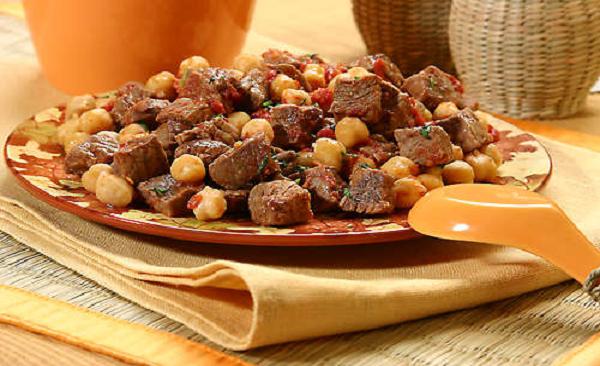
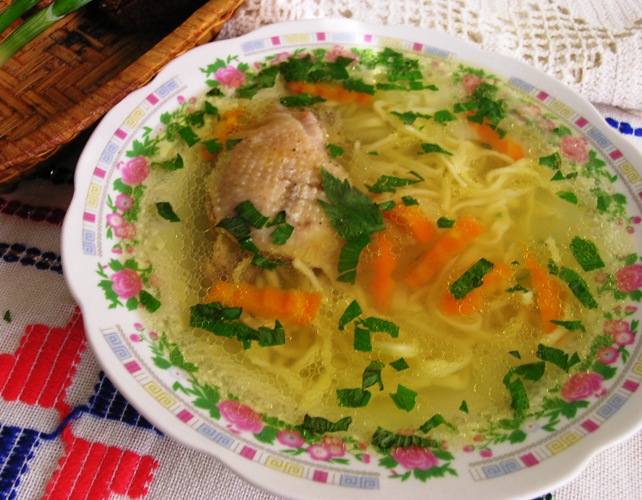
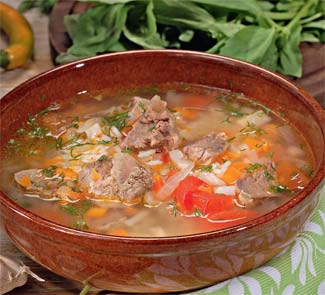
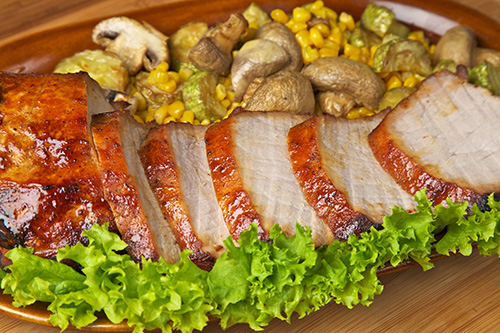
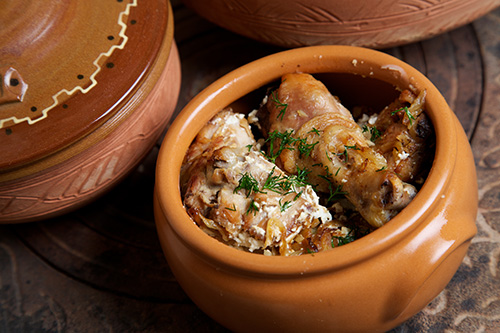
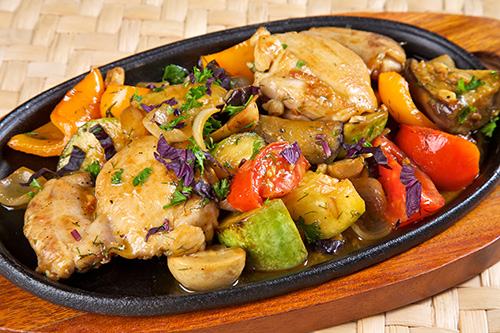
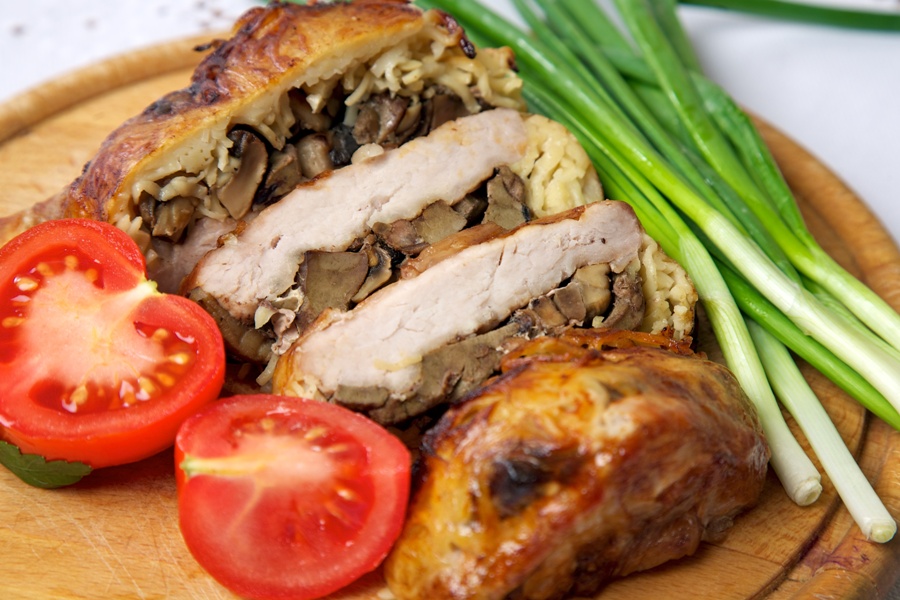
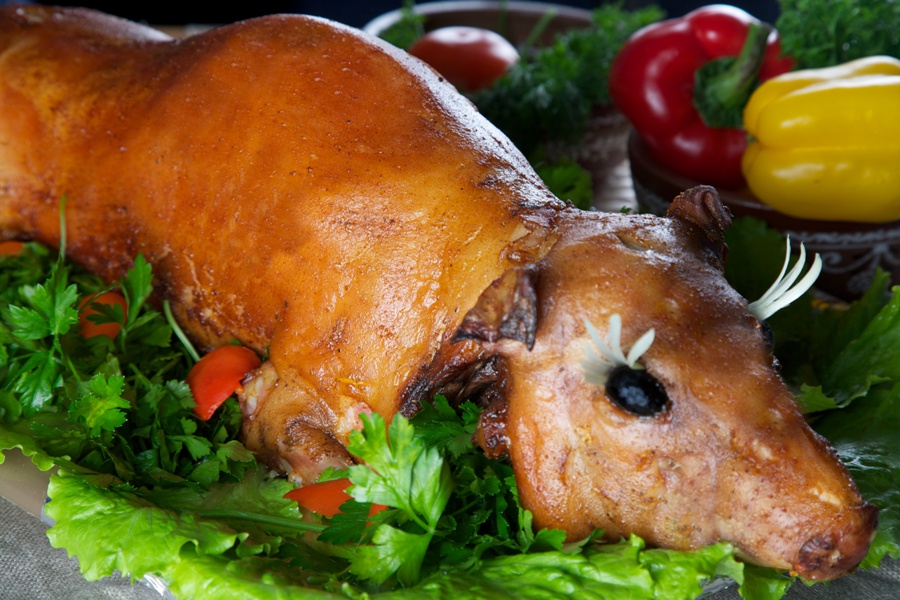
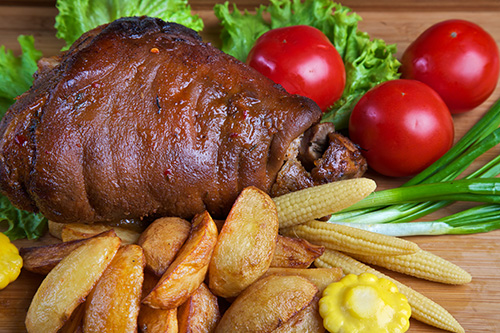
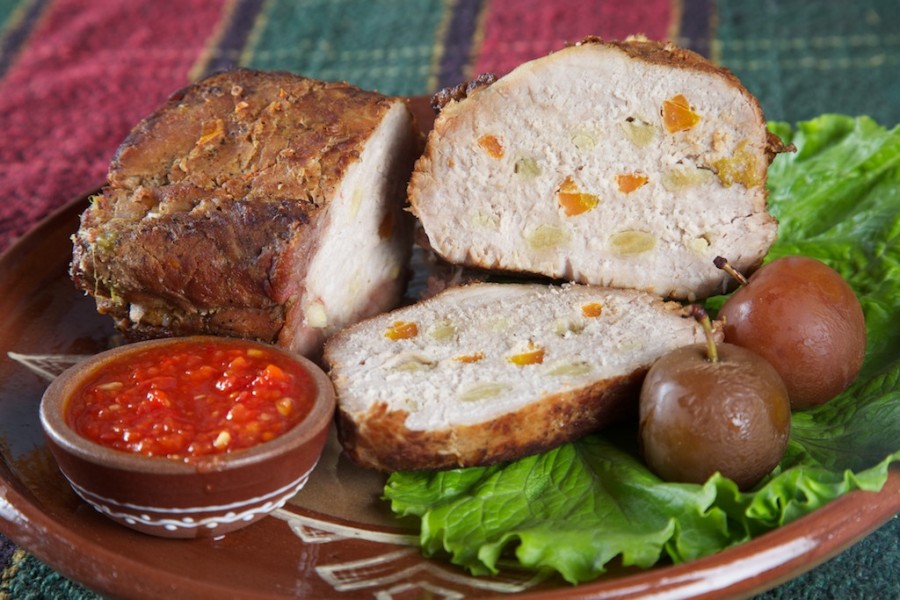
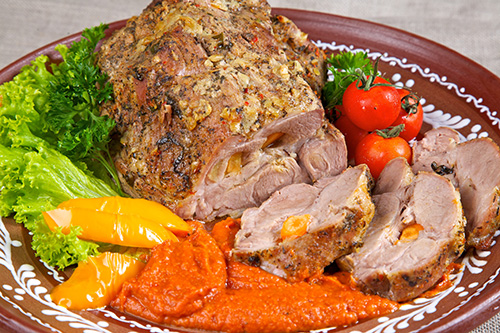
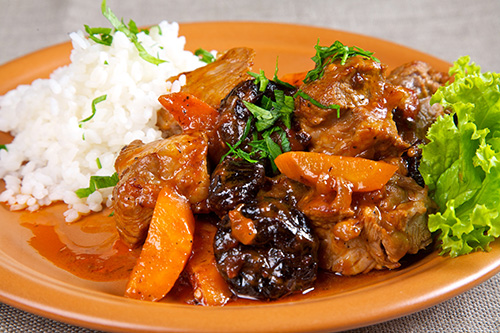
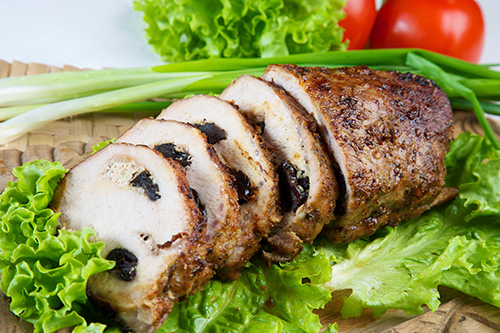
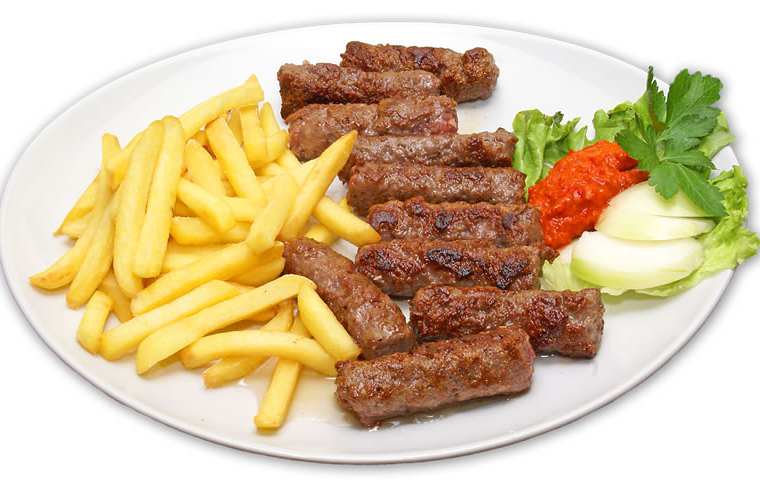
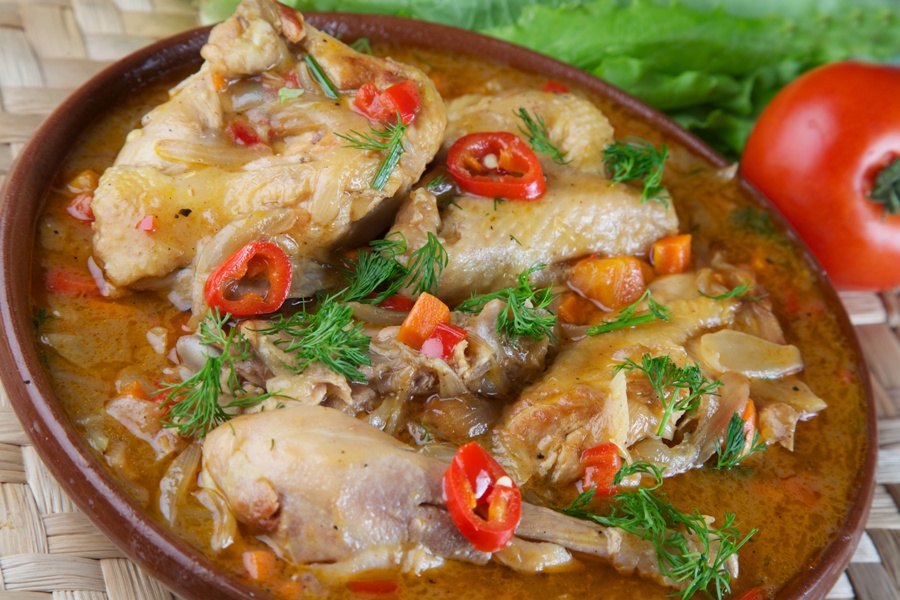
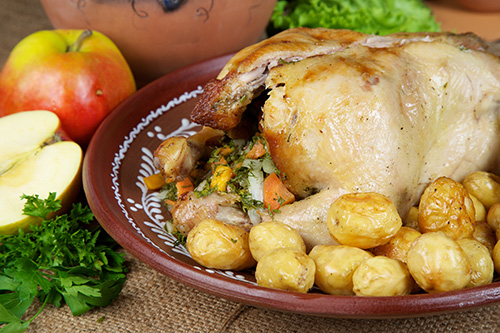
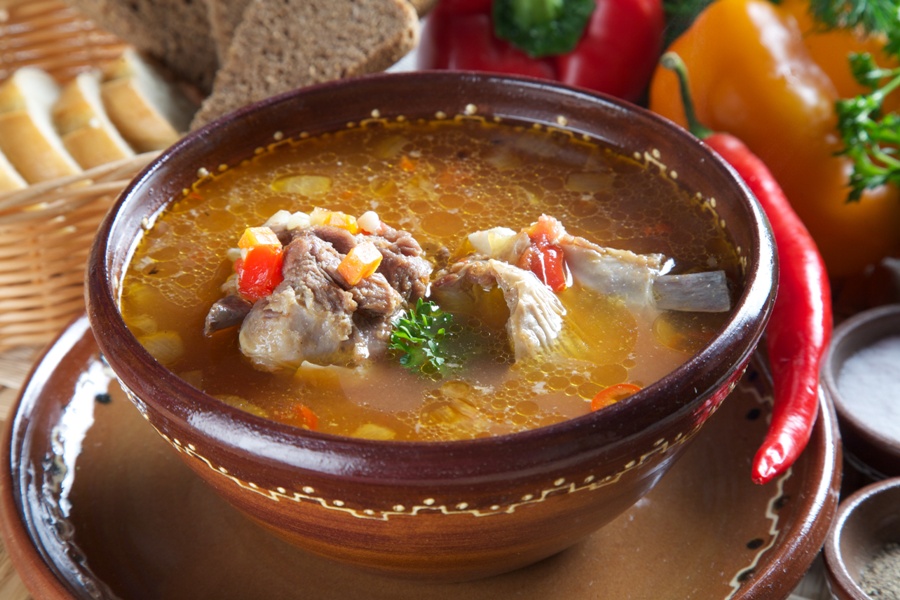
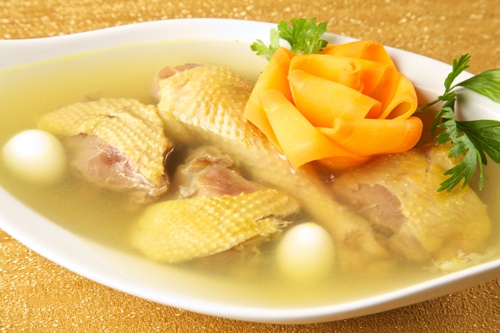
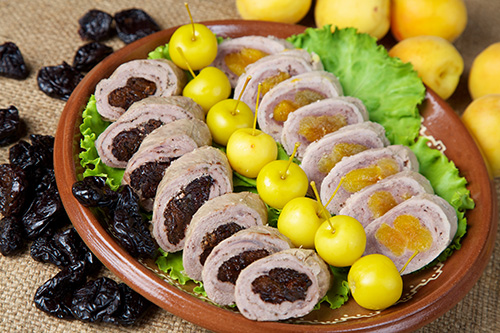
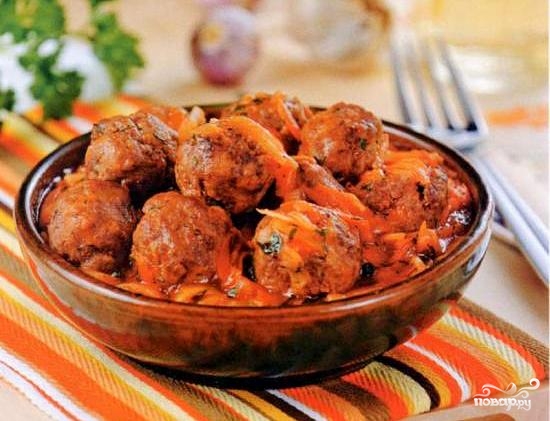
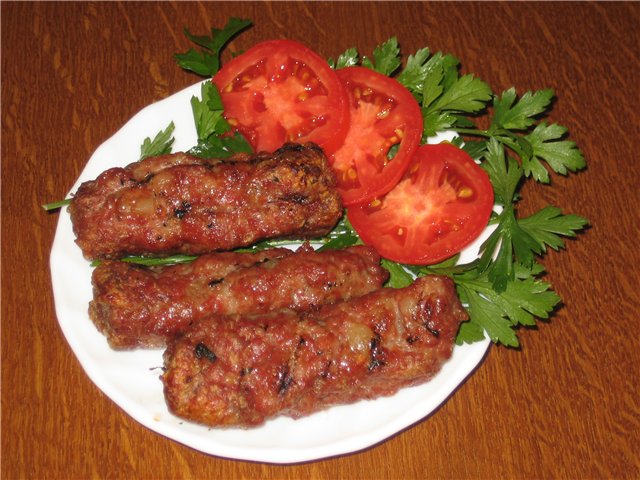
As noted above, Moldovan cuisine has also been influenced by the culinary customs of neighboring nations. This is easily seen in meat dishes. Moldovans use lamb (ciorba, givech, moussaka), pork (carneței, costita , mushka), beef (mititei), and poultry (zama) in equal quantities in their national dishes. A clear preference is given to young, tender meat from calves, lambs, young roosters, and chickens. All Moldovan meat dishes are always prepared with vegetables, with a much higher ratio of vegetables to meat, and also with fruit. All this makes Moldovan national cuisine also healthy!
A characteristic feature of Moldovan meat cuisine is its combination with various sauces, dry wine, and tomato juice. This gives the meat a special tenderness and at the same time adds a savory flavor, which links Moldovan cuisine with the cuisines of other Romance peoples.
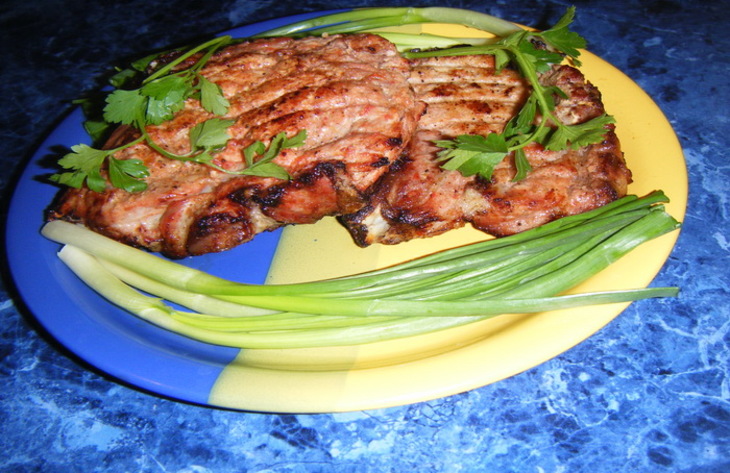
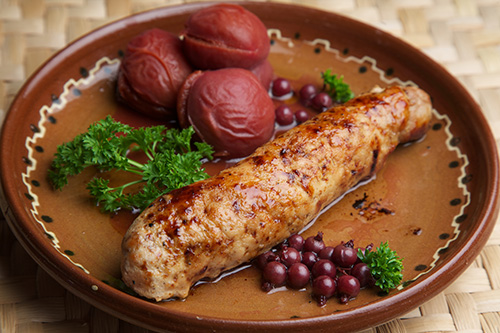
The use of an open fire and a grill is typical of the cooking technique for national meat dishes. The grill is first greased with butter, lard, or animal fat, and the meat or poultry is placed on it, either whole or chopped and then pressed (drob, mititei, kârnăti). An oven, rather than a stovetop fire, is usually used for braising. A description of traditional Moldovan cuisine would be incomplete without mentioning flour-based baked goods: placinte, kulich, paskha, vareniki, and others. Walnuts are widely popular.