It's hard to find another settlement in Moldova with such a rich and turbulent history. According to some sources, the village's history dates back over 900 years, but the official date of Rashkov's founding is 1402. The village was originally called Kalaur, and this name has been retained by the forest surrounding it.
Numerous excavations conducted over the years have revealed that people inhabited these areas as far back as antiquity, between 10,000 and 40,000 years ago. The remains of a Getic settlement dating back to the 4th and 3rd centuries BC have also been discovered near Rashkov.
In 1387, this territory became part of the Grand Duchy of Lithuania. Here, to protect the state's southern borders, Grand Duke Vitovt of Lithuania built the fortress of Kalaur (no longer standing). By 1402, it was already listed among the towns and castles that were part of the Grand Duchy of Lithuania. Rashkov itself arose as a village adjacent to the fortress.
In 1569, after the unification of Poland and Lithuania into the Polish-Lithuanian Commonwealth, Rashkov was part of the Bratslav County of the Bratslav Voivodeship, part of the Lesser Poland Province of the Polish Crown (the so-called Lesser Poland). By the late 16th century, the Rashkov settlement had grown so large that Kalaur became merely a suburb of Rashkov. At this time, Hetman Jan Zamoyski acquired Rashkov, among other vast estates in Transnistria. In 1617, the Kalaur fortress and Rashkov were voluntarily burned by the Poles to appease the Turks, who, in concluding a treaty with Hetman Zholkiewski, demanded the abolition of the border fortresses, citing that they served as dens from which Cossacks launched raids on Turkish lands.
The settlement of Rashkov was rebuilt around 1646 and was then mentioned as "a strong fortress on the border of the deserted steppe."
In 1648, as a result of the victories of the Ukrainian Hetman Bohdan Khmelnytsky over the Poles in the battles of Zhovti Vody and Korsun, a significant part of Ukraine was liberated. The villages of Kamenka and Rashkov became part of the Bratslav Regiment.
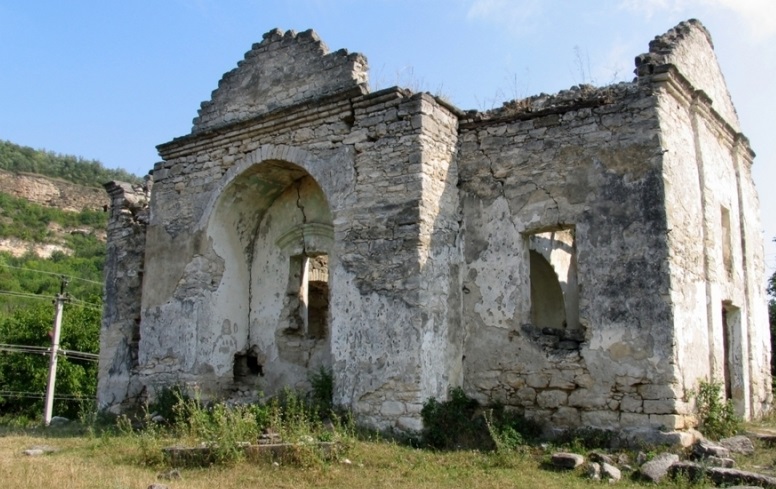
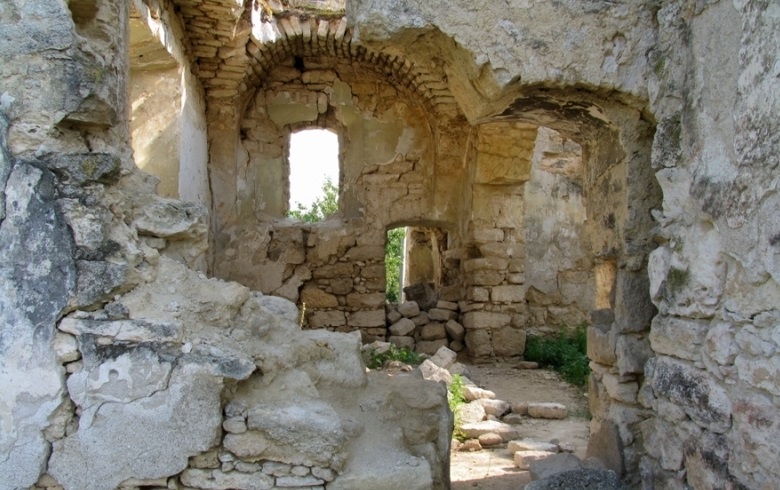
The union of Hetmanate Ukraine and Moldova that emerged at that time was cemented by the marriage of Tymofiy Khmelnytsky to Ruxanda, daughter of the Moldavian ruler Vasile Lupu, in Iași on August 21, 1652. It is known that after her wedding to Tymofiy Khmelnytsky, Ruxanda left for Raškiv. However, in September 1653, Tymofiy Khmelnytsky was mortally wounded near Suceava. Following the death of his son, Bohdan Khmelnytsky gave Raškiv to Ruxanda, Tymofiy's widow, who settled in Raškiv after her husband's death and lived there for 13 years. According to legend, a spring called "Panska Krynytsia" arose from the tears of Ruxanda's grief. It is located near the ruins of an ancient synagogue. According to legend, the water from this spring is said to cure love misfortunes.
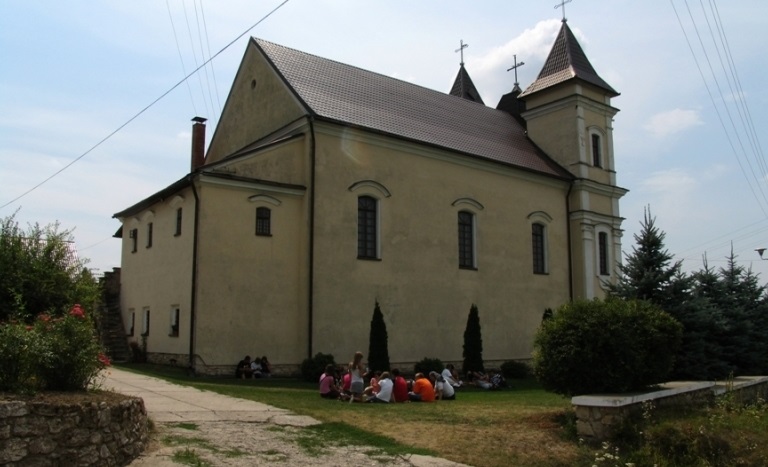
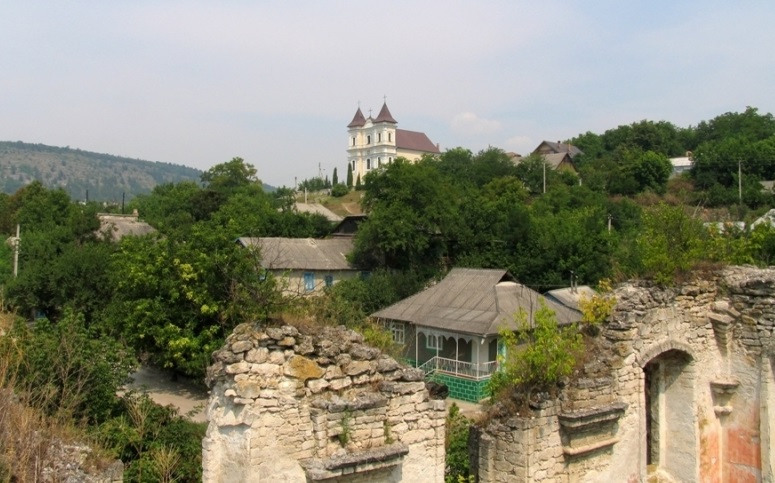
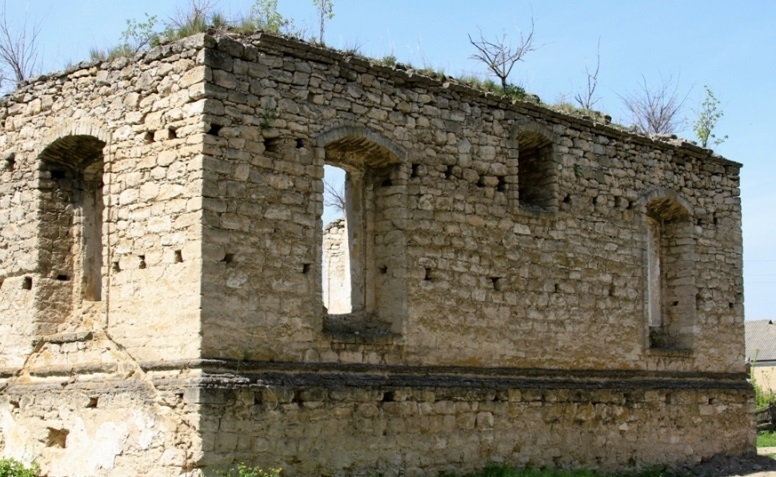
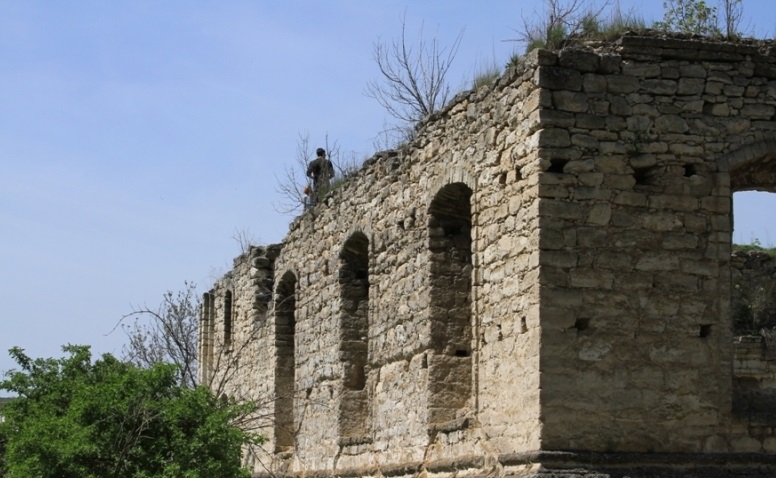
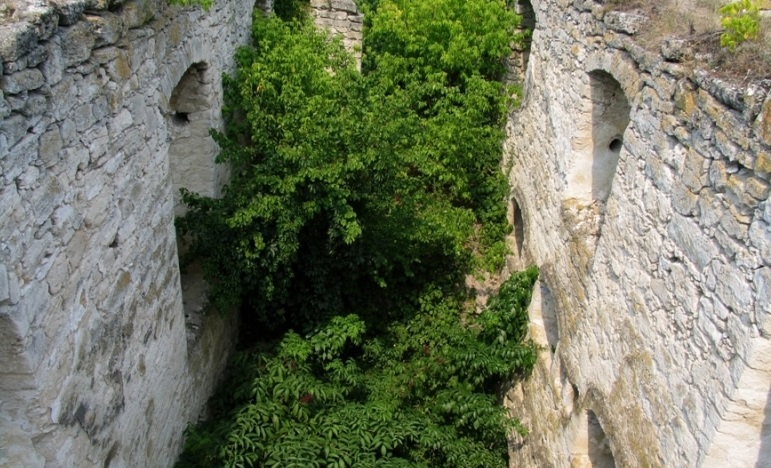
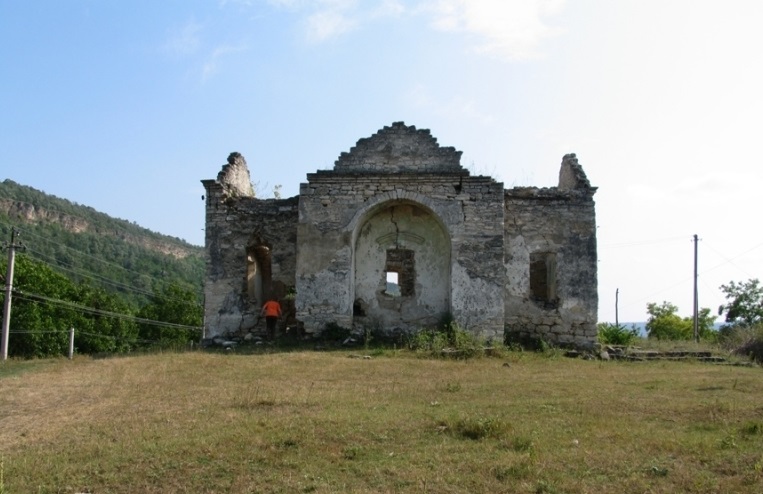
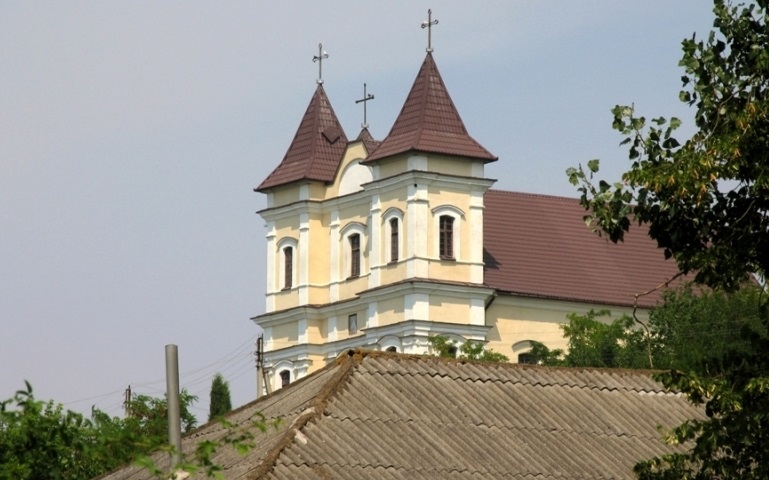
Rashkiv was a significant trading post, conveniently located on the region's main trade and transportation artery—the Dniester River—at a key crossing. Fairs and market days were regularly held in the town. Large quantities of building materials arrived at the Rashkiv pier every month. Residents of Rashkiv actively traded timber, agricultural products (especially wine), and handicrafts. They also purchased roofing tiles, agricultural implements, and household goods from outside the region. Steam mills, a tobacco factory, distilleries, wine cellars, and sawmills were in operation since the 1860s. At one time, Rashkiv had seven churches, including a Catholic church and a synagogue. Currently, the village houses the Orthodox Holy Trinity Church (1779) and the Church of St. Cajetan (1749). The ruins of the Orthodox Church of the Intercession (1740) and the largest Synagogue in Moldova (mid-18th century) have been preserved.
Rashkiv has always been a multi-ethnic settlement, with residents including Ukrainians, Armenians, Jews, Moldovans, and Russians. According to the 2003 census, the village had approximately 2,000 residents, almost half of whom were of retirement age.
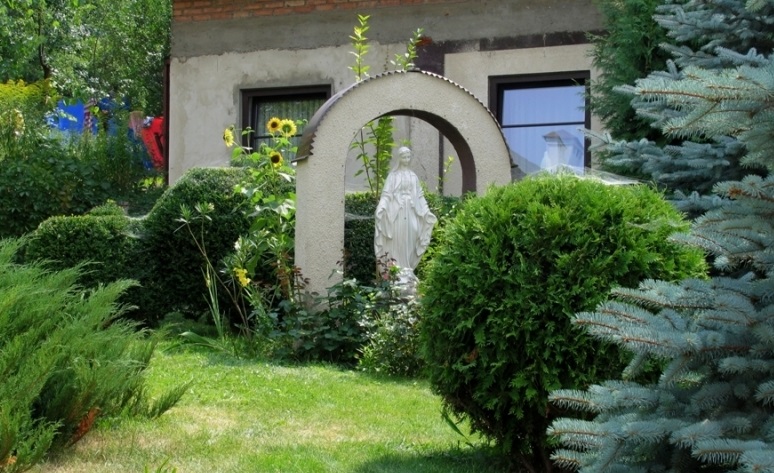
The village houses a museum dedicated to the Hero of the Soviet Union, F. Zharchinsky. During one of our trips to Raşkov, we met a village elder, Ustin Rysya, who liberated Chisinau from the Nazi invaders in 1944. You'll see his photographs in the album. Ustin is now over 80 years old; he was still alive in 2009.
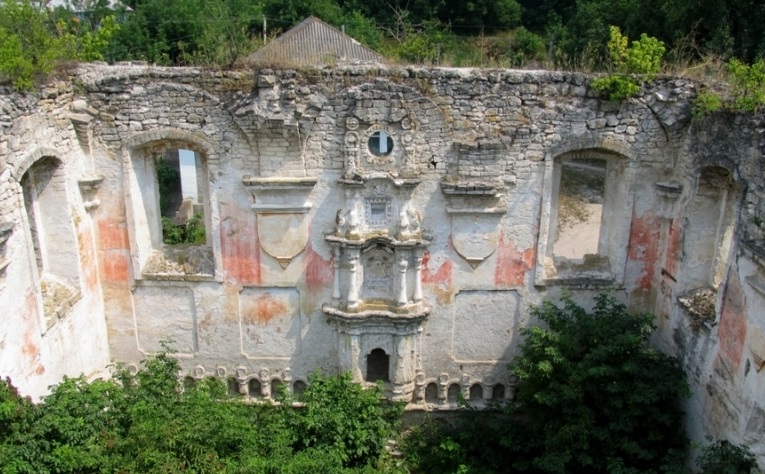
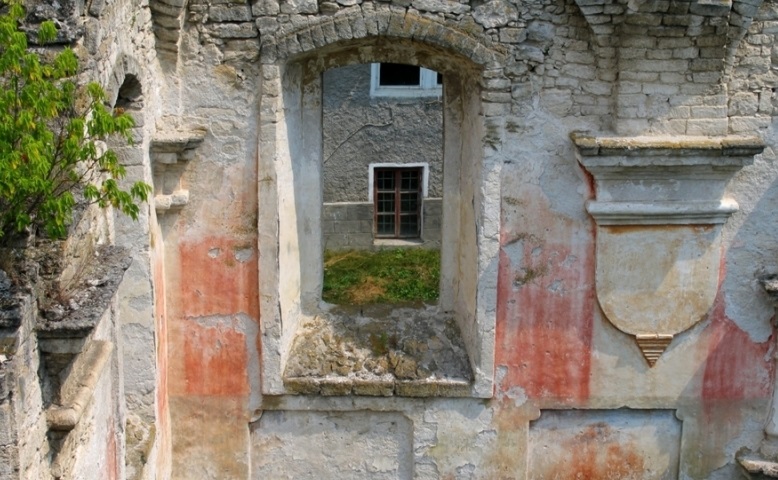
Today, Rashkov is famous for its natural attractions. Mount Krasnaya, located above it, is subject to constant landslides and avalanches caused by heavy rains and earthquakes. The western part of this mountain is a nature reserve. Several karst sinkholes are located here, giving rise to a huge fissure—5 meters wide and 50 meters deep. The fissure extends for 570 meters and ends in a 40-meter-deep sinkhole. This sinkhole formed on July 14, 1941, after several hours of heavy rain. Since the entire mountain is riddled with karst caves, wells, and fissures, the water and clay that entered them eroded and pushed away part of the limestone body, and the added weight completed the process of rock subsidence.
As you climb the path to the sinkhole, you pass bizarre sculptural groups carved into the limestone by wind and water: camel heads, sphinxes, mushrooms, and tables line the narrow path. Above these formations, a natural suspension bridge (the Devil's Bridge) is visible, and below lies a solitary rock, nicknamed the Devil's Finger, a favorite among tourists for its impressive views of the village, the Dniester, the surrounding cliffs, and the forest. In 1963, a group of cavers descended into the crevice and walked approximately 250 meters along its rock-strewn bottom, which was in places covered by reddish-brown Etulin clays. Ice and snow lay in the crevice's many side branches. These accumulations of snow and ice feed the Panska Krynytsya spring.
The vegetation in this area is extremely rich. "The forest, which almost completely covers the slopes and valley floor, is made up of oak groves of common and sessile oaks, with an admixture of ash, linden, hornbeam, and maple. Solitary Magaleb cherry trees can be found among the exposed rocks. As if from a fairy tale, stand gnarled 80- to 100-year-old oaks surrounded by shrubs and dogwood trees, the slender trunks of young maples, or mature wild pears. The rich undergrowth paints the landscape crimson in autumn.
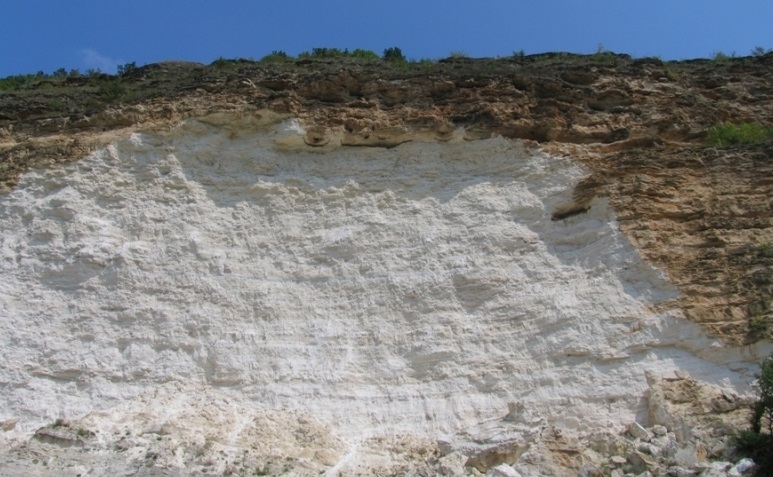
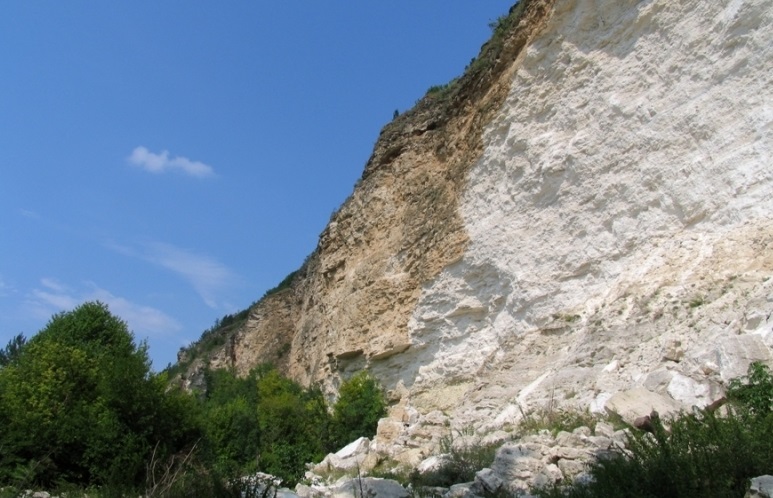
Red smoke tree leaves frame grayish or rusty blocks of dense limestone, while barberry leaves turn pink on the cliffs, and the golden-yellow, lacy crown of a maple tree gleams. On either side of the path winding down the slope, grow carnations, bellflowers, cornflowers, and chicory, with patches of strawberry fields. In the vicinity of Rascov, there are two protected landscape areas: the Deep Valley and Valea-Adinca. (From V. Verina's book "Natural Monuments of Moldova")
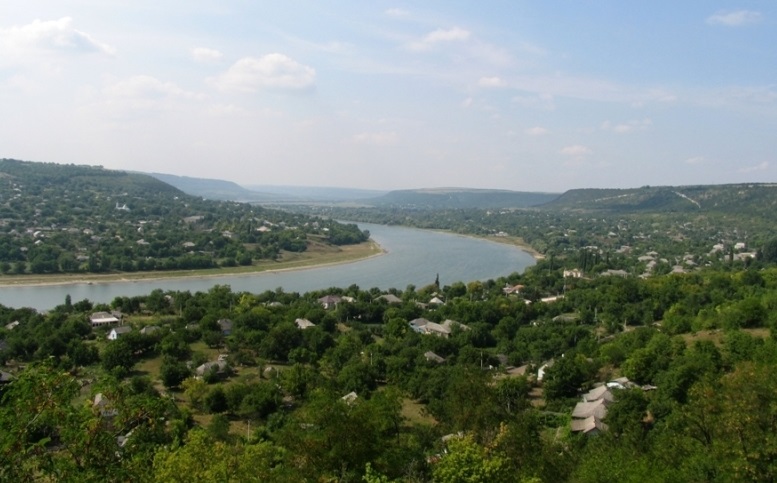
To fully appreciate the beauty and uniqueness of these places, it's not enough to just stroll through Rascov and its surroundings. You also need to view it from the opposite bank of the Dniester, where the village of Vadu lui Rascov is located. From here, you can get a more complete impression of this unique natural and historical monument. We hope the photographs presented here will at least partially convince you of this.
Book now!
If you want to book right now, simply fill out the CONTACT FORM and send it to us. We will contact you or help you contact the tourist attraction of your choice.
ANY MORE QUESTIONS?
If you have any more questions or your own opinion, you can share it by writing to us at