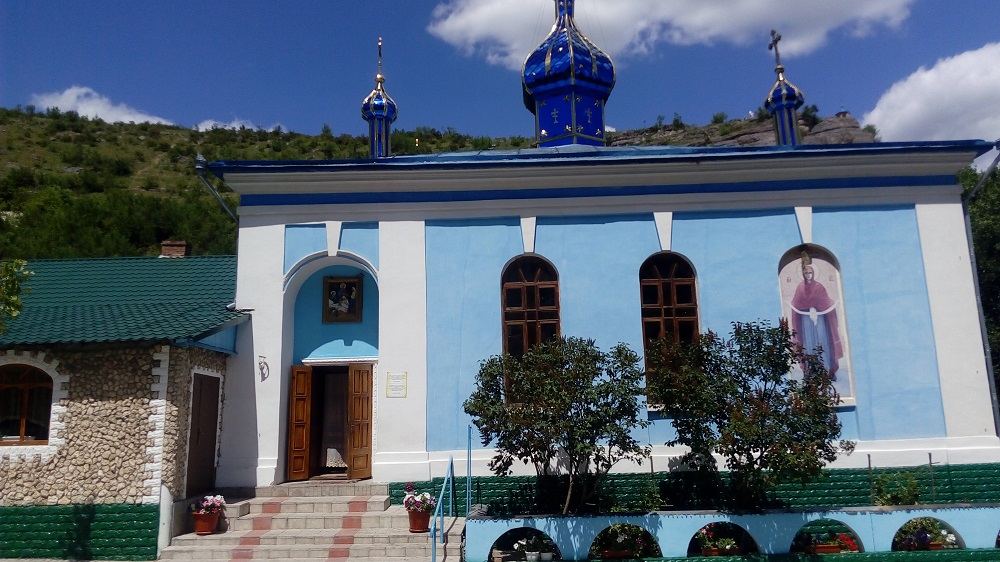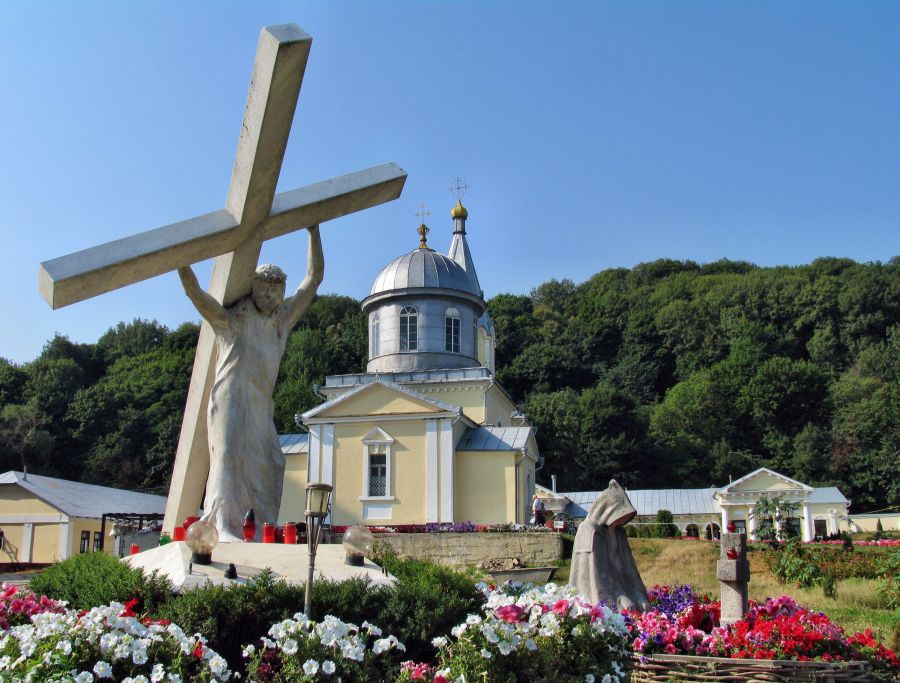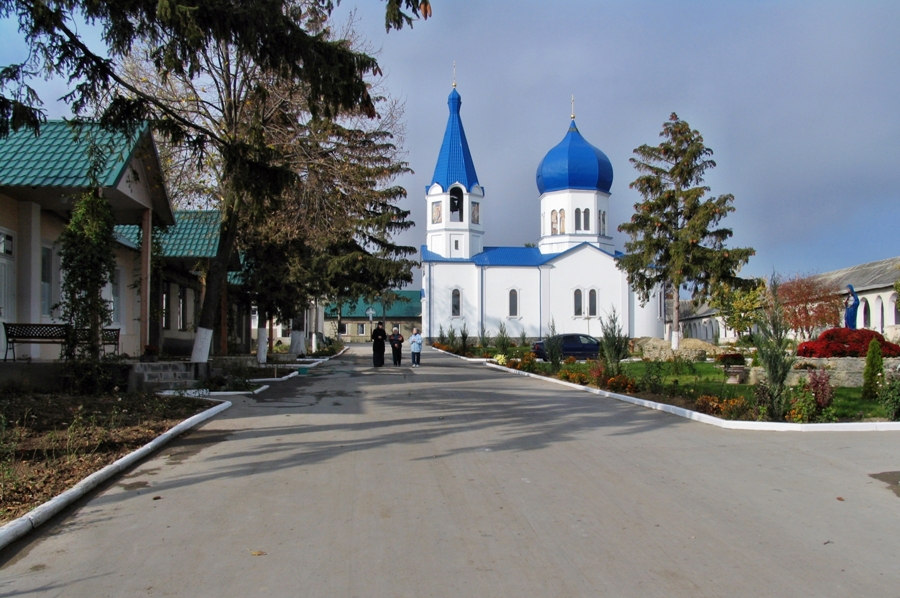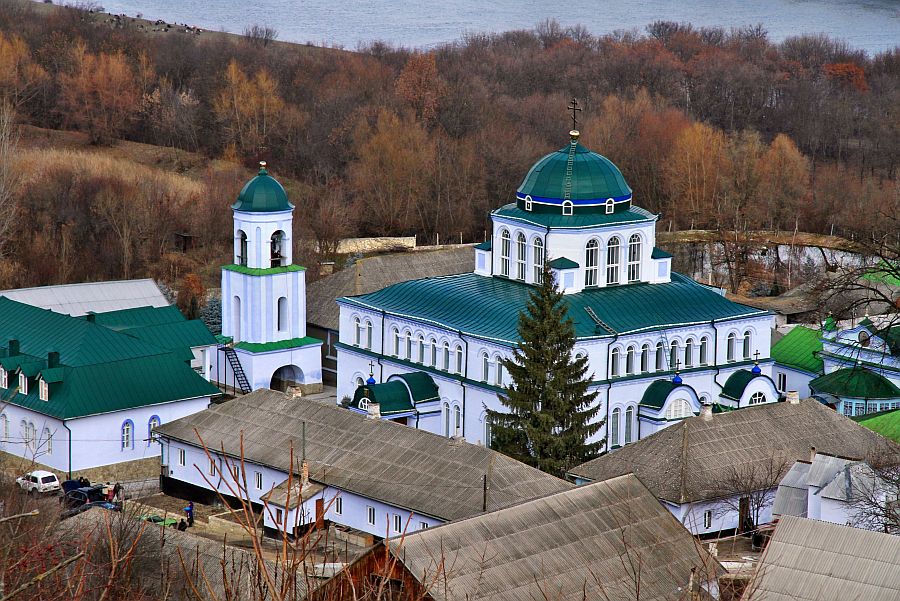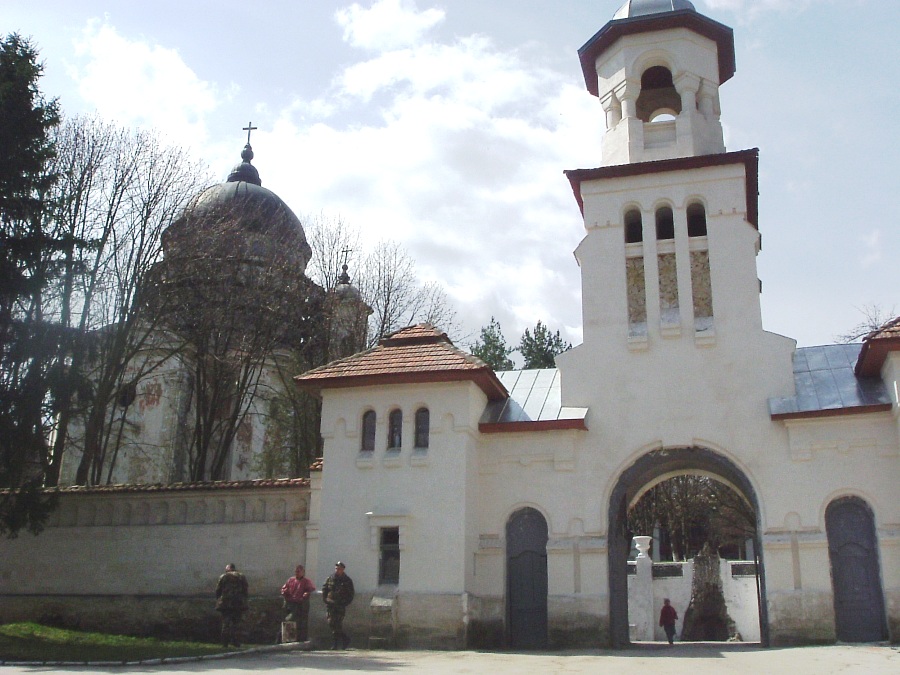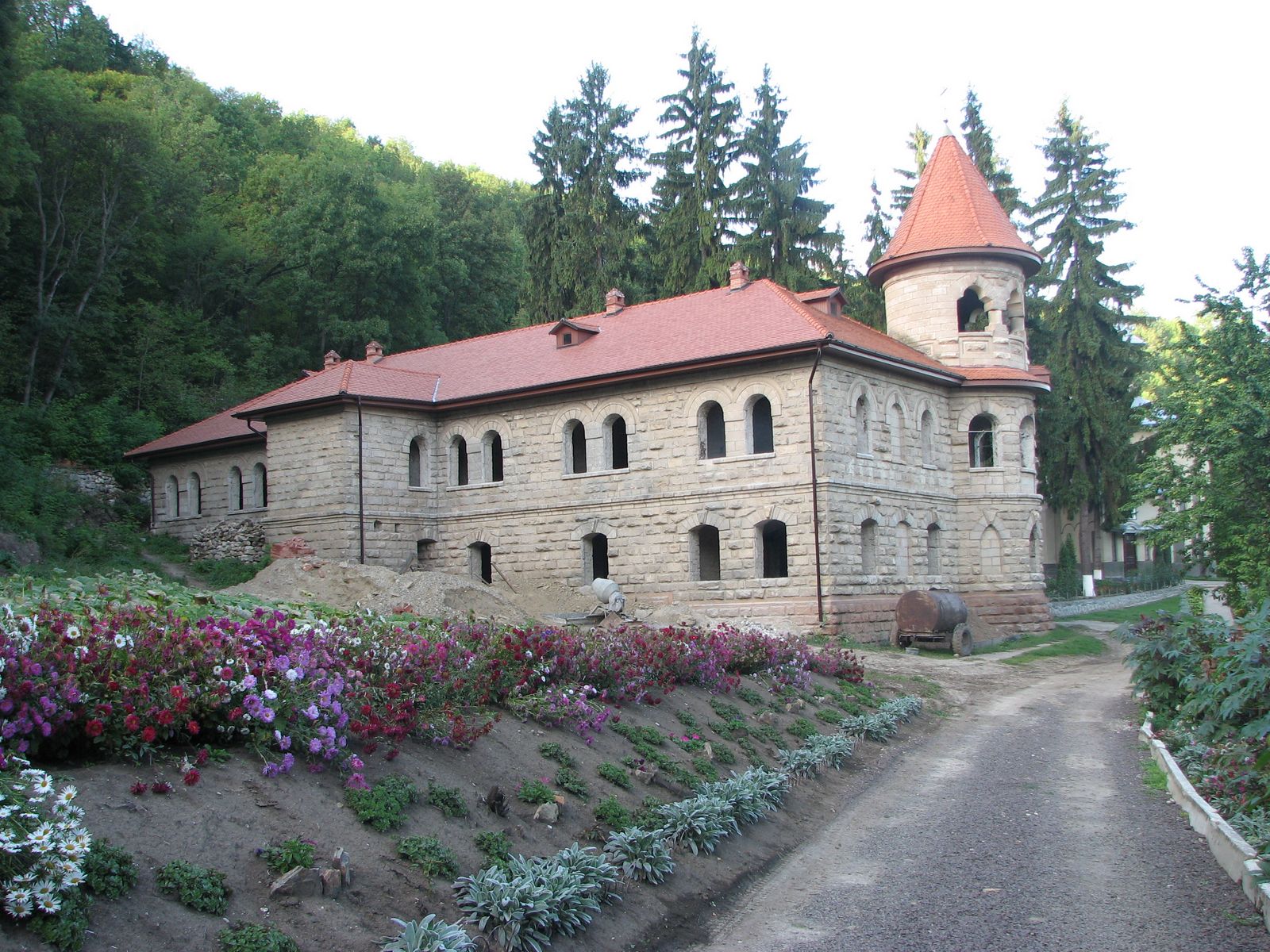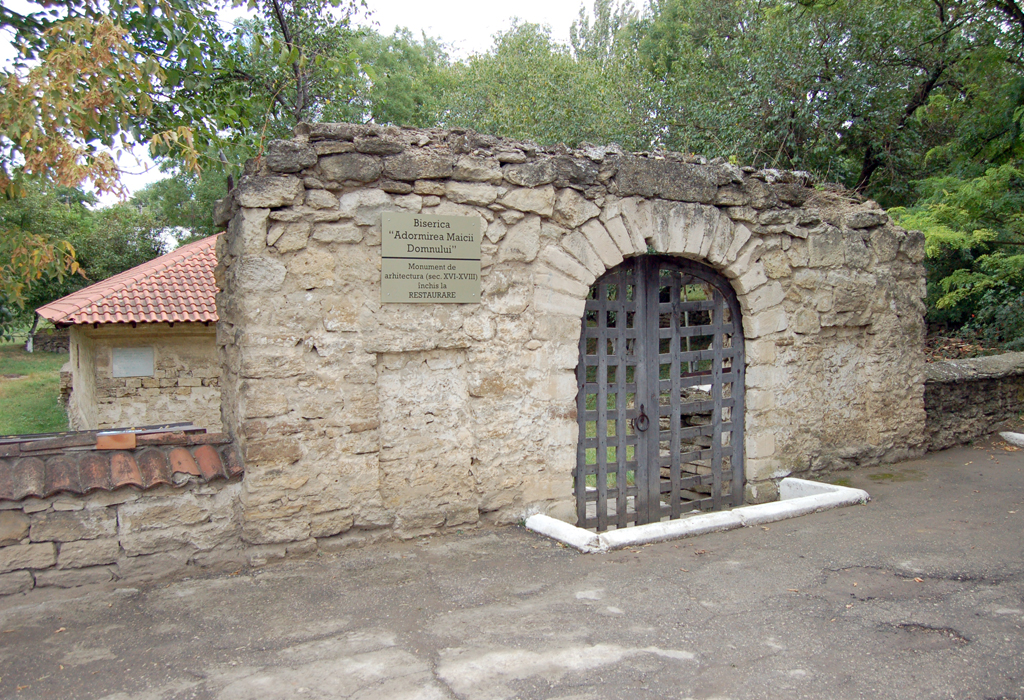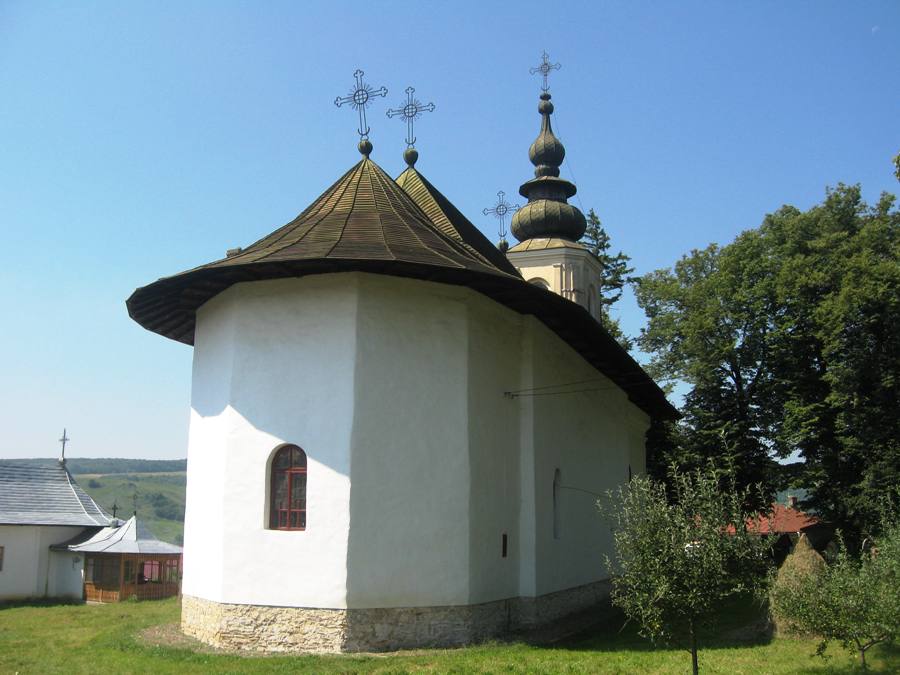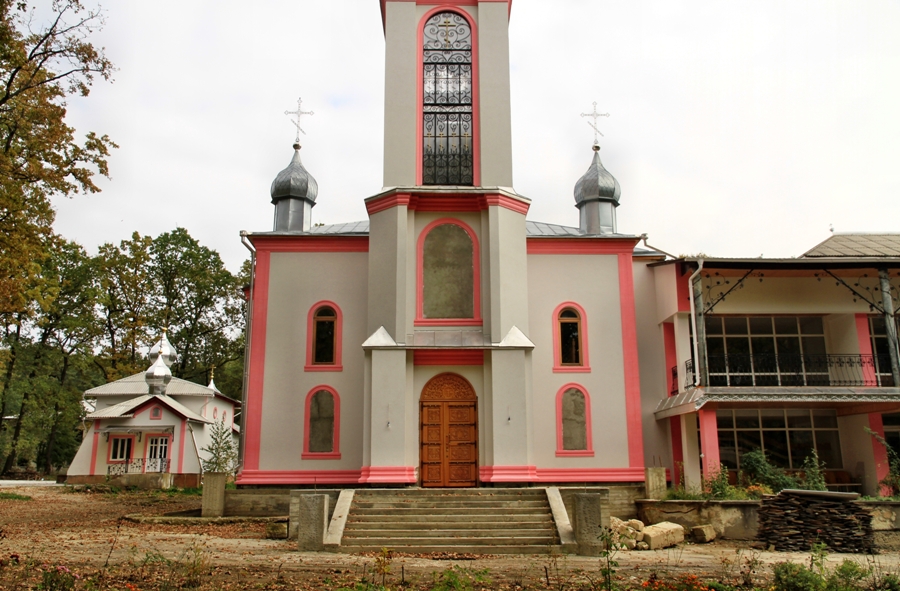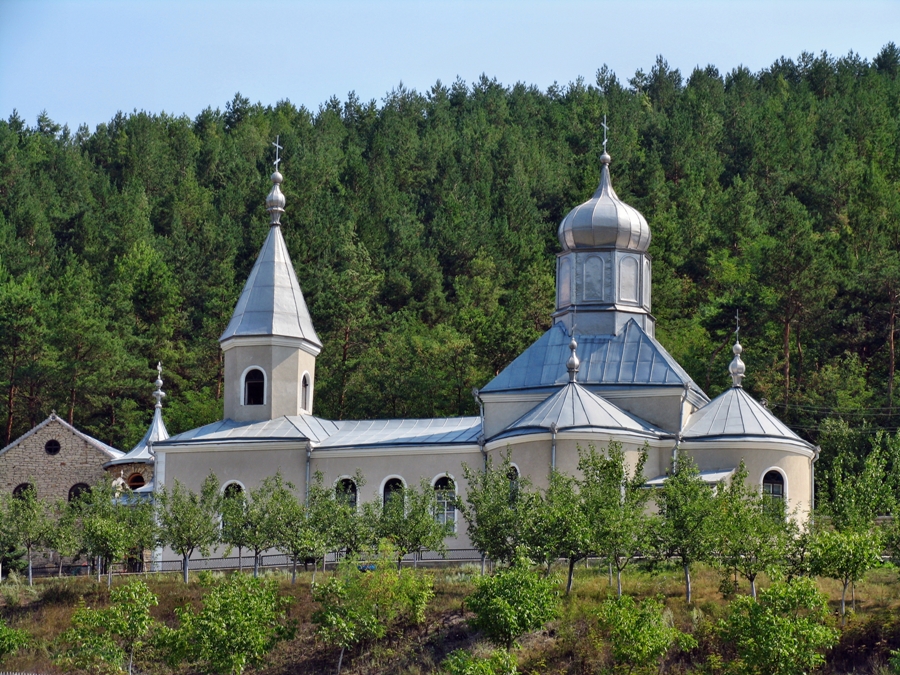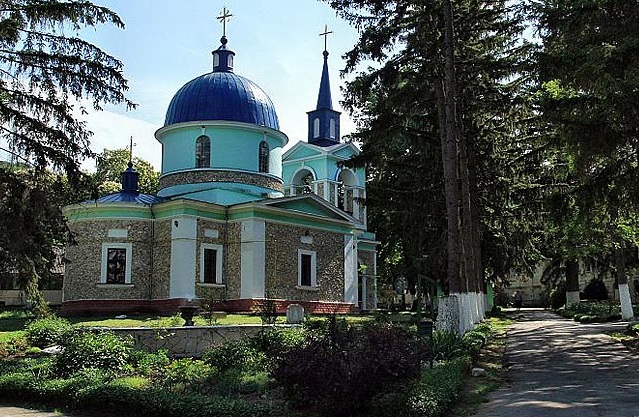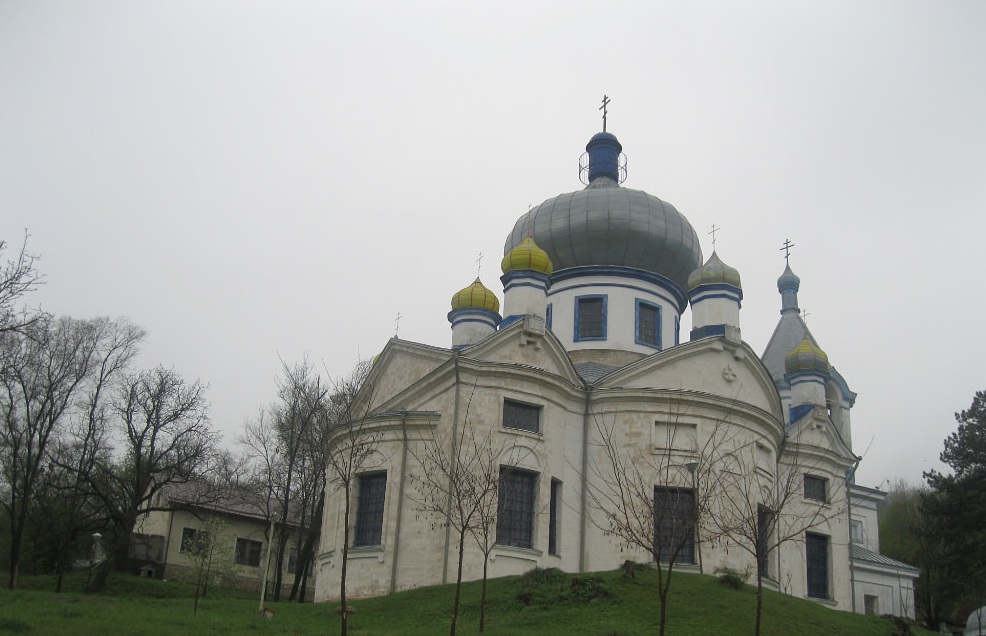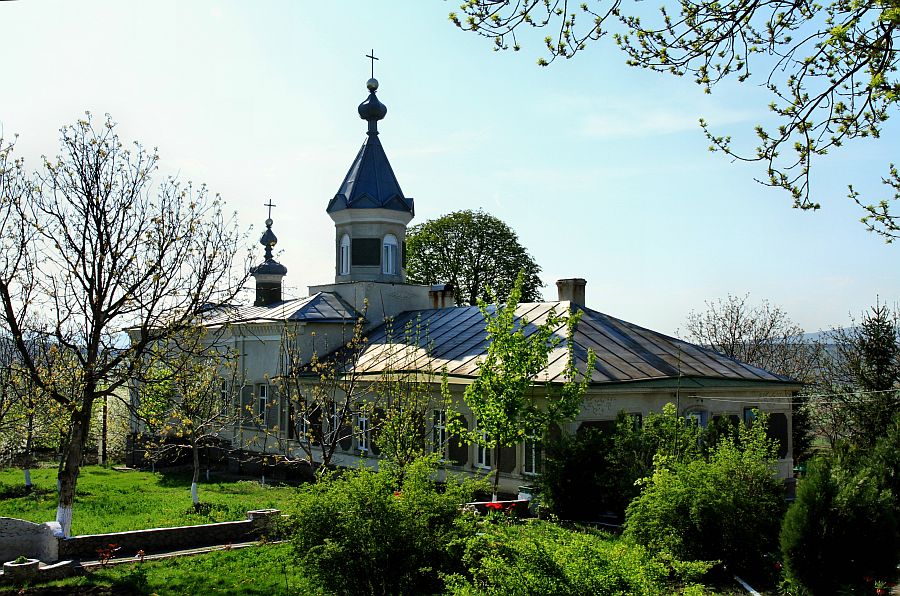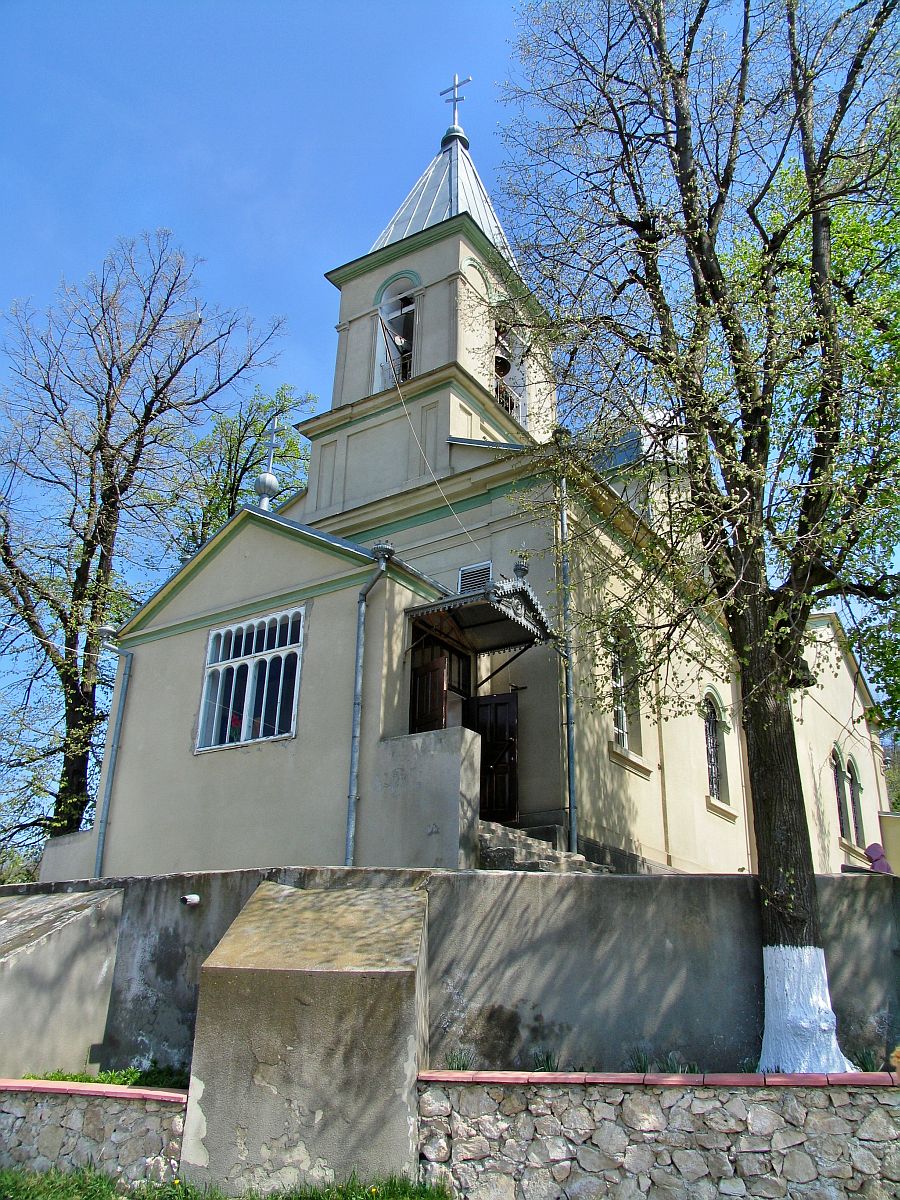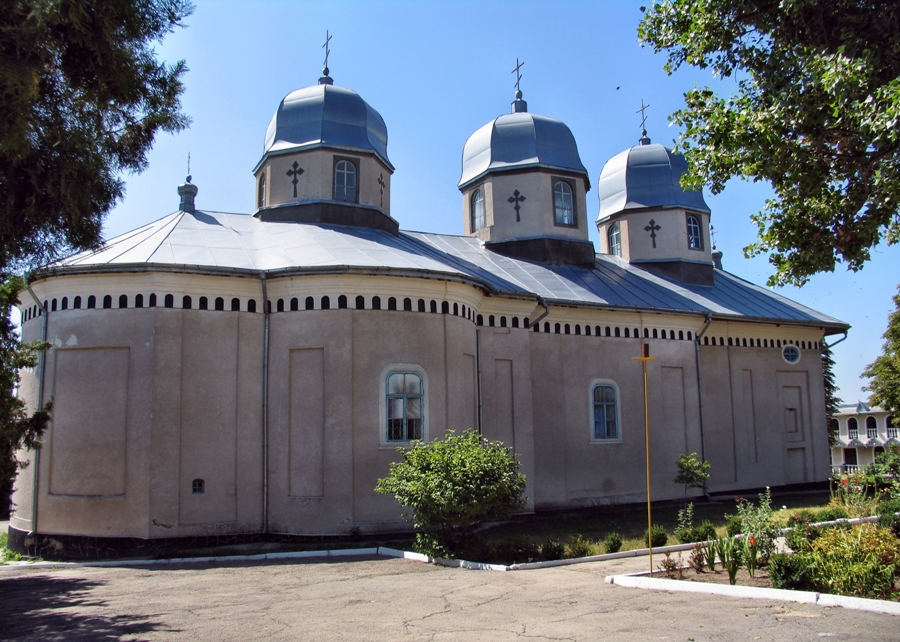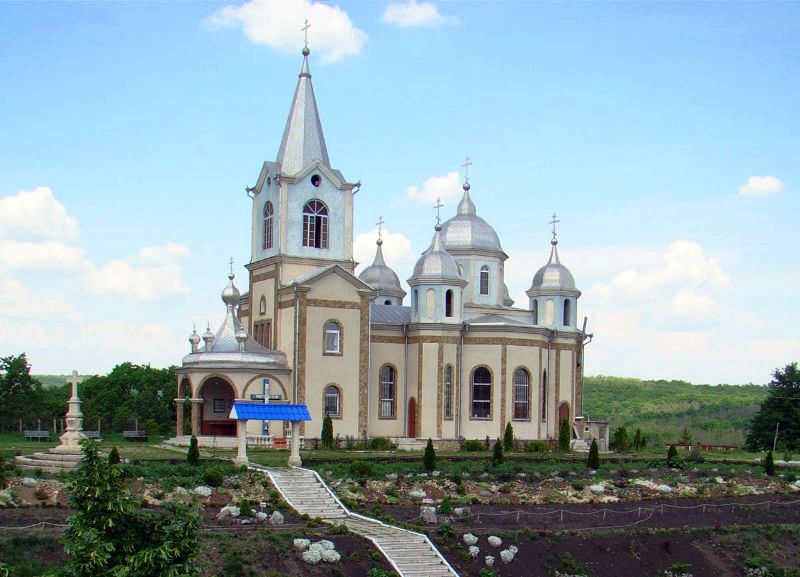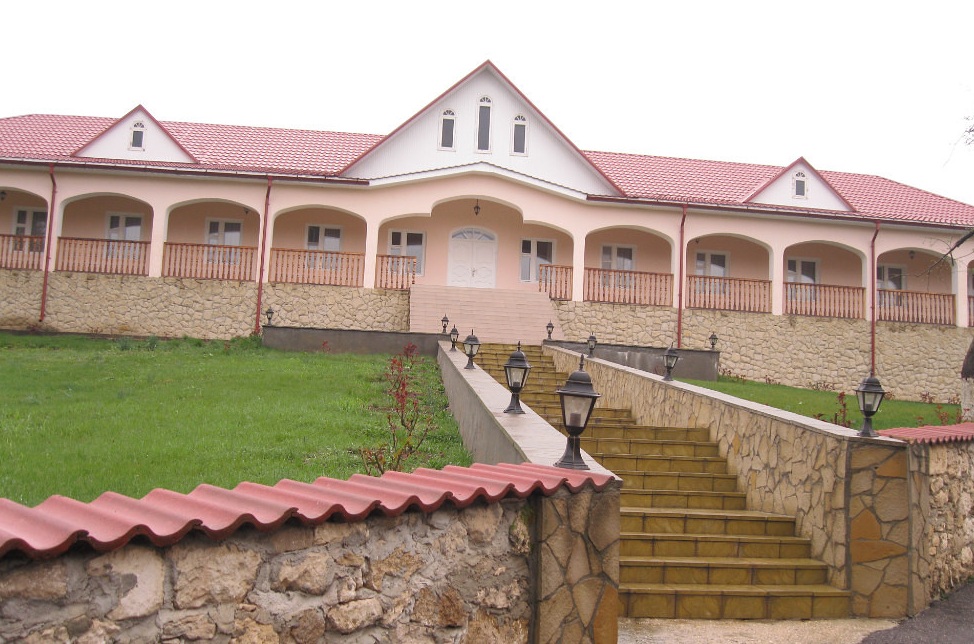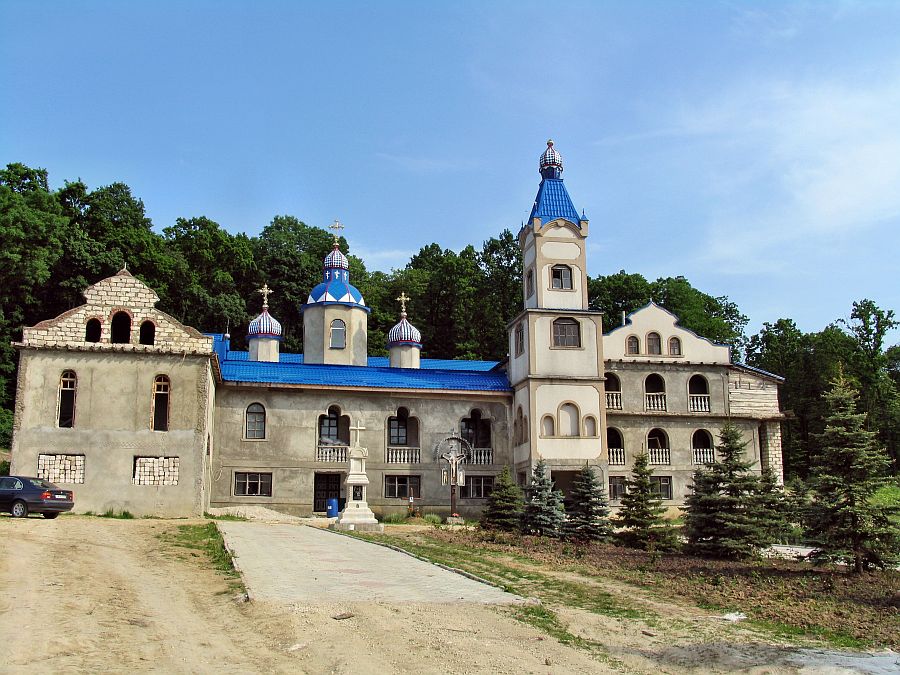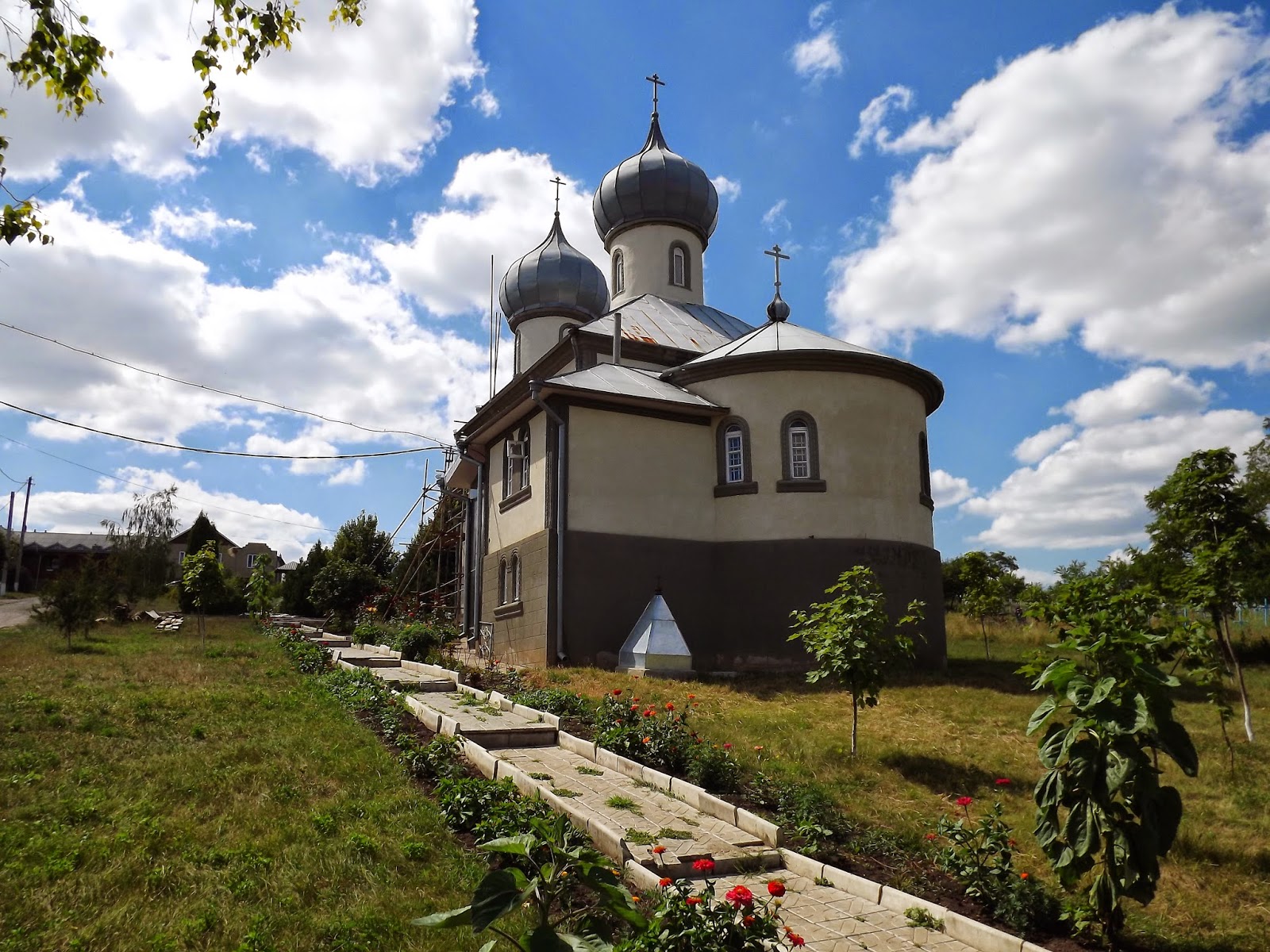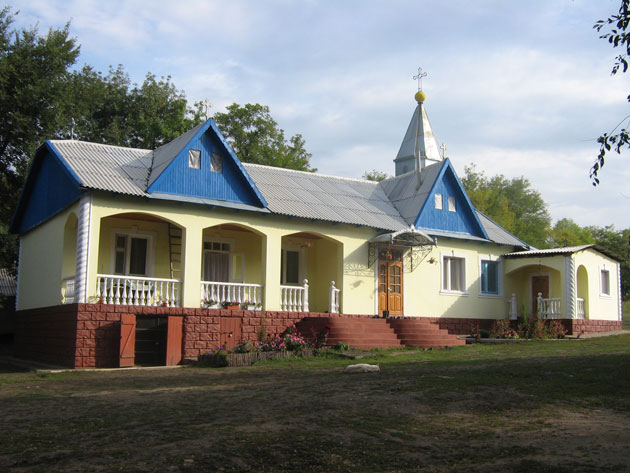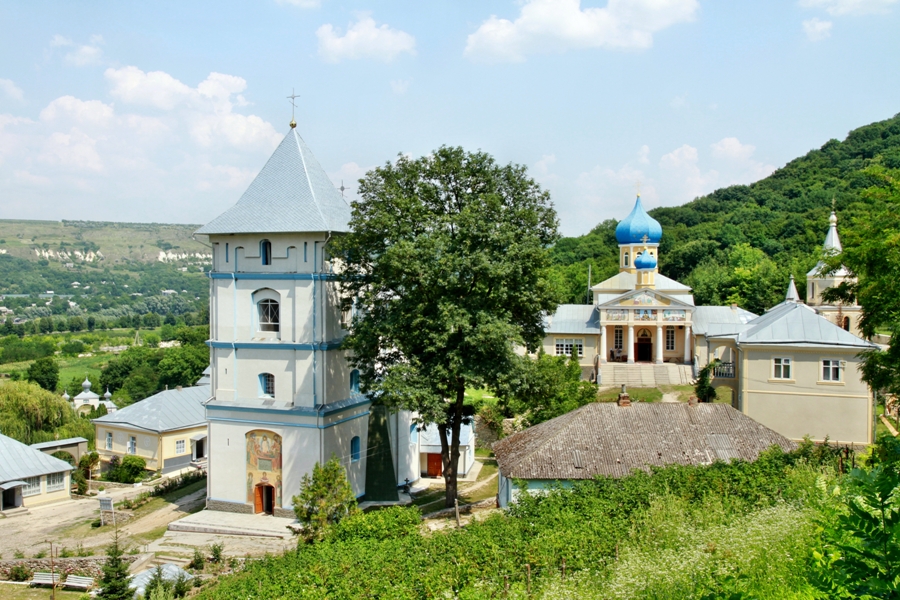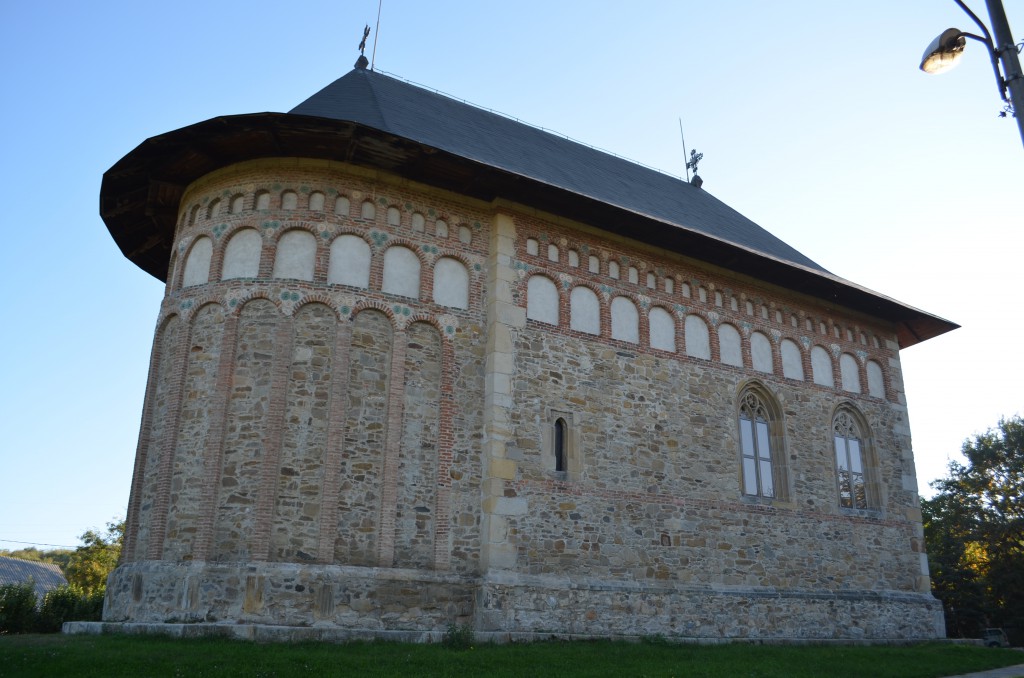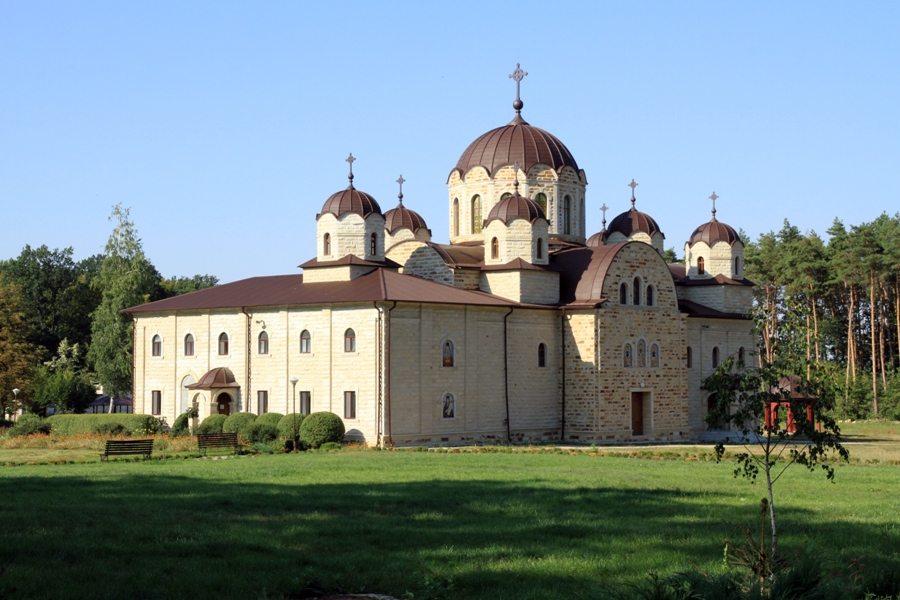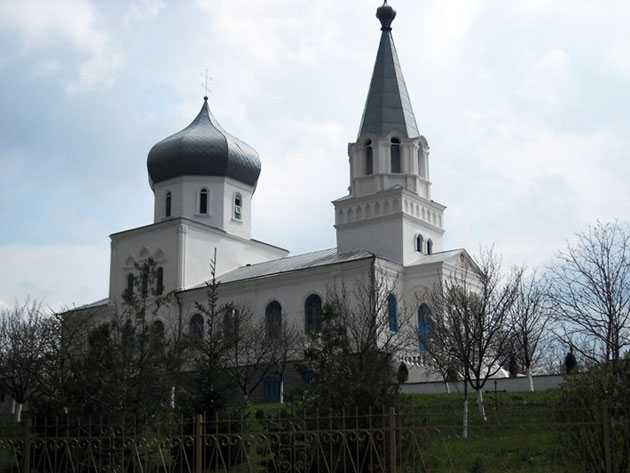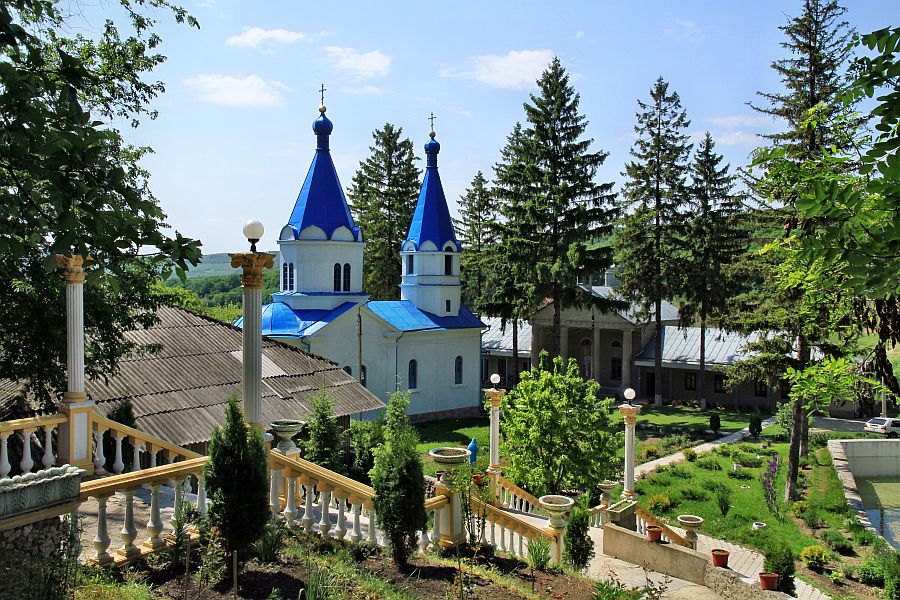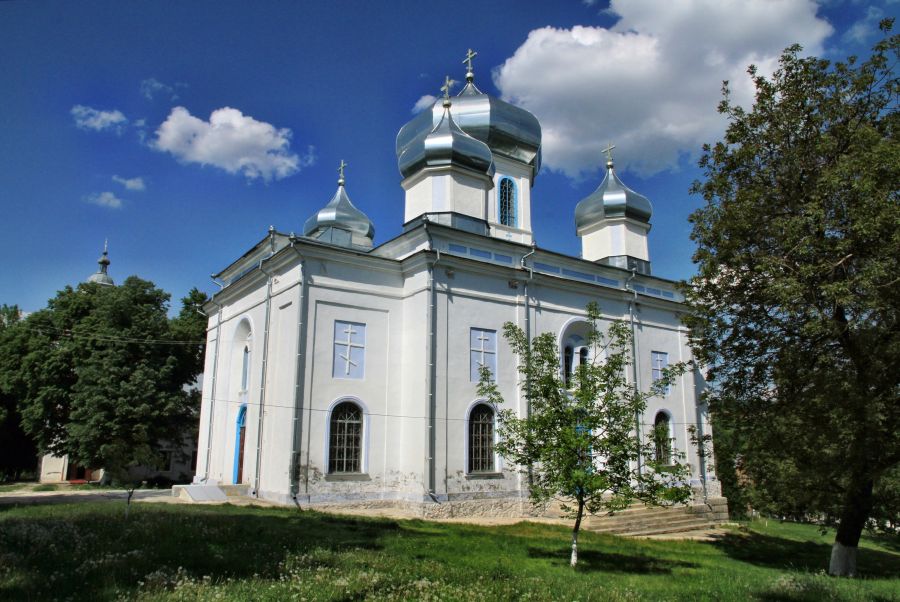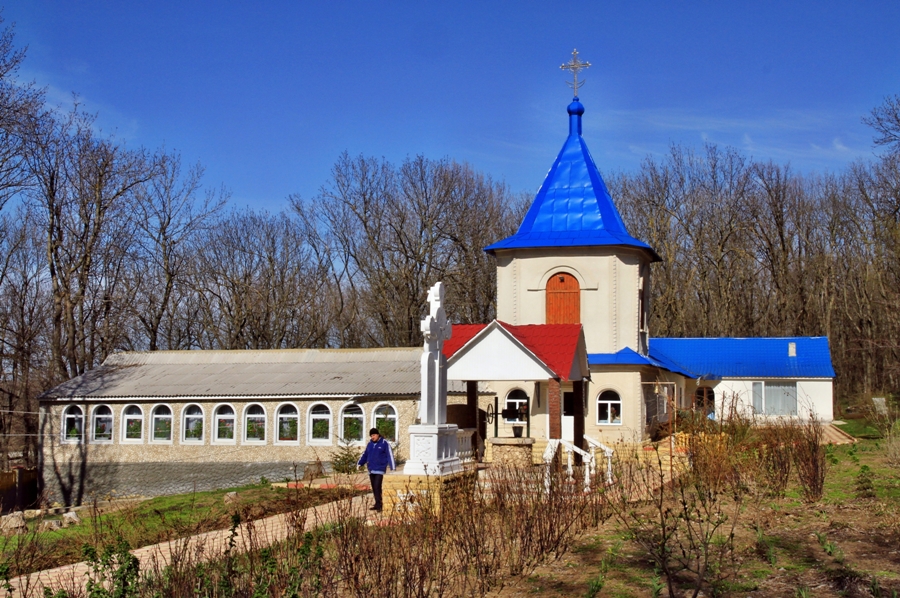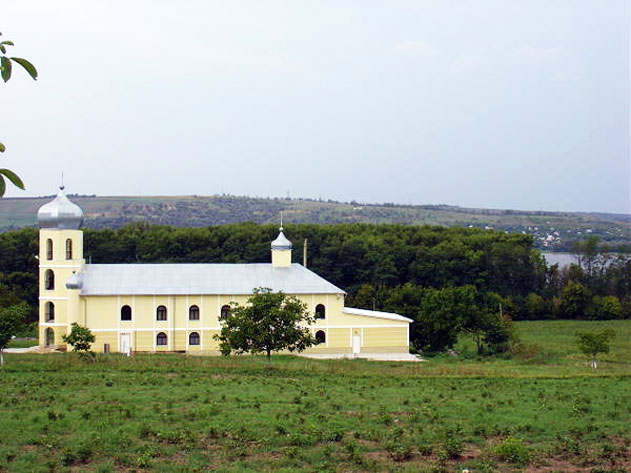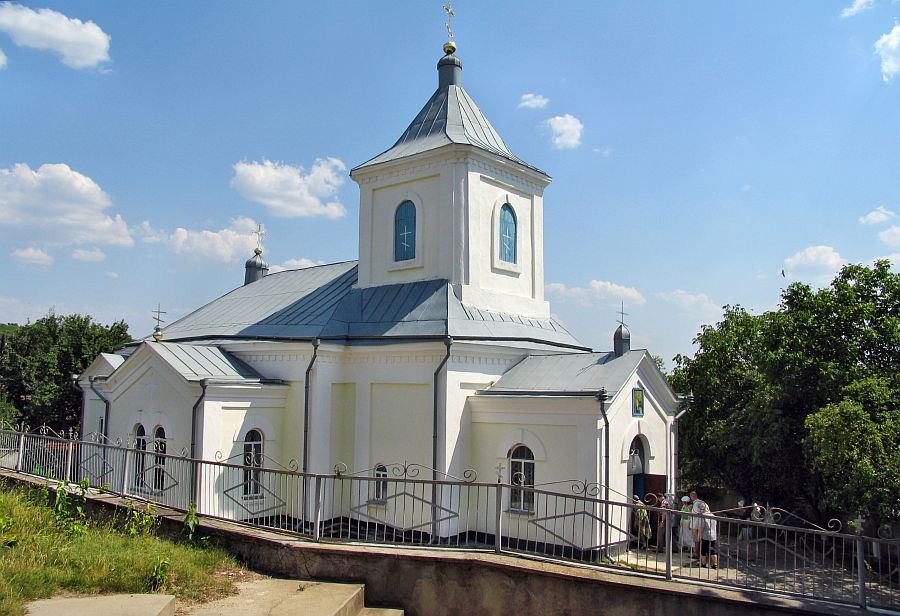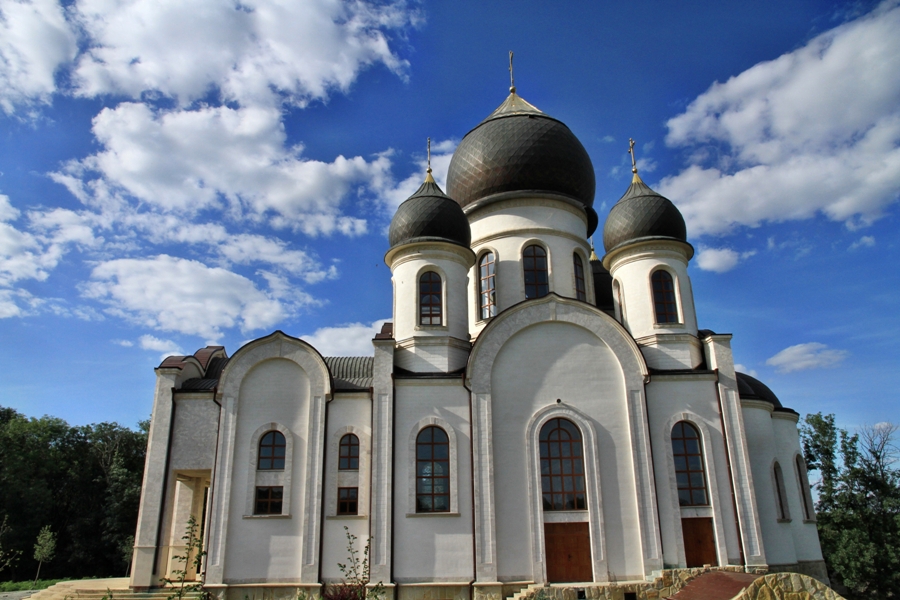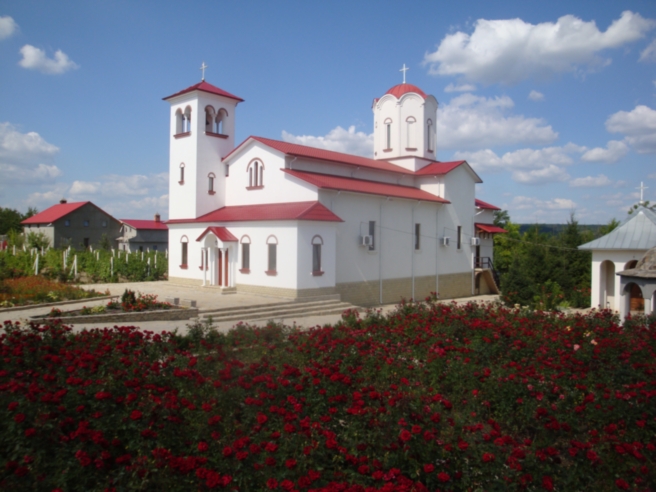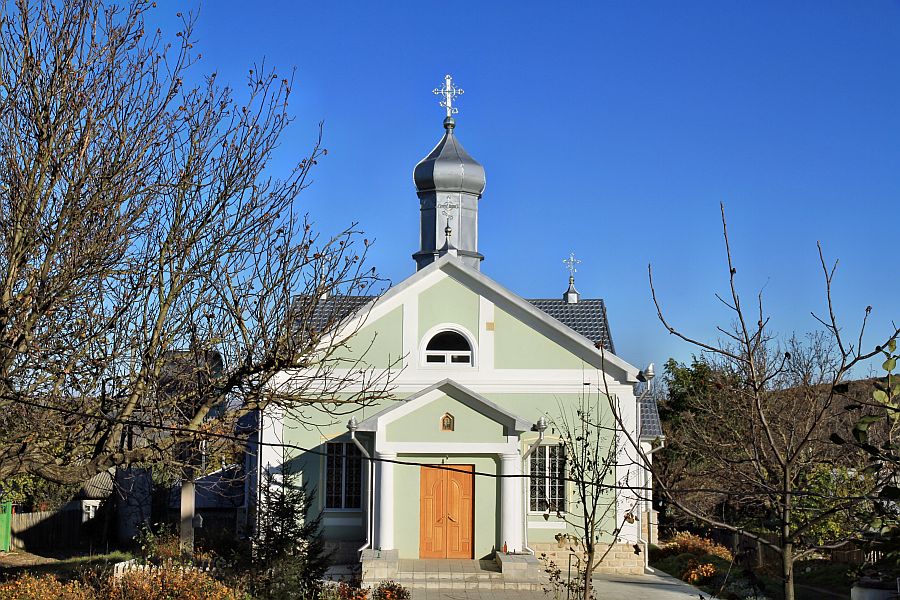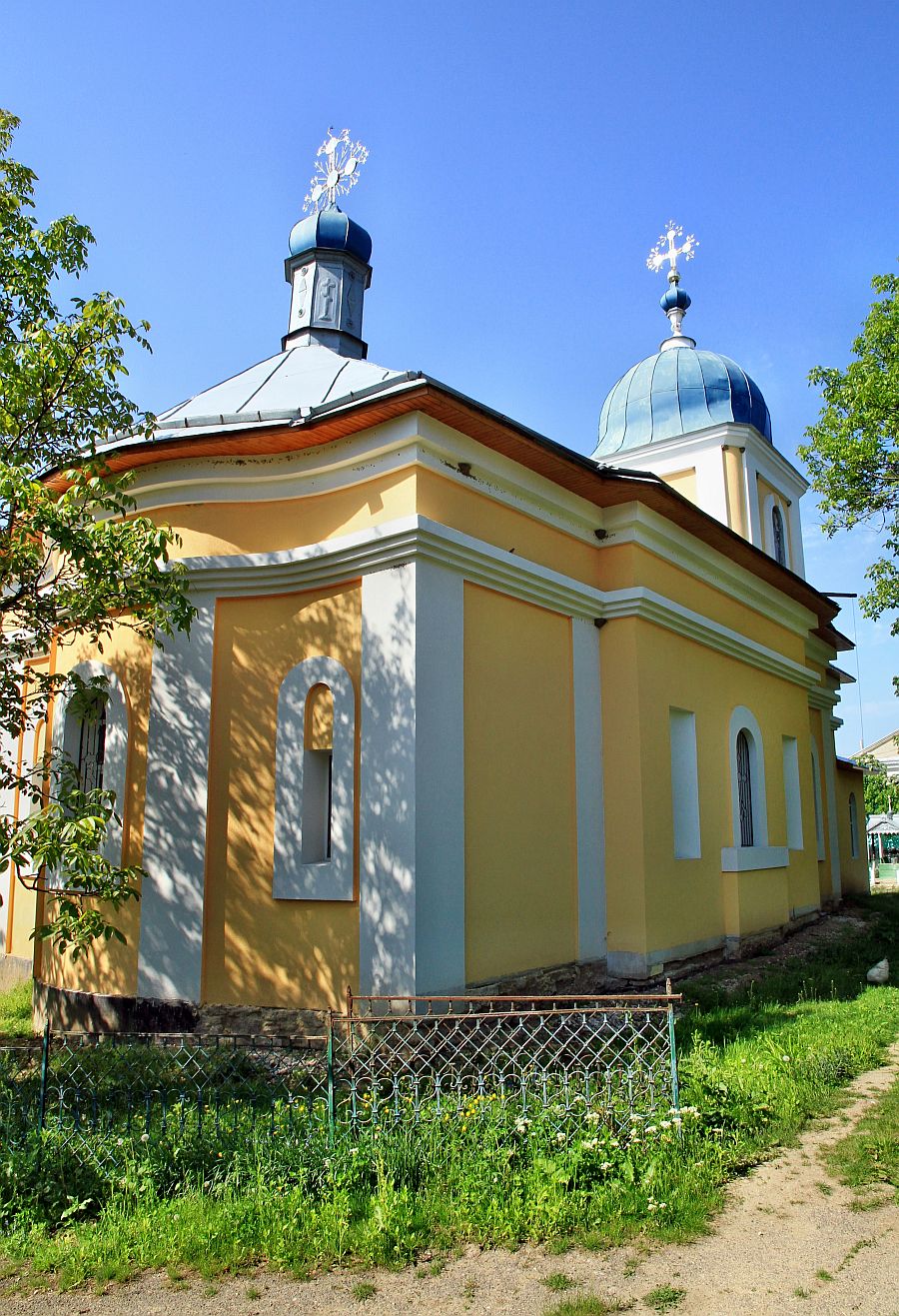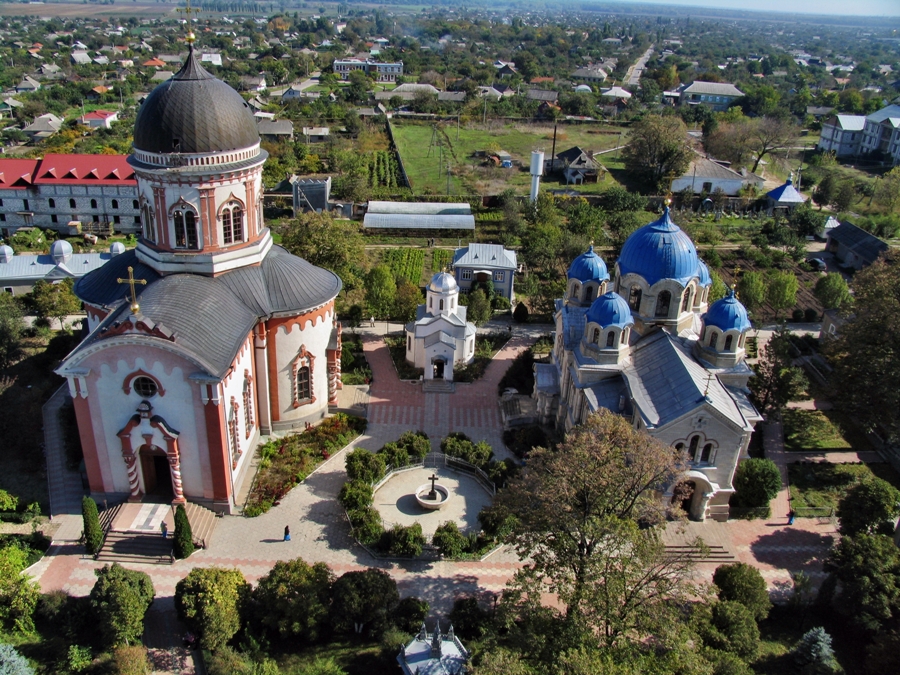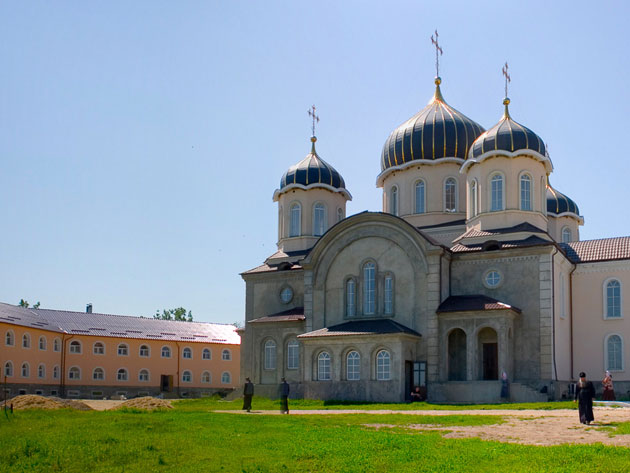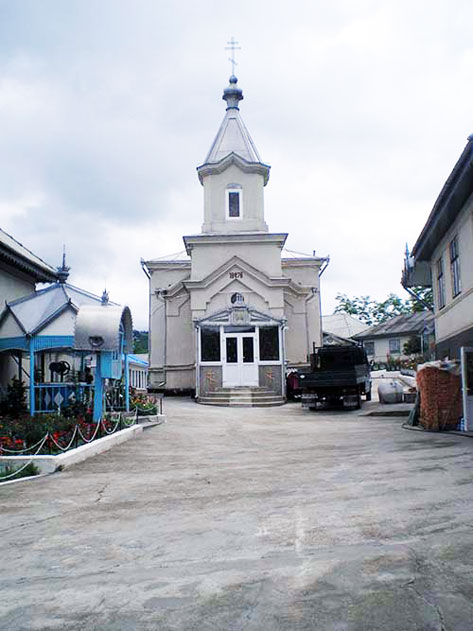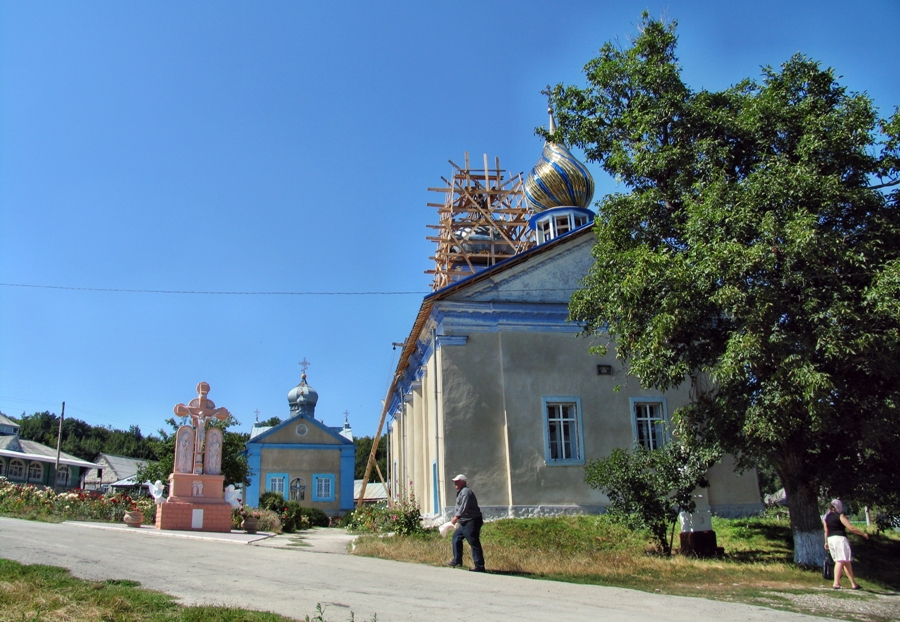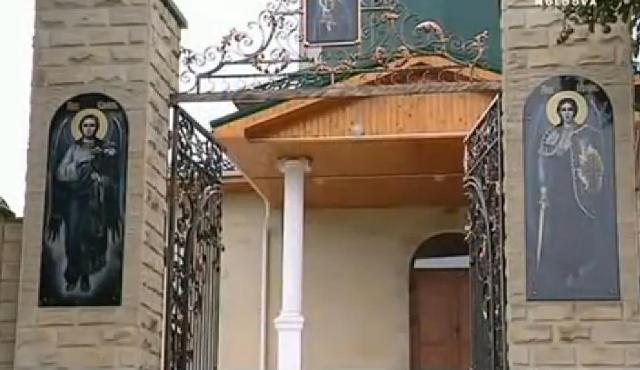
For many travelers to Moldova, exploring its monasteries is one of the highlights of their trip. These ancient monasteries offer a completely different perspective on the country—a sense of its spiritual atmosphere, a deeper understanding of its history and traditions, and the chance to discover the amazing natural wonders of Moldova.
Moldova's monasteries are more than just places of prayer and pilgrimage. They are true monuments of history, architecture, and culture, many of which are linked to significant events of the past. Visiting even one of them helps you better understand the country's character and its centuries-old traditions.
Monasteries are part of Moldova's history
For centuries, monasteries have held a special place in Moldovan life. They have served as spiritual centers, places of cultural and educational preservation, and some have even served as fortresses.
Many ancient monasteries were founded to commemorate military victories and important events during the reign of Moldavian rulers. Thanks to their powerful stone walls, towers, and fortifications, the monasteries were able to protect monks and residents of surrounding settlements from raids.
Today, these fortified structures lend the monastery complexes a unique atmosphere. Behind their massive walls lie ancient churches, bell towers, cells, and quiet courtyards, where history is palpable at every step.
Places of spiritual power and pilgrimage
Moldovan monasteries are highly respected by locals. For many, a visit to a monastery is more than just a tour; it's an opportunity to experience peace, unwind from the daily grind, pray, and find inner peace.
Of particular importance are pilgrimage routes to ancient shrines and places associated with the history of Orthodoxy in the region.
Even for those who don't make the pilgrimage for religious reasons, a visit to the monastery can be an interesting cultural experience. Here you can learn about the traditions of monastic life, ancient architecture, and the history of Moldova.
Monasteries in the middle of picturesque nature
One of the features of Moldovan monasteries is their amazing location.
Many monasteries are located far from large cities: among the forests of Codri, on green hills, in river valleys, and near picturesque cliffs. Therefore, a trip to a monastery often turns into a short journey through the most beautiful natural spots in the country.
Moldova becomes especially stunning in autumn. The forests are painted in shades of gold, red, and crimson, and the ancient monastery walls blend harmoniously into the surrounding landscape.
Three groups of monasteries in Moldova
Today, there are approximately 30 monasteries and sketes operating in Moldova. Historically, they can be roughly divided into several groups.
Ancient monasteries of Codri
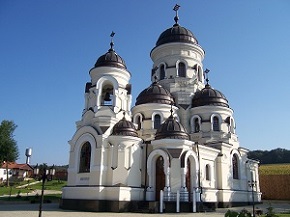
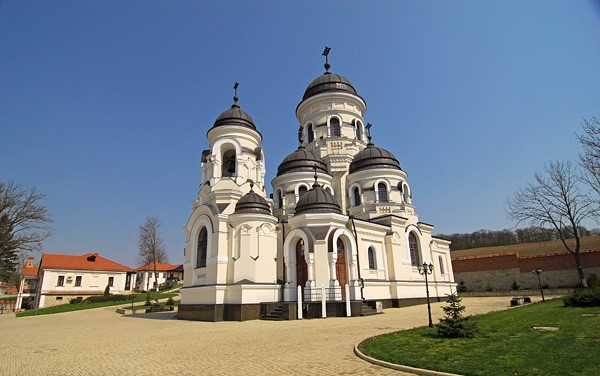
Some of the most famous and ancient monasteries of the country are located in the Codri forest area: Varzareshti, Capriani, Gîrbovetsi and Gîrzhavskii .
The large number of monastic communities in this region led to it being poetically called the "Bessarabian Thebaid" in the 19th century .
A trip to the Codrii monasteries will be especially enjoyable for those who want to combine learning about history with walks through forests and picturesque natural landscapes.
Rock monasteries
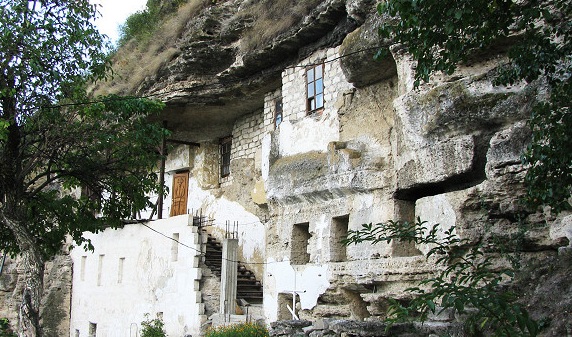
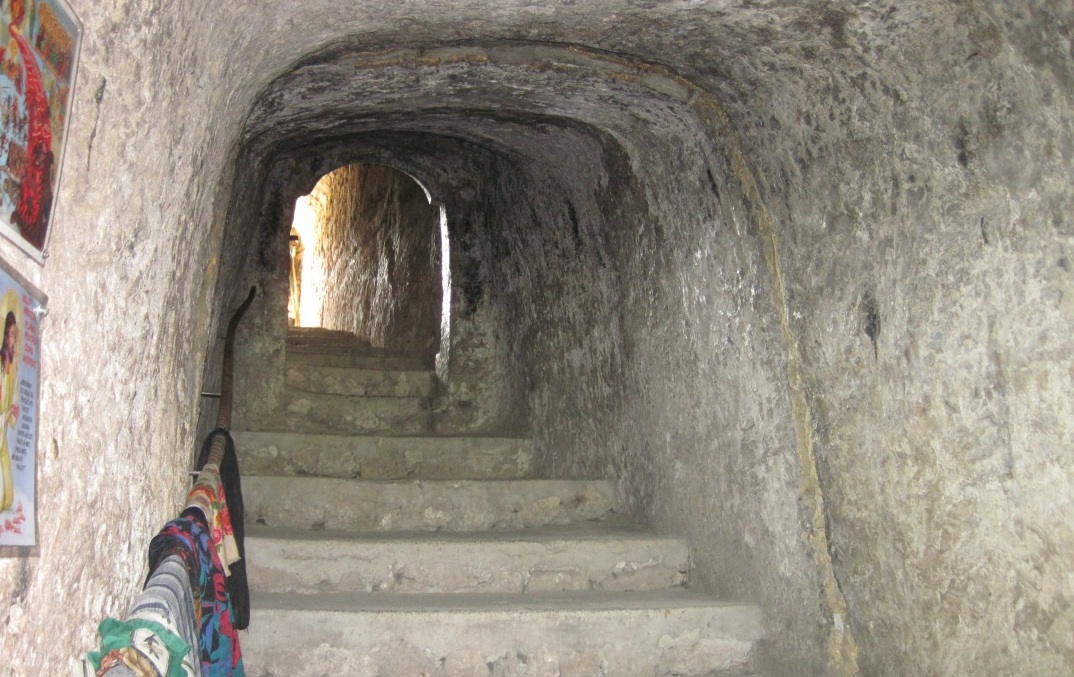
A special place among the sights of Moldova is occupied by ancient monasteries carved directly into the rocks.
Most of these monasteries are located in the Dniester region. Among the most famous are the Tsipovsky, Staroorhei, Saharnyansky, and Zhapsky Monasteries .
Their unusual architecture and layout are striking. The cells and rooms, carved out of the rock, seem to become an extension of the surrounding landscape.
A visit to the rock monasteries can be combined with a trip along the Dniester and an exploration of the region's natural attractions.
Monasteries of the 18th–19th centuries
Later monasteries include the Kurkovo, Novo-Nyametsky, Hinkovo and Rudsky Trinity Monasteries .
Despite their more recent history, they remain an important part of Moldova's cultural and spiritual heritage. Many are distinguished by their distinctive architecture, beautiful churches, and picturesque grounds.
How to visit Moldova's monasteries
You can travel to the monasteries on your own or as part of an organized tour.
Most renowned monasteries welcome visitors throughout the year. Some monasteries offer accommodations for pilgrims and guests, allowing them to spend more time there and experience the unique atmosphere of monastic life.
At some monasteries, tours are led by monks or staff members who can explain the monastery's history, its relics, architecture, and traditions. Tours in the respective languages are available for Russian-speaking and Romanian-speaking tourists.
For independent travelers, there are bus routes and minibuses, but it's worth checking the transport schedule and visiting conditions for a particular monastery in advance before your trip.
A journey to remember
Moldova's monasteries offer a stunning blend of history, architecture, spirituality, and nature . Here you can see ancient temples and fortress walls, walk along forest trails, admire the Dniester River, and discover places whose history spans centuries.
For tourists, a trip to the monastery is an opportunity to briefly escape the usual rhythm of travel and experience the real Moldova: quiet, hospitable, distinctive, and closely connected to its past.
Discover Moldova's monasteries—places where history meets nature, and travel becomes a true journey into the soul of the country.