Интересная Молдова Интересная Молдова Интересная Молдова

Sidebar

Sanatoriums

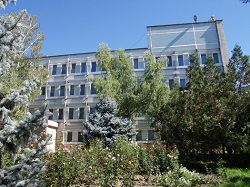
Sanatorium «Codru»

Sanatorium «Codru»

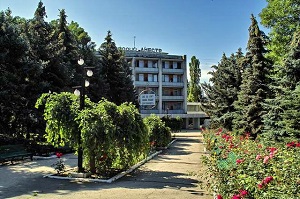
Sanatorium «Nuferul Alb»

Sanatorium «Nuferul Alb»

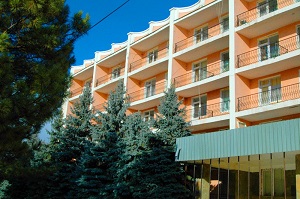
Sanatorium «Dniester»

Sanatorium «Dniester»

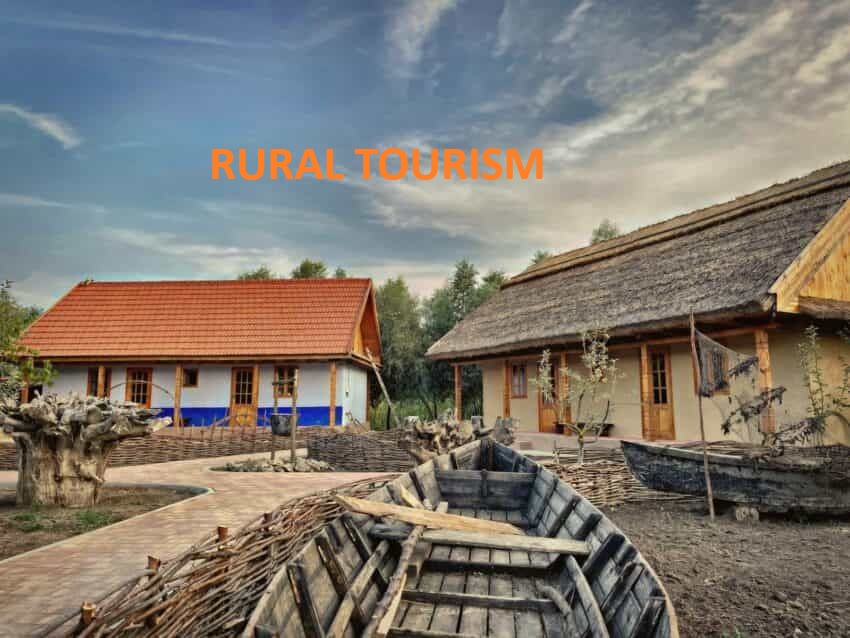
Sanatorium «Strugurash»

Sanatorium «Strugurash»


  • Home
  • Sanatoriums
  • About Moldova
  • Traditions

  • Russian (Russia)
  • English (United Kingdom)

About Moldova

Details
Traditions
07 August 2026

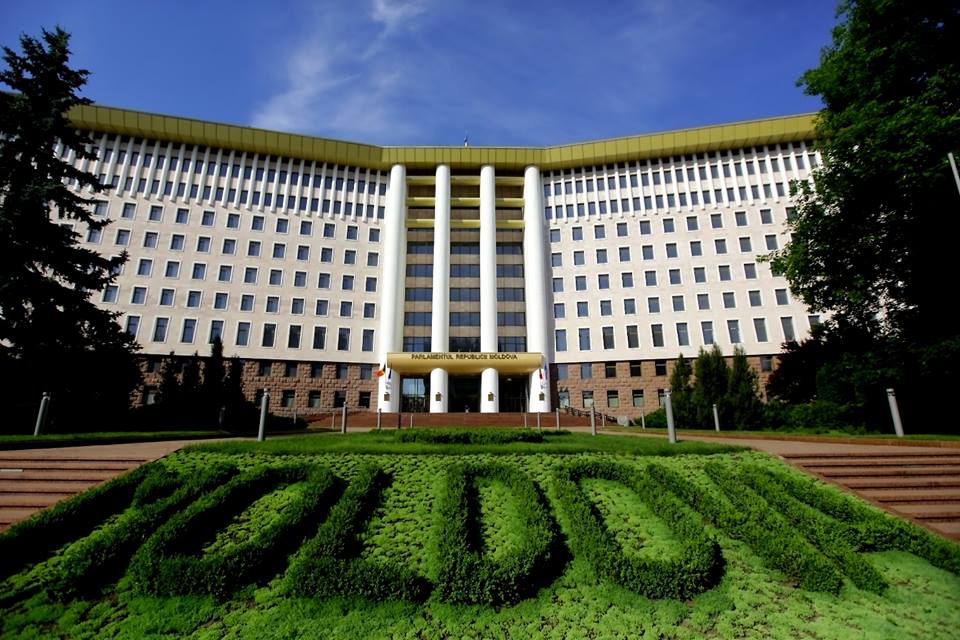
Of course, it is simply impossible to talk about the country in a nutshell, but we decided to make a short essay about the region that we love very much and are proud to live here!

What of this we were able to judge for you, our beloved reader.

Anyone who has ever visited a small European country called Moldova speaks of it as the land where dreams come true, this is the place where fairy tales become reality.

What is interesting about Moldova to tourists is, first of all, ancient monasteries, thoughtful centuries-old forests, endless picturesque hills, clear blue skies and the friendly sun that illuminates this camp during the greater season.

Read more …

Philosophy of the Moldavian State

Details
Traditions
07 August 2026

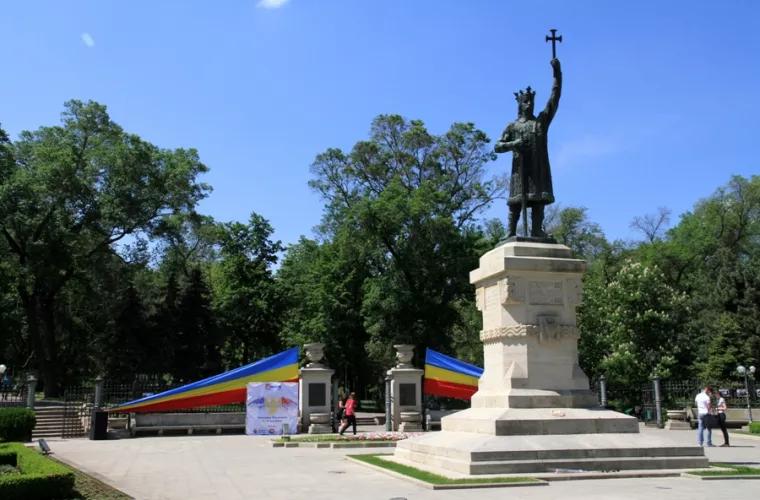
The greatness of personality and deeds of a wide European sound – brilliant victories in battles with superior opponents, achievements in the field of culture, successes in the diplomatic field of Stefan III the Great, ruler and governor of Moldova were highly appreciated not only by his contemporaries, but also by researchers of subsequent eras.

Reputable figures, famous scientists from different countries and today, more than 500 years after the Great Moldovan Voivode went into immortality, are still reflecting on the mystery, cultural and political phenomenon of European proportions: «Stefan III the Great – man from Moldova». In the forties of the 20th century, Romanian historian P. Panaitescu tried to answer the question «Who was Stefan the Great really?», trying to penetrate the secret «of the connection between Stefan the Great and Moldova», convinced that «historical research did not reveal it enough».

Read more …

Lord Stefan the Great (Education of Moldova)

Details
Traditions
07 August 2026
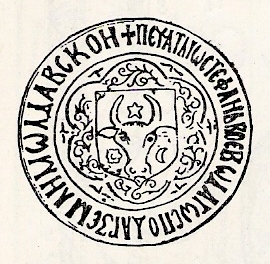
The first written history of Moldova reports the adoption of the skiptra on April 12, 1457. ‒ symbol of the sovereignty of the power of state, the independence of the state: «Priide Stefan voivode, son of Bogdan voivode... and prayat the skiptra Moldavian» (The chronicler ottoli began by the production of God Moldavian Land, 1359 ‒ 1504).

april 14, 1457 Stephen III sits on the throne of Moldova and rules until 1504. He transformed Moldova into a centralized medieval state, consistently and steadily implementing the policy of strengthening the autocracy and restoring the state-given prerogatives, the domain of gospodar; returned the fortresses of Kiliya and Khotin to Moldova, contributed to the development of trade; treated the Orthodox Church with care, built dozens of holy monasteries, including the Putna Monastery, enriches their decoration, endows them with estates... Stephen III was the initiator of the first stories of Moldova, written at the gospodar's court and in the famous Moldovan cultural centers: the monasteries of Neamtu, Moldova, Bistrica...

Read more …

Moldavian traditions and customs

Details
Traditions
07 August 2026
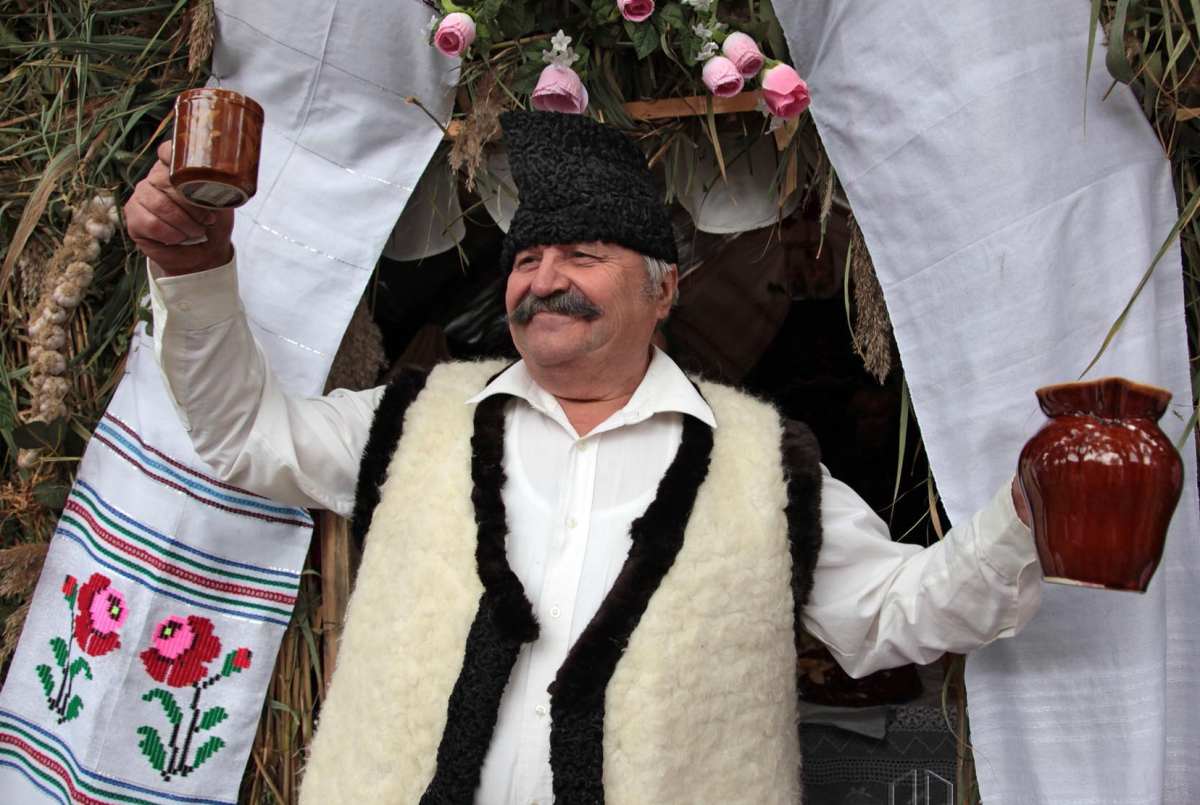
The traditions and customs of the inhabitants of the Moldovan land, rooted deep in the past, are sacredly preserved and passed on from generation to generation.

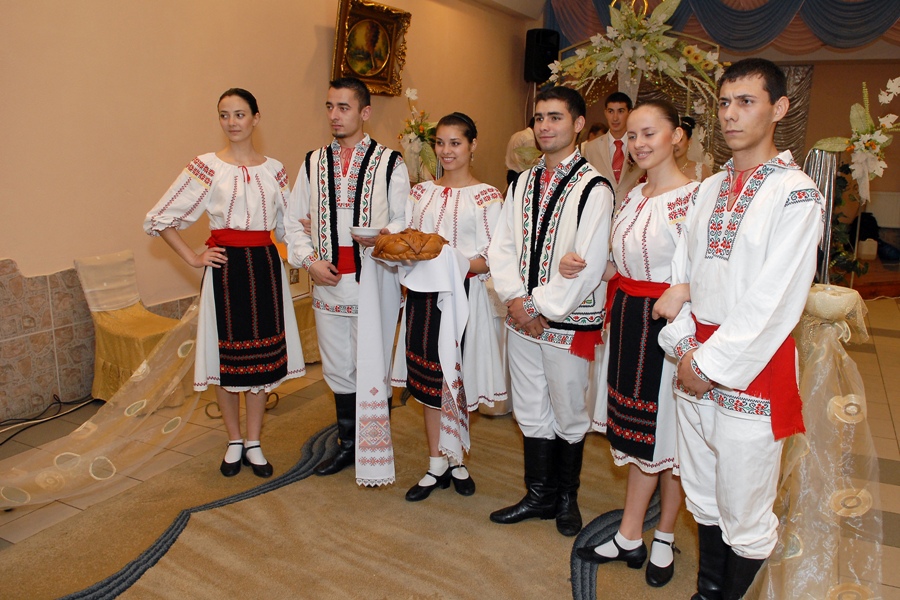
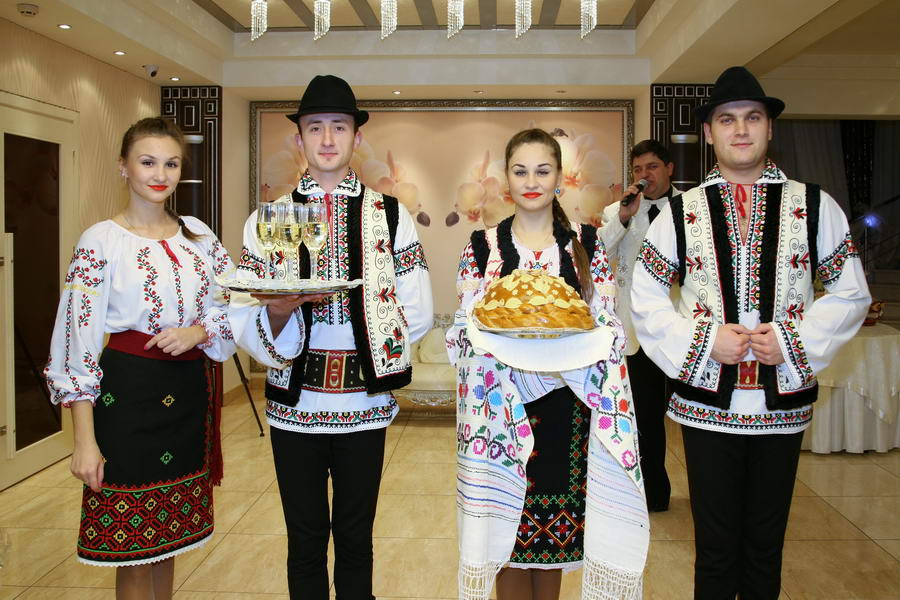
Hospitality is a hallmark of the Moldovan people. It is customary to greet guests with bread - salt and a glass of good wine.

Each village in Moldova honors a specific saint who is their patron saint, and in this regard the Village/City Temple is celebrated.

On this day, all houses are cleaned and tables are set.

The housewives are cooking delicious dishes: sermeluce moldovenesti (doves), cirnacea, mititei, vertuta, placinda, hominy, brynza and many others.

Read more …

Moldavian wedding

Details
Traditions
07 August 2026

In an effort to feel the fullness of life, a person creates a family. Family person – happy person.  The beginning of this is a wedding or, as they say Moldova, nunta, so those getting married try to make this day a real holiday.

According to tradition in Moldova, first the groom, together with an older relative, comes to the bride’s parents’ house to ask for her hand in marriage and, with their consent, an engagement is scheduled. At the engagement party, in the presence of close relatives, they agree on the specifics of the wedding. Choice is a must nanashey – godparents of the future family.

As a rule, this is a respected married couple who are older than their newlyweds, but younger than their parents. Throughout their lives, they will be mentors and good advisors to the young family, helping in solving many problems.

Read more …

Wedding ceremony in Moldova

Details
Traditions
07 August 2026

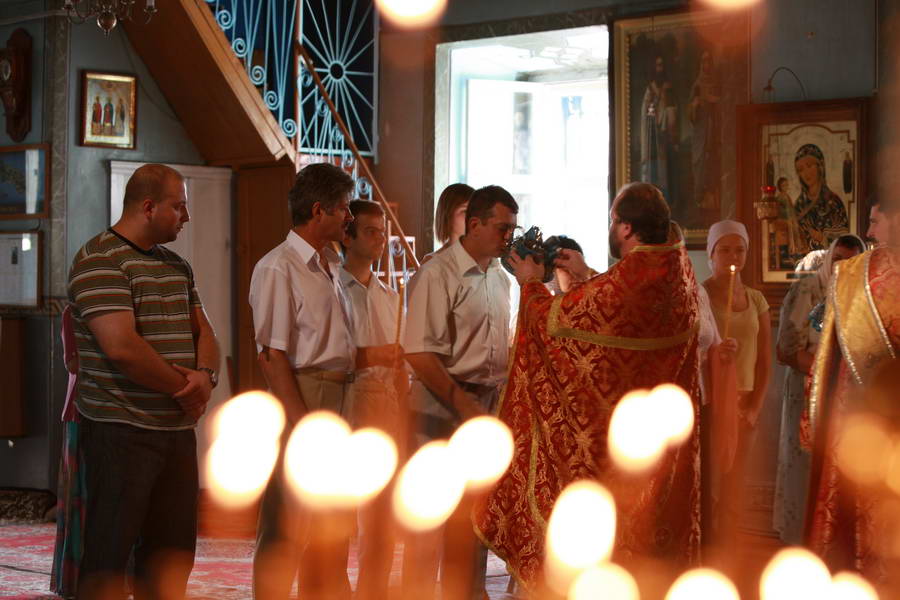
Today is fashion for weddings, after a long interval of several decades. Usually, immediately after the registry office, newlyweds rush to church to take an oath before the Almighty in eternal love and loyalty to each other until the end of their days.

And although the wedding — is a sacrament that obliges spouses to remain faithful to each other and live in perfect harmony, it is still not an obstacle to divorce. Once upon a time, the church did not allow divorces or second marriages. Now representatives of religion have a more flexible approach to weddings: they are allowed to get married three times, but no more.

Read more …

Kumetria

Details
Traditions
07 August 2026

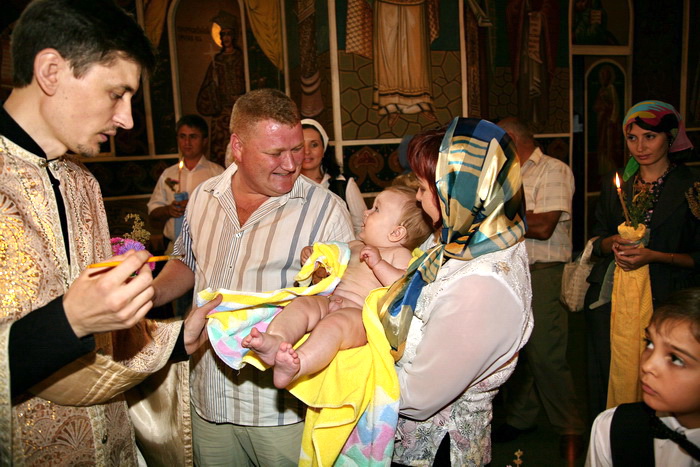
When a child is born into a Moldovan family – is happiness. The parents of the newborn are carefully preparing for the rite of baptism of the baby, seriously thinking about who to give honor to, to be the Godfather and Mother.

First of all, you need to choose a church for a solemn ceremony

He thinks in advance about who can become godparents for a child. It is they who participate in the sacrament of baptism and take responsibility for the child before God. Godparents must be either the same age as their parents or younger than them and be very close to family people - this is the key to their long and close relationship with the child. The national traditions of baptism of children in Moldova are somewhat different from the Russians.

Read more …

Casa Mare

Details
Traditions
07 August 2026

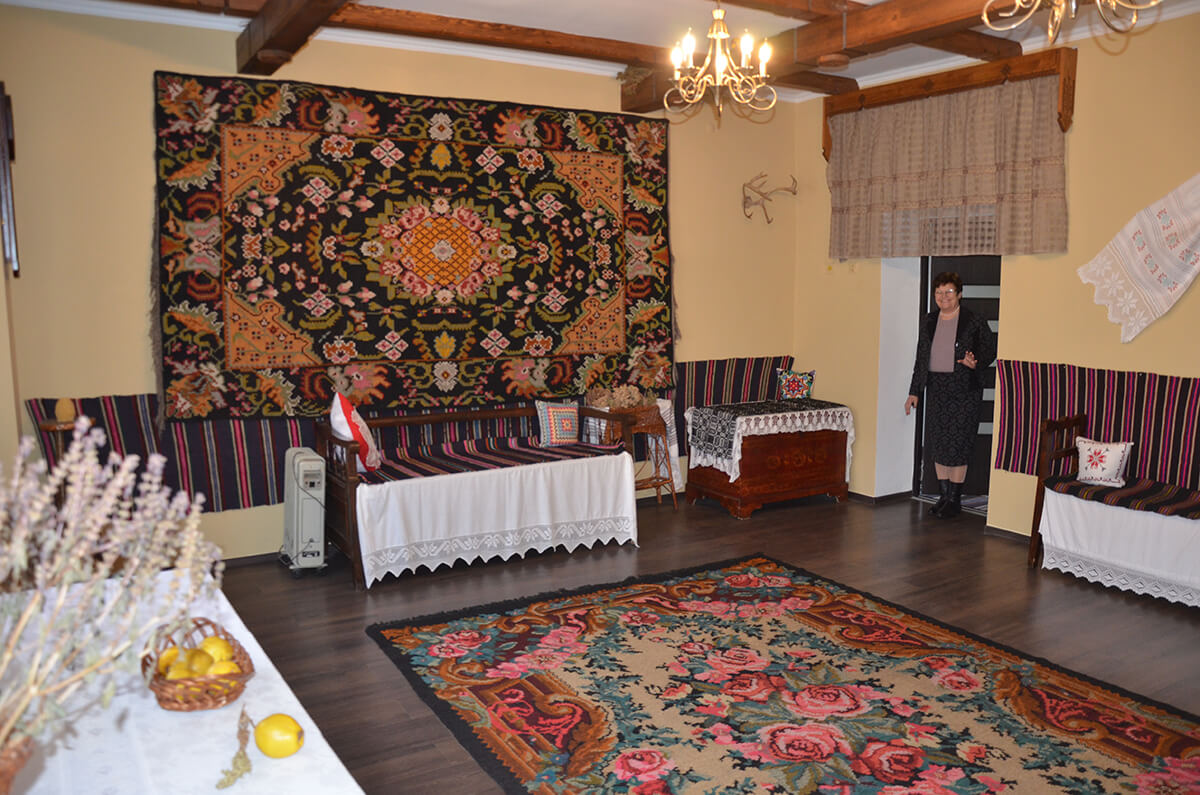
Casa Mare for a Moldovan – is not just the most important and beautiful room in the house, but a certain formula for life.

From time immemorial, the Moldavian people have been famous for their hospitality. Not only relatives and friends received a kind favor from the owners and an invitation to the table, but, sometimes, also complete strangers who, for some reason, found themselves in our beautiful and inviting land. Dear guests have always been welcome. The hospitable hosts treated them to aromatic wine and fed them various national delicacies. And the place for the visitor was always given in the house to the best – in the special room – Casa Mare.

For a true Moldovan who honors the customs and traditions of his ancestors, Casa Mare is the same as for a Russian hut. In Russian, the phrase «Casa Mare» literally translates as «big house», but in fact – is the largest and most beautiful room in the house of a Moldovan family. As historical facts that have survived to this day testify, the tradition of arranging Casa Mare in your homes appeared several centuries ago. The level of wealth of a Moldovan peasant of that time could be determined by the presence of Casa Mare in the house. Poor Moldovans had only two rooms – seni and a living room in which the entire family huddled. Those who were more prosperous also had a third room, which our ancestors dubbed Casa Mare. This room was always cleanly cleaned, elegant and intended only for guests. That is why the owners were not afraid of unexpected visitors. In addition, at Casa Mare, families celebrated all the most important holidays: christenings, weddings, name days, and so on.

Read more …

Masa mare

Details
Traditions
07 August 2026

Masa mare – nail of a Moldovan wedding

Masa Mare is literally translated from the Moldovan language as «large table». Not a single real Moldovan wedding takes place without this custom.

Every nation has many traditions and customs in preparing and holding a wedding. They are preserved and passed on from generation to generation, even if slightly modified. The custom of giving money and gifts to newlyweds on the day of their main celebration – of creating a new family has also reached us.

The same custom exists among many other peoples. For the Chinese, for example, on their wedding day it is customary to give household items and red envelopes with money. The Japanese present the newlyweds with expensive gifts, the cost of which is set by etiquette. Wedding gifts are usually wrapped in a special way – in the form of a fan. In addition, the bride and groom receive envelopes with money from the guests the day before the celebration. This custom is confidential; no one should know who and how much money put into the starting capital of young people.

Read more …

First Moldovan banner

Details
Traditions
07 August 2026

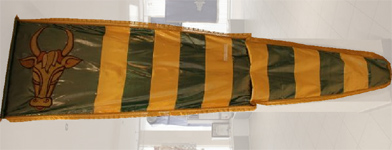
The first Moldovan standard was the Gonfalon ("military banner" translated from Italian) of the governor Dragos, margrave of the Moldavian border stamp of the Kingdom of Hungary (XIV century).

The first flag featured a vertical silver arrow on a blue field, piering on a golden crescent and flanked on top by two gold six-pointed stars.

A reconstructed copy of this banner, – the only similar image of its kind due to the loss of the original, – is kept in the private collection of the champion of Moldovan antiquity Petr Kostin.

Read more …

Traditions of the Moldovan carpet

Details
Traditions
07 August 2026

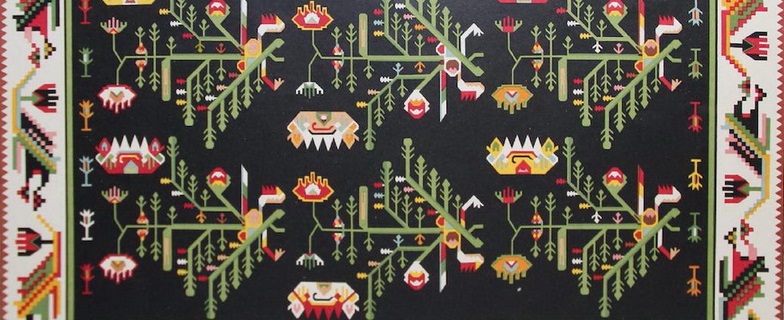
Homespun carpets played a special role in the life of Moldovans, in their holidays and rituals, in assessing the socio-economic status and skills of an individual family. They represent the result of collective creativity, an artistic vision that has been formed over many generations.

Using carpet products as an example, one can trace the level of development of fabric technology, the influence of the development of the textile industry, commercial and cultural mutual influences with neighboring peoples, and ways of adapting certain elements of Greek, Romanesque, Western European, Eastern, and Slavic cultures. The art of the Moldovan carpet was constantly improved; over the centuries, ornaments, compositions and a special color scheme were selected.

Read more …

Sanatoriums

Sanatorium «Codru»

Sanatorium «Codru»

Sanatorium «Nuferul Alb»

Sanatorium «Nuferul Alb»

Sanatorium «Dniester»

Sanatorium «Dniester»

Sanatorium «Strugurash»

Sanatorium «Strugurash»


Историко – археологический комплекс Старый Орхей

Сельский туризм Молдова

Винные экскурсионные программы

Отдых на Днестре

Бассейны Кишинева

Сауны Кишинева

Фитнес клубы

Монастыри Молдовы


Как получить Румынский паспорт


INFO

MOLDSU - Интересная Молдова

Проект создан в ознакомительных целях, как общепозновательный ресурс.


PROMO

По вопросам рекламы Вы можете заполнить форму в контактах

Или написать email: info@moldsu.com

А также Tel: +37367640035

Conatcts

Email: info@moldsu.com

+37367640035

Права

Администрация сайта вправе удалять информацию без уведомления.


Copyright © 2010 - 2026. MOLDSU - Интересная Молдова
При использовании материалов сайта - активная ссылка на сайт обязательна!