Welcome to hospitable Moldova, a country rich in centuries of history and culture.
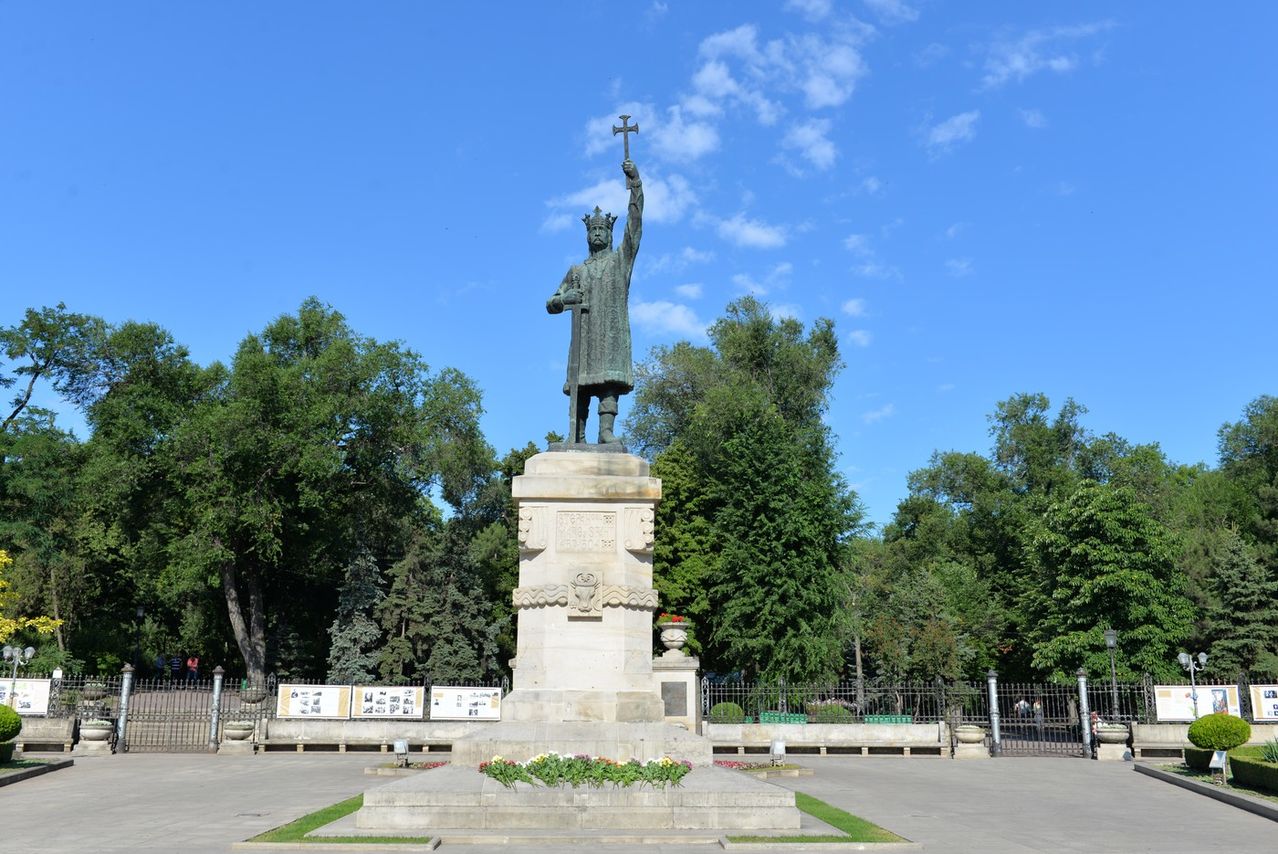
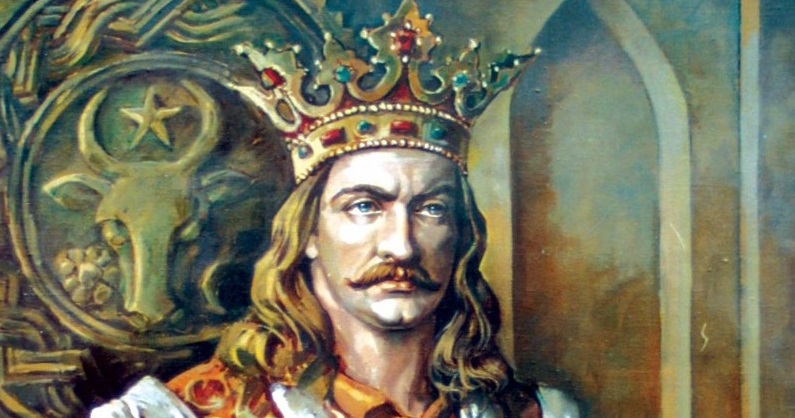
Stefan cel Mare played a huge role in the groaning of the state. The Moldavian ruler Stephen III was called Great by the Polish king Sigismund: Stephanus ille Magnus.
On April 14, 1457, Stephen III sat on the throne of Moldova and ruled until 1504. He transformed Moldova into a centralized medieval state, consistently and steadily implementing the policy of strengthening the autocracy and restoring the state-dar prerogatives, the domain of gospodar; returned the fortresses of Kiliya and Khotin to Moldova, contributed to the development of trade; cared about the Orthodox Church, built dozens of holy monasteries, including the Putna Monastery, enriches their decoration, endows them with estates...
Many who have visited this region call it «a small piece of paradise». The landscape of the Moldovan land is varied and unique. The majestic centuries-old forests, traditionally called Codras, are declared protected areas and protected by the state. Total in Moldova 5 reserves with a total area of about 19.4 thousand hectares.
Among the Balti and Budzhak steppes there are rocky gorges and wooded slopes. Picturesque lakes and numerous rivers flowing through the hilly plain give this area a special beauty and unique uniqueness.
Moldova occupies a small territory of 33.7 thousand km between Ukraine and Romania in the south-– eastern part of Europe, where many trade routes have crossed since ancient times. The memory of this is preserved by architectural monuments dating back to the era of antiquity and the Middle Ages - Trajan's ramparts of Roman times, Soroca Fortress of the 15th century, Bendery Fortress, mentioned in chronicles since 1408.
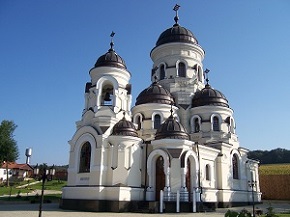
Both religious and cultural-historical value are Moldovan monasteries and churches, which were carved into steep rocky river banks, erected from wood in Codra, and built from stone back in the Middle Ages.
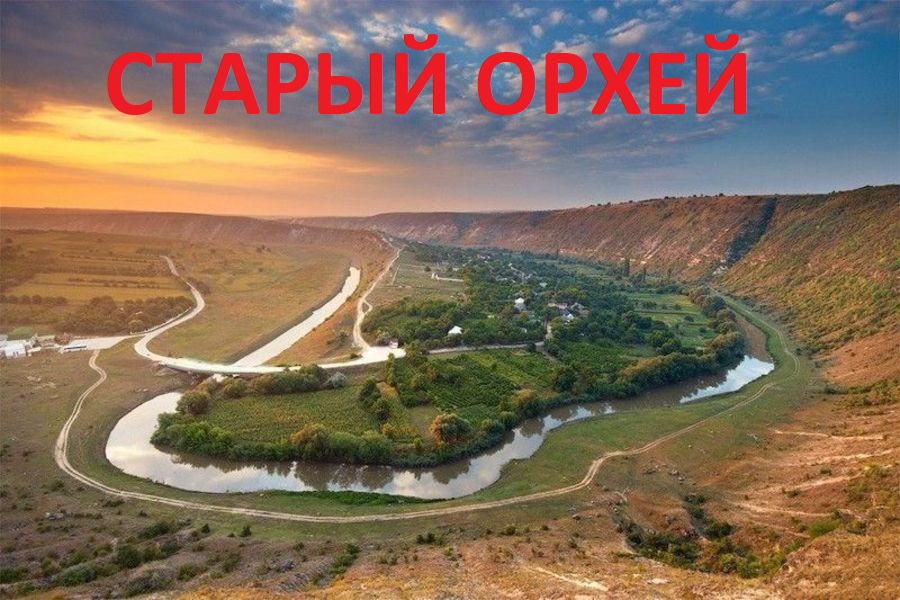
Monasteries that have survived to this day Saharna, Old Orhei, Capriana, Knowl Neamt, Rock Monastery of Tsypov is the largest rocky Orthodox complex in all of southeastern Europe.
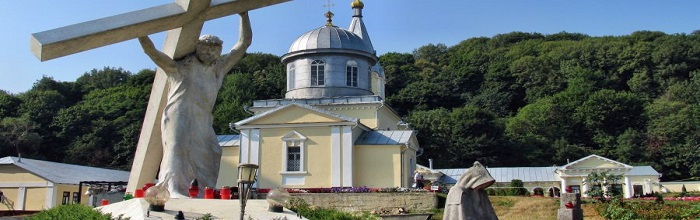
Today there are about 30 active monasteries in Moldova, allowing thousands of pilgrims from different parts of the earth to touch the cultural heritage. The cost of a 3-hour excursion trip to one of the monasteries will be 20-30 euros.
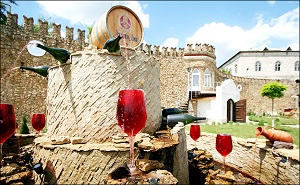
From a bird's eye view, Moldova resembles a cluster of grapes, which has become the calling card of the country. Moldovan vineyards are recognized as the best in Europe. Famous wine cellars open to the public all year round.
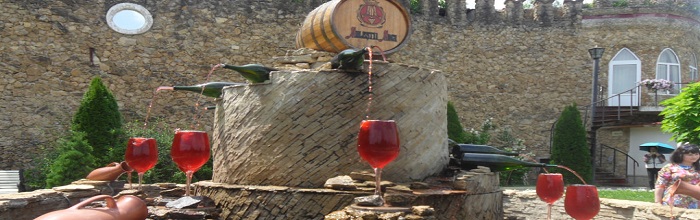
Local travel agencies provide tours of 8 wine cellars costing 25-50 euros. Wine tours to Moldova are the most popular among tourists, and the national Wine Festival in the fall of each year attracts a large number of guests from all over the world, for whom visa-free entry is allowed on these days.
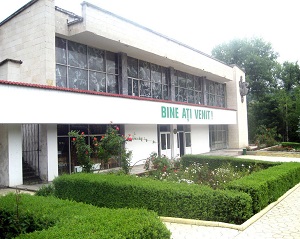
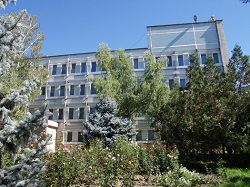
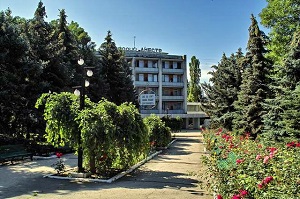
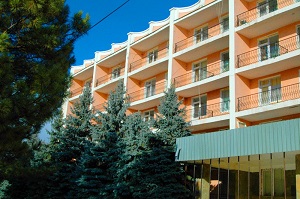
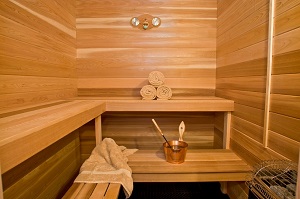
Moldovan sanatoriums are very popular among both local residents and visiting tourists. Sanatoriums in Moldova are an excellent choice to treat your health at an affordable price.
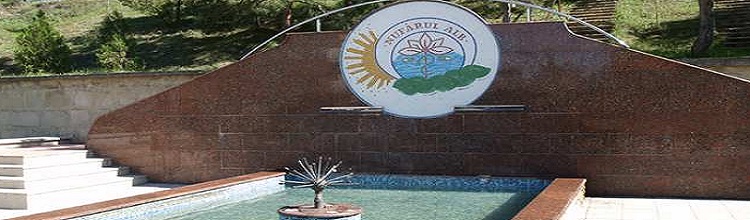
Proper use of the healing powers of nature is one of the most important ways to promote human health, as well as prevent and treat various diseases.
The city of Chisinau, the capital of the independent state of Moldova, is recognized as the greenest city in Europe and is famous for its hospitality. Its developed hotel infrastructure offers hotels in Chisinau and guest houses from economy class to international apartments, which are located in the most picturesque places. The cost of accommodation varies from 25-125 euros/day.
Modern restaurants and cozy cafes, entertainment complexes and large shopping centers are always happy to welcome tourists, business travelers and guests of the capital.