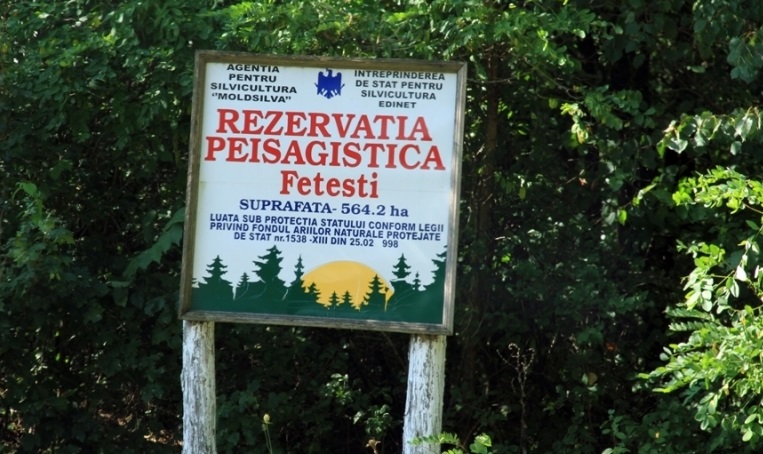
This publication continues our description of the natural attractions of Edinet District, one of the richest in amazing natural wonders. This time, we'll tell you about a unique natural wonder called the Fetești Nature Reserve, which locals and tourists call the Moldovan or Little Switzerland.
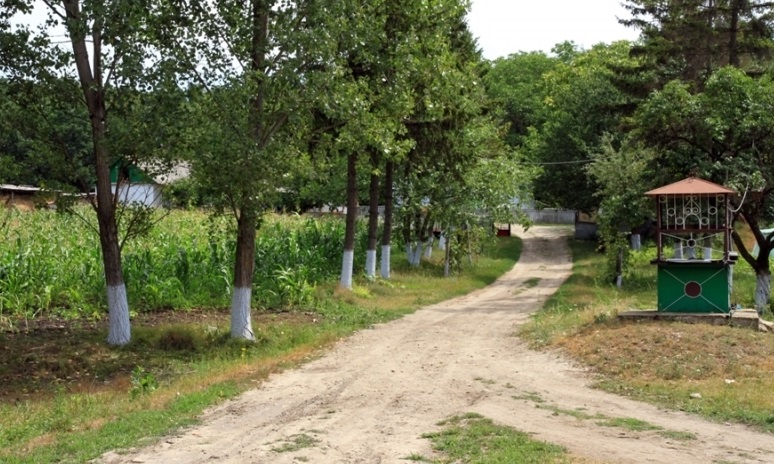
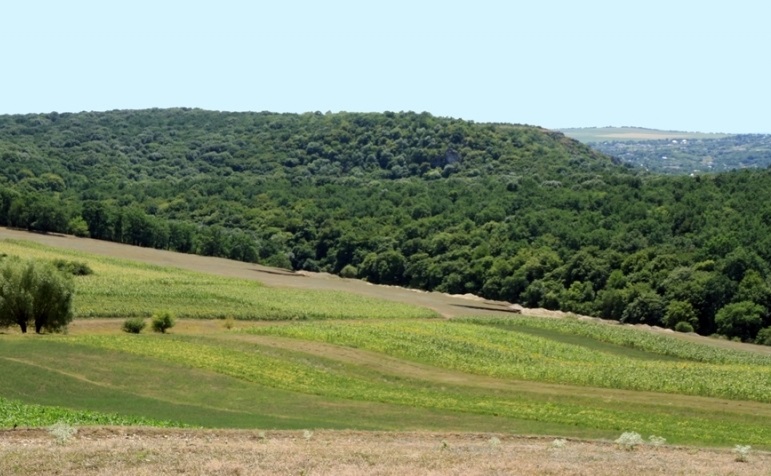
It is located between two villages—Trinca and Fetești, adjacent to the latter. The uniqueness of this natural monument lies in its location amid the famous Toltra mountains along the Prut River, along the steep banks of the small Dragishte River (a tributary of another northern river, the Rakovăt).
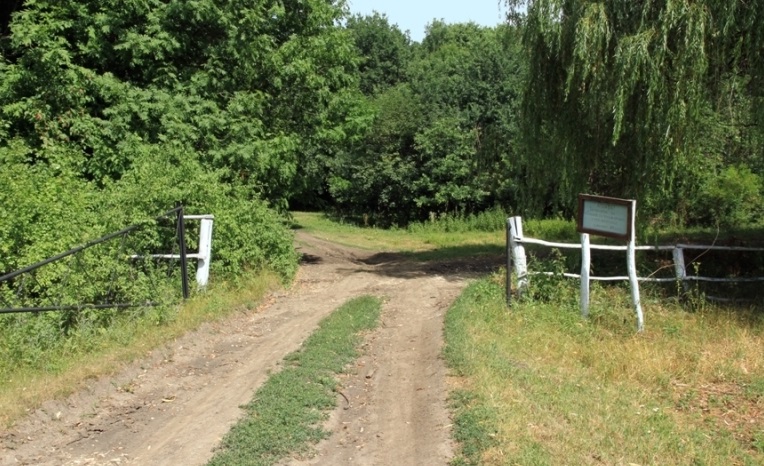
The reserve's territory covers 564 hectares, which is quite small. For example, well-known Moldovan reserves such as "Codrii" or "Beech Land" are 10-11 times larger. The edge of the reserve, on the side of the village of Trinca, directly borders another reserve, the Trinca Gorge, and on the outskirts of the village of Fetești, in the direction of Burlănești, lies another natural monument: the Fetești Gorge, with the famous "Stinca lui bunic" rock formation.
If you continue along the Dragishte River, just a couple of kilometers will take you to the Burlanești Gorge, and then to the Buzdujeni and Brânza Gorges. And just a short distance away, closer to the village of Gordinești, lies another remarkable natural monument—the La Castel Gorge.
It's not without reason that we list all these natural wonders of the Edinet district. All these natural wonders owe their origins to the Moldovan toltras and the small northern rivers that flow among them. And the Edinet district is particularly rich in this regard. In fact, we can speak of a whole complex of amazing natural wonders that require special attention, protection, and promotion to attract tourists.
Even better would be the creation of the "Moldovan Tovtry" National Park in the north of the country, which would include similar natural monuments in the Briceni, Rișcani, and Glodeni districts.
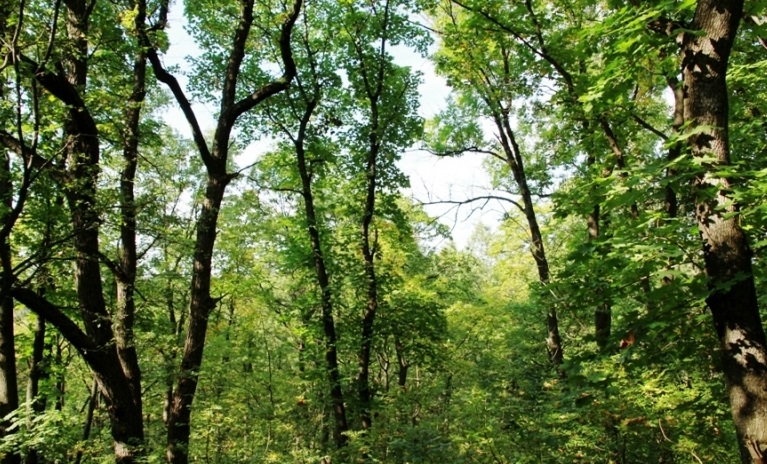
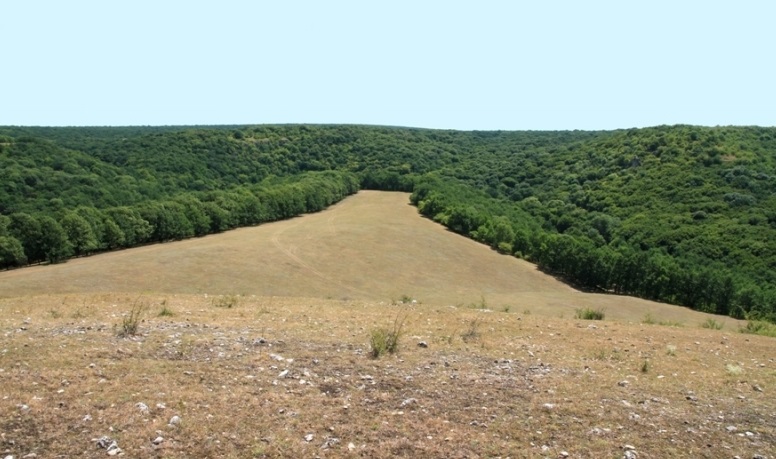
The forested valley of the Draghishte River in the central part of the reserve ("Moldovan Switzerland," according to local residents)
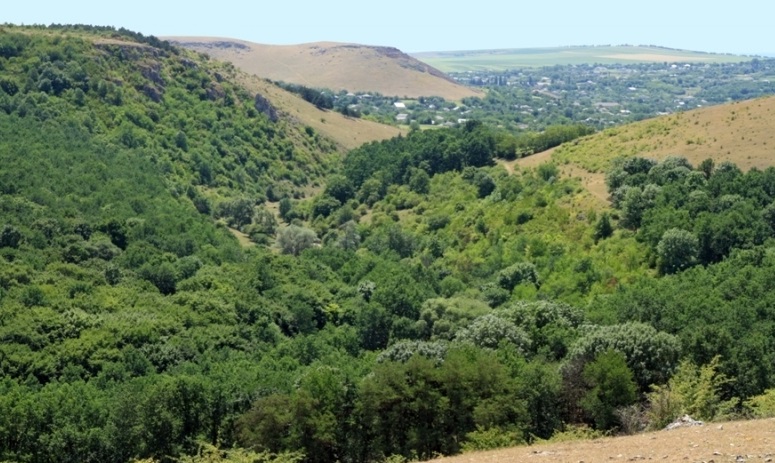
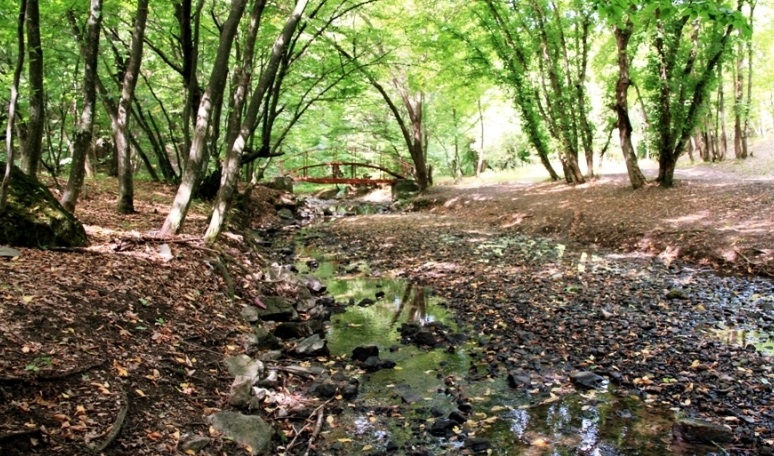
But let's return to the Fetești Nature Reserve. Despite its small size, covering it all in one go is quite challenging, due to its complex and varied terrain. Only a small portion of the reserve is located on level ground; the majority of it is spread out on the steep and rugged slopes of the Toltra ridges bordering the valley of the Dragishte River. This year, the river itself virtually disappeared due to a severe drought, but it was possible to cross its bed dry and admire the multicolored fragments of the Toltra.
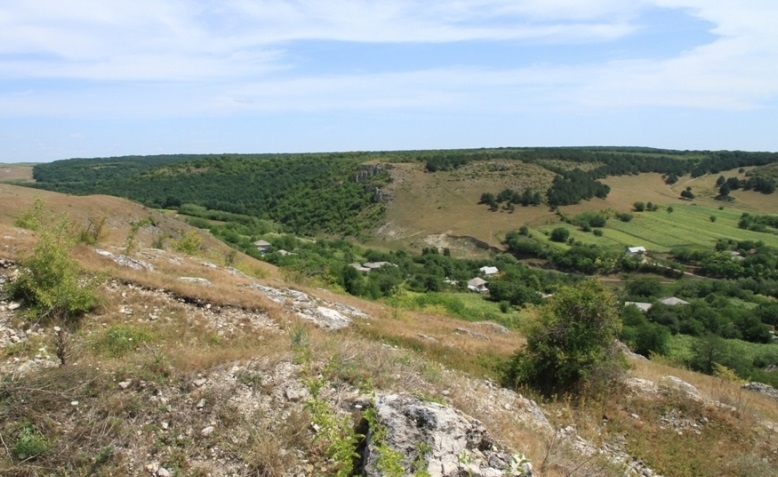
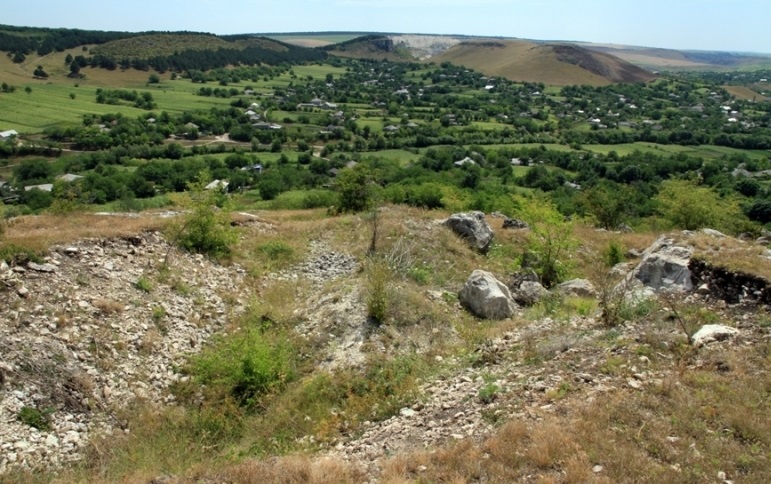
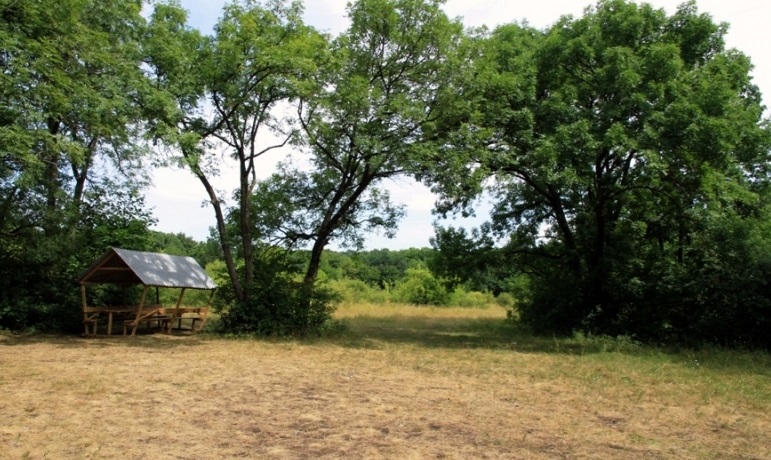
Directly above the river, near the bridge, rises a cliff, clearly visible from the upper part of the reserve, from a large clearing popular with tourists. It is from here that the very landscape that has been nicknamed "Moldovan Switzerland" opens up—the meandering riverbed of the Dragishte River, discernible by the forest opening slightly above it, the steep and picturesque slope right beneath your feet, and the distant views of the rolling peaks of the Toltra mountains, fields, and roads. Here you can sit over the cliff all day, completely forgetting all the cares you've left behind and immersing yourself in peace and tranquility.
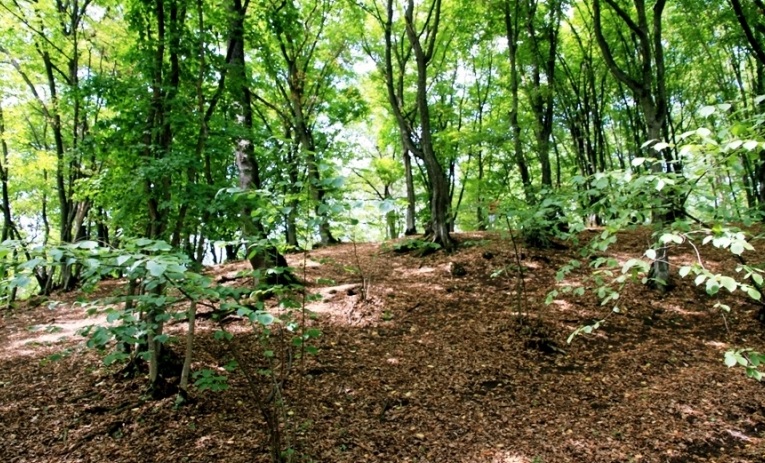
The road through the forest is very interesting; following the whimsical terrain, it sometimes descends, sometimes rises sharply upwards and suddenly leads you to the edge of the forest, surrounded on three sides by forest, to the foot of a huge double-trunked oak tree more than 30 meters high.
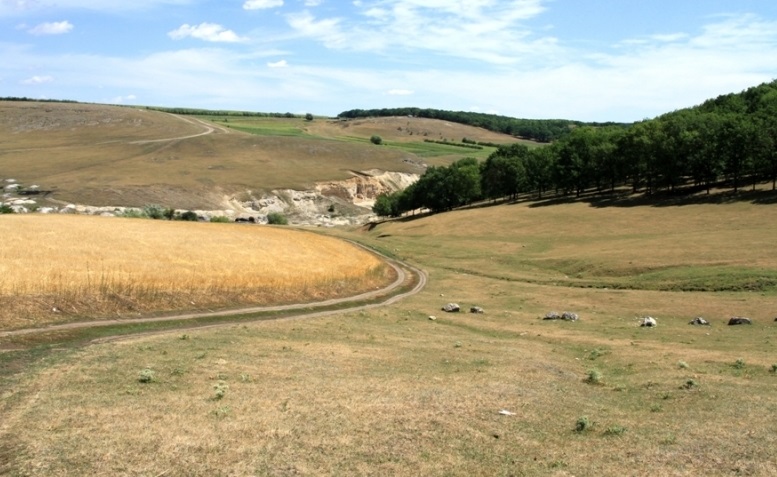
The reserve's vegetation is very rich and diverse, with approximately 160 species, 15 of which are woody. The predominant tree is the sessile oak. Unfortunately, during this dry year, we didn't see many flowers in all their glory, and the grasses were also quite wilted. Nevertheless, our walk through the protected forest, climbing steep slopes, and exploring the reserve's picturesque surroundings brought us many pleasant moments.
However, there were also disappointments, which we already wrote about in "Moldavian Toltra." Right on the edge of the reserve, there still exists an illegal quarry from which local residents extract limestone for subsequent baking. And immediately beyond it begins a strip of scorched earth, stretching to the Trinca Gorge along the Dragishte River, reminiscent of a lunar landscape—a lifeless land.
And all this is happening within the protected areas of two nature reserves. The saddest thing is that this isn't being done by malicious outsiders, strangers indifferent to the beauty of Moldovan soil, but by local residents living in nearby villages. And they do this year after year, destroying the fragile and irreplaceable beauty of these unique places.
So hurry and be sure to visit this wonderful region, and take the children with you so they too can enjoy the natural beauty of northern Moldova. In the meantime, we invite you to browse a small photo album dedicated to the Fetești Landscape Reserve in Edinet District, Moldova.
Book now!
If you want to book right now, simply fill out the CONTACT FORM and send it to us. We will contact you or help you contact the tourist attraction of your choice.
ANY MORE QUESTIONS?
If you have any more questions or your own opinion, you can share it by writing to us at