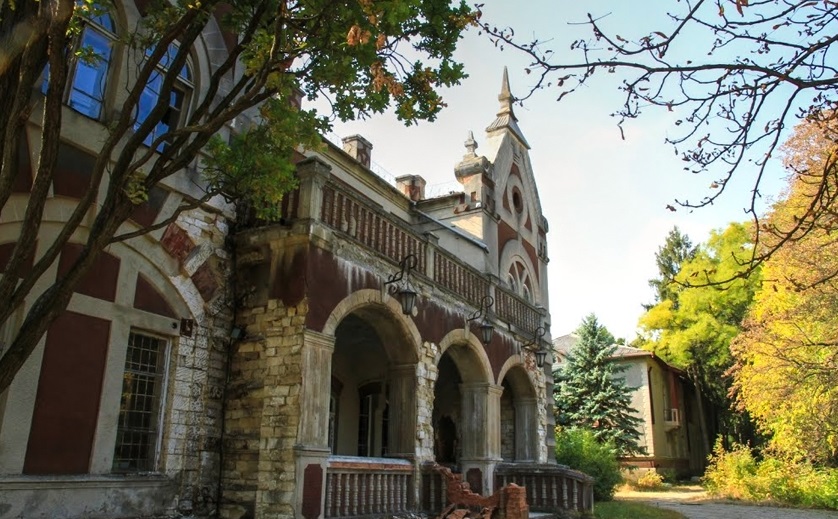
Moldova is best known for its vineyards, traditional villages, monasteries and warm hospitality. Yet the country has another, lesser-known cultural treasure: historic estates and manor houses scattered across different regions of the country.
These places offer a different way of discovering Moldova. History here is not found only in museums and official monuments. It can also be experienced through old houses, landscaped parks, family stories, literary heritage and the architecture of the 19th and early 20th centuries.
The MOLDSU guide to historic estates in Moldova features several sites connected with prominent families, writers, public figures and the aristocratic history of Bessarabia. Among them are the Lazo family estate, the Ralli-Arbore estate, Baliaoz Manor, Manuc Bey's estate, the estate of writer Alexandru Donici, the Bogdasarov family estate, the Krupensky estate and Pommer Manor.
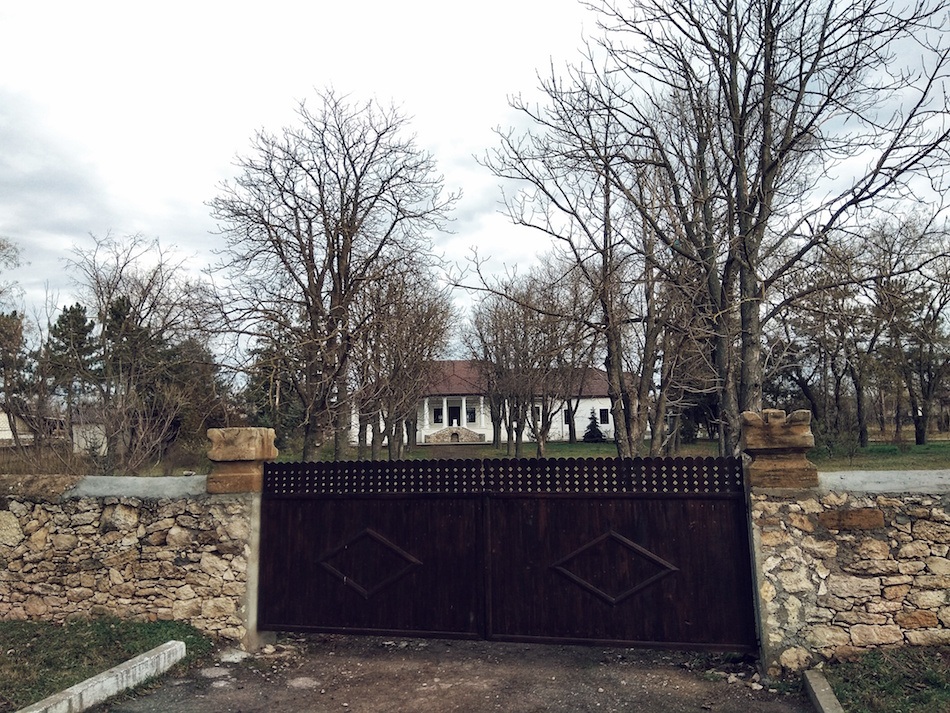
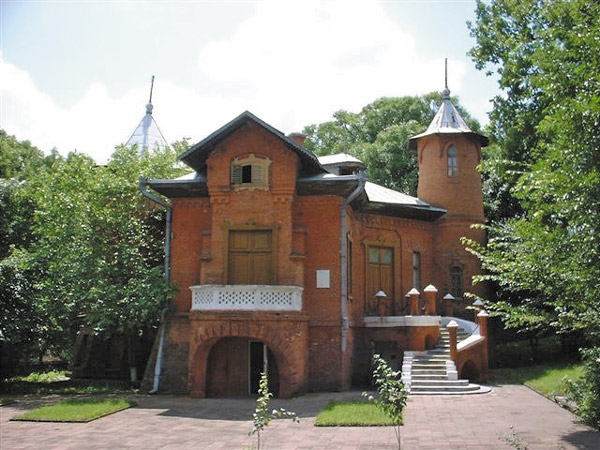
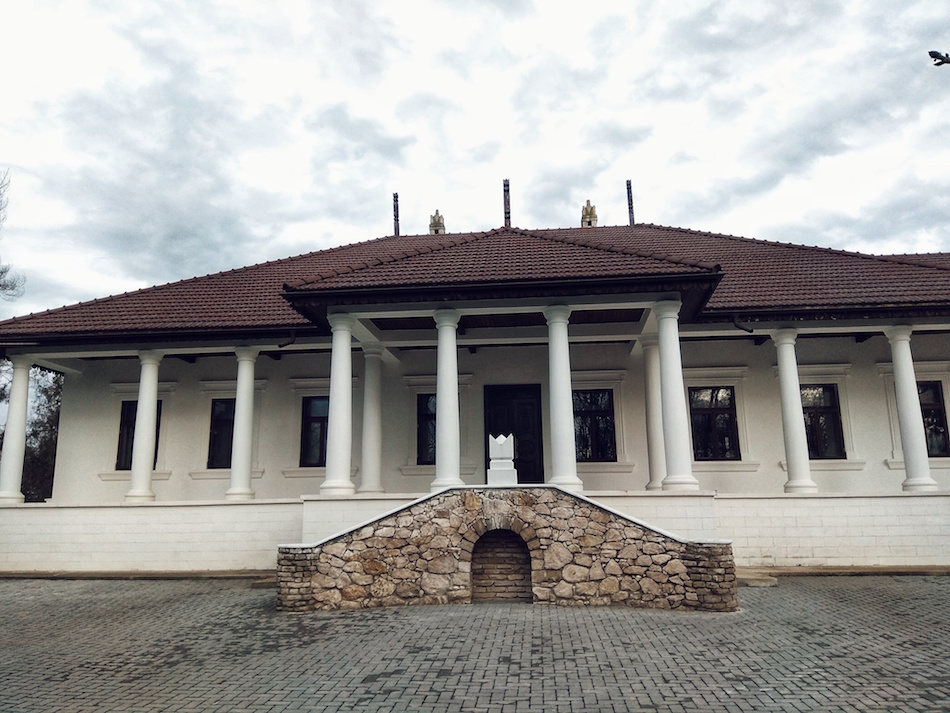
The Lazo family estate is located in the village of Piatra in Orhei District and dates back to the second half of the 19th century.
Architecturally, the building resembles a traditional rural house, although its layout is more formal, with rooms arranged around a central hall.
The estate is associated with the Lazo family and, in particular, with Sergei Lazo, a revolutionary figure whose life became closely connected with the political history of Moldova and Russia in the early 20th century.
During the interwar period, the building was used as a school. After the school moved to a new building in 1967–1968, the estate was restored and turned into a museum dedicated to Sergei Lazo. It became a branch of the National Museum of History.
Today, the site offers visitors an opportunity to explore both the architecture of a 19th-century estate and the history of one of the region's best-known families.
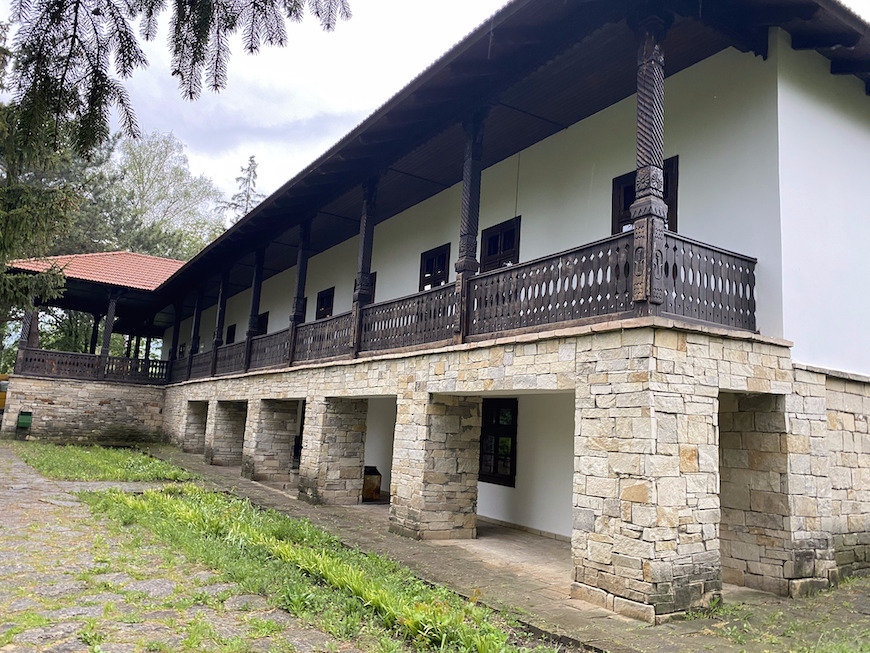
Around 55 kilometres from Chișinău lies the village of Dolna, a place closely associated with the Bessarabian period of Alexander Pushkin's life and with the history of the Ralli family.
The village was owned by the Ralli boyar family, and Pushkin had close connections with the family, particularly Zamfirache Ralli, who held an administrative position in Bessarabia.
Dolna is interesting not only for its historical connections. The surrounding area also includes a beautiful forest landscape and a natural reserve, making it possible to combine a cultural visit with a walk in nature.
For travellers staying in Chișinău, Dolna can therefore become part of a short historical and nature-oriented day trip.
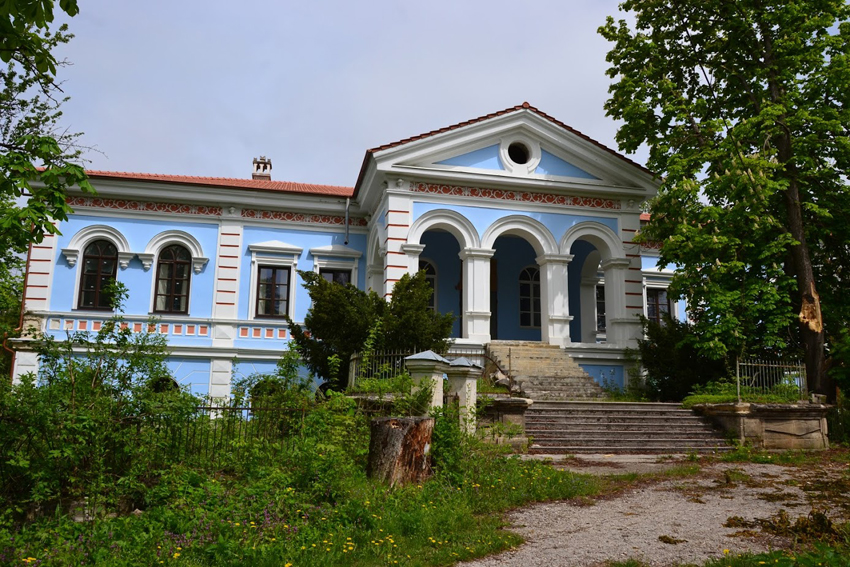
Another remarkable historic estate is located in the village of Ivancea, approximately 14 kilometres from Orhei.
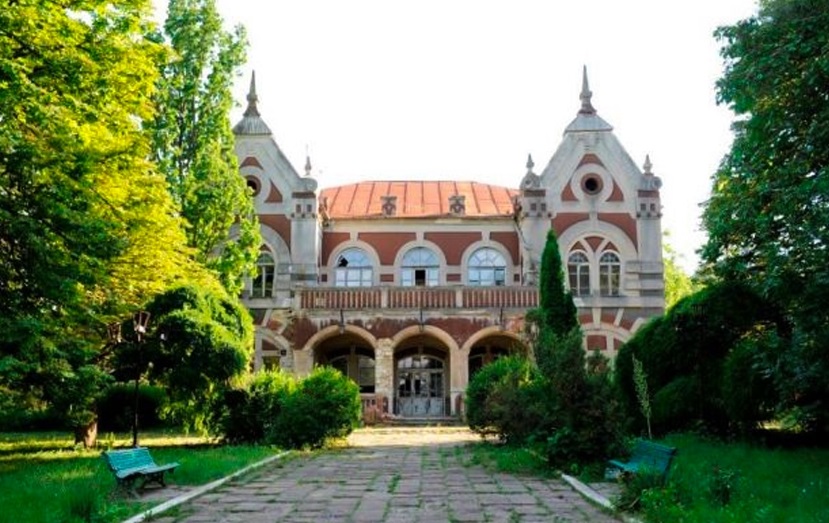
Baliaoz Manor was built in 1880 for landowner Karabet Baliaoz. Its architecture combines elements of Western European Renaissance and Russian Classicism.
The estate's park is equally important. According to MOLDSU, it is considered one of the oldest parks in Moldova.
The combination of historic architecture, an old park and the surrounding rural landscape makes Ivancea an appealing destination for travellers interested in heritage and architecture.
Its location near Orhei also makes it a convenient addition to a wider itinerary exploring central Moldova.
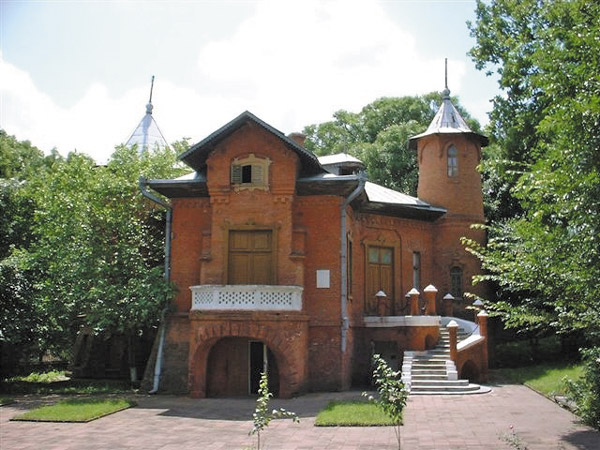
One of Moldova's best-known historic palace complexes is the estate associated with Manuc Bey.
According to the MOLDSU guide, the palace was built in 1891 by the architect Bernardazzi for Manuc Bey Mirzoyan. The guide describes him as a man of Armenian origin who was connected with diplomatic and intelligence activities involving the Ottoman and Russian empires.
The story of the estate reflects the complex history of Bessarabia, where Armenian, Ottoman, Russian, Moldovan and other cultural influences came together.
The palace is particularly interesting for its architecture and historical context.
Visiting places like this provides a deeper understanding of how diverse Moldova's cultural landscape was during the 19th century and how closely the region was connected with the major political and cultural forces of Eastern Europe.
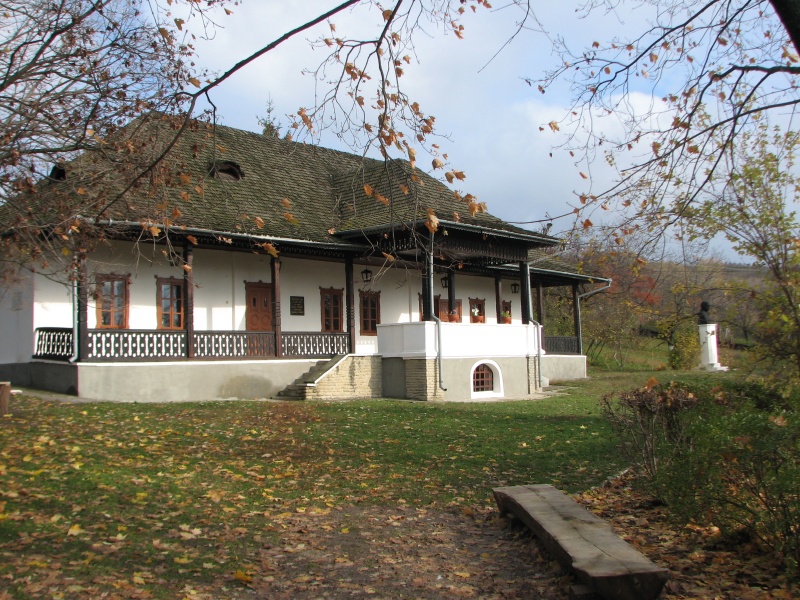
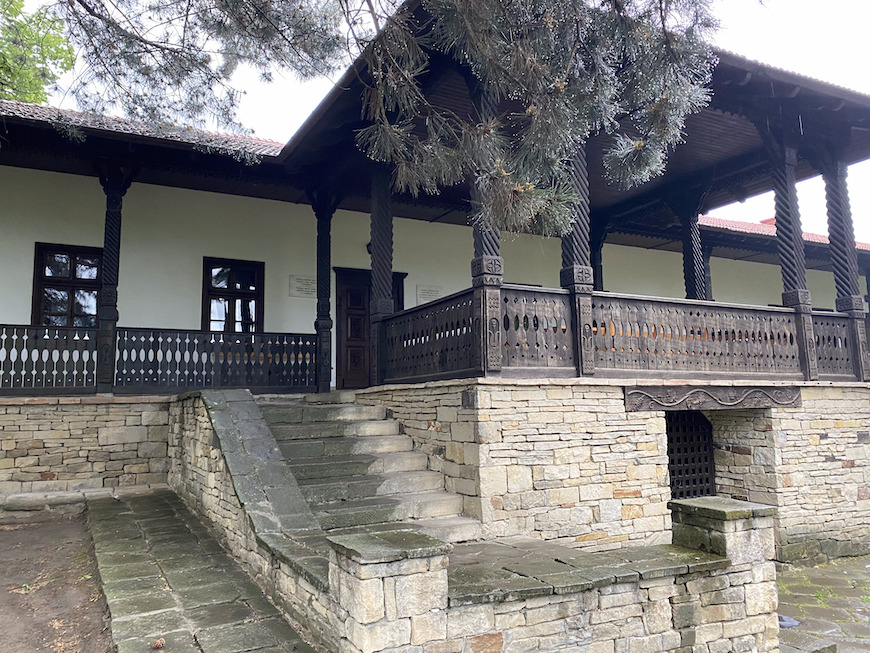
The village of Donici is home to an estate associated with Alexandru Donici, a Moldovan writer and one of the classic figures of Romanian literature.
Donici was born here on 19 January 1806 and died on 21 January 1865. He is particularly remembered as a writer and fabulist.
MOLDSU notes that relatively few estates from the late 18th and 19th centuries have survived in places where important writers and literary figures were born and lived. This makes the Donici estate valuable not only as an architectural site but also as part of Moldova's literary heritage.
For visitors interested in literature and cultural history, such places offer a more personal way to understand the relationship between a writer, his homeland and his work.
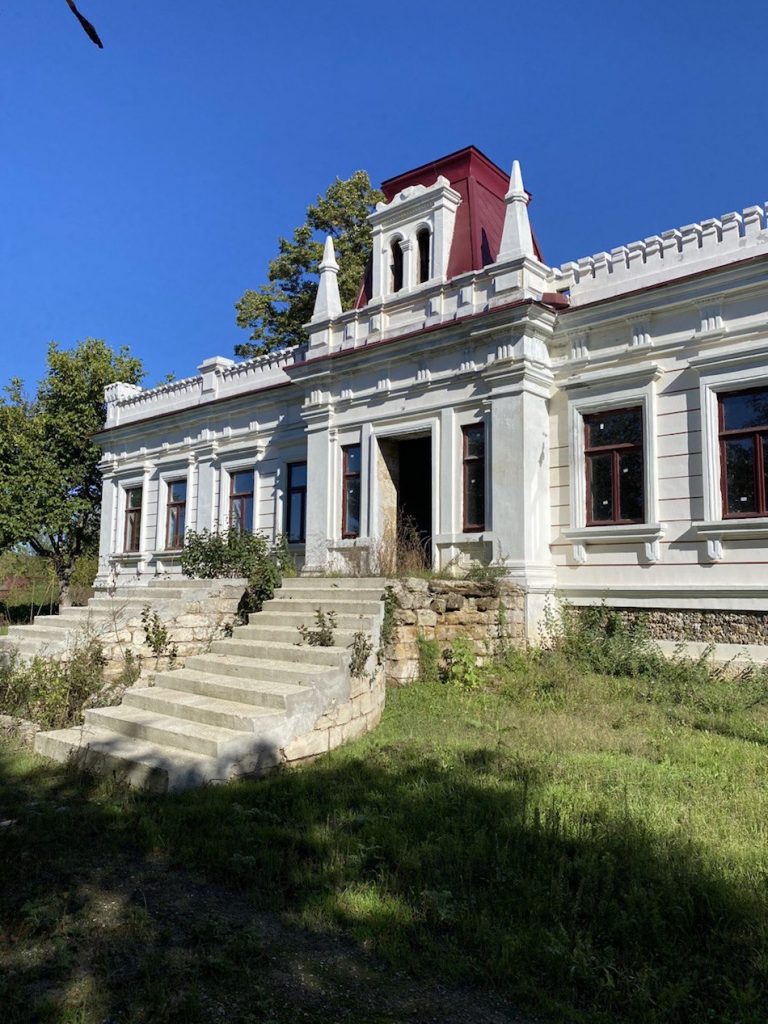
Another historic property can be found in Orhei District: the estate of the Bogdasarov family.
The estate was built in the late 19th or early 20th century and is considered a monument of national importance.
For a long period, the building was in a severely deteriorated condition and was used as storage by a local agricultural enterprise. It later passed into private ownership.
According to MOLDSU, businessman Tudor Veveriță undertook the restoration of the property. In 2019, approximately 500,000 Moldovan lei had reportedly been invested in the renovation, with further investment still needed at the time. The idea was to transform the historic estate into a tourist destination where visitors could also stay overnight.
The story of the Bogdasarov estate illustrates a broader challenge facing Moldova's historic heritage: preserving old buildings while finding them a meaningful role in contemporary tourism.
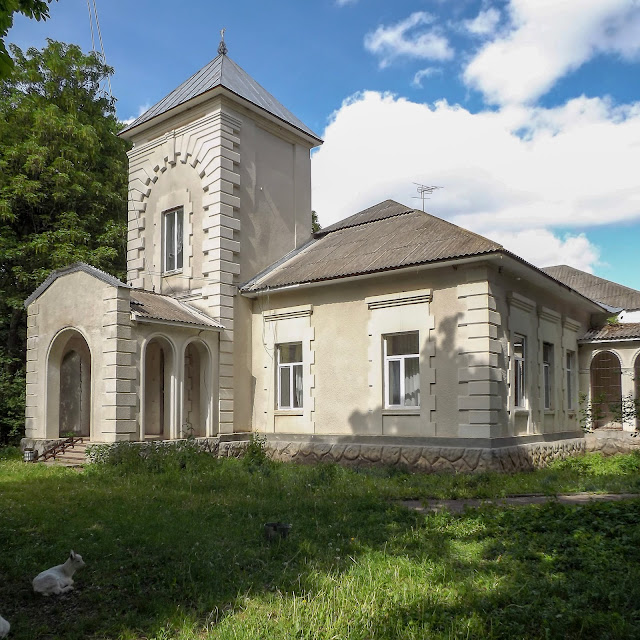
In northern Moldova, in Briceni District, visitors can discover the Krupensky estate and its park.
The MOLDSU article presents the estate from a particularly personal perspective. The author describes it as the main reason for travelling to Briceni District and as the starting point for planning a much larger journey through the region.
That personal experience highlights an important quality of Moldova's historic estates.
A place does not have to be internationally famous to be worth visiting. Some of the most rewarding travel experiences come from discovering lesser-known sites that reveal the character of a region.
Another remarkable historic estate can be found in the village of Țaul.
The Pommer family estate is one of the places the local community is particularly proud of. According to MOLDSU, visitors come to see it from different parts of Moldova and from abroad.
The property continues to be cared for, helping preserve the site for both local residents and visitors.
Pommer Manor is a good example of how historic heritage can become part of the modern identity and tourism appeal of a small Moldovan village.
Why Visit Moldova's Historic Estates?
Historic estates offer a different kind of travel experience.
They are not simply old buildings. They bring together architecture, landscape, family history, literature and the social history of the region.
A journey through Moldova's estates can reveal:
- the history of Bessarabian aristocratic culture;
- the influence of Western European architecture;
- Russian and Romanian cultural influences;
- Armenian and other cultural connections;
- the history of prominent Moldovan families;
- Moldova's literary heritage;
- historic parks and landscapes;
- the transformation of historic properties into museums and tourism destinations.
Another advantage is their geographical diversity. The estates are located in different parts of Moldova and can therefore be incorporated into broader road trips.
A journey through central Moldova, for example, can include Ivancea, Dolna and other historical sites around Orhei. Travellers exploring northern Moldova can add the Krupensky and Pommer estates to their itinerary.
Historic Estates as a New Tourism Route
Moldova is traditionally promoted through wine tourism, monasteries, nature and rural experiences. Historic estates could become another distinctive tourism theme.
An international visitor could follow a route built around the idea:
Historic Moldova: estates, writers, aristocracy and old parks.
Such an itinerary could combine historic houses and parks with wineries, monasteries, museums and traditional villages.
This type of journey is particularly attractive to travellers who prefer authentic places, local history and atmospheric destinations rather than conventional mass tourism.
A Journey Through Moldova's Memory
Moldova's historic estates are more than beautiful old buildings.
The Lazo estate tells the story of a prominent family and the political history of the early 20th century. Dolna recalls Alexander Pushkin and the Bessarabian period. Baliaoz Manor reflects the architectural diversity of the 19th century. Manuc Bey's palace reveals the international history of the region. The Donici estate preserves a connection with Moldovan literature. The Bogdasarov estate illustrates the challenges of preserving historic heritage, while the Krupensky and Pommer estates demonstrate how many lesser-known cultural treasures remain to be discovered across the country.
For travellers looking beyond the usual attractions, these estates offer a different way to experience Moldova — through its architecture, landscapes, people and stories.
A journey through Moldova's historic estates is ultimately a journey not only across the country, but through its memory.