Moldova may be one of Europe’s smaller countries, but it offers a surprising variety of places to explore and experiences to enjoy. From rolling vineyards and peaceful countryside to medieval fortresses, ancient monasteries, underground wine cellars, and traditional villages, Moldova is a destination where history, nature, culture, and hospitality come together.
Travelers visiting Moldova can discover a country that has preserved many of its traditions while gradually developing modern tourism infrastructure. The relaxed pace of life, welcoming atmosphere, authentic cuisine, and centuries-old winemaking culture make Moldova an especially interesting destination for those looking to experience a different side of Europe.
Whether you are interested in history, architecture, wine, gastronomy, nature, or simply want to explore somewhere less crowded, Moldova has something to offer.
Discover Moldova Throughout the Year
Moldova is a year-round destination, with each season offering a different way to experience the country.
Spring transforms the countryside with fresh greenery, blooming gardens, and vineyards coming back to life. It is an excellent time for sightseeing, hiking, countryside excursions, and exploring Moldova's monasteries and natural attractions.
Summer brings long, warm days that are ideal for discovering the country's villages, vineyards, nature reserves, and outdoor attractions. Visitors can combine sightseeing with wine tastings, local food experiences, and leisurely trips through the countryside.
Autumn is one of the most exciting seasons to visit Moldova. The vineyards become especially beautiful, and the grape harvest brings a lively atmosphere to wine-producing regions. Wine festivals, tastings, and visits to local wineries offer travelers an opportunity to discover one of the most important parts of Moldovan culture.
Winter offers a different experience. Historic towns, monasteries, museums, restaurants, and traditional markets become especially inviting during the colder months. It is also a great time to enjoy Moldovan cuisine and experience the country's customs and hospitality at a slower pace.
Historic Places and Cultural Heritage
Moldova's history can be discovered throughout the country. Ancient monasteries, medieval fortresses, historic towns, and archaeological sites provide a glimpse into the region's past.
One of the country's most remarkable destinations is Old Orhei, a spectacular cultural and natural complex surrounded by limestone cliffs and the Răut River. The area combines archaeological remains, traditional villages, caves, and ancient religious sites, making it one of the most memorable places to visit in Moldova.
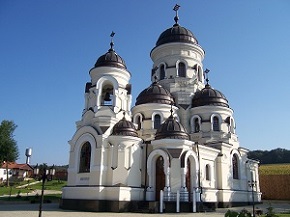
The country is also home to several historic monasteries, many of which are located in beautiful rural landscapes. Their architecture, peaceful surroundings, and long history make them an important part of Moldova's cultural heritage.
Medieval fortresses are another highlight. The Soroca Fortress, standing on the banks of the Dniester River, is one of the country's best-known historical landmarks. The Bender Fortress is another impressive site, reflecting the diverse history of the region.
Moldova's Wine Culture
Wine is an essential part of Moldova's identity and one of the country's biggest attractions for international visitors.
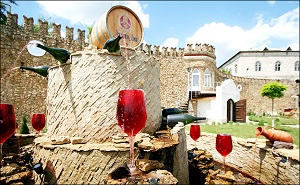
Moldova has a long winemaking tradition, and vineyards cover large parts of its countryside. The country is particularly famous for its extensive underground wine cellars, where wine is stored in vast networks of tunnels.
The wineries of Cricova and Mileștii Mici are among the most famous. Visitors can explore underground galleries, learn about Moldovan winemaking traditions, and enjoy wine-tasting experiences.
For travelers interested in gastronomy and local culture, wine tourism offers much more than a simple tasting. It is an opportunity to meet local producers, discover traditional grape varieties, learn about the country's winemaking heritage, and experience the landscapes where Moldovan wine is produced.
Nature and the Moldovan Countryside
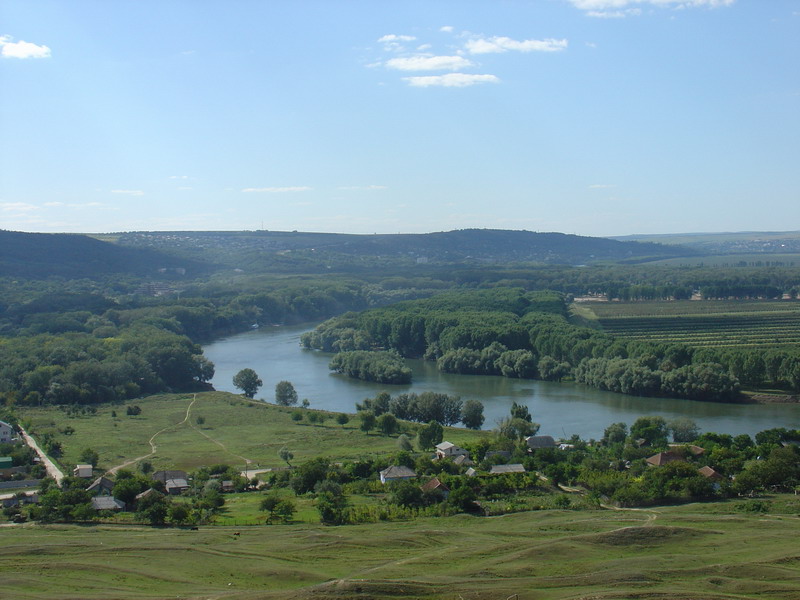
Moldova's natural beauty is often found away from the major cities. Rolling hills, vineyards, forests, rivers, lakes, and picturesque rural landscapes create ideal conditions for peaceful countryside trips.
The Dniester River is particularly scenic, with cliffs, forests, and small villages along its banks. Places such as the Țipova Monastery combine natural beauty with historical and religious heritage, while Moldova's protected areas provide opportunities to enjoy the country's diverse landscapes.
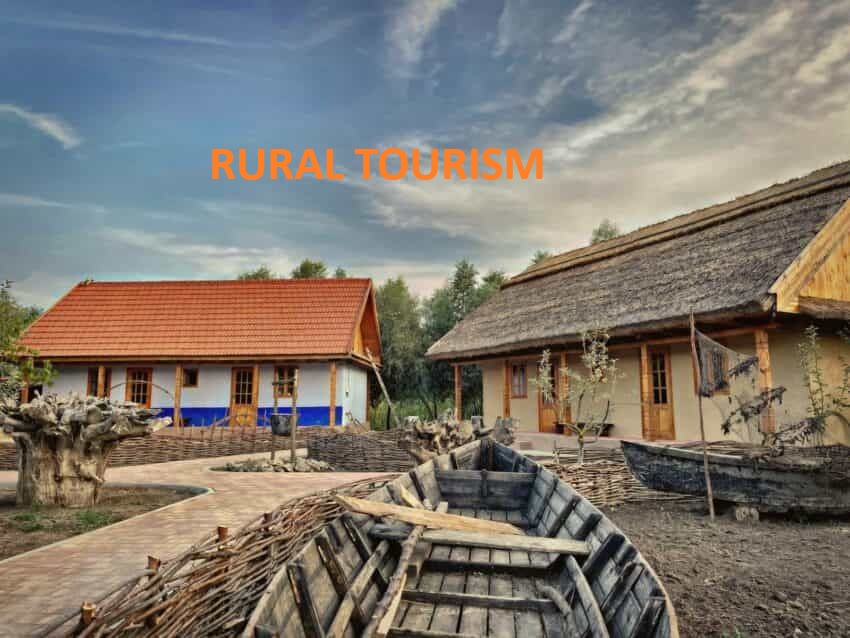
For visitors who prefer a slower style of travel, Moldova's villages offer an authentic alternative to traditional sightseeing. Rural excursions can include visits to local homes, traditional meals, craft workshops, vineyards, and small family-run wineries.
Traditional Villages and Local Life
One of the best ways to understand Moldova is to experience everyday life outside the capital.
Traditional villages preserve elements of Moldovan architecture, customs, crafts, and cuisine. Many rural communities welcome visitors and offer opportunities to experience local traditions firsthand.
Travelers can taste homemade dishes, discover traditional crafts, visit local wineries, and learn about customs that have been passed down through generations.
Moldovan cuisine itself is an important part of the travel experience. Traditional dishes often feature fresh local ingredients and reflect the country's agricultural heritage. Homemade bread, seasonal vegetables, meat dishes, cheeses, and traditional pastries are commonly served alongside locally produced wines.
Chisinau – The Heart of Moldova
No trip to Moldova is complete without exploring Chisinau, the country's capital and largest city.
Chisinau combines green parks, historic buildings, museums, churches, restaurants, cafés, and lively public spaces. The city is a convenient starting point for exploring the rest of the country and is also a destination worth experiencing in its own right.
Visitors can walk through the central streets, explore local museums, relax in the city's parks, visit historic churches, and discover Moldovan food and wine in restaurants and cafés.
Chisinau also provides easy access to many of Moldova's most popular attractions, making it an ideal base for day trips.
New Routes and Authentic Experiences
Moldova's tourism landscape continues to develop, and travelers have an increasing number of opportunities to explore the country beyond its most famous landmarks.
New travel routes connect wineries, historic sites, villages, natural attractions, and cultural destinations. Wine tours, gastronomic journeys, cycling routes, hiking trips, rural tourism, and cultural excursions are becoming increasingly popular.
These experiences allow visitors to see a more personal side of Moldova — one shaped not only by monuments and landscapes, but also by local people, traditions, food, music, and everyday life.
A Growing Destination in Europe
Moldova is gradually becoming more visible on the European tourism map. Travelers are increasingly attracted by its combination of authentic experiences, cultural heritage, natural landscapes, wine traditions, and welcoming atmosphere.
Another advantage is that Moldova can be explored without the crowds often found at Europe's more established tourist destinations. This makes it particularly appealing to travelers who prefer independent journeys, local experiences, and discovering places that feel genuine and unhurried.
Convenient to Explore
Moldova's relatively compact size makes it possible to visit many of its main attractions during a short trip. Chisinau serves as the country's main transportation and tourism hub, while many popular destinations can be reached on day trips or short excursions.
Chisinau International Airport provides connections with destinations across Europe and serves as the main gateway for international visitors. Moldova can also be reached by international bus and rail connections, making it possible to combine a visit to the country with a wider Eastern European itinerary.
Once in Moldova, travelers can explore the country by car, join organized excursions, or use local transportation to reach major towns and attractions.
Why Visit Moldova?
Moldova is a destination for travelers who want more than traditional sightseeing. It is a place where you can spend the morning exploring an ancient monastery, visit a medieval fortress in the afternoon, and finish the day with a traditional dinner and a glass of locally produced wine.
The country's greatest attraction is perhaps the combination of experiences it offers. History and modern life, vineyards and villages, nature and architecture, traditions and contemporary tourism all exist side by side.
Moldova is also known for the warmth of its people. Hospitality is deeply rooted in local culture, and visitors are often welcomed with genuine friendliness and a desire to share food, wine, stories, and traditions.
Discover Moldova
Small in size but rich in history, culture, nature, and traditions, Moldova is an inviting destination for travelers looking for something different.
Explore ancient monasteries and fortresses, walk through vineyards, discover underground wine cellars, taste traditional cuisine, visit peaceful villages, and experience the country's unique atmosphere at your own pace.
Whether you are planning a weekend getaway, a wine-focused trip, a cultural journey, or a longer adventure through Eastern Europe, Moldova offers plenty of reasons to stay curious and explore further.
Discover Moldova — a small country with unforgettable places, authentic experiences, and a warm welcome.