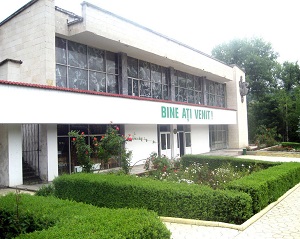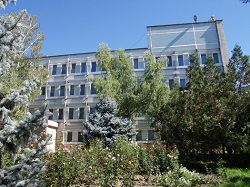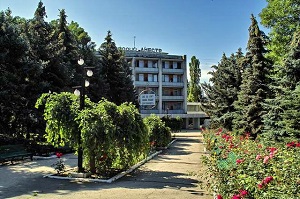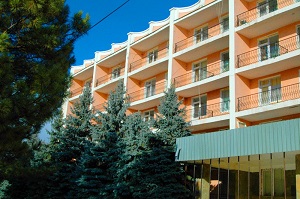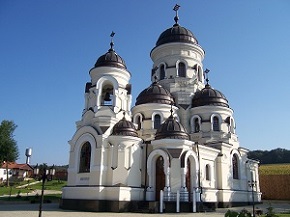
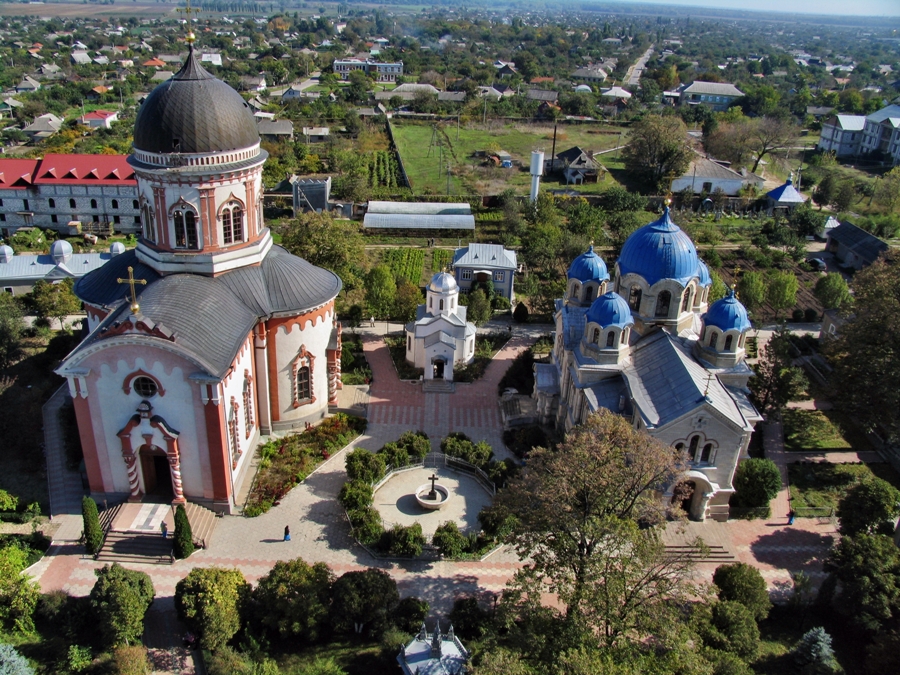
Location: The monastery is located on the picturesque banks of the Dniester River, near the village of Chişcani in the Causeni district , 77 km from Chisinau . It is the largest religious architectural complex in Moldova, combining spiritual heritage, rich history, and unique architecture. The monastery is a pilgrimage center and one of the most significant Orthodox monasteries in the country.
The monastery is considered a direct descendant of the Neamț Lavra , one of the largest centers of medieval Moldavian culture, where the monks' spiritual traditions and craftsmanship were shaped. The Noi Neamț Monastery continues these traditions today, preserving the spiritual atmosphere of the ancient monastery.
History of the monastery
The monastery's history is inextricably linked with the fate of the Neamț Lavra in the Carpathians . In the 19th century, under the reign of Alexander Ioan Cuza, the monks of the old Lavra faced difficulties: the secularization of monastic property and the ban on services in Church Slavonic . This necessitated the creation of a new monastery on safer grounds.
In 1859, several monks, led by Father Andronicus Popovici, crossed the Prut River and settled on the lands of the Neamț Lavra near Chițcani. Together with Hieromonk Feofan Cristea, they petitioned Archbishop Anthony of Chișinău and Khotin to establish a new monastery. In 1864, the Holy Synod of the Russian Orthodox Church approved the founding of the Holy Ascension Novo-Niamț Monastery .
Construction of the monastery lasted almost 50 years . The following were erected on the site:
-
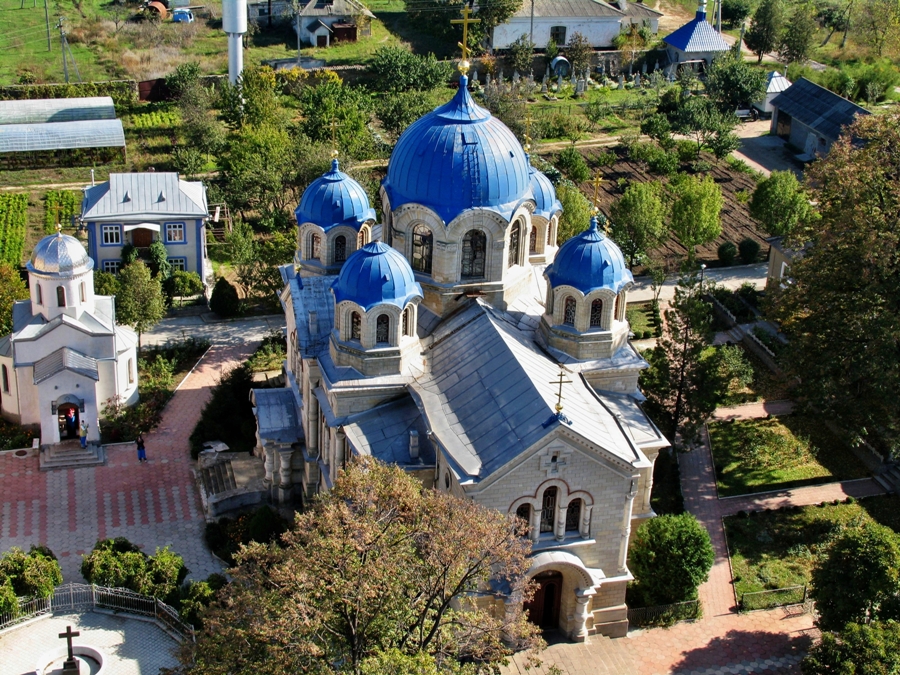
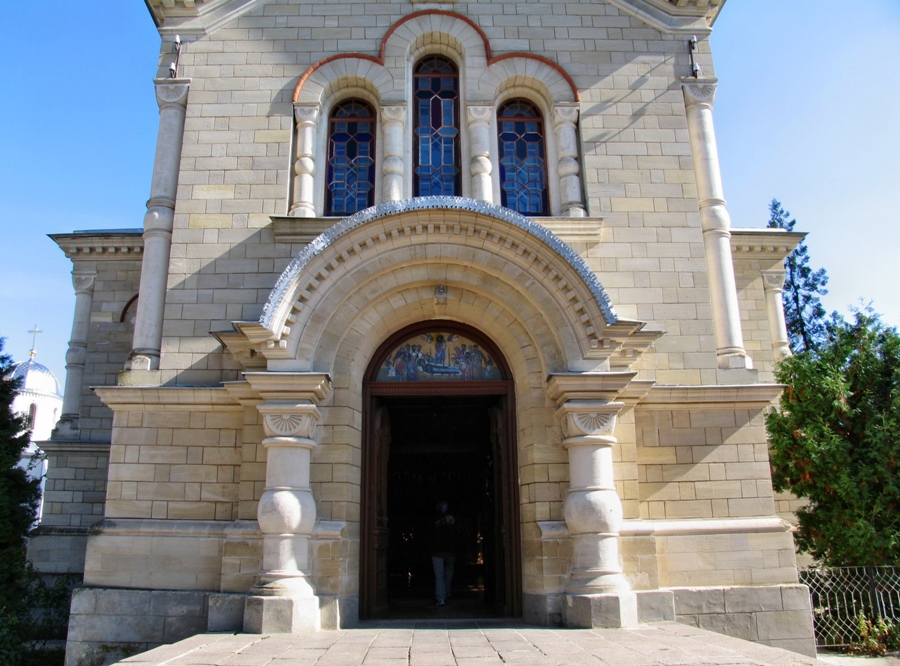
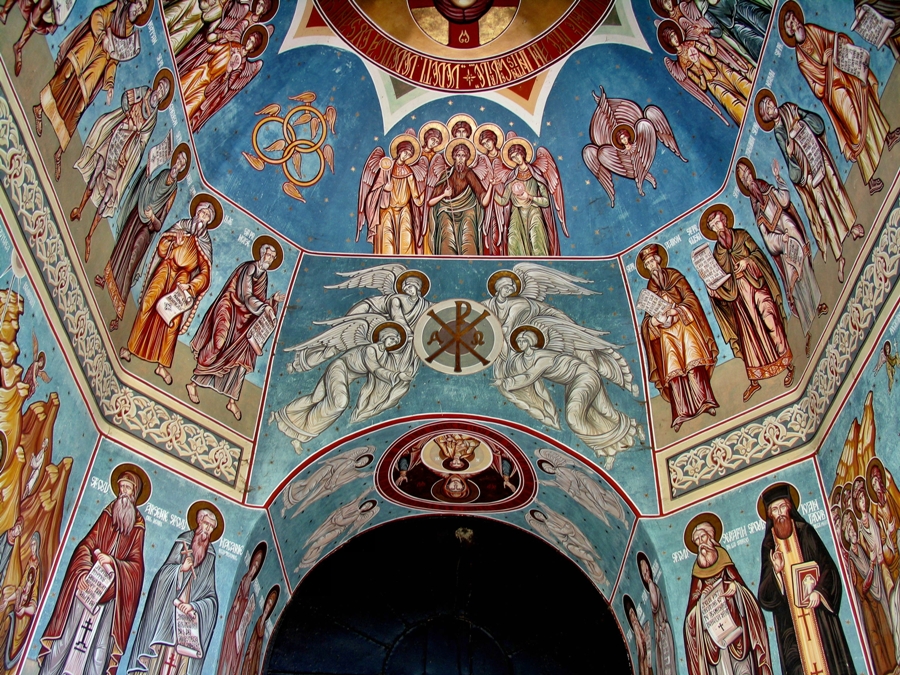
The Cathedral of the Ascension of the Lord is the main summer church with a spacious nave.
-
The bell tower was the tallest in Moldova at the beginning of the 20th century (64 meters, five levels)
-
Refectory and kitchen made of stone
-
Hospital for the needy and sick
-
A two-story building of cells for monks and pilgrims
Architecture and attractions
The monastery is a harmonious blend of Russian and Moldovan architectural styles of the 19th century . Key features:
-
An oak alley with figures of novices carved into tree trunks creates a unique sculptural route for pilgrims.
-
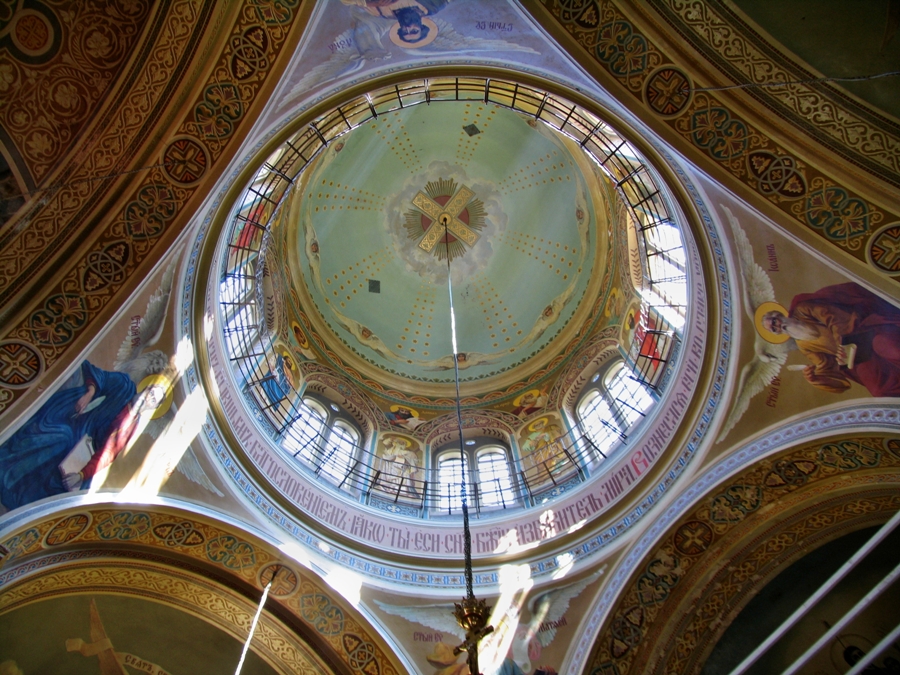
The Cathedral of the Ascension of the Lord is built in a strict classical style with high vaults and a spacious dome.
-
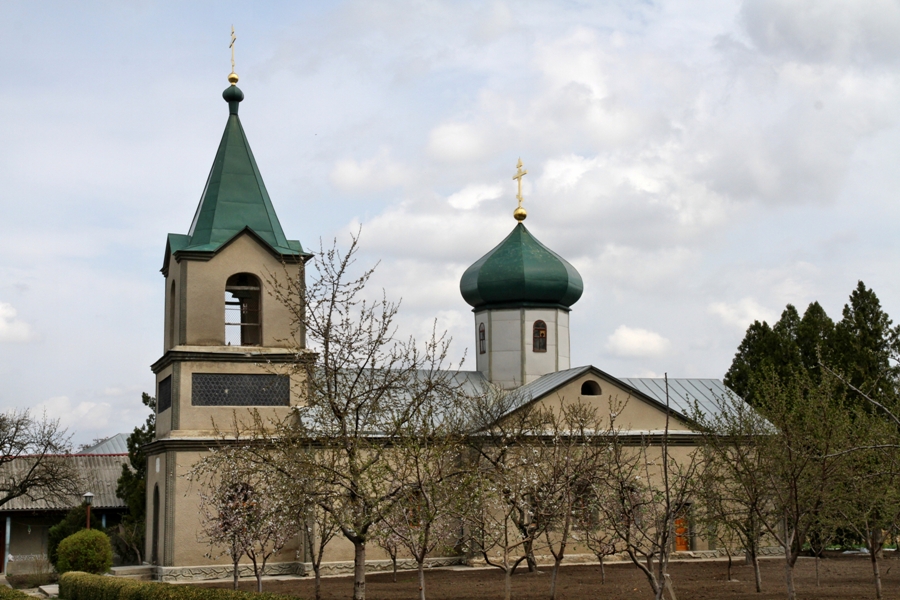
The Assumption and St. Nicholas churches are winter churches with carved iconostases and ancient frescoes.
-
The Holy Exaltation Church is a small temple for solitary prayer.
In addition, the monastery contains historical monuments and relics, including:
-
The miraculous icon of the Mother of God with the face of St. George the Victorious
-
Holy relics donated by the Patriarchs of Jerusalem and Constantinople
-
The staff of St. Paisius Velichkovsky
-
Manuscripts and books of the founder of the monastery, Archimandrite Andronik Popovich
Spiritual life
Since its founding, the monastery has been the spiritual center of the region. The following events were held here:
-
Daily services and prayers
-
Educational work for monks and seminarians
-
Pilgrimage for believers from all over Moldova and neighboring countries
The monastery is also renowned for its library , which houses hundreds of ancient books, manuscripts, and liturgical publications, many of which are unique. Theology, church history, and ancient rituals are studied here, making the monastery an important center of Orthodox education.
Trials and Rebirth
In the 20th century, the monastery experienced a number of difficult events:
-
In 1945, Hieromonk Aksenty Munteanu was sent to the Gulag for preserving church valuables.
-
In 1962, the Soviet authorities closed the monastery, turning the churches into a hospital and warehouses.
-
The bell tower served as a museum of military glory, and the monastery buildings were used for economic purposes.
The revival began in 1989. The churches were restored, the Theological Seminary named after St. Paisius Velichkovsky was opened , and the bell tower with its 12 bells was restored. The largest bell weighs 8.7 tons . In 1999, the restoration of the Holy Ascension Cathedral was completed , and the monastery once again became the spiritual center of the region.
Modern monastery
Today the Novo Neamts Monastery is:
-
Center for Orthodox Education and Spiritual Life
-
A place of pilgrimage and cultural tourism
-
Architectural monument of national significance
-
A monastery where the traditions of the ancient Neamț Lavra continue
Tours, religious services, and excursions to the monastery's historical and cultural monuments are open to visitors.
Nature and surroundings
The monastery is located on the banks of the Dniester River , surrounded by picturesque hills, forests, and oak groves. A walk through the grounds allows you to enjoy not only the spiritual atmosphere but also the natural beauty:
-
View of the Dniester River from the monastery terraces
-
Walking along alleys lined with centuries-old trees
-
An opportunity to relax in peace and solitude
Practical information
-
Address: Chitcani village, Causeni district, Moldova
-
Distance from Chisinau: 77 km
-
Opening hours: daily, including holidays
-
For pilgrims and tourists: excursions and visits to temples, participation in religious services
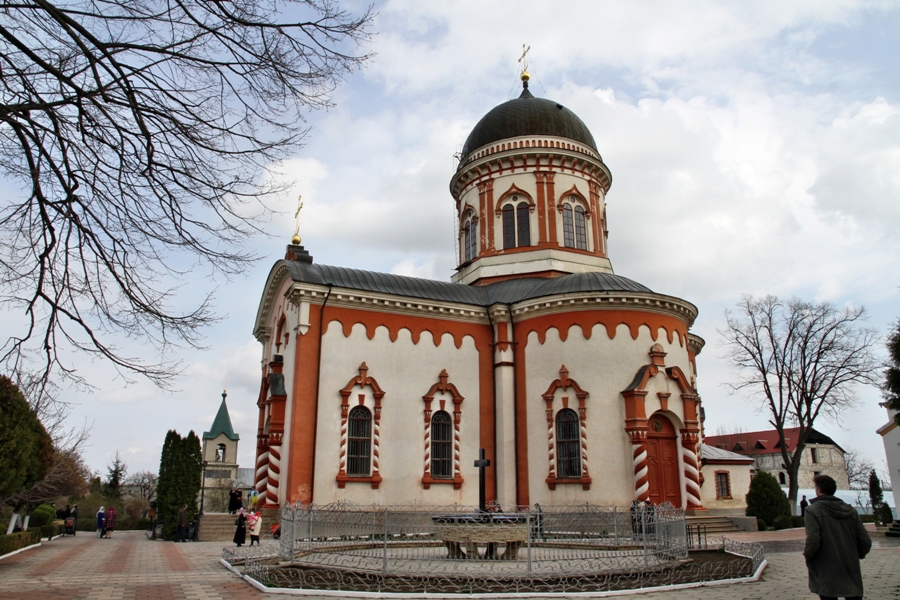
Holy relics: The Cathedral of the Ascension of the Lord houses a reliquary containing particles of holy relics, received as a gift from Patriarch Kirill of Jerusalem.
Icons and valuable utensils: the staff of St. Paisius Velichkovsky and several manuscripts of Archimandrite Andronik Popovich, the founder of the Lavra, are kept here.
Contacts: Monastery of the Ascension of the Lord, Noul Neamt
Village of Kitskani, Slobozia district, Transnistria.