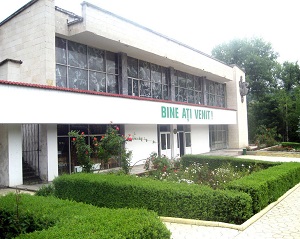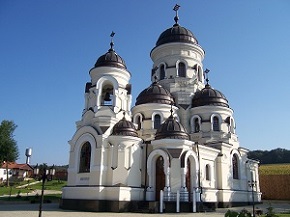
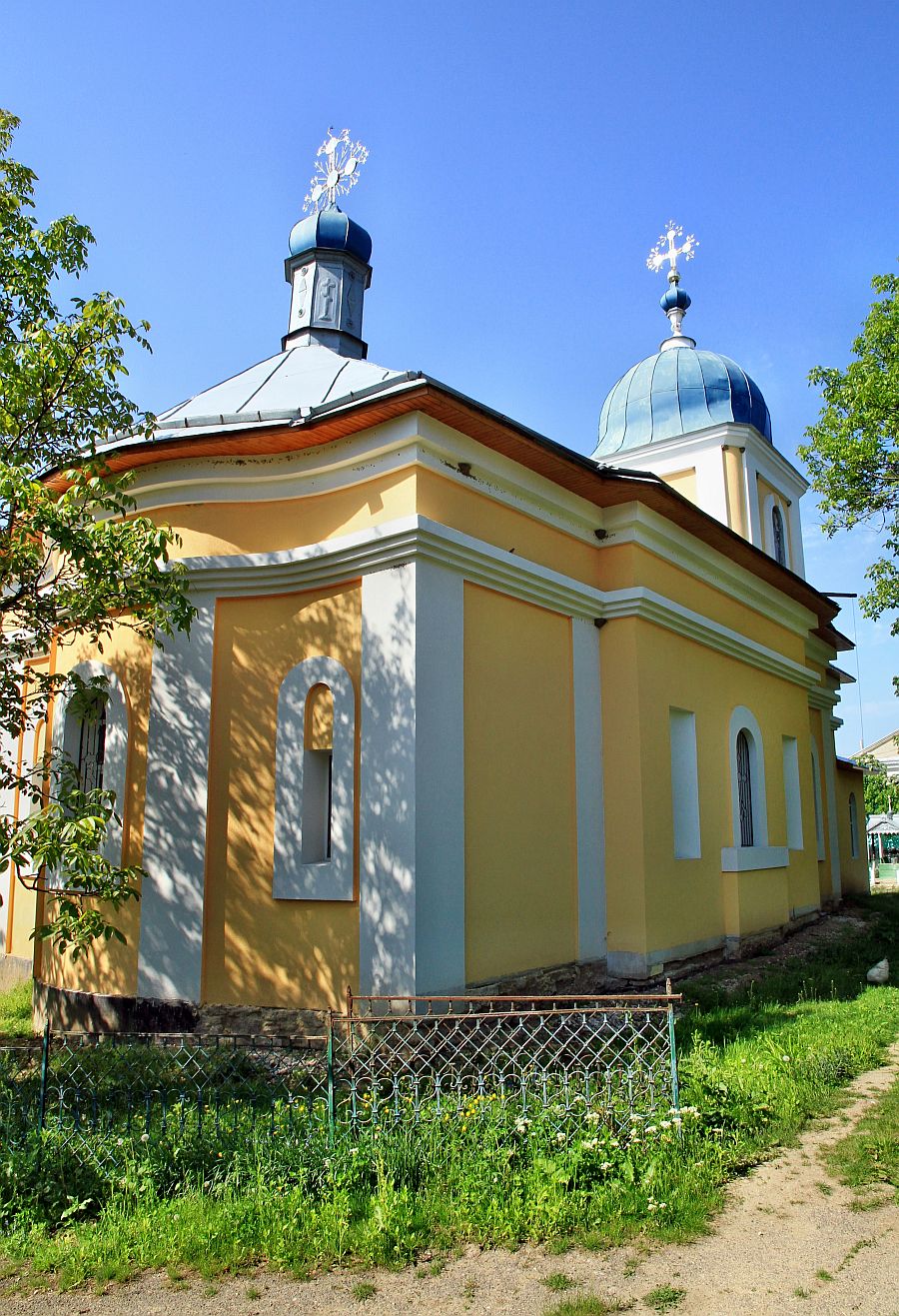
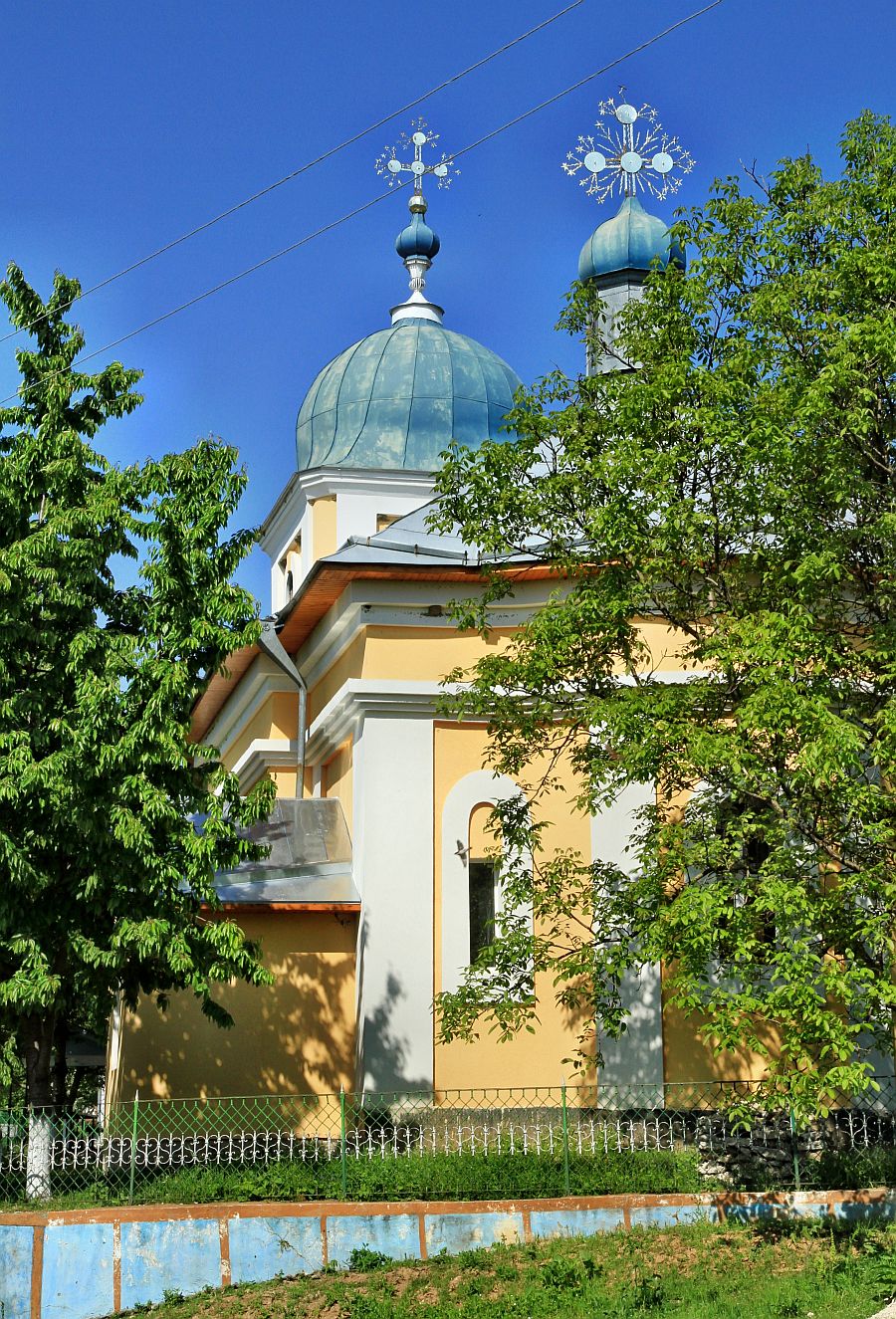
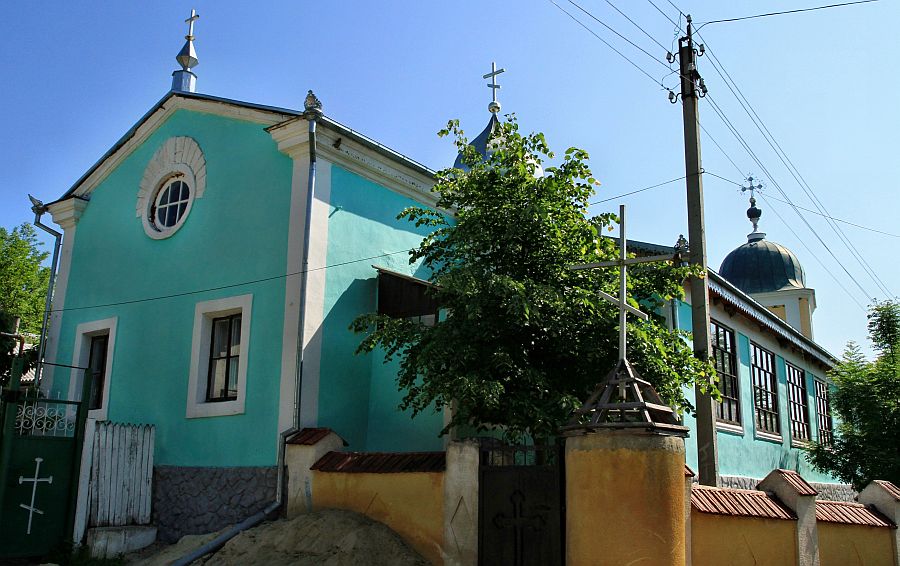
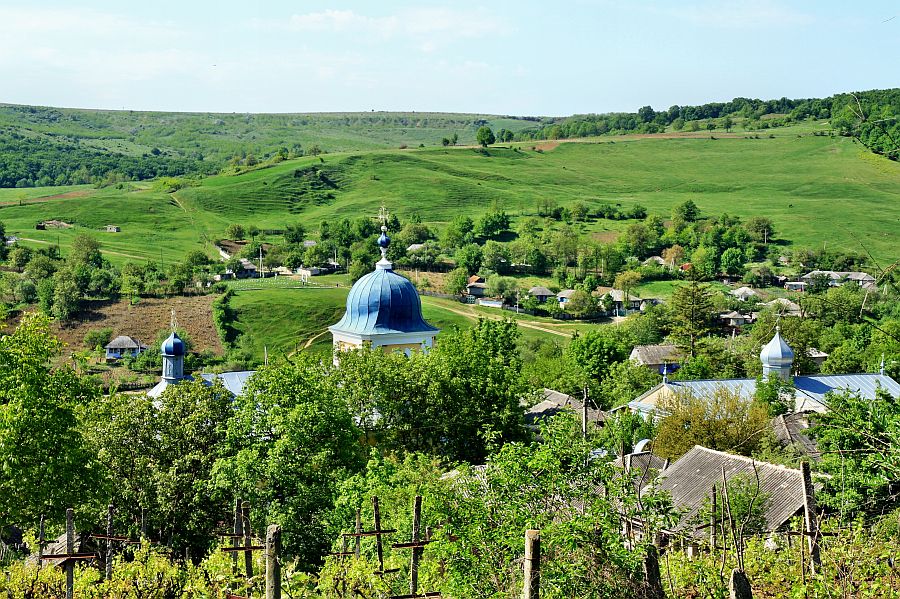
Tabăra Monastery, with its Church of the Dormition of the Blessed Virgin Mary , is a convent located in a picturesque area near the village of Tabăra , just 21 km from the city of Orhei . The monastery stands amidst forests and fields, creating an atmosphere of tranquility, spiritual solitude, and prayerful concentration.
The founding of the monastery
The monastery's history is shrouded in some uncertainty. According to researchers, the monastery was founded in 1784 by the boyar Georgy Russo , who donated land and funds for its construction. Other sources attribute the founder to the vetafa Darius Karp , who dedicated funds to the monastery in 1779.
Initially, the monastery was a male monastery , where monks lived, observing a strict rule and monastic discipline.
Conversion into a convent
In 1815 , by order of Metropolitan Gabriel Bănulescu-Bodoni , the monks abandoned the monastery, and nuns from the "Fîntîna Doamnei" (Well of the Lady) skete in Orhei County were resettled there . Thus, the monastery became a convent.
Architecture and construction of temples
In 1828, in place of the old wooden church from the 18th century , a summer Assumption Church was built from stone and brick, with strong walls capable of retaining heat in winter and coolness in summer.
In 1857, a second stone church, the Holy Trinity Church , was erected , also built using traditional stonework and brick.
The monastery's churches were distinguished by their modest yet expressive architecture, typical of Orthodox monasteries of the time. Inside, the churches were decorated with frescoes, icons, and wood carvings.
The period of Soviet repressions
During the Soviet period, the monastery experienced severe trials:
-
The Church of the Dormition of the Blessed Virgin Mary was converted into a club and later used as a warehouse ;
-
The Holy Trinity Church was converted into a village school;
-
In 1959, the nuns were expelled and their cells and houses were occupied by local residents;
-
Monastery books, documents and church utensils were lost or dispersed.
Despite this, the spiritual life of the nuns did not fade away: many continued to pray in secret, preserving traditions and faith.
Revival of the monastery
The monastery was reopened in 1990. From that moment on, active restoration work began:
-
The interior painting of the Assumption Church , completed in 1956, was carefully restored in the 1990s;
-
The cells and outbuildings have been restored;
-
A refectory, abbot's quarters and rooms for novices have been equipped.
Shrine and spiritual significance
The monastery contains two ancient icons of the Mother of God with the baby Jesus :
-
Icon of 1821 ,
-
Icon from 1863 .
These shrines attract pilgrims and believers from all over Moldova, who come to the monastery for prayer, spiritual strengthening, and seeking blessings.
The monastery continues to be the center of spiritual life in the region, maintaining monastic discipline, holding daily services, and celebrating Orthodox holidays such as the Dormition of the Theotokos , making it an important shrine for believers.
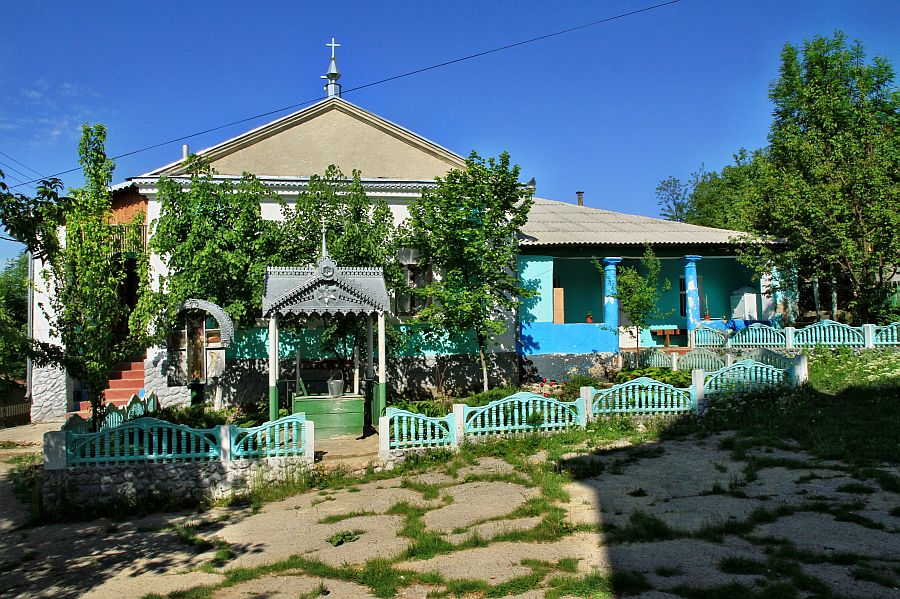
Contacts:
Monastery of the Dormition of the Blessed Virgin Mary, Tabera
Tabera village, Orhei district.