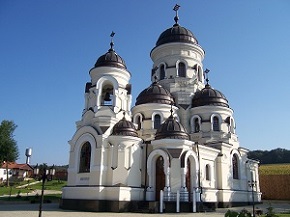
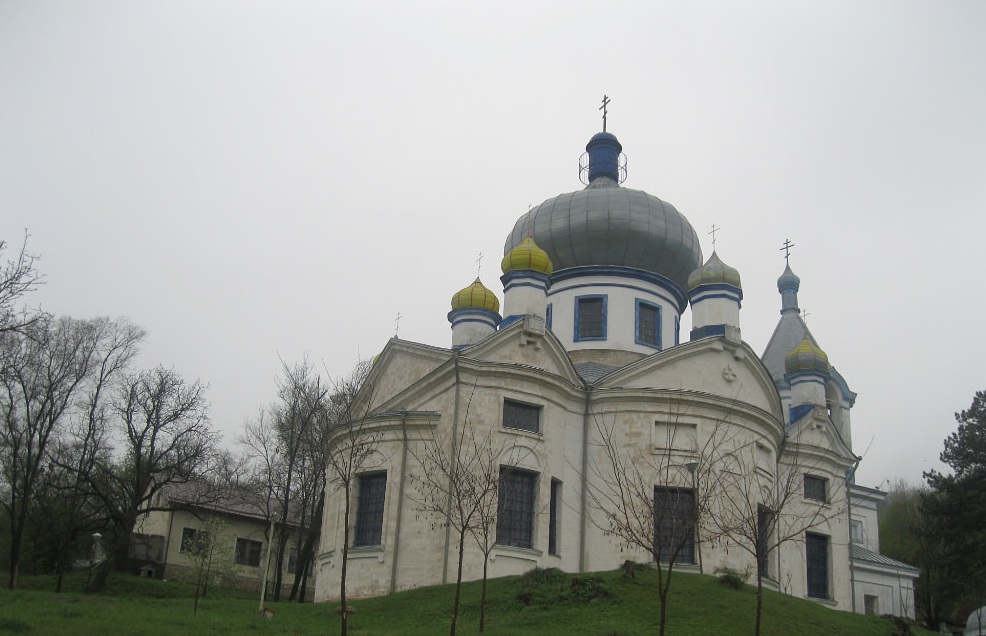
The Monastery of St. Nicholas the Wonderworker in Condrita is a quiet pearl of Moldova's Codrii Mountains.
The St. Nicholas Monastery is located just 30–40 kilometers from Chisinau , surrounded by picturesque hills and dense forests of the Codri Mountains. This place is ideal for those seeking a break from the bustle of the city, immersing themselves in a spiritual atmosphere, and enjoying the beauty of nature .
Atmosphere and impressions
Condrița Monastery stands out from other major tourist destinations with its calm, serene atmosphere . There are no crowds of tourists, lavish weddings, or noisy excursions—only silence, clean air, and a sense of peace.
Visiting Condrița, one gets the impression that even the birds are frozen in awe as they soar above the church domes. This is precisely what makes the monastery unique— purity and simplicity harmoniously blend with the spiritual solemnity inherent in an Orthodox monastery.
How to get there
The monastery is easy to reach:
-
By car , the road is comfortable, paved, and almost perfectly smooth.
-
By minibus - from the central bus station of Chisinau, heading towards Leuseni.
-
By bike – the route is popular among cyclists, especially through forests and along the Ialoveni Reservoir.
Along the way you can see many picturesque places : hills, fields, forests and a reservoir, and also visit other monasteries, such as St. George in Suruceni , Capriana and Hincu .
Practical information for tourists
-
Time to visit: It is best to set aside a whole day to leisurely explore the area and enjoy the nature.
-
What to take with you: comfortable walking shoes, water, a camera.
-
Tip: After visiting the monastery, take a walk through the surrounding hills and forests, which offer picturesque views of Codri and the valley.
The Monastery of St. Nicholas the Wonderworker in Condrița is a place for those seeking peace, spiritual inspiration, and the beauty of Moldovan nature . A single visit leaves a deep impression and a desire to return again and again.
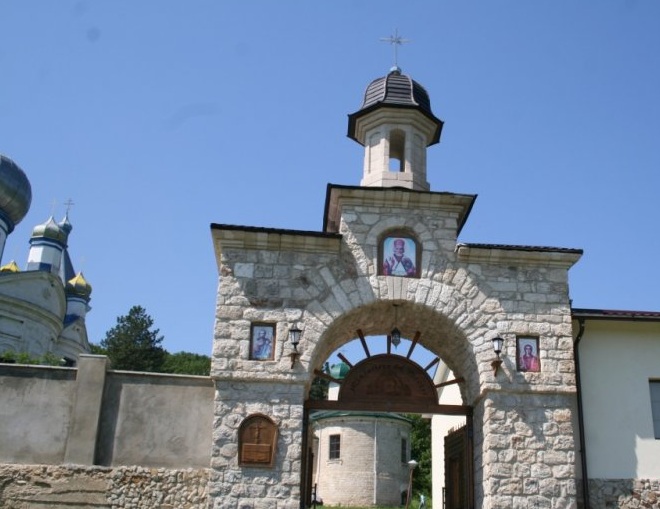
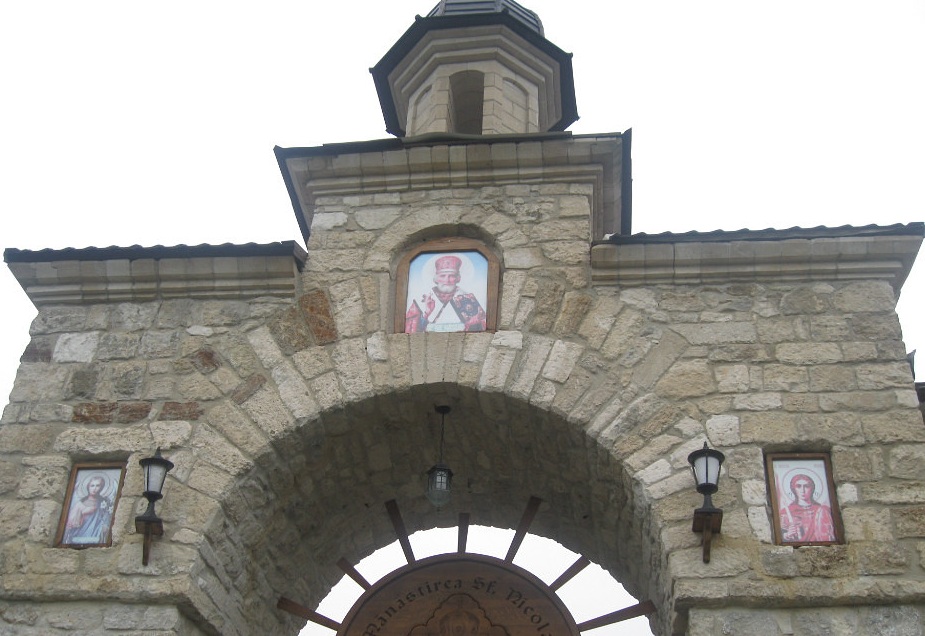
The Condrica Monastery in honor of St. Nicholas the Wonderworker has a long history. Its origin, like that of most Moldovan monasteries, is linked to a legend. According to legend, the haiduk Condrea, who had destroyed many souls in battles and fights, decided to return to civilian life completely purified. He found a monk who instructed him to atone for his sins by watering a dry tree stump until branches grew on it. The monk apparently appreciated the old haiduk's sins, as the task was complicated by the fact that the water had to be carried in his mouth. However, Condrea did not despair and set to work with zeal. You understand that if he had failed, there would be no legend? True, history is silent on how many days it took to perform this miracle, but the stump did blossom. In gratitude, the exhausted Condrea founded a church on this site. Here the legend ends, and the facts begin.
According to documents, the Condrita Monastery was founded in 1783 as a skete by Hieromonk Joseph from the Kaprijana Monastery.
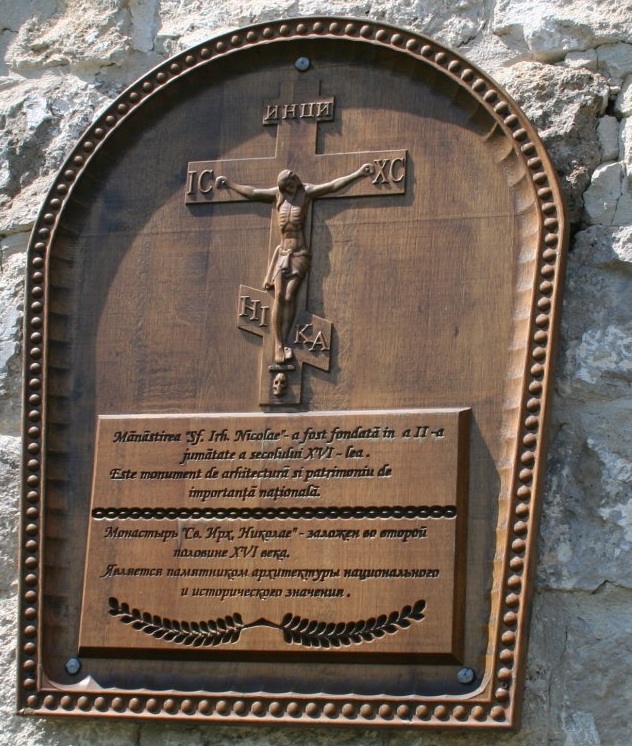
The end of the 18th century, or more precisely, 1783. The Capriana Monastery already stood on Moldavian soil, and on its lands, Hieromonk Joseph founded a skete. Apparently dissatisfied with the quiet life of the monastery, the hieromonk decided to retreat to the wilderness of Codrii and spend the rest of his days in fasting and prayer. He was soon joined by several other monks, who, with their combined efforts, laid the foundations of the first wooden church.
The year 1820 was marked by the construction of the first stone church in the name of St. Nicholas the Wonderworker; several decades later, in 1891-95, the second Church of the Dormition of the Mother of God was built.
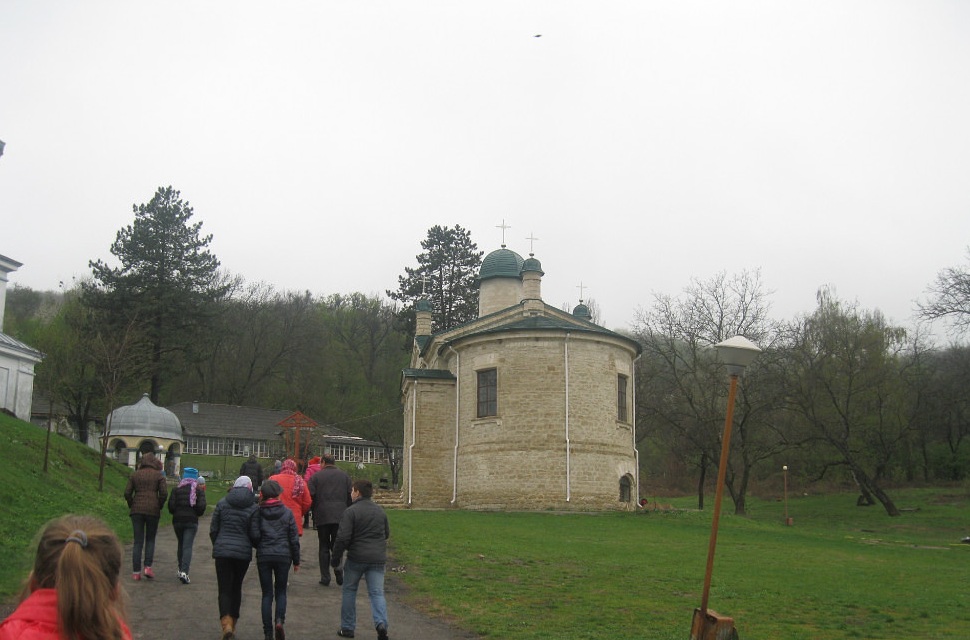
The area around Condrița was exceptionally fertile: dense forest, a lake suitable for raising and catching fish, and vast meadows suitable for farming. Therefore, I suspect, may the holy fathers forgive me, that the life of the skete's inhabitants was spent far beyond the altar. The extensive farming required its own resources, so the day, which began in prayer, continued in entirely secular labors. This paid off: the skete gradually expanded, adding new cells, a refectory, outbuildings, and apiaries.
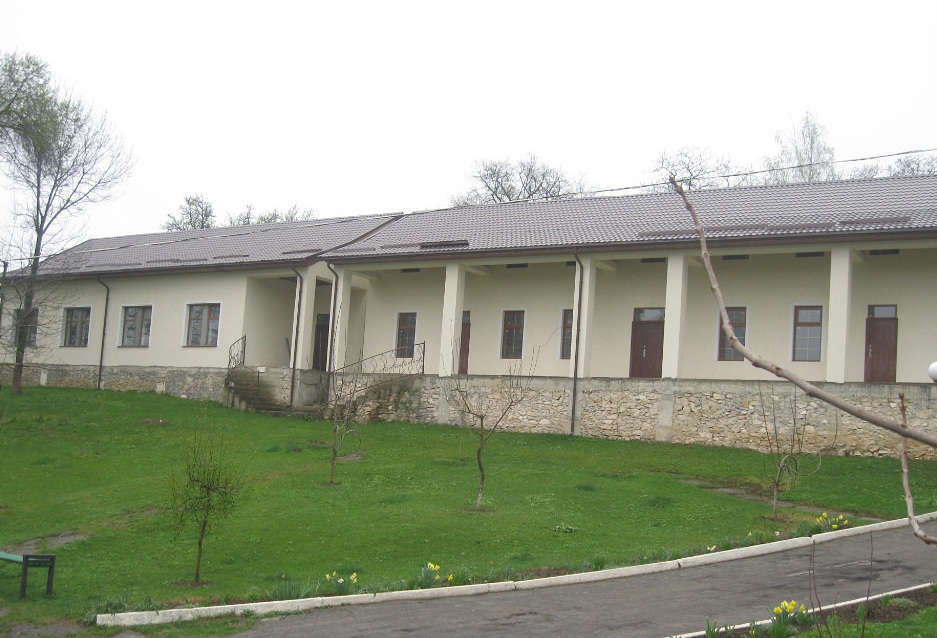
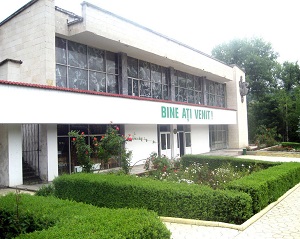
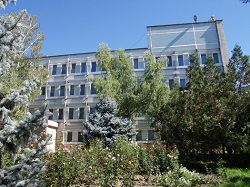
With the change of power in 1918, the skete separated from the Kapriana Monastery and became independent. This changed little in the life of the monastery, except perhaps to add to its troubles. Unfortunately, the 20th century brought little good, and the Kondrita Monastery was one of the first to be closed by the Soviet regime. The monastery's sturdy walls were used for storage. And in the late 1950s, a pioneer camp was even opened there. Amidst the general atheistic propaganda, the young pioneers calmly accepted the boarded-up church doors and the monks' graves. Perhaps only the sturdy monastery fence was a sad reminder: it was too high, making it impossible to escape without leave. However, the children's authorities were quite comfortable – the permanently locked gates saved them from worrying about the whereabouts of particularly nimble pioneers.
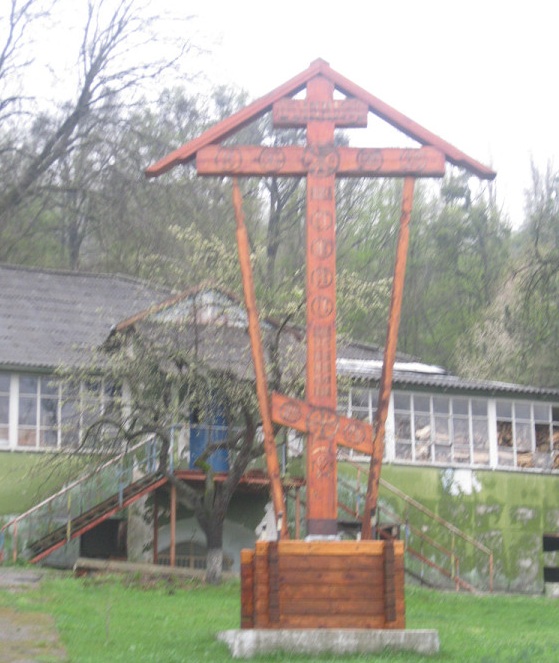
The monastery's revival is not unique. In 1993, the monastery reopened, and an abbot, Archimandrite Philaret, was appointed. Currently, the monastery has 18 residents, and, of course, residents of the surrounding villages attend Sunday services. Upon arrival, you can sample several varieties of honey from the monastic apiaries. "The Garden of the Most Holy Theotokos" is how the current abbot of the Kondritsky Monastery named his monastery.
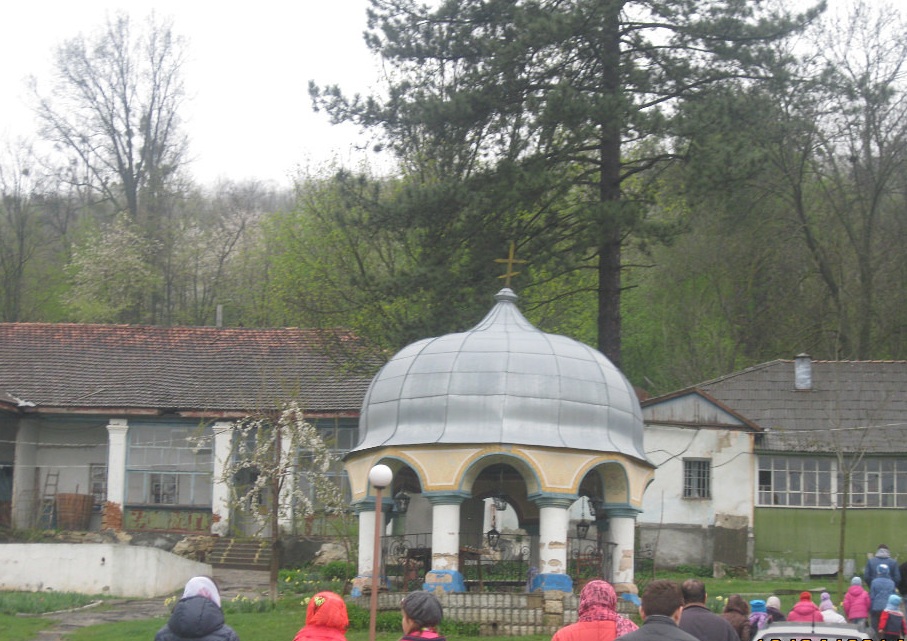
Contacts:
The village of Condrita.