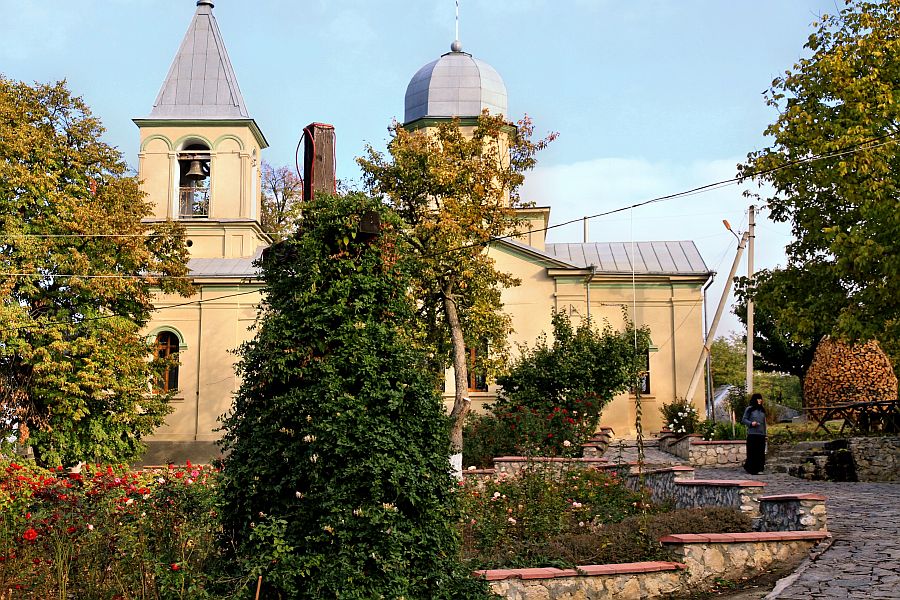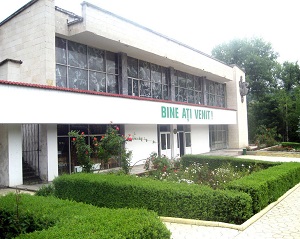
If you want to immerse yourself in the atmosphere of ancient Moldova, learn about the country's Orthodox history, and enjoy the tranquility of an ancient monastery, the Vărzărești Convent is a must-see. This monastery is considered the oldest in Moldova ; its first mention dates back to April 25, 1420, in a charter by Prince Alexander the Good.
History of the monastery
The Vărzăreşti Monastery has experienced several centuries of turbulent history:
-
Immediately after its mention, it was robbed by the Tatars , and its restoration took place only in 1770 through the efforts of Archpriest Constantin Macarescu and his father, priest Vlasie (in monasticism Varlaam).
-
Until 1815, the monastery was a men's monastery, after which it was converted into a women's monastery.
-
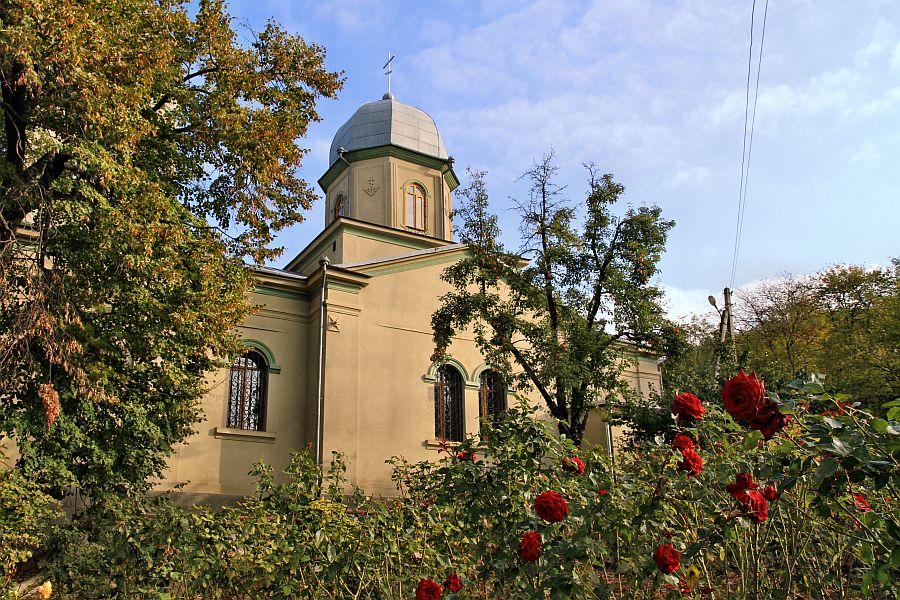
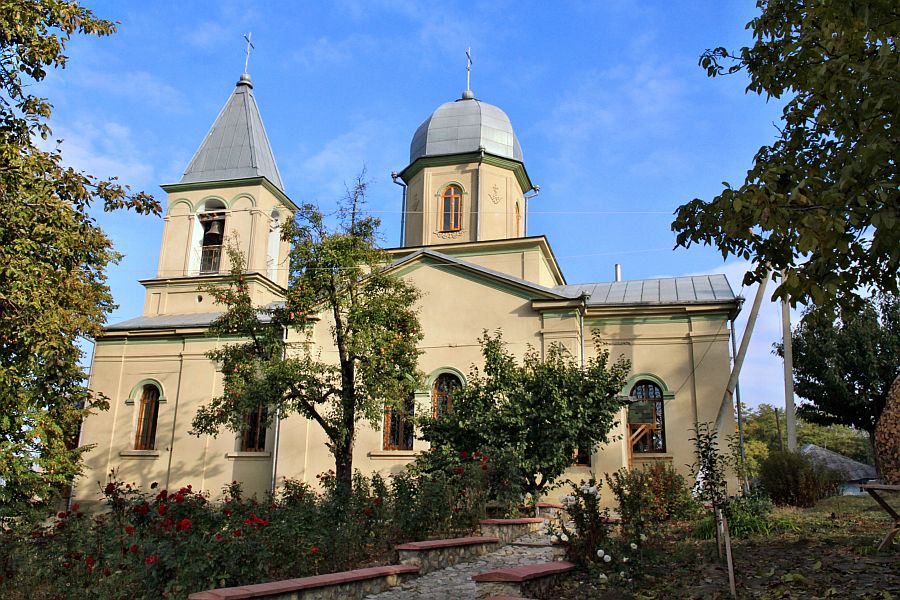
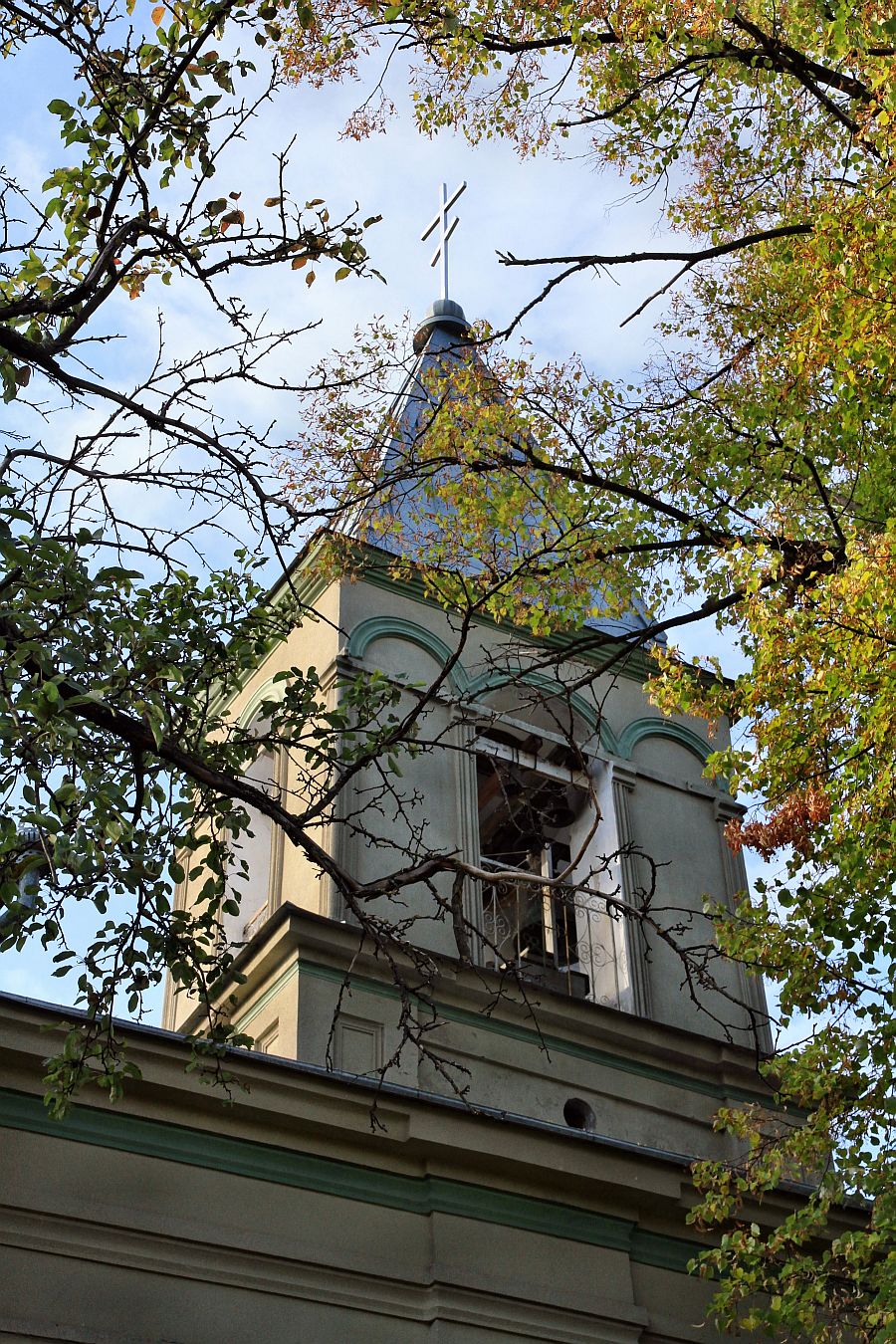
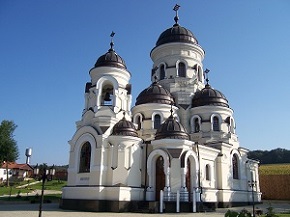
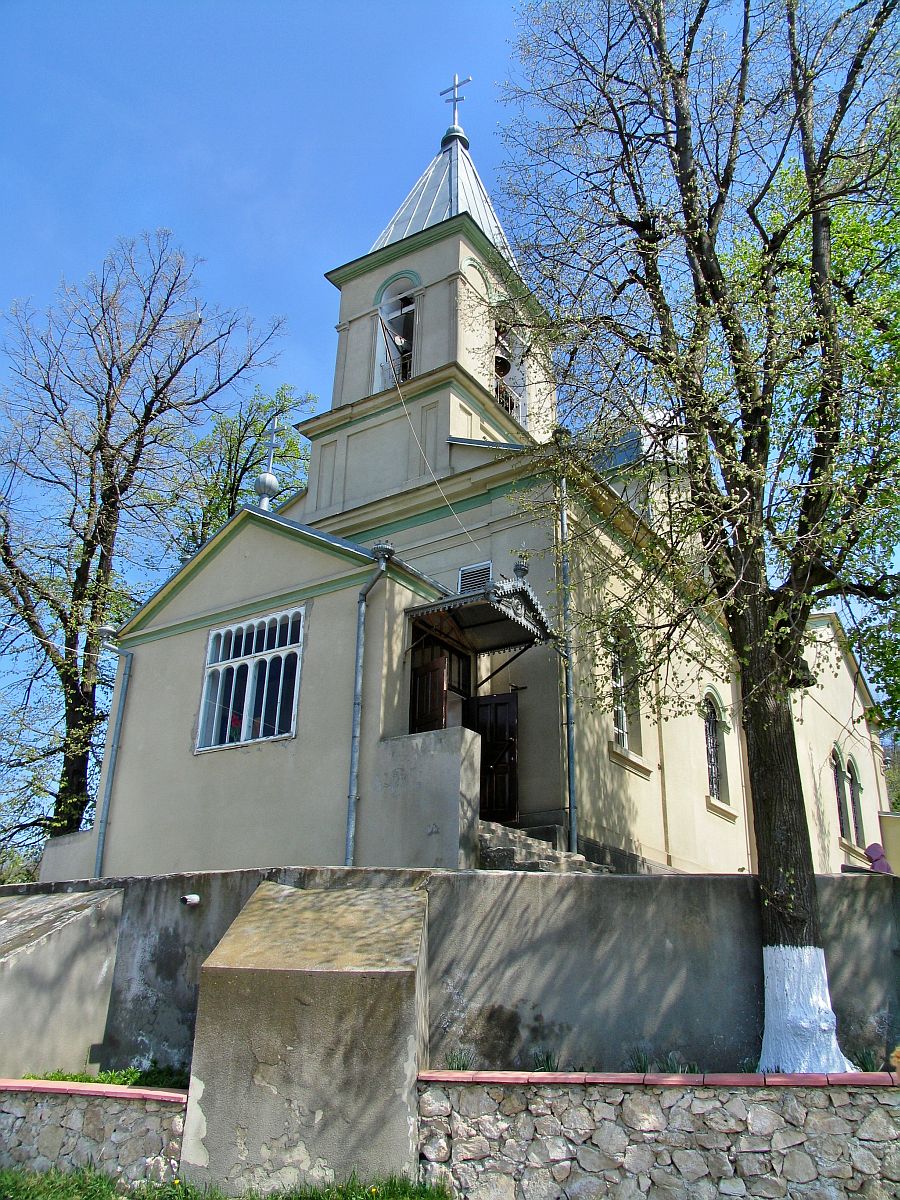
In the 19th century, new buildings and churches appeared here: the winter Church of the Nativity (1868), the summer Church of St. Demetrius , a bell tower (1835), as well as new cell buildings.
-
In 1906, under Abbess Augustine, the summer church was expanded, and a girls' school operated at the monastery —an important educational center for girls in the region.
However, during the Soviet period the monastery experienced severe trials:
-
In 1959, the authorities closed the monastery, knocked down the bells, and destroyed the icons and church books.
-
The monastery buildings were plundered, the summer church was used as a warehouse, and the winter church as a club.
-
Of the 50 nuns, only a few were able to remain on the territory, living in private homes.
Revival of the monastery
Since 1990 , the Vărzăreşti Monastery has gradually regained its spiritual and cultural life:
-
The temples and cell buildings have been restored;
-
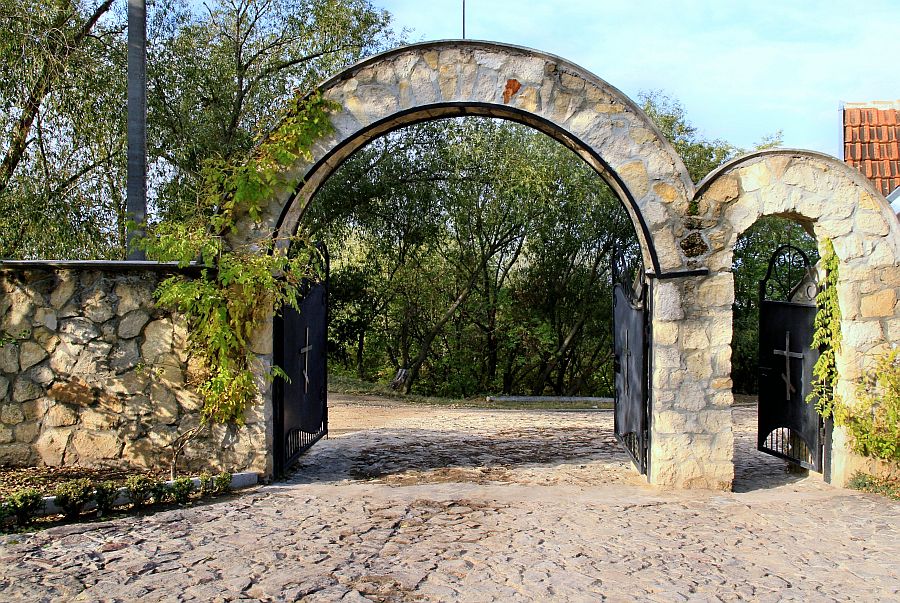
A stone fence was built and the area was landscaped;
-
Work on painting the interior walls continues;
-
Today the monastery is inhabited by about 40 nuns , and services are conducted by three priests and one deacon.
Unique relics
The monastery houses rare icons that attract pilgrims and tourists:
-
Icon of the Holy Mother of God "Varzareshti" (1904),
-
Icon of John the Baptist , made by masters of Athos.
These works of ecclesiastical art are an important part of Moldova's cultural heritage and impress with their artistic and spiritual value.
Tourist attraction
The Vărzăreşti Monastery is of interest not only to believers, but also to anyone who loves history and beautiful landscapes:
-
Historical value: the oldest monastery in Moldova with a rich history;
-
Architecture and paintings: a combination of 19th-century styles and modern restorations, unique wall paintings;
-
Nature: the monastery is surrounded by well-kept grounds, trees, green alleys and quiet corners for walking;
-
Photogenic: picturesque views of monastery domes, ancient buildings and garden compositions;
-
Spiritual atmosphere: peace, silence and the opportunity to touch the Orthodox tradition.
How to get there
The monastery is conveniently visited from Chisinau or neighboring cities:
-
By car: the road from Chisinau will take about 2–2.5 hours, the route passes through picturesque rural landscapes and forests;
-
By public transport: it is possible to travel with a transfer through major cities in the region;
-
Travel tip: Plan your trip to include visits to other monasteries in the region for a complete immersion in Moldova's spiritual and historical atmosphere.
Result
The Vărzărești Monastery is not just a spiritual center but also a true open-air museum, preserving the centuries-old history, traditions, and art of Moldova. Any tourist visiting this monastery has a unique opportunity to combine spiritual enlightenment, a historical journey, and the enjoyment of natural beauty .
Contacts:
Monastery of St. V. Mark Dumitru, Vărzăreşti
Village of Vărzăreşti, Nisporeni district.