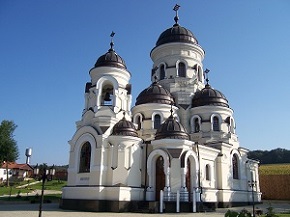
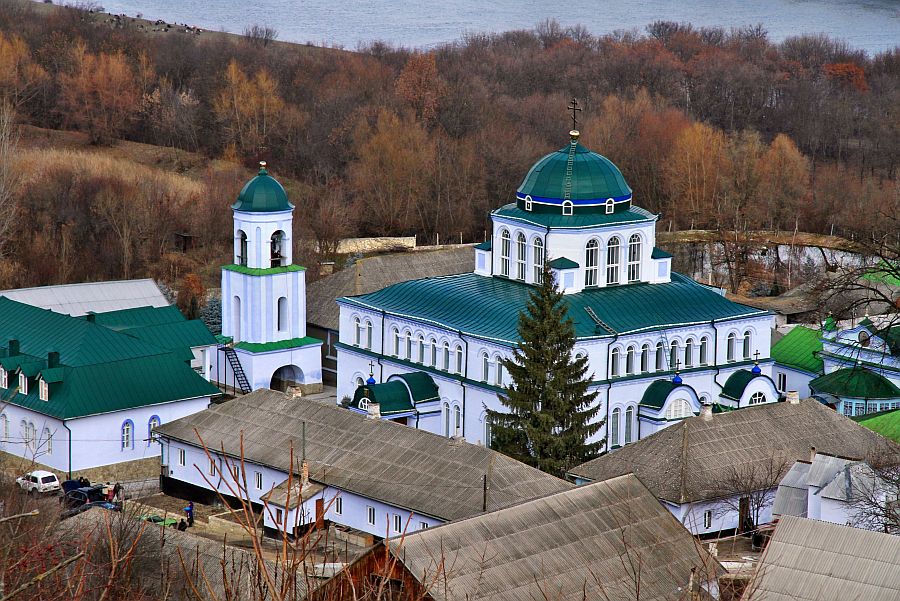
The women's monastery in the village of Zhabka is a spiritual center with a rich history.
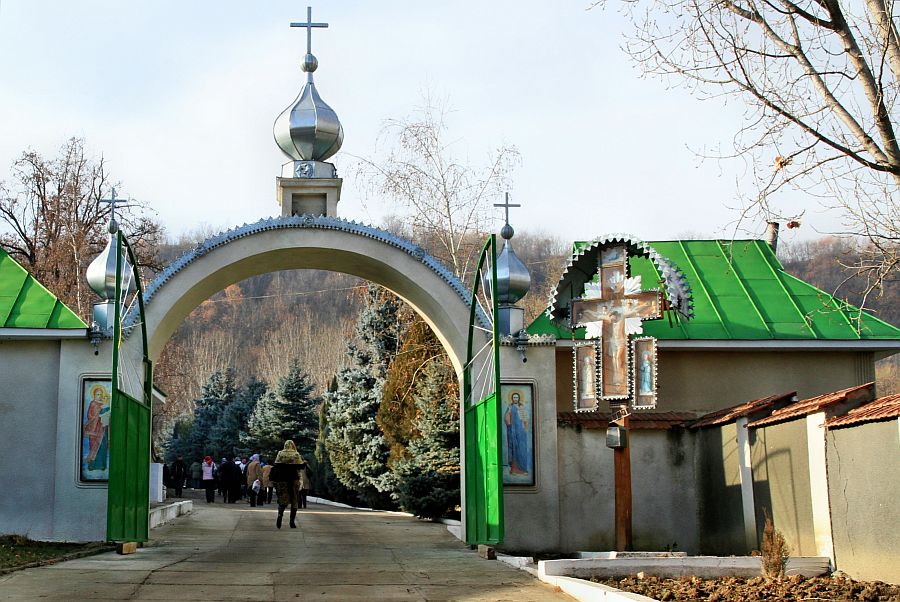
The Jabca Convent is a unique historical and spiritual monument in Moldova, located approximately 160 km north of Chisinau . This village became famous among tourists thanks to its convent, which remained open even during Soviet times, remaining the only functioning convent in the region .
History of the monastery
The first mention of the monastery dates back to the 17th century . At that time, the monastery building resembled a veritable fortress —it was constructed to protect the nuns and parishioners from raids and dangers.
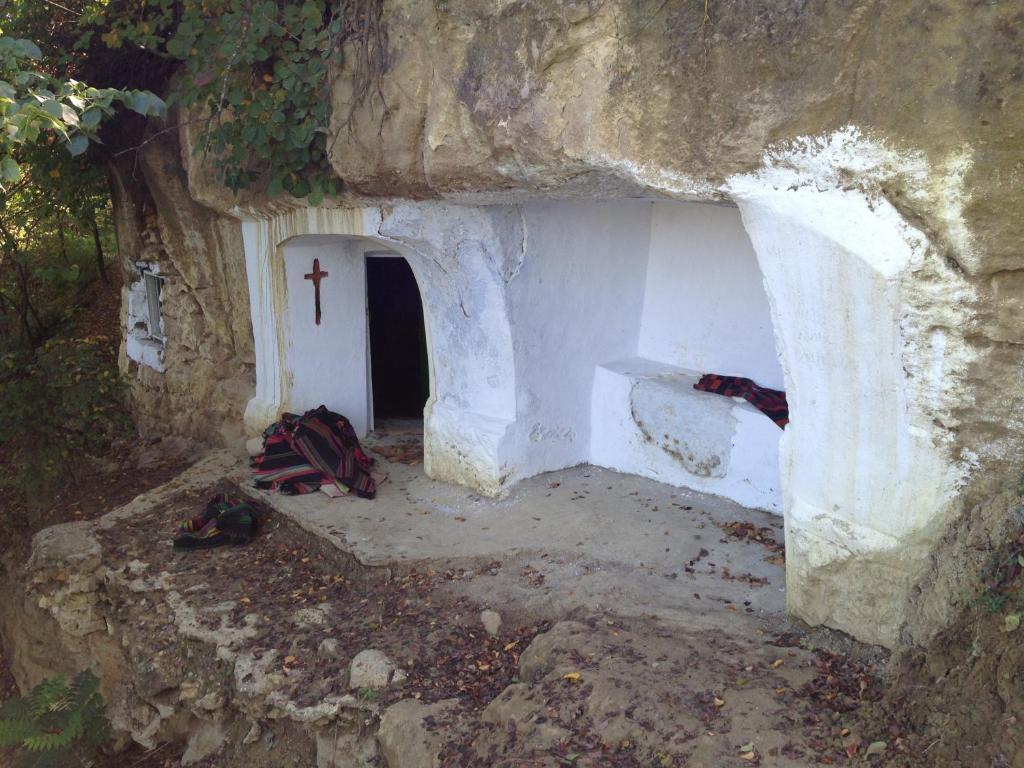
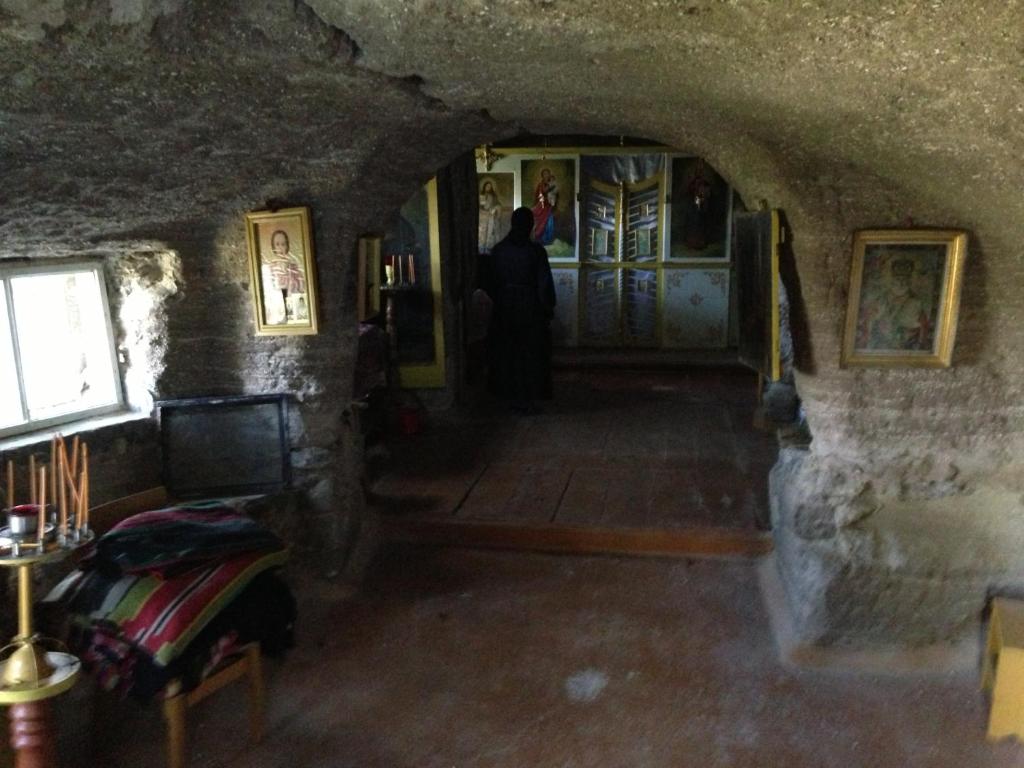
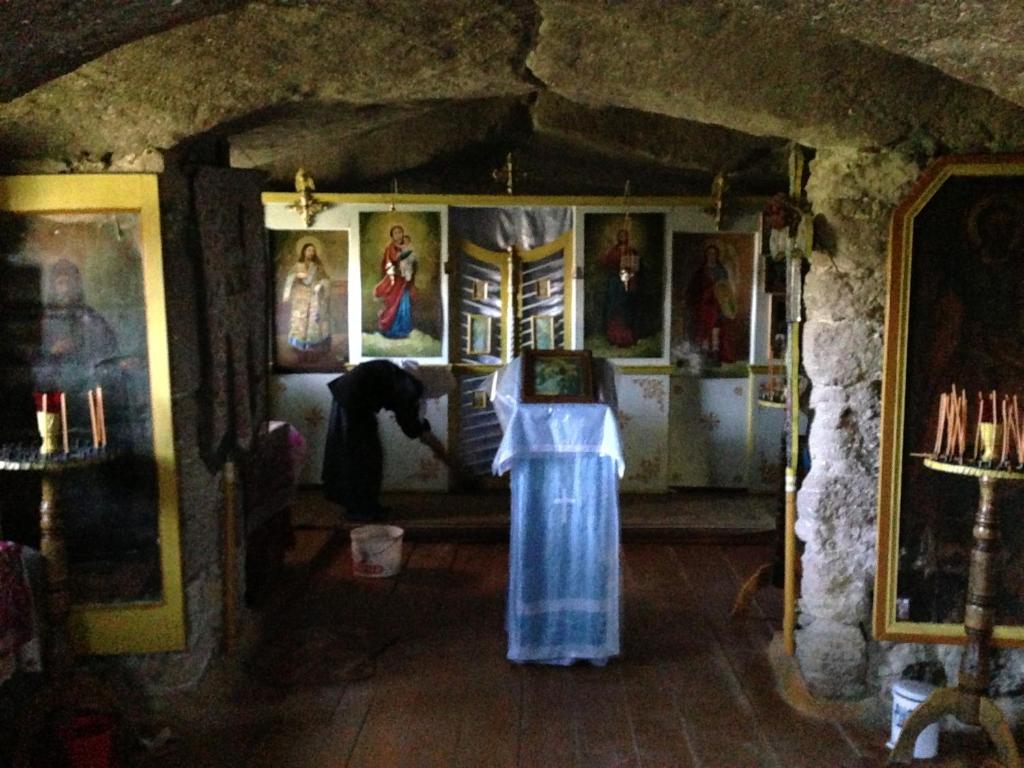
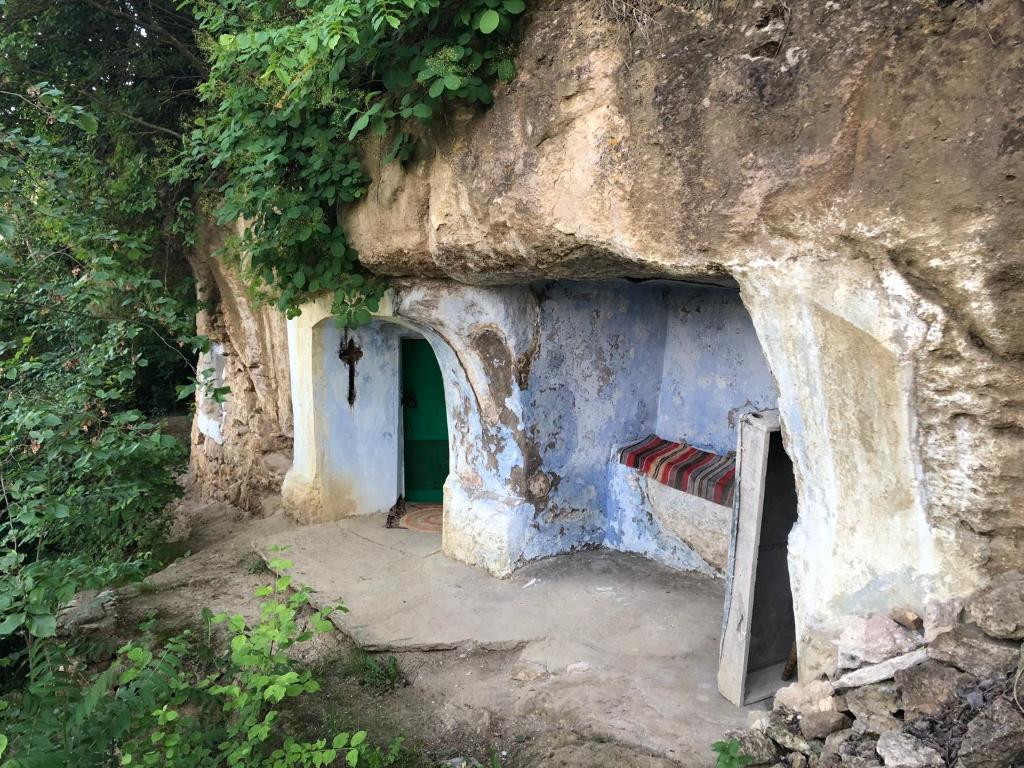
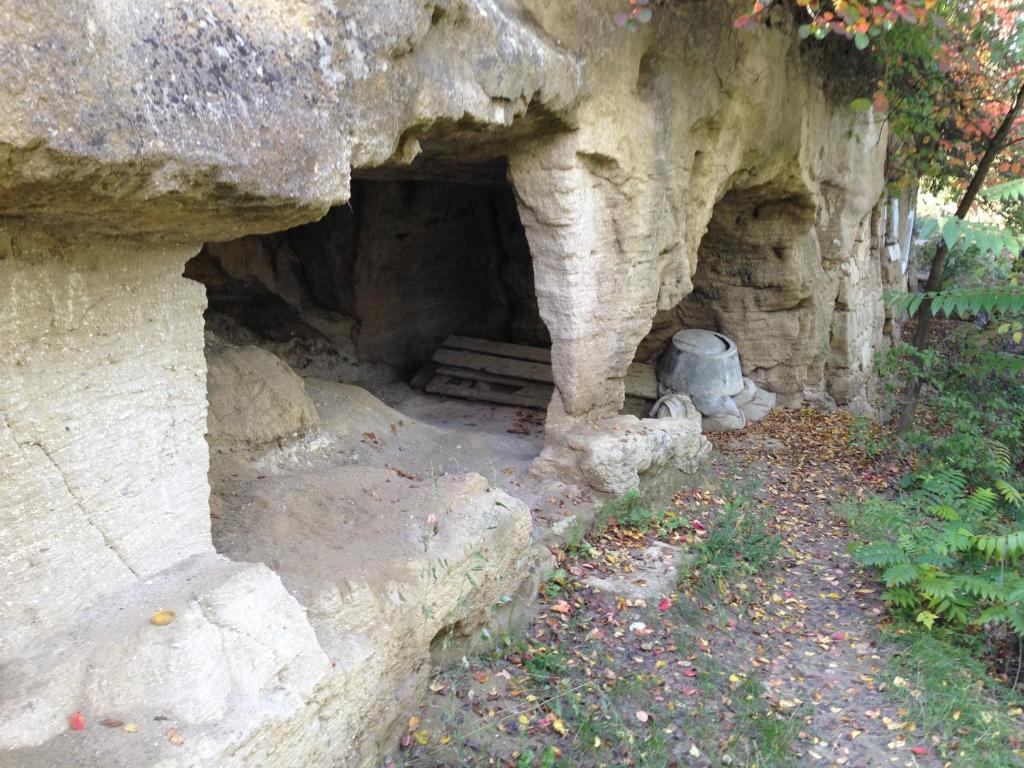
A distinctive feature of the monastery were the cave cells in which the nuns lived. These rock-cut spaces provided solitude and austerity for monastic life, and also allowed the nuns to fully concentrate on worship, prayer, and spiritual development .
This way of life created an atmosphere of deep spirituality and asceticism that can be felt here even today.
Architecture and territory
The monastery blends harmoniously with the natural surroundings of northern Moldova. Tourists can see:
-
Cave cells in which nuns lived.
-
The monastery's historical buildings resemble defensive structures.
-
Beautiful natural views around the village of Zhabka , ideal for walks and photos.
Every corner of the monastery preserves the spirit of history and the atmosphere of ancient monastic life, making a visit truly memorable .
For tourists
-
Opening hours: the monastery is open to visitors, tours are possible with local guides.
-
Getting there: From Chisinau, you can take a tour by bus or minibus; private tours with a travel agency are also available.
-
What to bring: comfortable walking shoes, water, and a camera—the views around the monastery are truly spectacular.
Why you should visit
-
One of the oldest women's monasteries in Moldova , which remained active even during the Soviet period.
-
Unique cave cells where monks lived in a strict monastic community.
-
An atmosphere of solitude and spiritual peace.
-
Picturesque nature of northern Moldova and historical architecture.
-
An opportunity to become acquainted with the traditions of Orthodox monasticism and the history of the region.
Jabca is a place where history, spirituality, and nature form a harmonious unity. By visiting this monastery, you will not only experience Moldovan history but also enjoy the quiet solitude amidst picturesque landscapes.
The monastery's origins date back to around 1770, when it was located at its current location. Construction of outbuildings began, the monastery was improved, and a library, quite extensive for the time, was established.
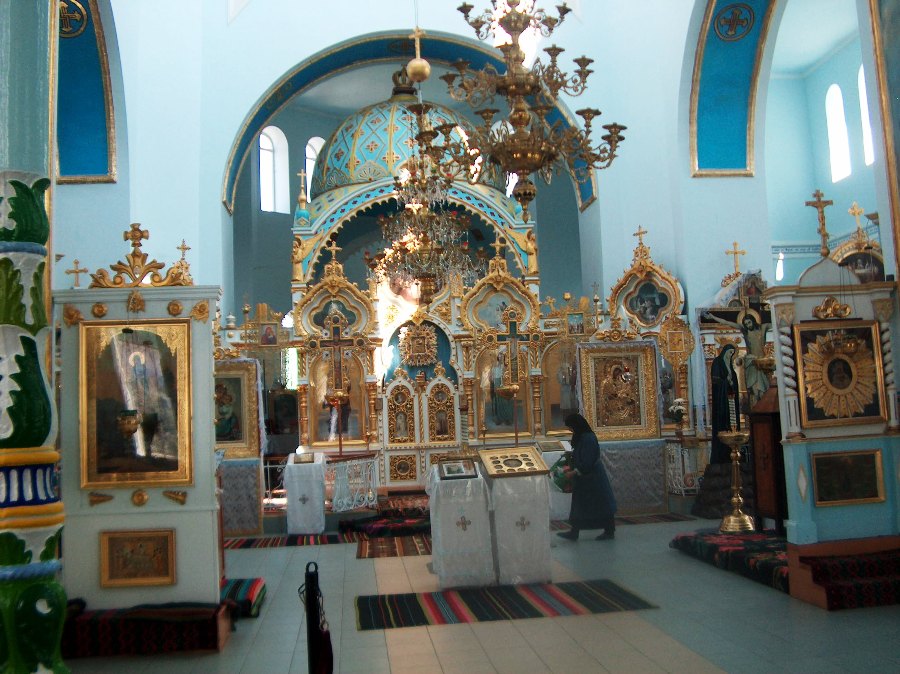
Beginning in the 19th century, stone structures were erected. Over the course of its history, the monastery was rebuilt several times, changing its appearance and outline. This affected the monastery's most significant church most significantly; today, it contains three altars: the Ascension of the Lord, the Transfiguration, and the Holy Cross.
For tourists, this is a real treasure trove of knowledge and discovery. The monastery's walls exude history. The first impression of a visit to the monastery is the conservatism of its monastic community. Monasteries in those days were not only places for believers to pray, but also, of course, fortresses and protection from enemies.
If you come to Moldova and decide to visit the country's historical sites, then you should definitely visit the Japka Monastery.
The monastery is open for daily visits.
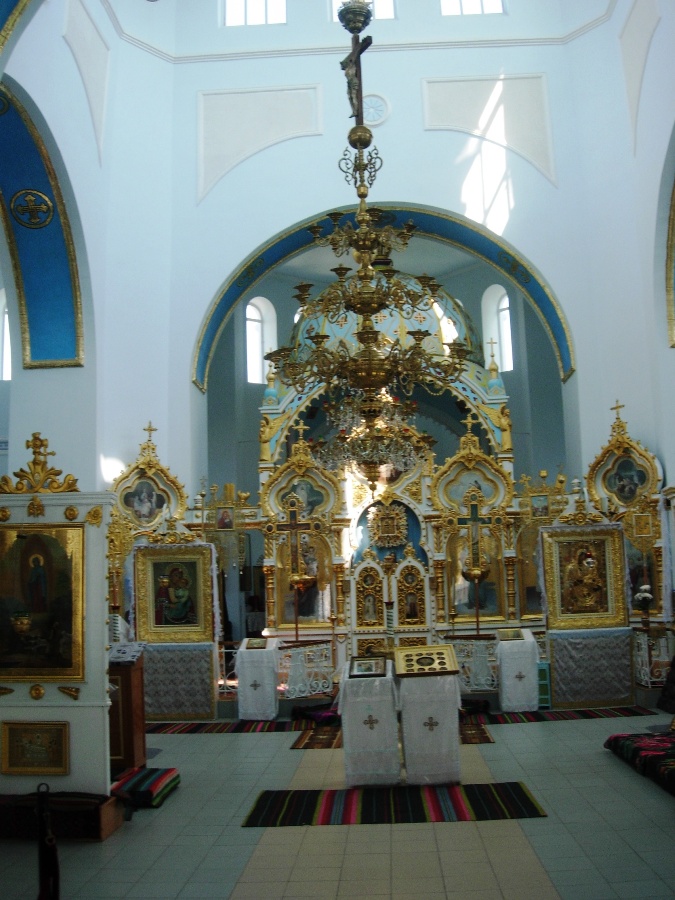
The interior of the Zhapka Monastery church
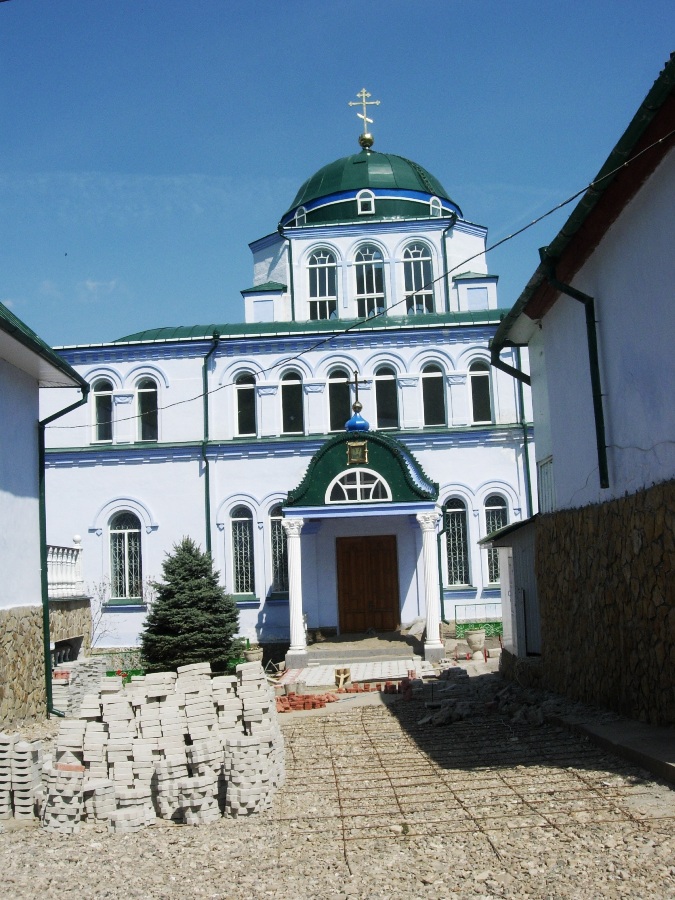
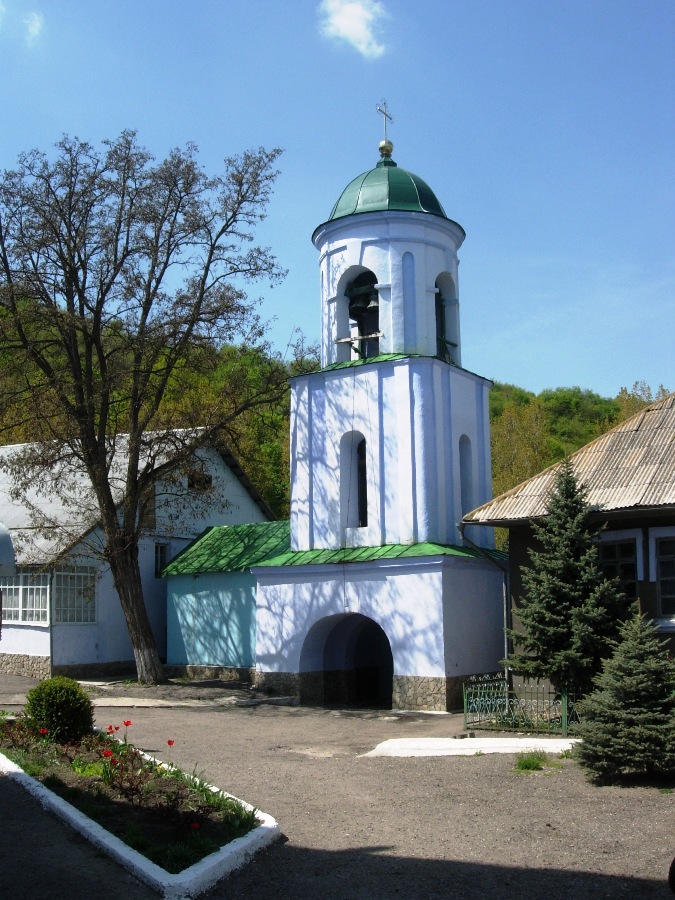
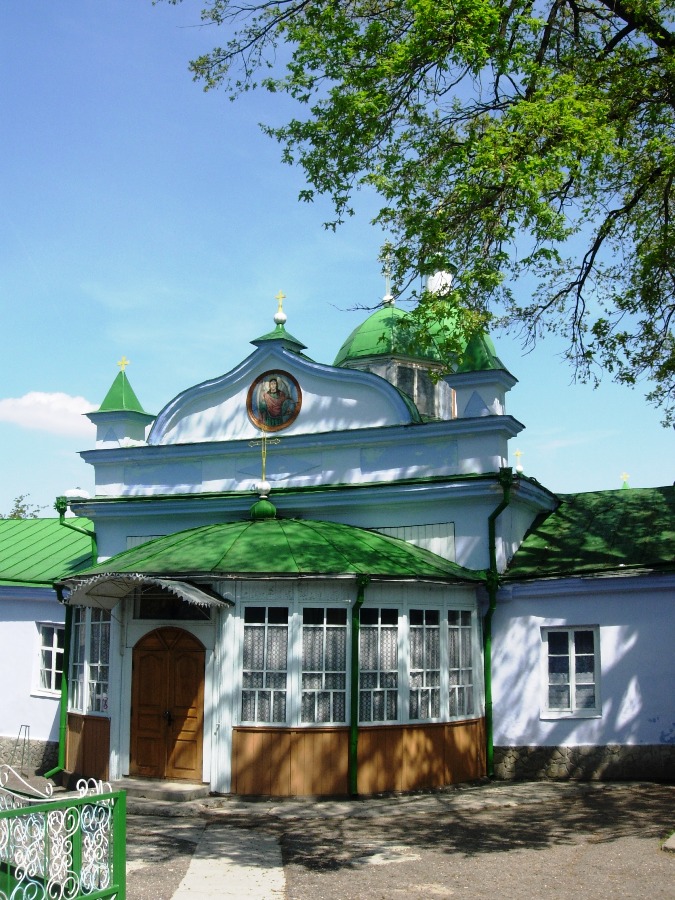
The inner courtyard of the monastery
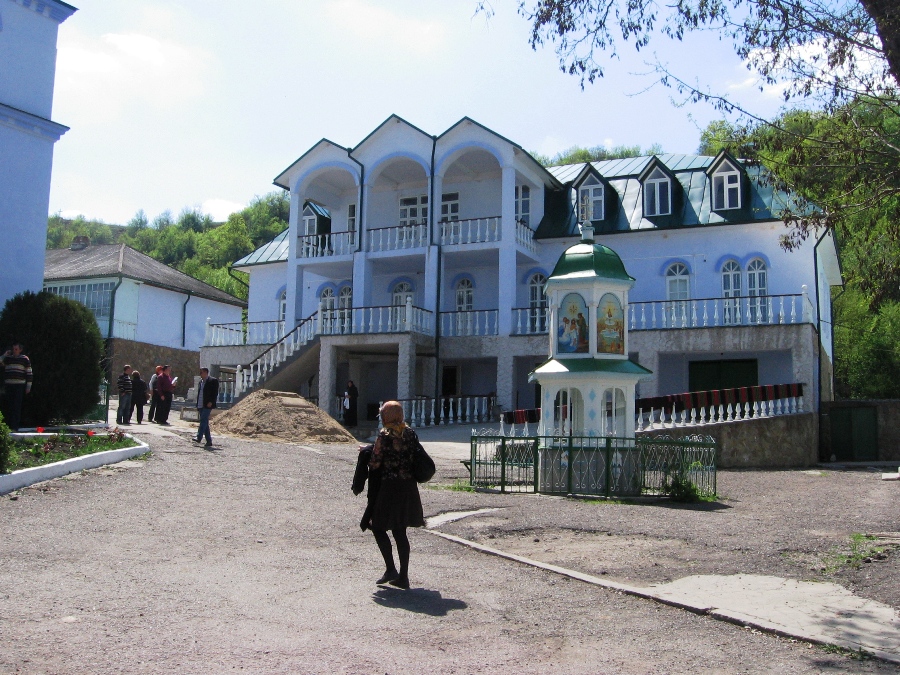
Newly built house for monks
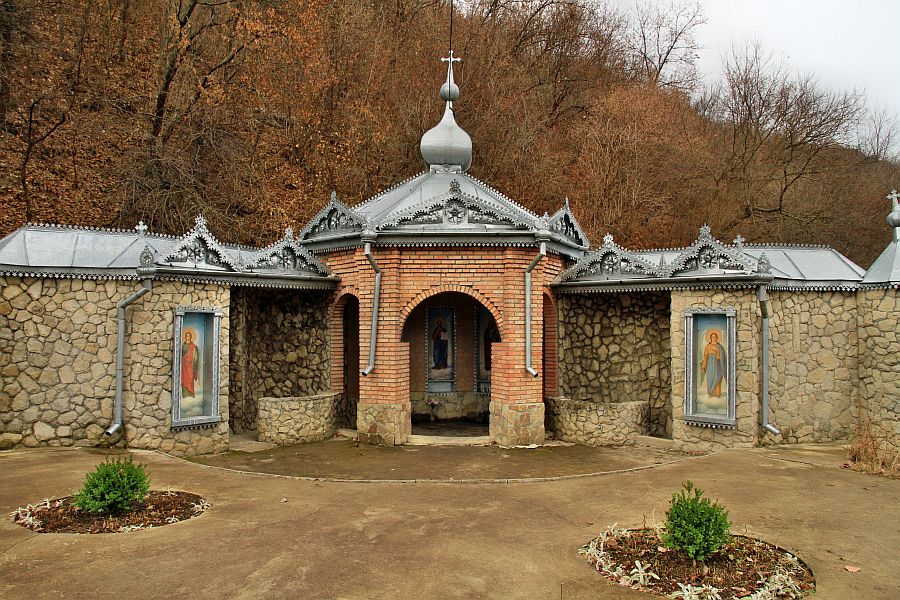
Gazebo inside the courtyard
Contacts:
Tel. +373-250-66-259