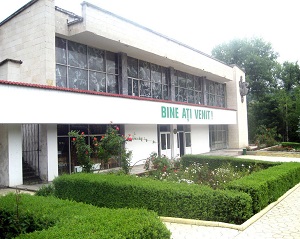
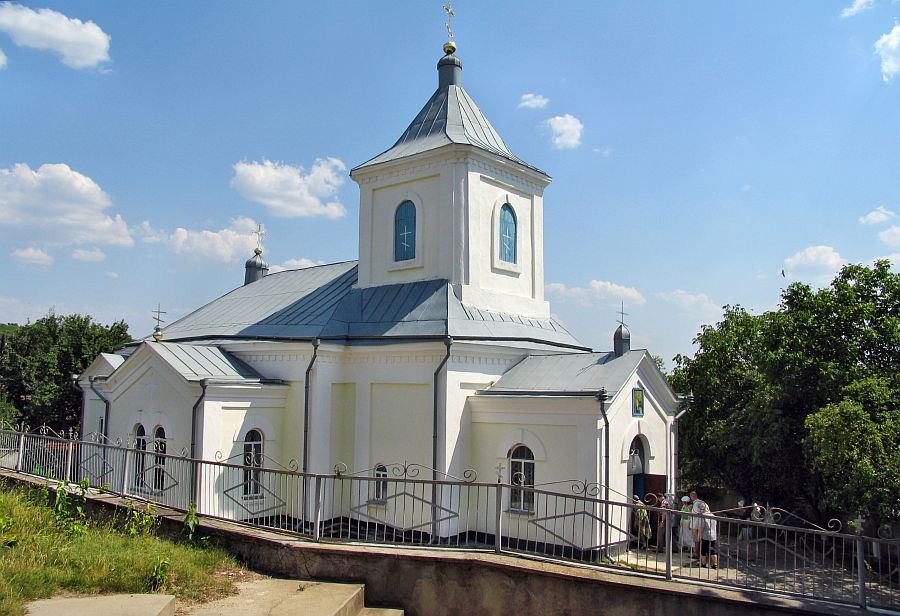
The Khirova Monastery is located in the village of Neculăeuca , approximately 60 km from Chișinău , in a picturesque rural setting. This convent is one of the oldest and most historically significant Orthodox shrines in Moldova, surviving centuries of trials, closures, and restorations.
Foundation and early history
The monastery was founded in 1805 as a women's monastery by Metropolitan Benjamin Kostak on the site of an empty men's skete , which burned down in 1803. Nuns from the Hyrtop skete were resettled in the monastery to revive spiritual life on this site.
Initially, the monastery was a small complex of wooden buildings, including a wooden church, cells for nuns, and outbuildings. Despite its modest size, the monastery quickly became a spiritual center for residents of the surrounding villages.
Temples and architecture
Summer Church
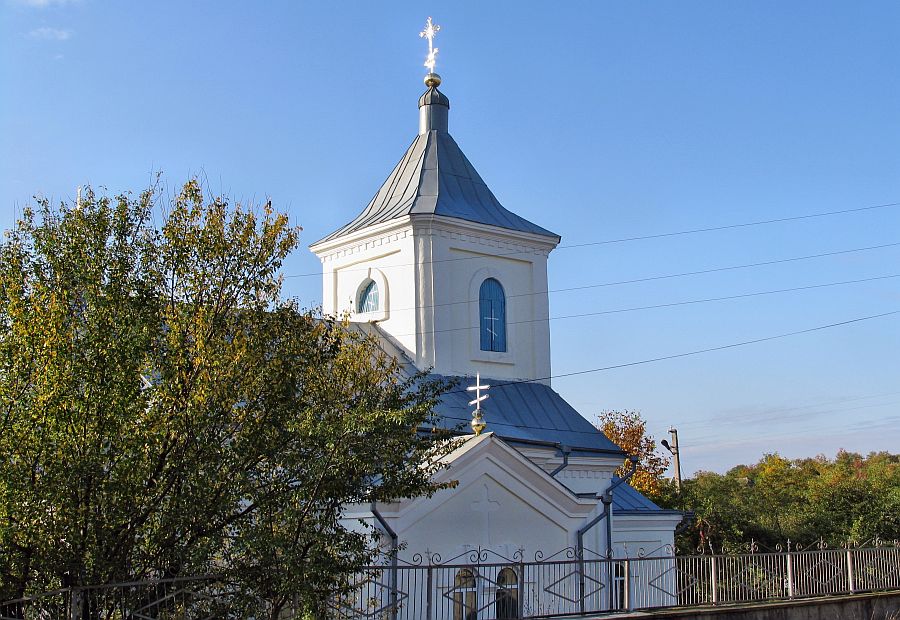
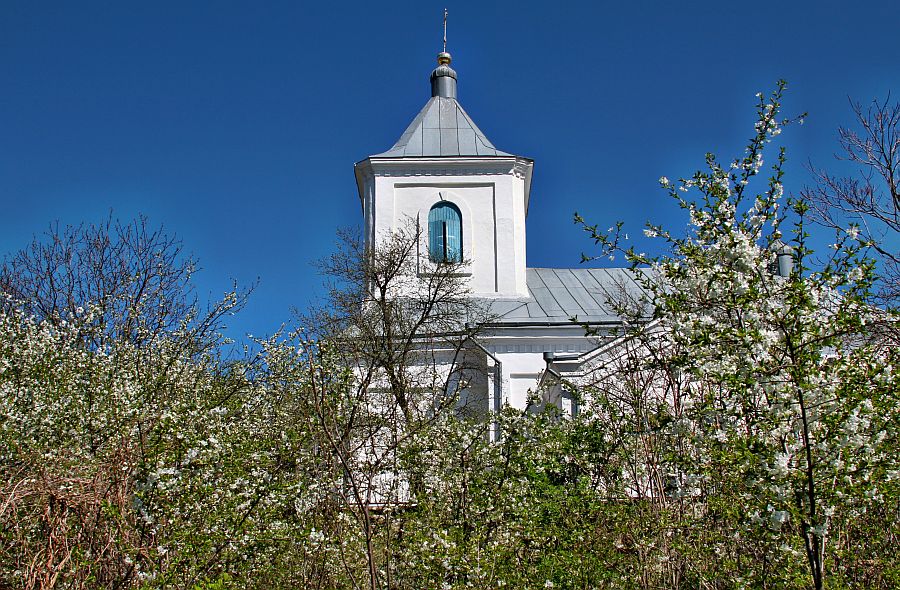
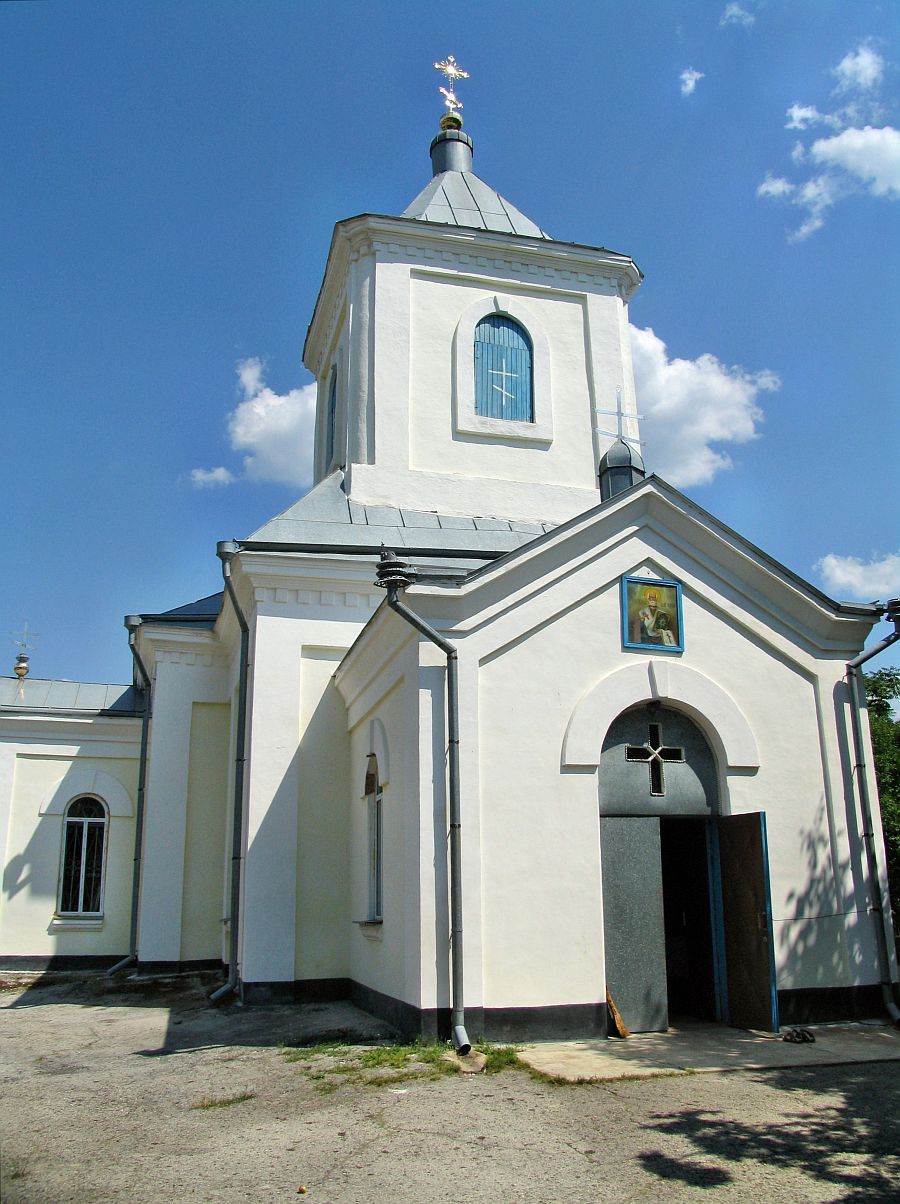
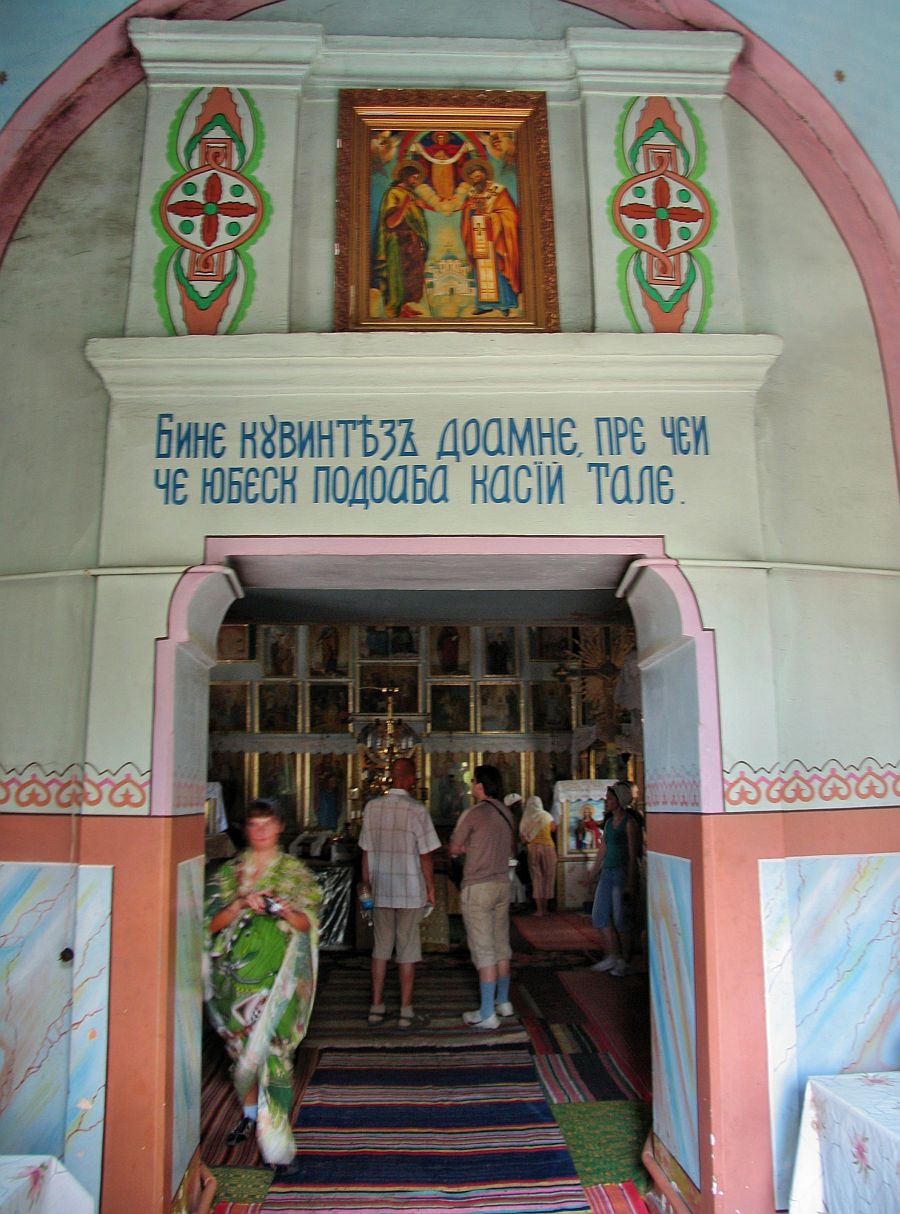
In 1836, a stone summer church was built on the site of the old wooden church , which remains in use to this day. One of its founders was the nun Pelagia , sister of the Metropolitan of Moldova , Gabriel Callimachi . After her death, she was buried inside the church, making it a significant shrine for the monastery.
The architecture of the summer church combines the austere lines of Moldovan Orthodox architecture with elements of the Russian style of the time. The thick and sturdy stone walls have allowed the church to withstand centuries of war and natural disasters.
Winter Church
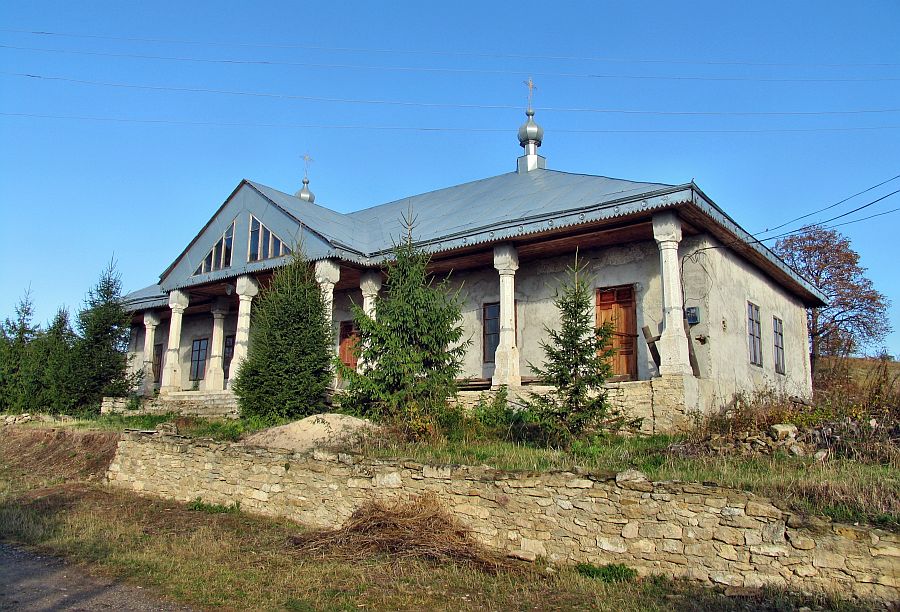
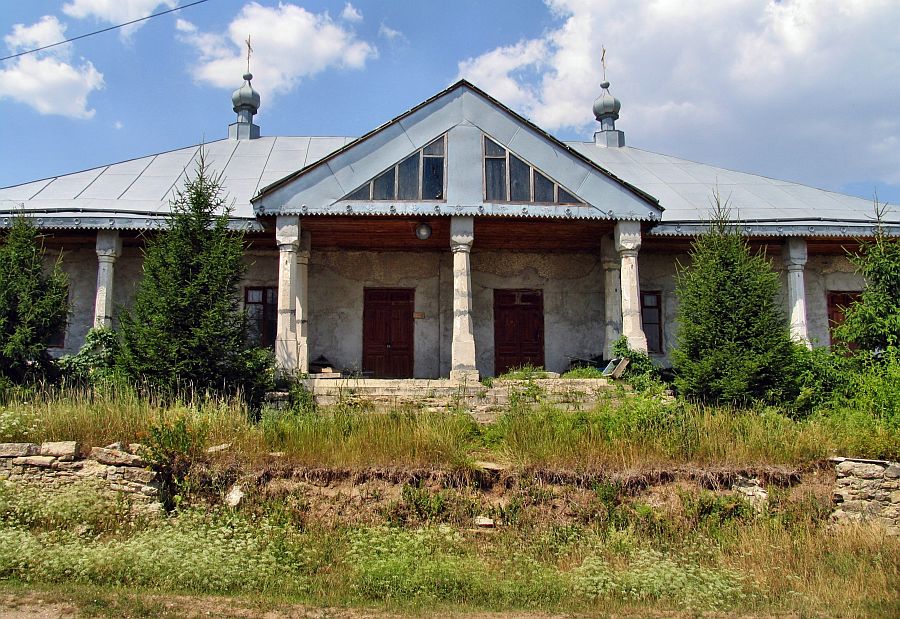
In 1865, a winter church was built with funds from the benefactor John Botezat . Unfortunately, after the monastery's closure during the Soviet period, the building was no longer used for its intended purpose and requires complete restoration .
Previously, the Khirovsky Monastery was one of the largest in the region: during the interwar period, about 200 nuns lived here , working in both the spiritual and economic spheres, supporting the life of the monastery.
Closure and testing period
In 1959, the monastery was closed by the Soviet authorities, and its property was confiscated . The nuns were asked to leave, but many remained in their small cells and worked on the local collective farm to support themselves.
During this period:
-
The summer church was used as a warehouse;
-
The Winter Church first became a hospital for children with developmental disabilities, and was later used for commercial purposes;
-
The cell-houses, roofed with straw and reeds, gradually fell into disrepair, and the nuns lived in poverty.
Despite the difficult conditions, the monastery continued to function in secret . The senior nuns continued to uphold the faith and traditions, teaching the younger nuns spiritual life and prayer.
Revival of the monastery
In 1990, the monastery reopened. At that time, there was no significant support from the state or church. The monastery received its main support from fellow villagers , who helped the elderly nuns with food and minor repairs.
By a lucky coincidence, a film was shot here in the 1980s , and the film studio's funds allowed for the renovation of the summer church , preserving it for future generations. The winter church remains closed and in need of restoration .
Current state
Today, Khirovsky Monastery is a small convent inhabited primarily by elderly nuns , most of whom are over 80 years old. They continue to lead a monastic way of life:
-
pray in the summer church;
-
look after the monastery grounds and vegetable gardens;
-
They pass on the experience of spiritual life to new novices.
The small cell-like houses on the outskirts of the village still retain the atmosphere of a traditional monastery , where each nun has her own corner for prayer and household chores. Despite its poverty, the monastery remains a spiritual center for the local population and a place of pilgrimage for believers.
The significance of the monastery
Khirova Monastery is a living historical and spiritual monument , a symbol of the resilience of the Orthodox faith and devotion to the monastic path, having survived wars, repressions, and years of neglect . The monastery preserves the memory of the nuns who continued prayer and spiritual service even in the most difficult circumstances, passing on the legacy of monasticism to new generations.
The monastery is located just five kilometers from the recently restored Curchi Monastery.
Contacts:
Monastery "St. Bl. Simeon Stylpnikul", Khirov
The village of Neculaeuca, Orhei district.