A spiritual abode with a centuries-old history and trials of faith
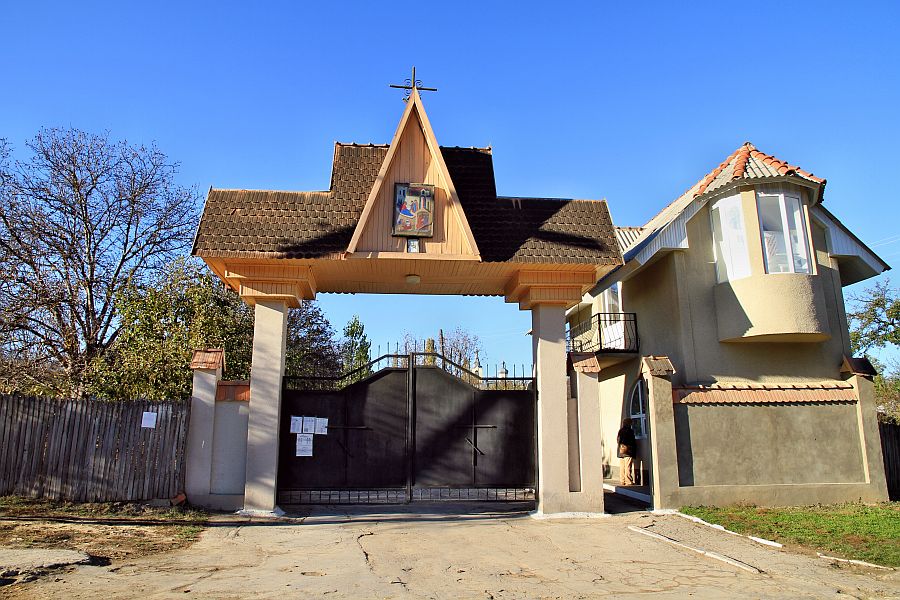
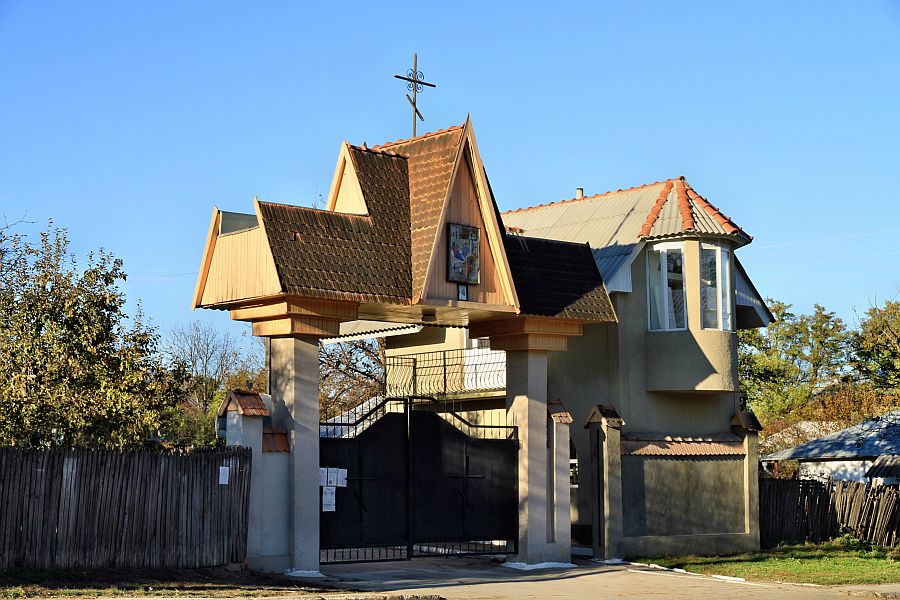
The Răciula Monastery is located near the village of the same name, just 11 km from the city of Călărași , in a picturesque area with forests and hills characteristic of the region. The holy monastery was founded in 1797 by two brothers, priests Andrei and Ioan Roșca from the village of Pașcani. The land on which the monastery was built belonged at the time to a local landowner, Răzeș Lupu Stratanu.
Origins and first centuries of existence
Initially, the monastery was a men's monastery , and its life was structured according to the Orthodox monastic traditions of the time. In 1811 , after the closure of the neighboring Mana Skete at Kurki Monastery, the monastic community in Račula became a women's community .
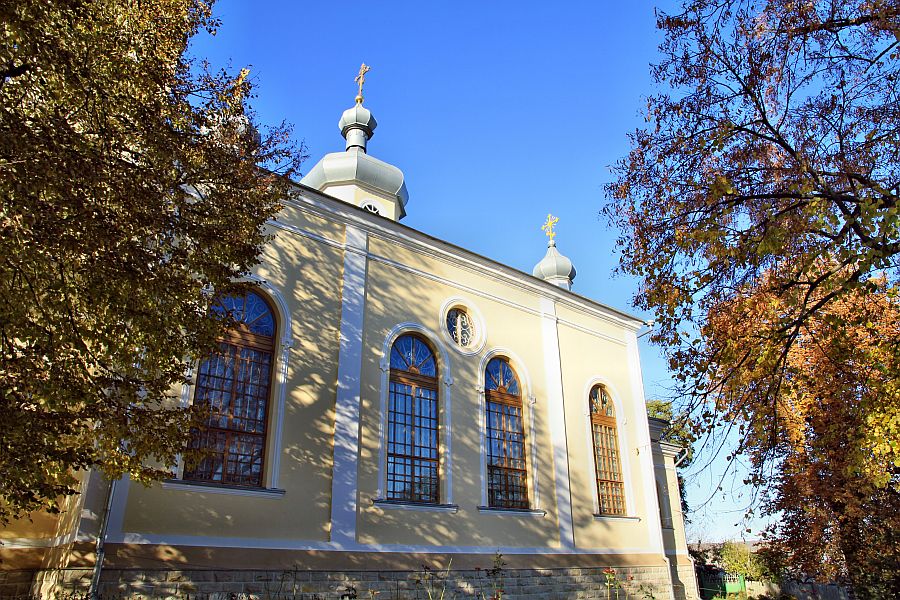
Two churches were built for the monastery :
-
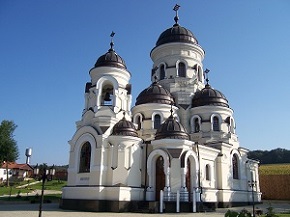
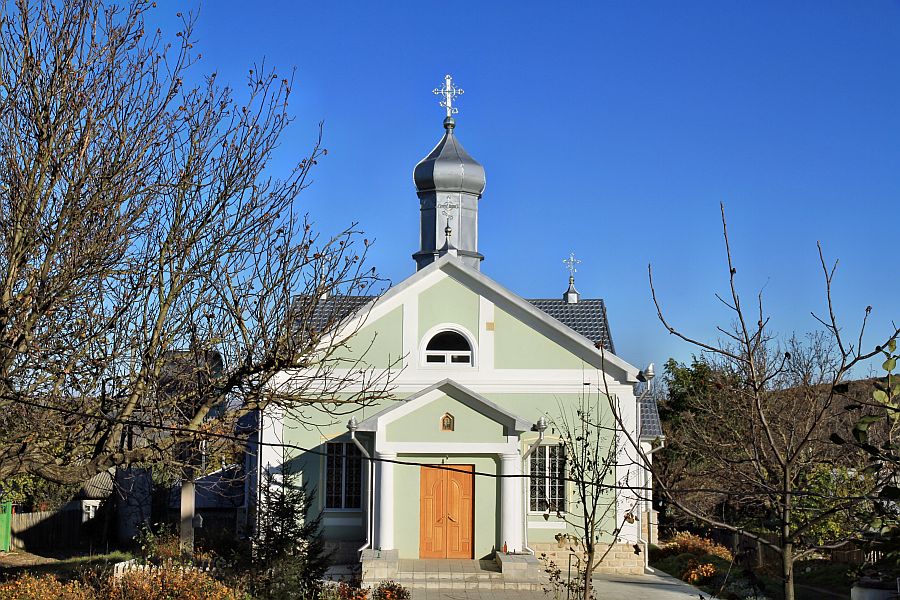
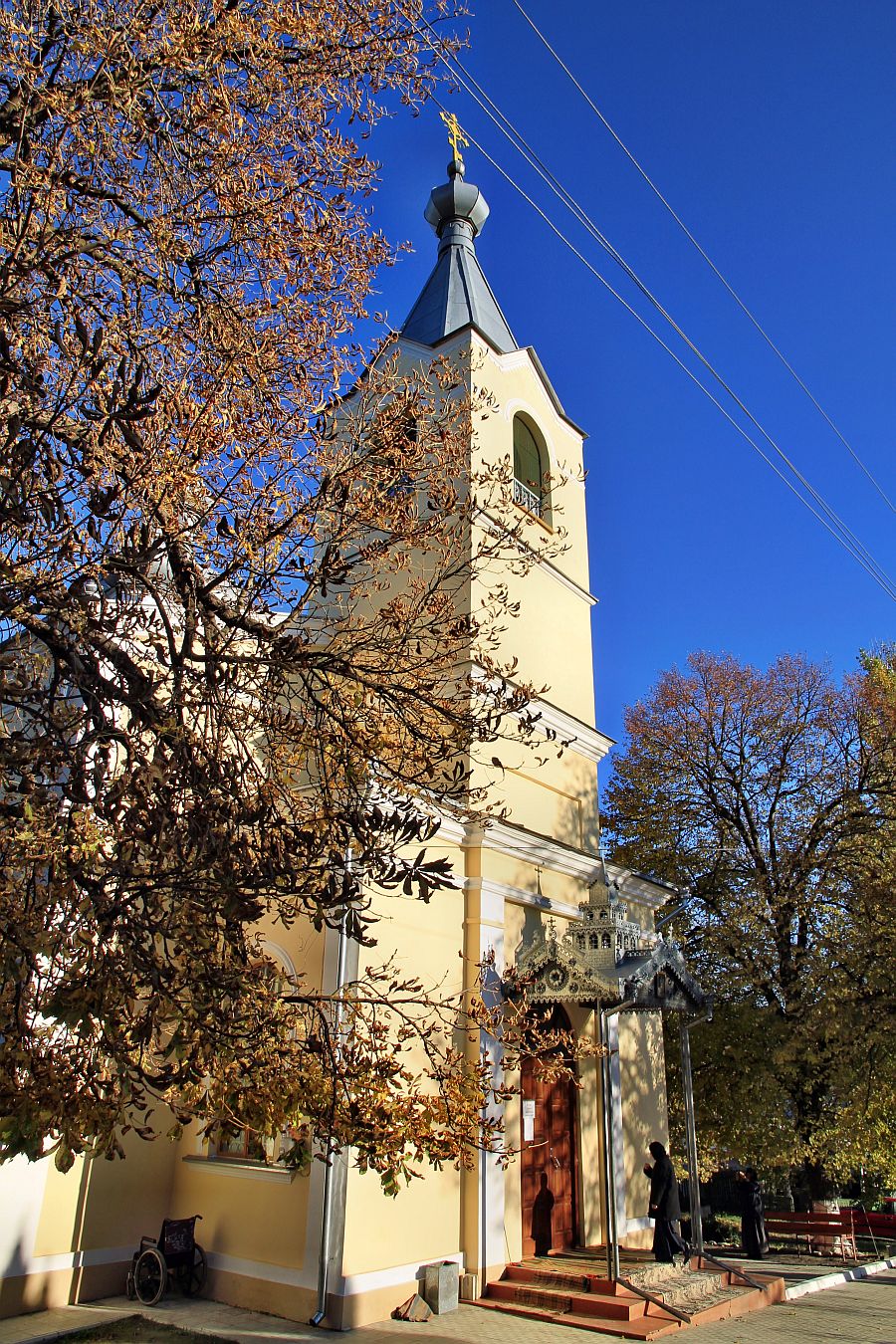
Church of the Nativity of the Blessed Virgin Mary , built in 1800 and restored in 1845;
-
Church of St. Nicholas the Hierarch , built in 1822 and restored in 1880.
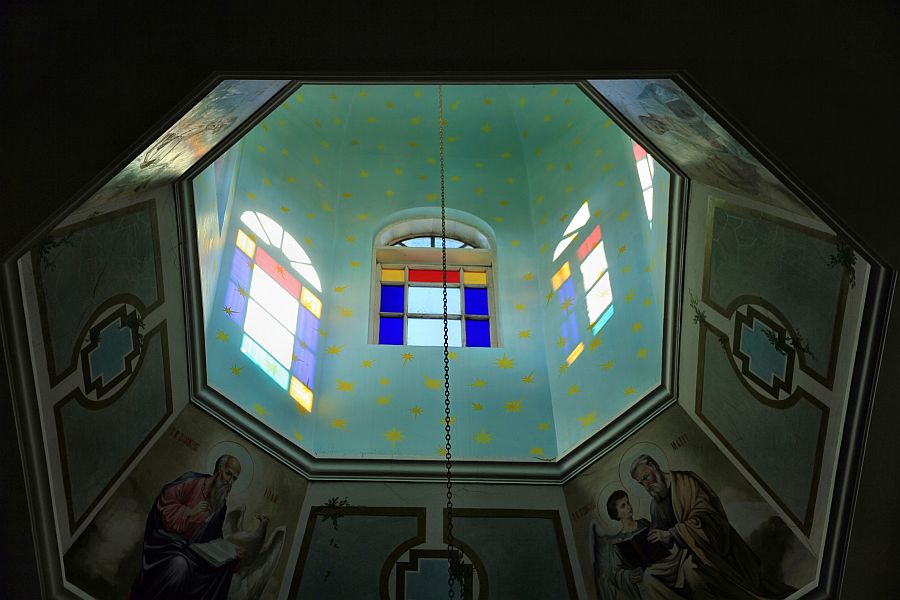
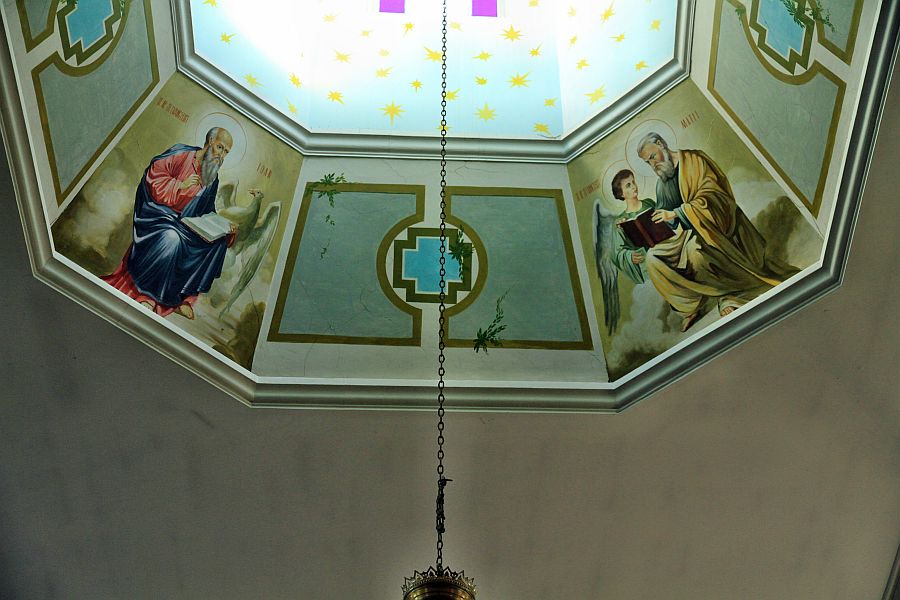
The architecture of the churches reflected the style of the time: stone buildings with high domes, interior paintings and carved iconostases, many of which, unfortunately, were lost in the 20th century.
Repression and closure of the monastery
In 1959, the monastery was forcibly closed by the Soviet authorities. On Holy and Bright Sunday, three representatives of the Soviet administration arrived at the monastery to implement the decree of the Council of Ministers of the Moldavian SSR to close nine monasteries, including Račula.
The nuns were given two options: leave the monastery or remain in their old cells, working on the state farm established in the village. The monastery's residents and sisters resisted, but ten days later, 300 police officers were dispatched to the village . As a result:
-
Three people were killed and many were injured;
-
The abbess of the monastery and eight villagers were arrested and sent to prison;
-
The monastery churches were plundered: the iconostasis was destroyed, wooden icons, church books and valuables were burned;
-
The church's dome was removed and the temple itself was converted into a dance hall and wedding venue .
Keeping monasticism secret
Despite the repression, the nuns did not lose their faith . Life in the monastery was destroyed, but the spirit of the monastery continued to exist:
-
Each nun received permission to live in cell houses , on condition that she work on the state farm;
-
In the red corner of the house a secret altar was set up , where the sisters continued their prayer;
-
Gradually, new novices appeared, preparing to enter monasticism;
-
The nuns maintained the tradition of daily prayer reading and spiritual guidance, despite the prohibitions.
A special place in the monastery was occupied by the house of the nun Elikonida , sister of the first Metropolitan of Bessarabia, Guria Grossu (1920–1936). Today, this house is recognized as part of the national cultural heritage of Moldova .
Revival of the monastery
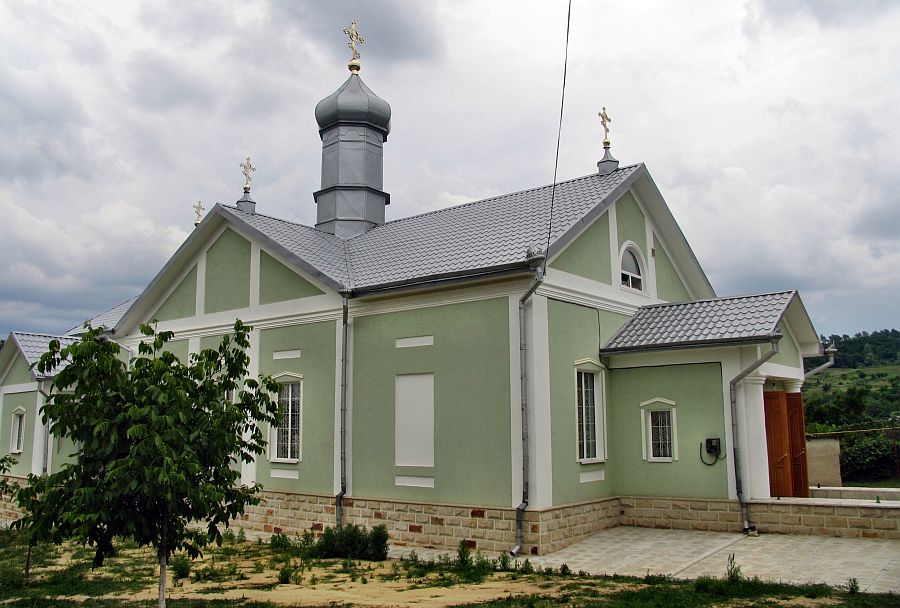
In 1990, the Račula Monastery reopened its doors to nuns and believers. Large-scale restoration of the churches and improvement of the grounds began:
-
Restoration work was carried out for ten years ;
-
The summer church was completely renovated and decorated with a new iconostasis;
-
Restoration work continues in the winter church;
-
Abbess Eustaphy , who has been at the monastery since she was six , became the monastery's abbess . Until the monastery's closure in 1959, she was the choirmaster, enduring the repressions and maintaining her faith, passing on spiritual traditions to new generations of nuns.
Unique monastic life
The Račula Monastery resembles a small village in its structure :
-
Each nun runs her own household;
-
The monastery has culinary, craft and gardening areas ;
-
The economic structure helps to preserve the traditions of monasticism and support the independence of the community;
-
Pilgrims and guests are provided with opportunities for spiritual relaxation, participation in religious services, and tours of the monastery churches.
Meaning and modernity
Today, the Račula Monastery is:
-
Spiritual center for pilgrims from Moldova and neighboring countries;
-
A living testimony of the perseverance of faith and overcoming repression;
-
An architectural and cultural monument of the 19th century;
-
A monastery where ancient monastic traditions, prayer reading and spiritual guidance continue.
The monastery invites everyone to experience spiritual history, see restored churches, and immerse themselves in the atmosphere of quiet monastic life.
Contacts:
Monastery of the Nativity of the Virgin Mary, Račula
Raciula village, Calarasi district.