Frumoasa Monastery – Moldova's spiritual heritage and picturesque views
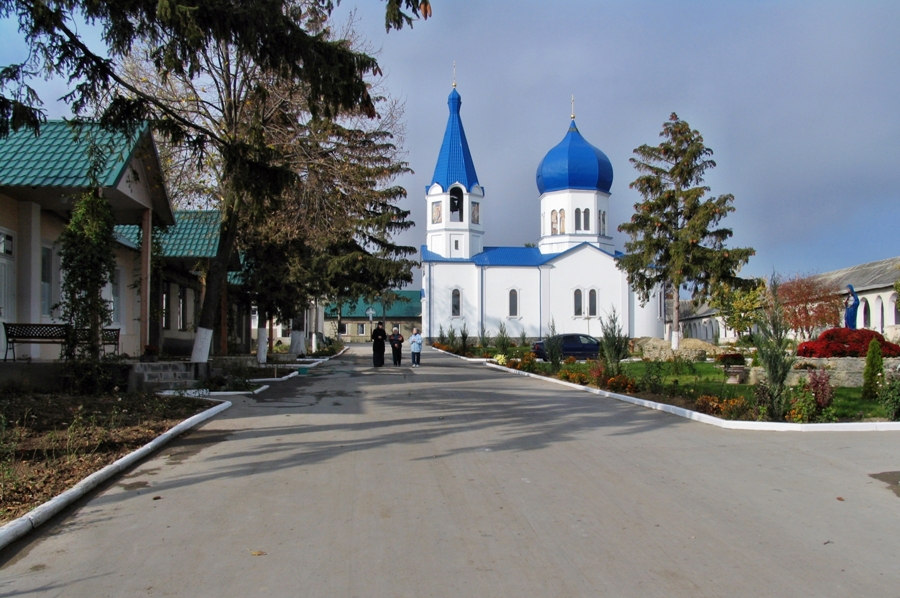
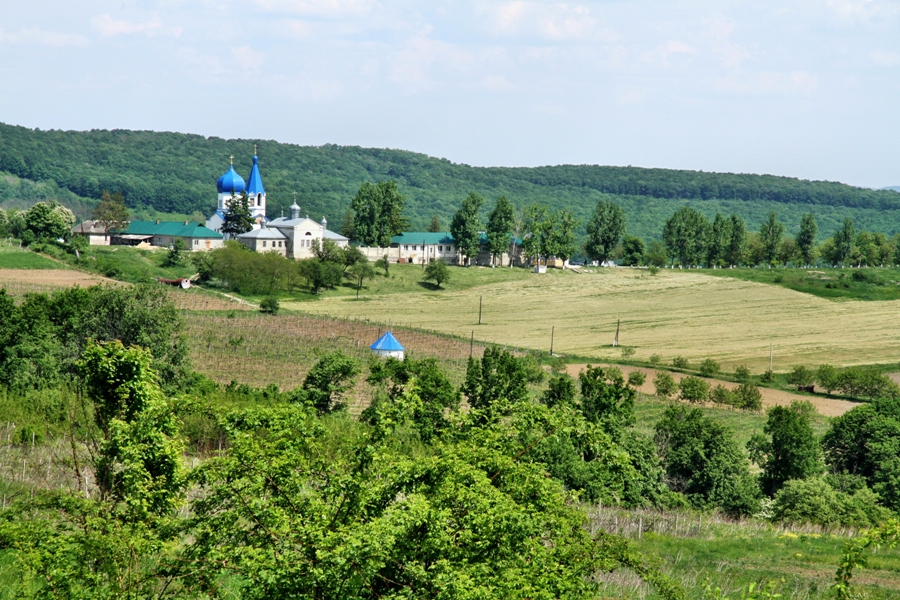
Frumoasa Monastery is located in the city of Călăraşi , just 60 kilometers from Chisinau . This monastery attracts tourists not only for its spiritual history but also for its picturesque surroundings: the hill on which the monastery stands offers magnificent views of vineyards, orchards, and cornfields , creating the unique atmosphere of rural Moldova.
History of the monastery
The monastery was founded in 1804 and is associated with the name of Ephraim Yurku , its founder. Throughout the 19th century, the monastery was repeatedly reconstructed, changing its appearance and expanding its spiritual and educational functions.
The monastery's heyday came during the leadership of Archimandrite Benedict (1818–1850) . Under him, the monastery became a true center of religious culture and spiritual education . Archimandrite Benedict:
-
collected a rich library ;
-
founded a theological school where the children of the Bessarabian clergy were educated, including the future Metropolitan of Moldova Iosif Naniescu ;
-
contributed to the spiritual and cultural development of the region.
Architecture and attractions
-
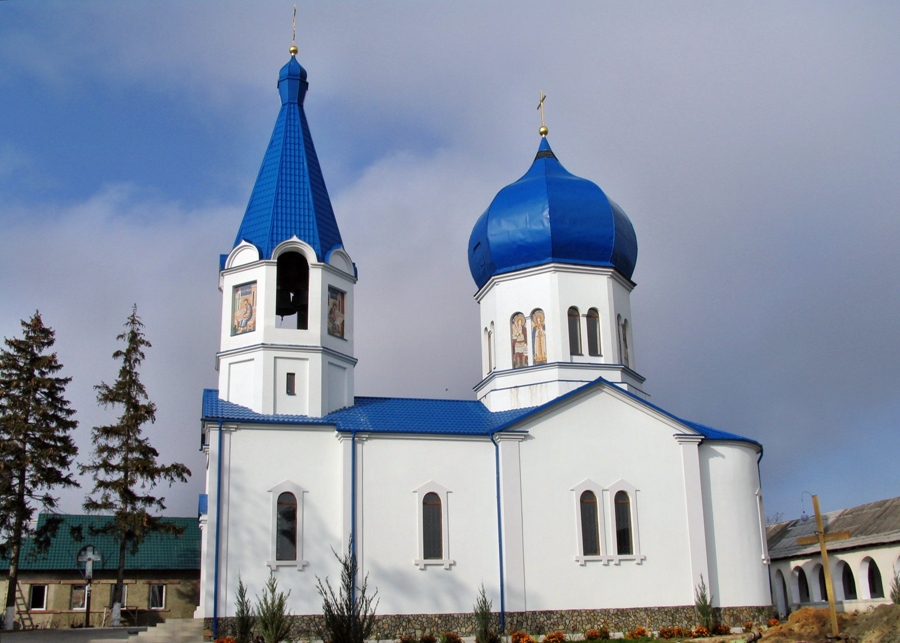
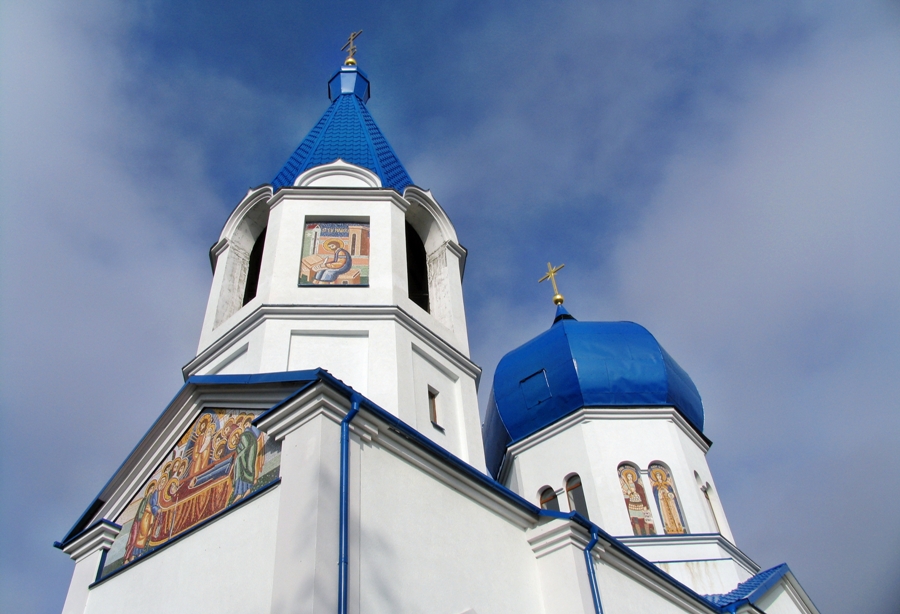
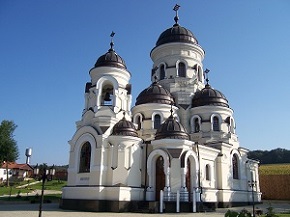
In 1840, a bell tower was built next to the wooden church , adding a special architectural charm to the monastery.
-
In 1847, construction began on a new stone church , replacing the old wooden one, and the temple was consecrated on October 8, 1850 .
-
The large church, built to replace the wooden one (erected in 1810), was finally consecrated in 1851 , becoming the center of the monastery's spiritual life.
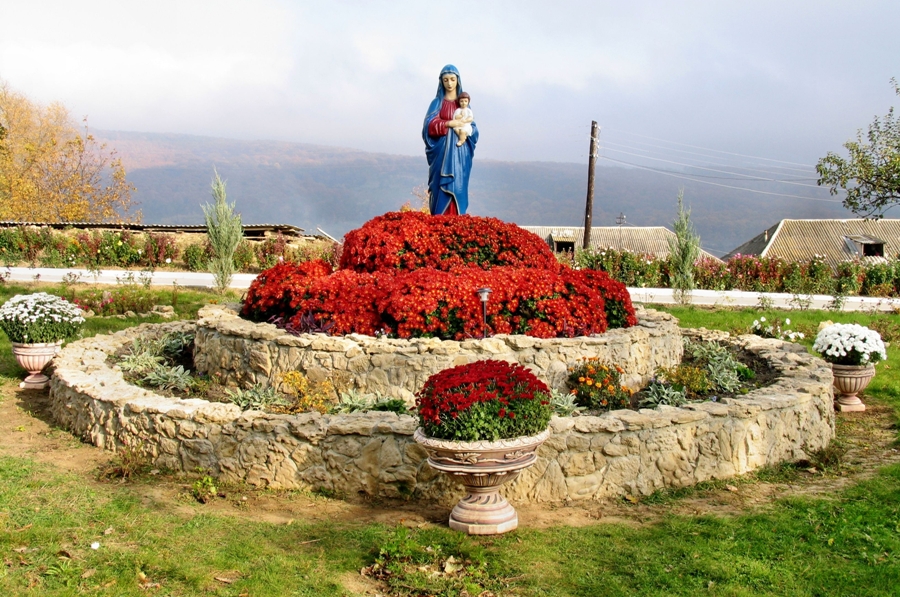
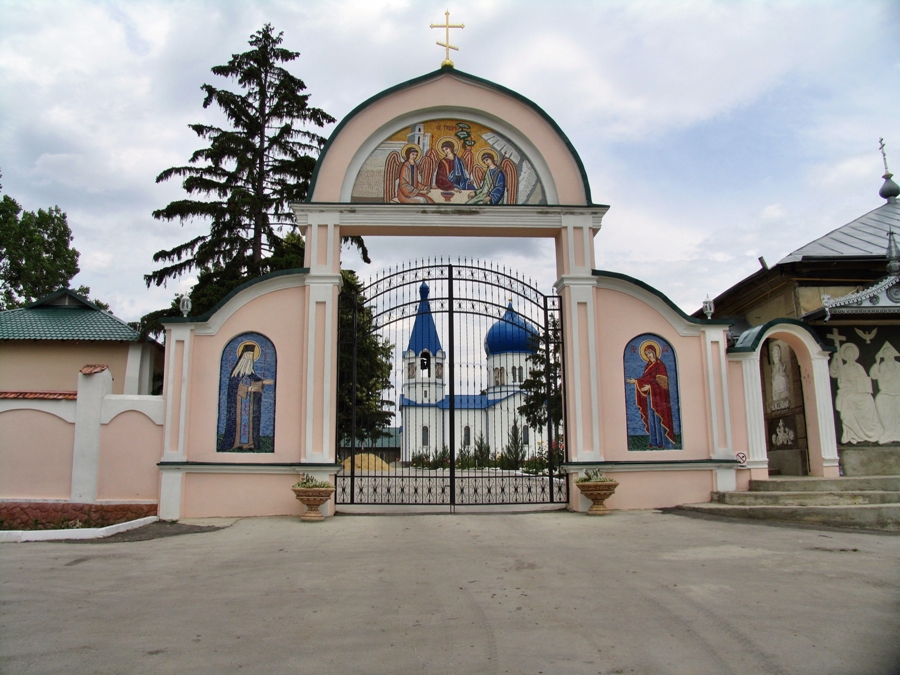
Today, tourists can not only admire the beauty of the temples , but also stroll through the well-kept grounds, enjoy the picturesque landscapes and the atmosphere of tranquility characteristic of monastic cloisters.
For tourists
-
Opening hours: The monastery is open to visitors daily; tours with local guides are available.
-
Getting there: There are regular buses and minibuses from Chisinau to Calarasi, and individual tours are also available through travel agencies.
-
What to bring: comfortable walking shoes, a camera, and water for summer excursions.
Why you should visit
-
Frumoasa Monastery is one of the oldest spiritual centers of Moldova , preserving the traditions and architectural heritage of the 19th century;
-
Center for Religious Education and Culture of Bessarabia;
-
Picturesque hillside location overlooking fields, vineyards and orchards;
-
Rich history, legends and architecture make a visit interesting and educational ;
-
An opportunity to enjoy the peace and atmosphere of spiritual tranquility inherent in monasteries.
Frumoasa Monastery is a place where history, spirituality and nature come together, creating an unforgettable experience for every visitor.
In the mid-19th century, the Russian Orthodox Church transferred the Froumoas monastery to the Jerusalem Monastery of the Holy Sepulchre. For three decades, the monks traveled to Jerusalem annually to fulfill their obligations to their superior monastery.
In 1898, 89 monks and novices lived in Frumoasa. The monastery owned 157 hectares of arable land, 25 hectares of vineyards, 25 hectares of orchards, eight lakes, four mills, a house and stall at the old market in Chisinau, a house in Telenesti, a wine cellar in Leuseni, two shops in the village, 96 beehives, 104 cattle, 25 horses, 72 pigs, 766 sheep, and 1,000 birds.
On October 28, 1937, the Frumoasa monastery was converted into a convent. Its purpose was to train personnel for the Chisinau Institute of Nuns-Nurses.
On May 31, 1946, Soviet authorities closed the Froumoasa Monastery and converted its premises into a shelter for homeless children. The nuns were forced to leave for the Khirova Monastery.
During Soviet times, the monastery building housed several institutions: a boarding school for deaf-mute children (1965-1973), a women's juvenile correctional facility (1973-1986), and a boarding school for children with mental disabilities (1986-1994). During its 200-year existence (1804-2004), Frumoasa Monastery was led by 25 abbots and 4 abbesses. For 48 years, the monastery lay abandoned. On September 20, 1994, Frumoasa Monastery was reopened.
The monastery currently houses a museum, several rooms of which contain various antiques: ancient books, icons, spinning machines, jugs, and much more.