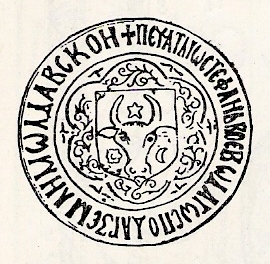
april 14, 1457 Stephen III sits on the throne of Moldova and rules until 1504. He transformed Moldova into a centralized medieval state, consistently and steadily implementing the policy of strengthening the autocracy and restoring the state-given prerogatives, the domain of gospodar; returned the fortresses of Kiliya and Khotin to Moldova, contributed to the development of trade; treated the Orthodox Church with care, built dozens of holy monasteries, including the Putna Monastery, enriches their decoration, endows them with estates... Stephen III was the initiator of the first stories of Moldova, written at the gospodar's court and in the famous Moldovan cultural centers: the monasteries of Neamtu, Moldova, Bistrica...
For Moldovan culture, Stephen III did more than all other Moldovan gentlemen. A visionary diplomat, he maintained ties with many influential European countries, from the papal curia to the Grand Duchy of Moscow, from Lithuania to the Republic of Venice. A courageous warrior and gifted military strategist, Stephen III won brilliant victories in battles with the Hungarians, Poles, Tatars, Ugravlachs/Vlachs, and Turks. But he also suffered defeats, for example, in the Battle of the White Valley (1476), where «of many Moldovan warriors fell under the hands of the Turkish cage and with the cunning Munts...» It is difficult to find another ruler, another European king, who would be given such high marks and honors from other sovereigns, such as Stephen III, Voivode of Moldova ‒ as he called himself.
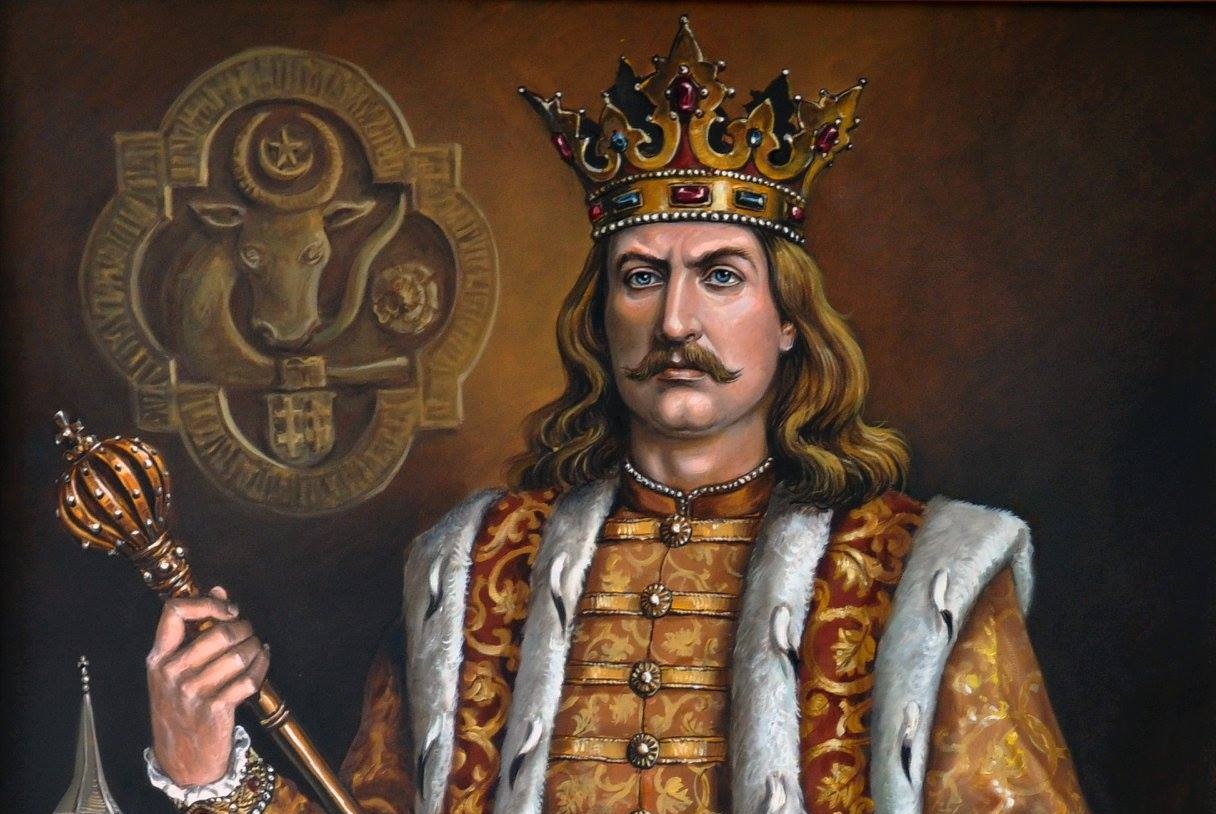
The Moldavian ruler Stephen III was called Great by the Polish king Sigismund: Stephanus ille Magnus.
XV century. «New famous power». The famous Russian historian N. Karamzin wrote: «At this time (15th century) a new famous power appeared in the neighborhood of Litvo... We are talking about the beginning of the Moldavian Principality, ruled by governors, whose names are hardly known to us until Stephen III or the Great, who dared to draw his sword on the terrible Mohammed II, and the glorious victories he won over numerous Turkish armies, who wrote his name in the History of Rare Heroes: courageous in danger, firm in disasters, modest in happiness, attributing it only to God, the patron of virtue, he was the surprise of the sovereigns and peoples, creating great» with little means (N. Karamzin). History of the Russian State).
4 April 1459 In Overheleuti, on the banks of the Dniester, the Moldavian-Polish Treaty is signed, concluded as a result of the attacks of Stephen III in southern Podolia in order to capture Peter Aron, the killer of his father.
1463 The fortress of Khotyn, ceded by Peter Aron to Poland, is part of Moldova as a result of negotiations in 1462 with Poland and as a result of the Moldavian-Polish Treaty of 1463.
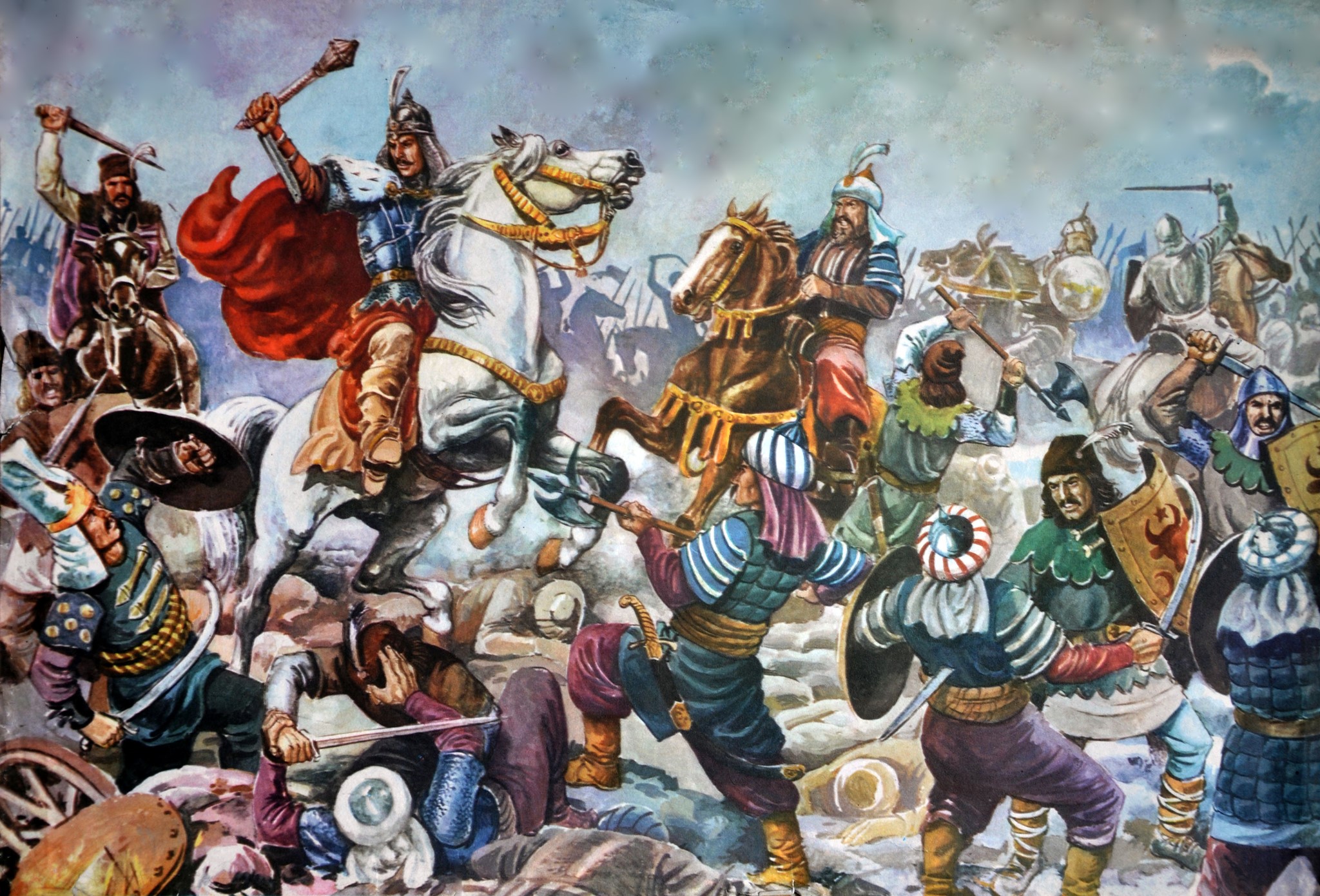
23 ‒ January 25, 1465. Stephen III liberates Kilia, previously held by the Hungarians.
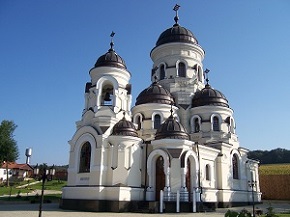
1446 ‒ 1469 Stephen III is building the Putna Monastery (reconstructed in the 17th century) at his own expense.
14 ‒ December 15, 1467. The Moldavian army under the command of Stephen III surrounds the city of Baya and attacks the Hungarian invaders, the remnants of which, together with the wounded King M. Corvinus, are retreating. The Hungarian invasion, which ended so deplorably for the interventionists, was the last attempt of the Hungarian kingdom to enslave Moldova.
20 August 1469 (1470?). Battle of Lipnik. Moldovan troops under the command of Stephen III, pursuing the Tatars who invaded Moldova, overtake them at the oak grove near Lipnik (Oknitsky district) and win a brilliant victory.
December 1469 The Muntean (Ugrovlash) army, supported by Turkish troops from Dobruja, attacks Moldavia, trying, unsuccessfully, to capture Kiliya, defended by the Moldovans. This first joint attack of the Wallachian Turks on the Moldavia of Stephen III predetermined a number of Wallachian-Turkish campaigns against the Land of Moldavia and the retaliatory campaigns of the Moldovans to Ugravlachia/Valachia Rada the Beautiful (1462 ‒ 1473). Following this unfortunate Wallachian master, whom Stephen III shamefully expelled from history, other South Carpathian rulers: «Layote Basarab (1473 ‒ 1477, intermittently), Basarab the Young (1477 ‒ 1482) and Vlad Calugar (1482 ‒ 1496) were placed on the Ugrovlash throne by the Moldovan armies, suppressed by the gigantic personality of Stephen the Great» (V.Neamţu, 1992). Stephen III brutally beat the Vlachs in February 1470 (burned the cities of Floch, Braila, Ialomitsa district), March 7, 1473 (again at Floch), 18 ‒ November 20, 1473 ‒ Battle of the Water Stream.
8 November 1473 For the first time in the written history of Moldova, gospodar's banners are celebrated, distributed by the governor to his military units: «Stefan voivode divided his army and stegovi at Milkovi» (Chronicler Ottoli began the Land of Moldavia... (1359 ‒ 1504). We learn about the banners of the army of Bogdan II from the chronicle of Gr. Ureke: «the entire army of Bogdan Vode appeared with many banners and buchums» (Gr. Ureke). Chronicler Tsariy Moldovey... 1971).
24 November 1473 Conquest of Dimbovica/Bucharest: the Moldovan army walked and had fun for three days in the capital of Ugravlachia, and «Stefan vode Mrs. Radu vode and his daughter Voikica took Mrs.» for himself and he took a walk. Since then, attempts have become increasingly urgent to erect a monument to the famous Moldovan governor Stefan III in Bucharest, who urgently became the most famous Romanian in the 20th century.
28 November 1473 At Dymbovica/Bucharest, the Wallachian-Turkish army (circa 19,000) suffers a major defeat from Stephen III; 2,300 prisoners were put on stake«(Istoria României în date).
10 January 1475 Battle of Vaslui. The Moldavian army (about 40,000 soldiers) under the command of Stephen III attacks south of Vaslui the invading Wallachian-Turkish hordes in Moldova under the command of Khadymb Suleiman Pasha and the Ugravlash master Layote Basarab; Moldovan soldiers achieve a brilliant victory (over the Wallachian-Turkish invaders) with wide resonance in Europe.
25 January 1475 Circular letter from Stephen III the Great to all Christian kings and princes... «The unfaithful king of Tours intends to enslave and destroy all Christianity... At last Epiphany, the above-mentioned Turk sent a large army of 120,000 people to our country and against us... along with him was the master of Munten country with all his power... Hearing and seeing this... they went out against the enemies of Christianity, defeated and trampled them and led them all through the edge of our sword... Having learned about this, the filthy Emperor of Tours intends to take revenge and attack us in May with all his might against us, to enslave our country, which is the gateway of Christianity, which the Lord has protected until now... Therefore, we ask your majesties to send your captains to us to help against the enemies of Christianity while there is still time...» Stefanus vayvoda, segnor paese dalla Moldova
20 June 1475 Stephen III the Great notifies Stanczul, Douma and Miheu, his representatives in Hungary «... about the enemies of Christianity, about the Turkish nechrists who go against us and against our land..., and the Sultan himself goes against us by land so that he himself takes possession of our land with all his power, with all his army and with all the power of the country of Wallachia, because the Vlachs are like the Turks for us (quia valachi sunt nobis veluti turci). And believe me, this is exactly the case and not otherwise. You will immediately... inform the representatives of King Matei (Corwin), who are coming to us and immediately send a courier with our letter... And this courier must rush to the king to inform him about these enemies of Christianity..., so as not to leave us and our land to destruction, by the will of these infidels» (Războieni). Monografie şi culegere de texte).
September 1481 In order to punish the neighbors of the ‒ invaders, the Moldovan army once again victoriously enters Ugrovlakhia, overthrows Tsepelush, who sold himself to the Turks, and places Vlad Calugar on the throne of Ugrovlakhia, who just three years later, in 1484, will also betray the cause of Christianity ‒ of the common struggle against the enemies of Orthodoxy ‒ «create evil before the Lord having already given help to the Turks when the city has taken it and when the land has been destroyed and they have followed other gentlemen of the Muntyans and have not stepped back from them». (Chronicler Ottoli began Land of Moldavia... 1359 ‒ 1507).
1473 ‒ 1483Hegemony of Moldavia over Ugravlachia/Muntenia. Ten years (1473‒ 1483) Stephen III the Great was the real master of Ugrowlahia/Muntenia, possessing it politically, administratively and militarily. For ten years, Stephen the Great, voivode of Moldavia, was the supreme ruler of Ugravlachia. This is three years longer than Mihai, revered by the Romanians, nicknamed Vityazu, who ruled in Ugravlakhia for only 7 years (1593 ‒ 1600), but imagined himself to be the master of the entire South-East of Central Europe. But never, not once did the ruler and governor of Moldova want to become, although he could, «master of Ugrovlakhia». Stephen III the Great did not even try to appoint any of his own Pyrkelab ‒ Moldovan in Ugrovlash/Muntian district. Stephen III the Great for ten years in a row changed the Ugravlash «masters » (whom he elevated to the Ugravlash throne at the cost of great Moldavian blood), because they were not faithful to the joint anti-Ottoman struggle, but preferred their national morals: betrayal and apostasy. «The right to hegemony and suzerainty of Moldova over Ugravlachia/Muntenia justifies the monuments of written culture from the time of Stephen III the Great. This right is based on the struggle against the alliance of the Muntyan boyars with the Ottoman invaders, on the rejection of their conspiracy, which excluded Ugravlachia/Muntenia from the ranks of Christian countries and positioned this country in positions of betrayal and apostasy... The chronicler of Ottoli began the Land of Moldavia... reports that in the battle of White Potoci
«then helped the cages of Turkey and with the hiklenim (= traitors) of the Muntyans. And those good knights and great boleri... under the hands of infidels and filthy tongues and under the hands of filthy muntsy yakonitsi bisha filthy and bisha in their participation in Christianity»; in the same place and in the same plan are placed the «cages of Turkey and with the hiccupped muntyans» ‒ an idea repeated not only in many places in the Chronicler the Land of Moldavia began to die.., but also in the Putnyanskaya Chronicle. The justification for Moldavia's suzerainty over Ugravlachia/Muntenia is also emphasized in an external document dated June 26, 1475, which reports that the Sultan will attack Moldavia with the help of Ugravlachs/Vlachs (cum tota sua potentia et cum potentia terre Valachie, quia valachi sunt nobis veluti turci (= because the Vlachs are like the Turks for us).
The legal and valid right of suzerainty of Moldova over Basarabia/Muntenia is also substantiated in the famous Scripture in the Church of St. Archangels in Razboen (1496): «the king of Tours rose up in the forces of Mahmet with all his eastern forces, and the Basarab voivode named Layote came with him with all his Basarab Land and came to captivate and conquer the Moldavian Land... And God’s admission of the victory of the Bisha Christians from the filth and padosh that many from the Moldavian voih» (E.Stănescu, 1964).
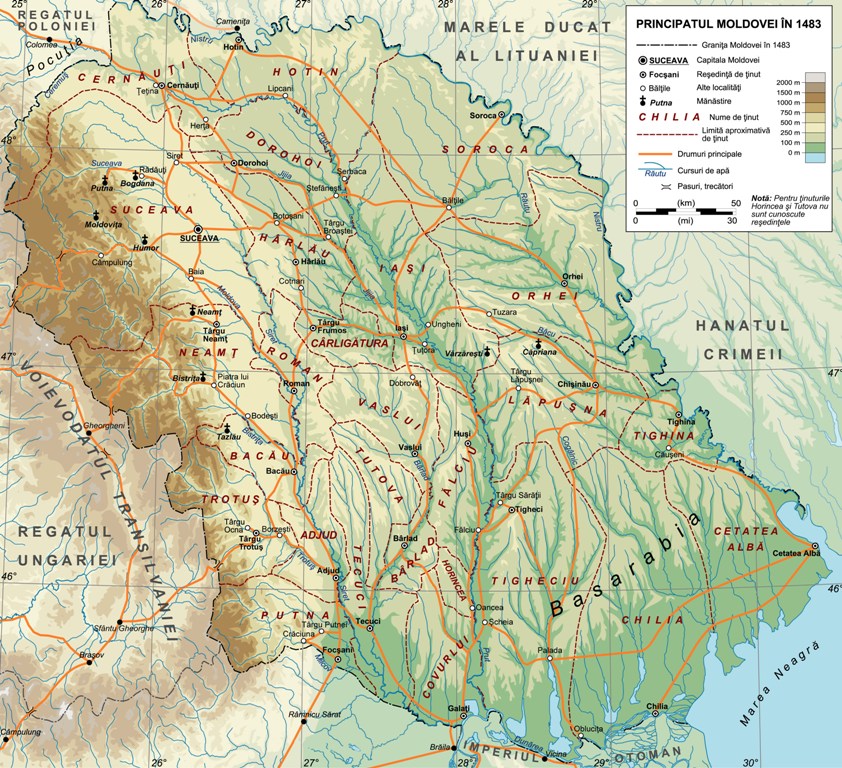
June ‒ August 1484. First alienation of Moldovan national territory On June 27, a powerful Turkish army, with the Ugrovlakhia/Muntenia troops joining it, under the command of Vlad Calugar, invades Moldavia, besieging the fortress of Kiliya, defended by the Moldovans, under the command of the Pyrkelabs Ivanko and Maxim on July 6. After 8 days of siege, Kiliya was captured by the Vlach Turks. On August 5, the Vlach Turks also captured Cetatja Albe (Belgorod ‒Dniester), defended by the Moldovans under the command of the Pyrcalabs Herman and Oane. By this, Moldova was deprived of access to the sea. The port fortresses, the large shopping centers of that time ‒ Kiliya and Chetatya Albe and their environs ‒ all the coastal qinut of Moldova were captured by the Ottomans. 322, until 1806, the Moldovan lands south of the Bendera ‒ Leova line were captured by the Turks and given by them «for rent» to the Tatars. Thus, the first capture and first rejection of Moldovan national territory was carried out by the Vlachs and Turks.
15 September 1485 Stephen the Great in Colomey swears allegiance to the Polish king Casimir in the hope that the Polish kingdom will help liberate Kilia and Cetatja Albe. However, the Polish royal court would later treacherously violate its commitments made in Colomey.
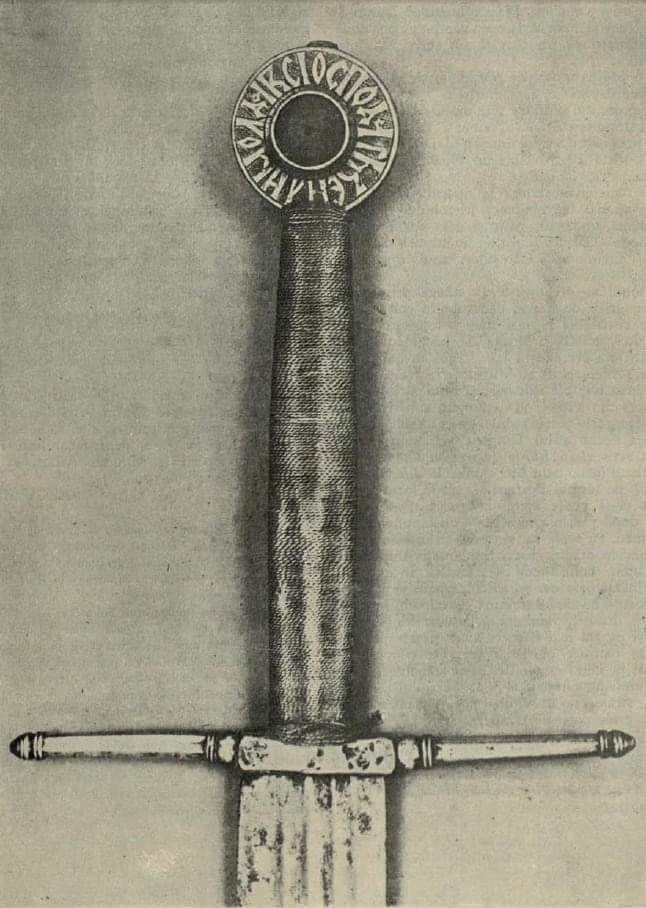
8 November 1496 At the Church of St. Archangels reveals Scripture from Razboeni ‒ the eternal memory of the Moldovan warriors ‒ Moldovan warriors who fell here in 1476, for the freedom and independence of Moldova ‒ a true example of sincere history: «Io Stefan the governor, by the grace of God, lord of the Land of Moldavia. In the year 1476, my domination on the 20th of this year, a strong Mehmet rose, the Emperor of Tours with all his eastern forces and also with him the governor Basarab named Layote, came with him with his entire country Bessarabian. And they came to plunder and take the Country of Moldavia; and the called White Stream reached this place. And we, Stefan the governor and our son Alexander, came out to meet them here and created a great battle with them in July 26; and by the will of God, Christians were defeated by infidels and a large number of Moldovan warriors (warriors) fell here...» (From the inscription on the church built in memory of those who fell in the Battle of Val Albe, 1496).
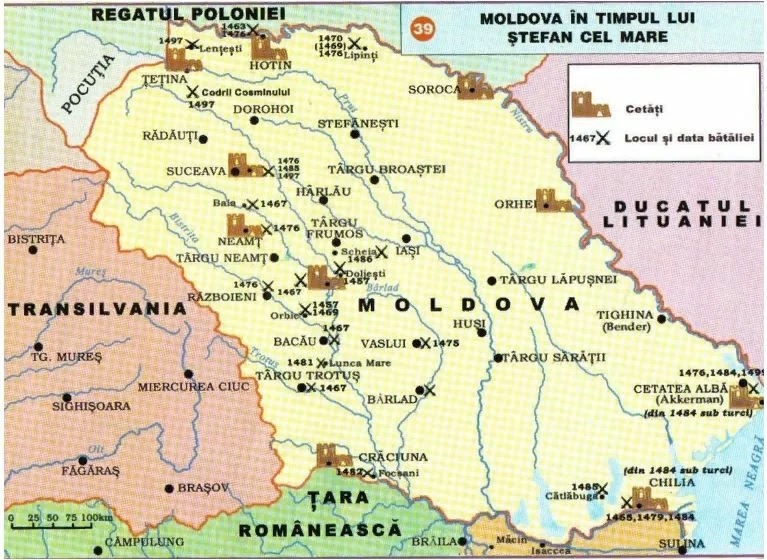
9 August 1497 Polish campaign against Moldova. John Albert, King of Poland, at the head of 100,000 troops crosses the Dniester at Michelceni, allegedly heading like a war against Turkey. But on September 24 it reaches the walls of Suceava, and on September 26 it begins the siege of the Moldovan capital, which «lasted three weeks, day and night». Through the mediation of the Transylvanian governor Bartolomew Dragffi, the Moldovans and Poles agree to the condition of peace that Stephen the Great insisted on: the Poles «abisya rotated (returned) through the same priidosh». However, the Polish king violated this condition. «And so anger Stefan the governor and drive after them with his warriors and reach them to the edge of Kozmin bukov» (Chronicler Ottoli began Moldavian Land...).
26 October 1497 Battle of Bukovina Kozminov. The Moldavian army under the command of Stephen the Great attacks the Polish invaders: «And then the scourge of Moldovan weapons and all the sciptri took away many and many boleri and great ledes there and many troops fell then and all the great cannons with them on Suceava degra, then you can take the former and frost mali and change mozi and carry confession» (The chronicler of Ottoli began the Moldavian Land...).
29 October 1497 Battle of Lencesti. A Moldavian army under the command of thief Baldur defeats a detachment of Masurian cavalrymen rushing to the aid of the Polish king.
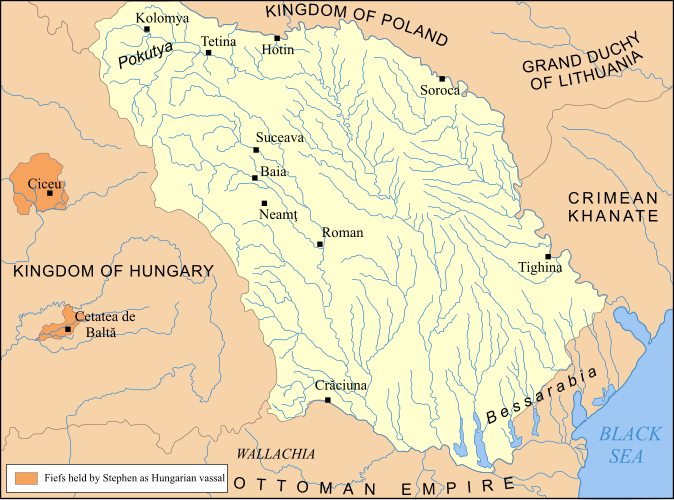
30 October 1497 Battle of Chernauti. Stephen the Great with his warriors exterminates the remnants of the Polish troops; this battle marks the final victory of the Moldovan troops over the Polish invaders.
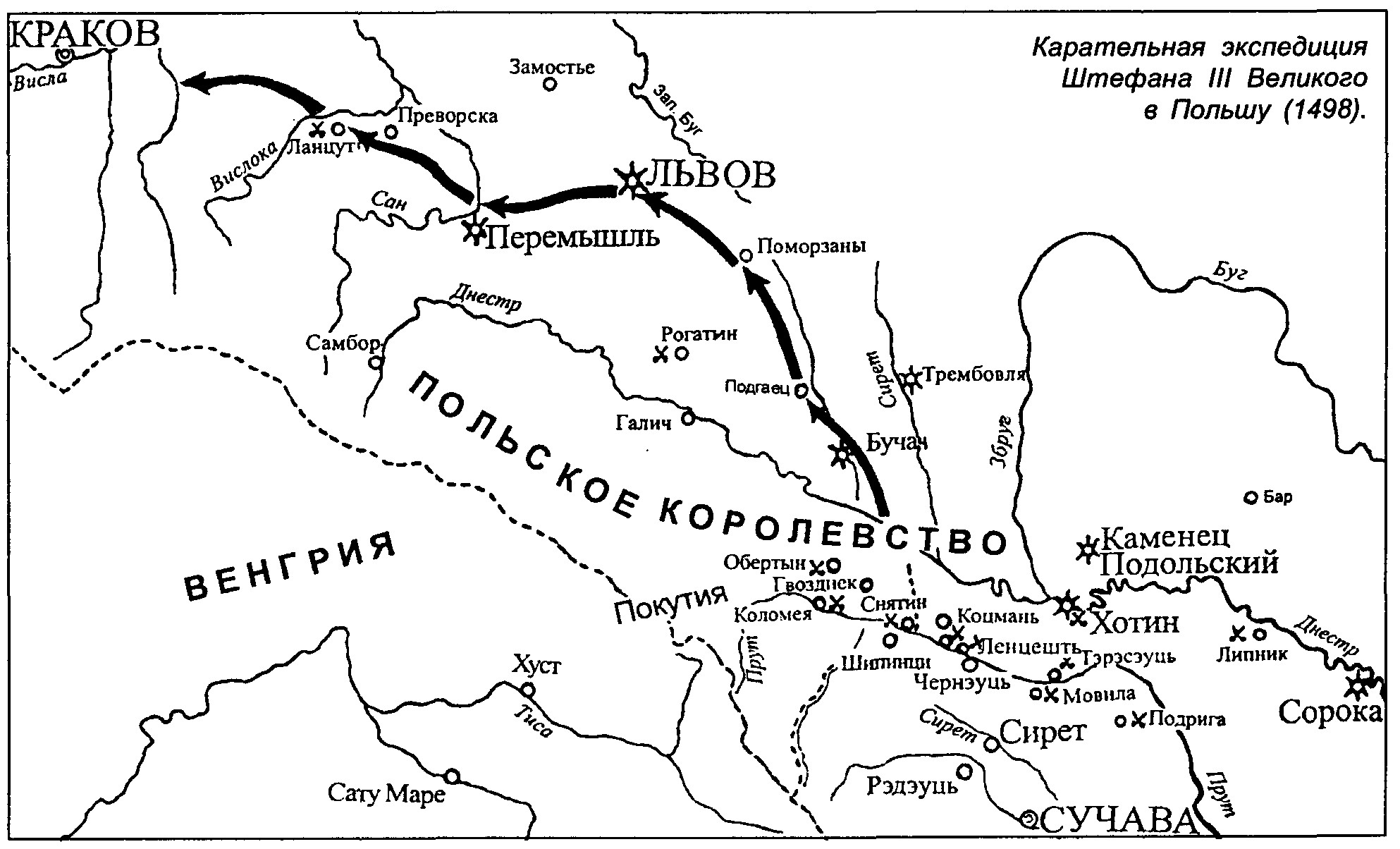
June ‒ July 1498. Punitive Moldovan campaign in Poland. «Stefan vode, wanting to punish the Lyakhs for their invasion in the fall of 1497, entered Podolia, near Rus'... Conquers and sets fire to the fortresses of Trembovlya, Buchach, Podhaice, then advances to Lvov and Pokutya... And many people of Rusyns, men, women, children were brought to full, more than 100,000, many of them were planted by Stefan Vode in his country, which to this day lives the Russian/Rusyn language in Moldova, especially where he planted them, that more than a third speak Russian» (Gr. Ureke. Chronicler Tsariy Moldovey. Chişinău, 1971).
1457 – 1504 «The particularly powerful roots deepened by our Moldovan tribe over the half century that the reign of Stephen III the Great lasted were sufficient to establish the Moldovan character of consciousness for the next centuries» (Mikhail Sadoveanu).