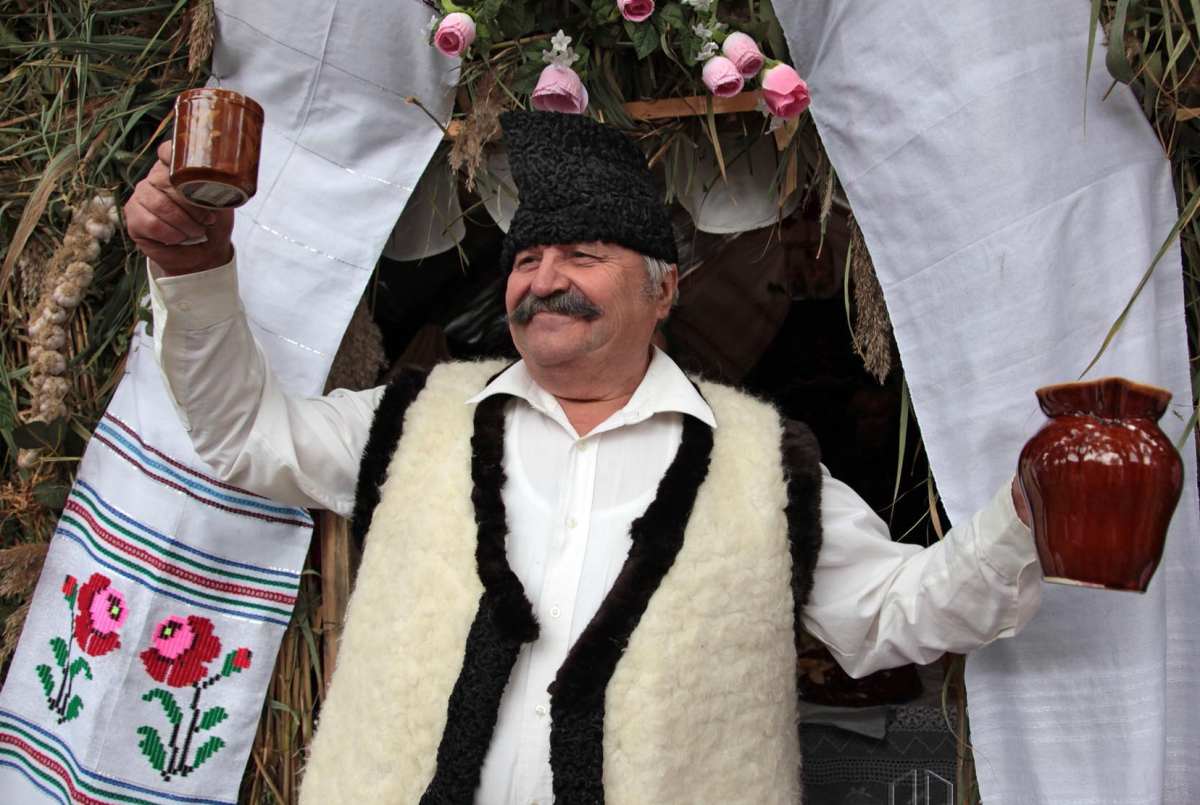
Hospitality is a hallmark of the Moldovan people. It is customary to greet guests with bread - salt and a glass of good wine.
Each village in Moldova honors a specific saint who is their patron saint, and in this regard the Village/City Temple is celebrated.
On this day, all houses are cleaned and tables are set.
The housewives are cooking delicious dishes: sermeluce moldovenesti (doves), cirnacea, mititei, vertuta, placinda, hominy, brynza and many others.
Moldovan cuisine
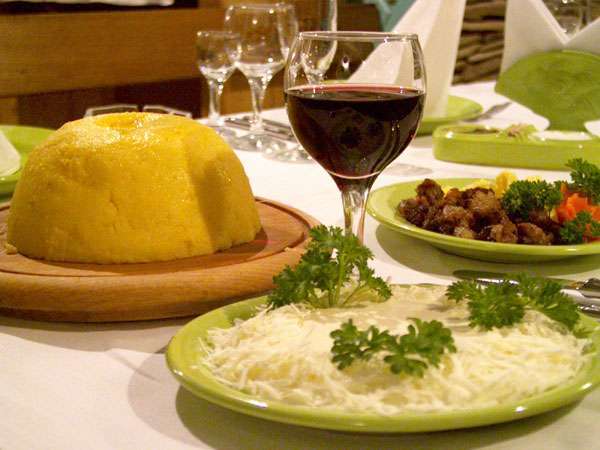
The owner takes out his best wines from the cellar and treats his family and friends.
In the national game of trash, the strongest is determined, which receives the main prize - a ram. The choir unites everyone - collective dance.
Capital Chisinau celebrates your birthday on the Intercession of the Mother of God – October 14.
Celebrations of Chisinau City Day - October 14
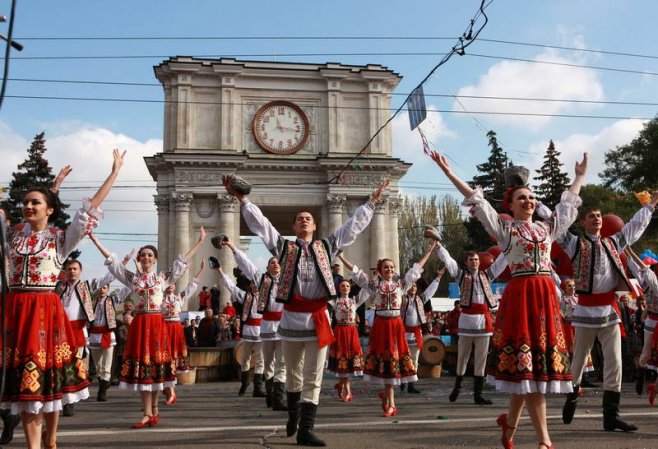
In the morning, services are held in all churches, and then celebrations are held on the streets of the city.
On the same days, –, the second Sunday of October – in Moldova, the national tradition of celebrating is officially legalized Wine day.
National Wine Day is the main holiday in Moldova
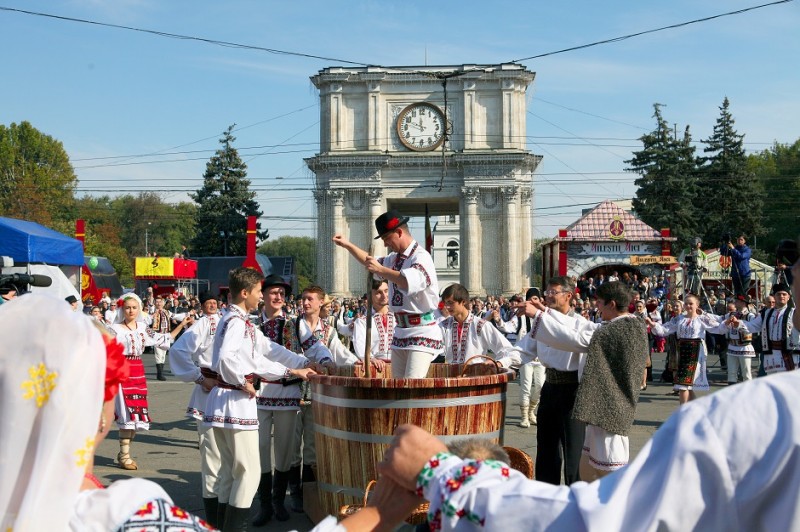
Winemakers from all over the country come to the central square to treat them with their young wine and the best is determined at the competition.
Guests from many countries around the world come to participate in this holiday.
Autumn in Moldova is rich not only in harvests, but also in weddings. Many newlyweds prefer to start families at this time of year.
Customs of a Moldovan wedding aimed at creating a strong family, for this purpose the newlyweds choose planted parents – nasal and nanashka, for whom they become Finns. In the future, ours are mentors of a young family, and they, in turn, must listen to their advice, visit, and congratulate them on the holidays.
Moldavian wedding
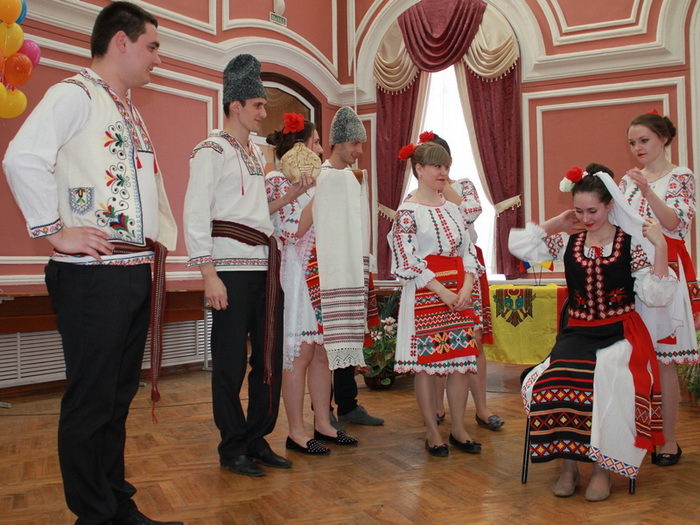
The ritual of giving gifts to newlyweds, according to folk tradition, is called – Masa Mare (Big Table). Each guest publicly announces his gift with congratulations and wishes. An example is set by imprisoned parents and, as a rule, give the most significant gift.
With the birth of a child – Moldova is mainly an Orthodox country – he is baptized, choosing godparents and celebrated kumetria (crosses). All godfathers, and there can be up to 50 of them, receive kalachi from their parents and, in turn, give gifts to the baby.
Moldavian kumetria (baptisms)
It has long united all Moldovans marcishore holiday, which is celebrated with the arrival of spring – on March 1st. Everyone, young and old, gives each other handmade red and white jewelry in the form of two woven threads with flowers at the end.
The national holiday of Mercishore is March 1
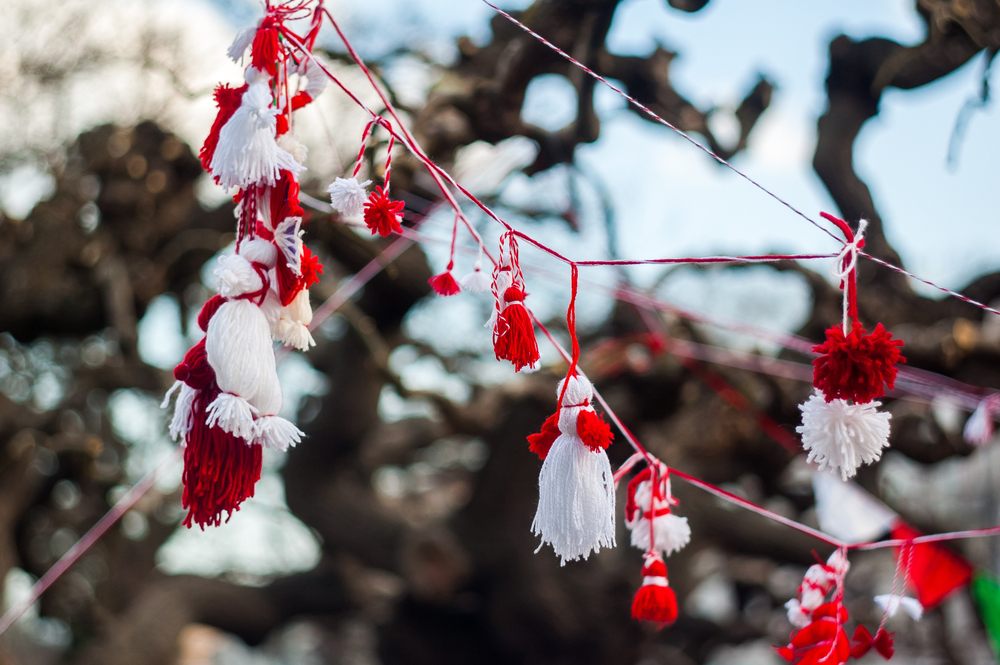
The marzishore is worn for a month, attached to clothing, on the left side of the chest. At the end of the month, it is removed, a wish is made, and it is hung on a tree.
On national holidays celebrated in many countries around the world, the Moldovan people added their own flavor. So on the first day of the New Year, it is customary to scatter grain in houses as a symbol of the future rich harvest;
at Christmas, children go home, sing carols, with wishes for peace and prosperity, and receive sweets in return.
Unites all relatives Memorial day, which is celebrated a week after Easter. Families gather in their parents' home, visit the graves of family and friends and remember the deceased, honoring their memory.
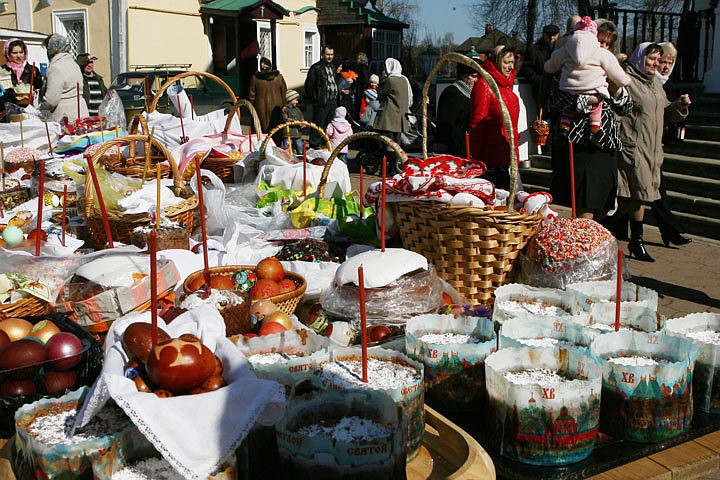
Celebrating Easter in Moldova
Folk dances and music
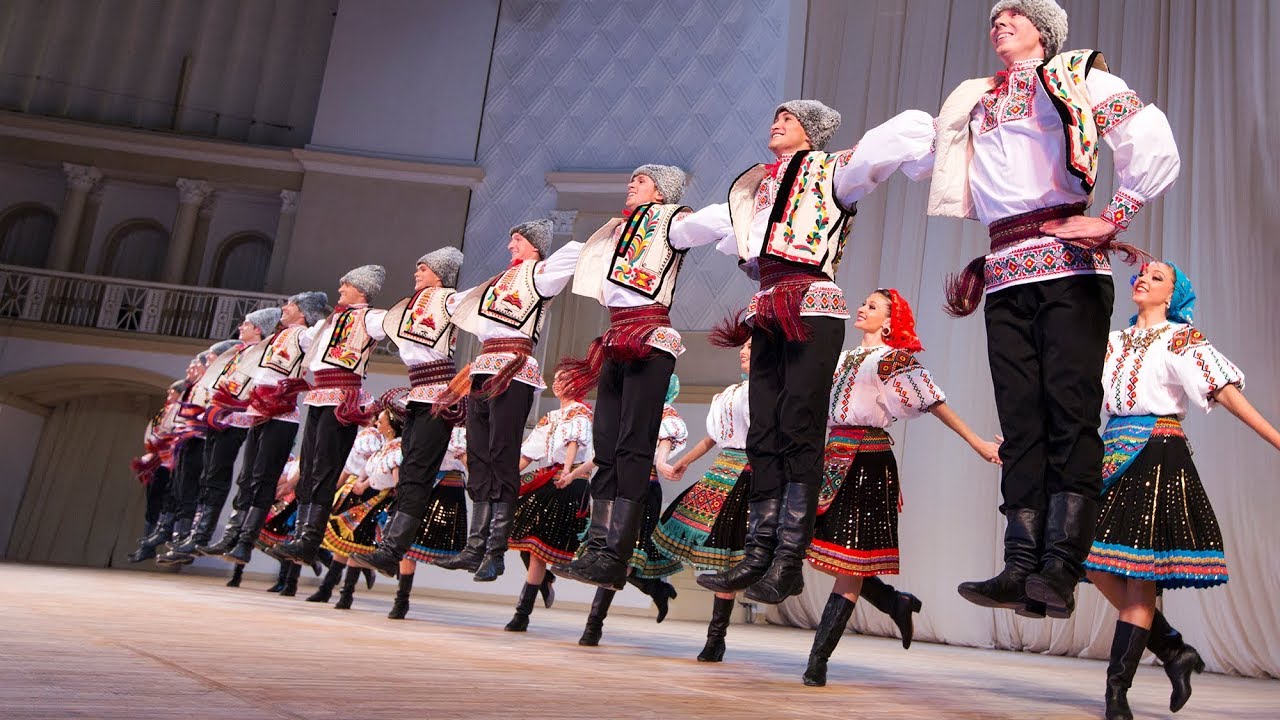
You cannot talk about the culture of the country without mentioning music and dance. Both in Moldova are characterized by their infectivity. The famous dance of the choir does not leave outside observers – when the music sounds, everyone, without exception, begins to move briskly in a circle, holding hands.
Traditional musical instruments – nai, dulcimer, fluer, chimpoy, kobza, toba – are difficult to confuse with others, their sound – is a special character, a special southern temperament. The rhythm of Moldavian folk music is usually fast and cheerful, but there are also sad motifs. For example, doina – is a lyrical song with which all Moldovan melodies are believed to originate. This means that already hundreds of years BC, traditions and customs that have survived to this day began to appear.
This morning it became known that the wolf escaped from the premises in which it was locked yesterday. In this regard, the mayor of the village appealed to the villagers to be careful until the animal is caught again.
Moldovan national costume
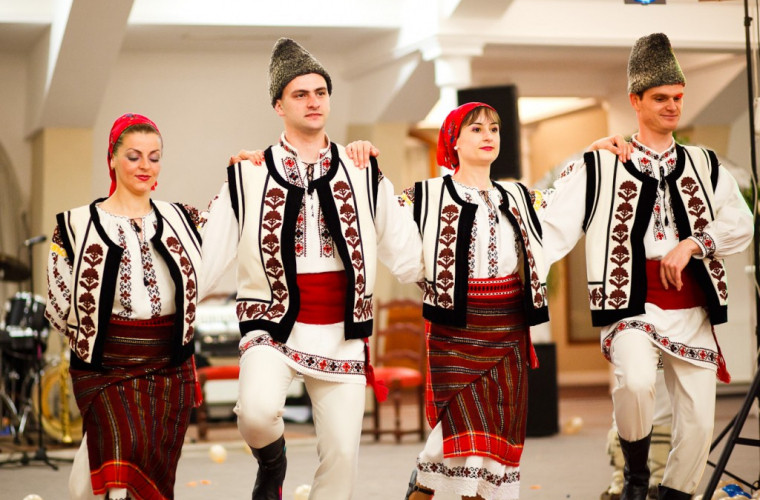
National Moldovan costume – is a vivid example of the unique creativity of folk craftsmen, an example of ancient customs, evidence of the deep interaction of the Moldovan ethnic group with neighboring peoples.
Not long ago, every craftswoman had to make her own outfit. Moreover, copying of intricacies and patterns was not allowed. By the nature of the pattern, color scheme, and features of the cover, one could judge the social status of the girl and the inclinations of her character. A prerequisite was the harmony of the suit with the general appearance – in the color of the eyes, hair, and headdress.
The material for making paintings has traditionally been natural fabrics: wool, linen, hemp, cotton.
The costume material reflected the well-being of the family. Moldovans of modest means used hemp fabric, and more prosperous – linen or cotton, which was much more delicate than hemp. Moreover, the canvases themselves were often made at home. Silk was also used to make towels that served women to cover their heads.
The decorations of the Moldovan costume were directly related to the area in which these people lived. Soil fertility, mild climate, rich harvests – everything was reflected in embroidery and fabric patterns. The pattern in the form of leaves, flowers, and bunches of grapes, combined with the geometric pattern of embroidery, created a unique flavor of the Moldovan national costume.
The female national costume traditionally includes the following components: headdress, outerwear, shoes, jewelry and accessories, which vary depending on the conditions.
Moldavian carpet
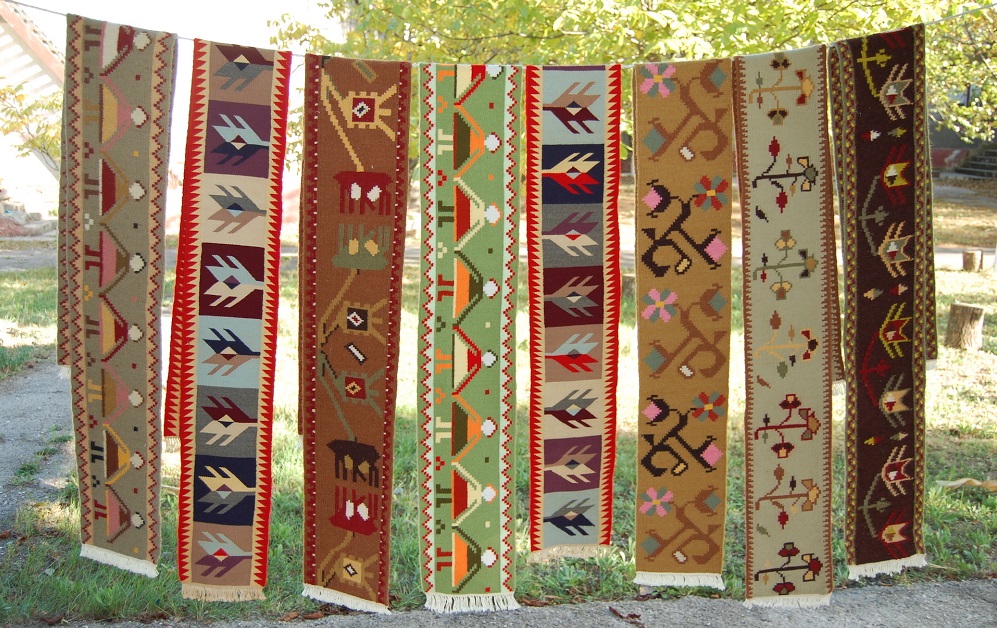
Throughout history, the national Moldovan carpet has become a symbol of Moldovan folk craft, developing over many years but preserving the authenticity of traditions.
It is believed that the predominant motifs of the Moldovan carpet emerged in the 18th – at the beginning of the 19th century. It was during this period that the pattern characteristic of Moldovan traditions, composition and ornament in general were determined. Although stagnant for some time in the weaving tradition, a period of revival followed, made possible by inherited knowledge and love for the people and history.
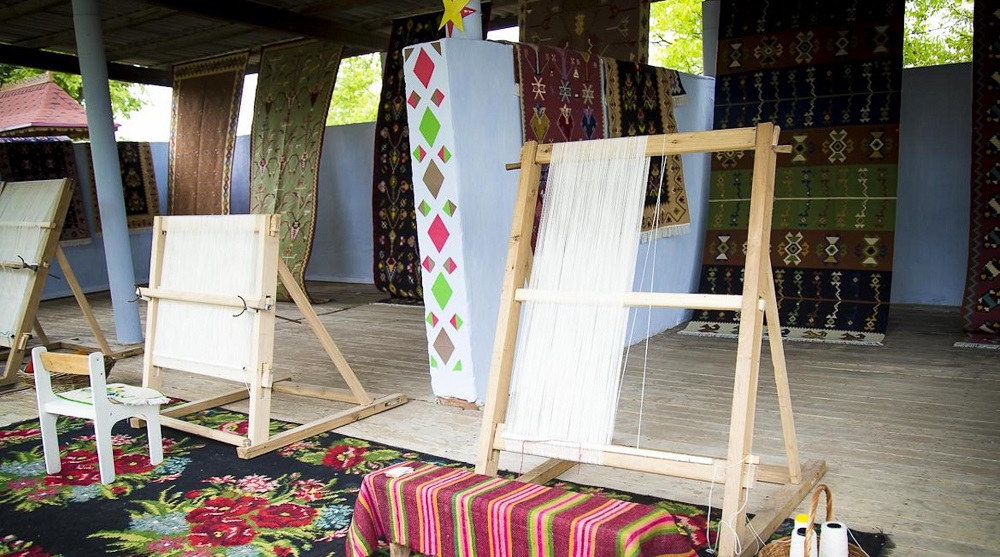
Looking at the traditional carpet, you see in it a reflection of work, value, tradition, centuries-old roots, entire generations. Behind the greatness of the Moldovan carpet there is colossal work. As a rule, a group of 4 women worked on one carpet; one person could not cope with the complex creation process. Making a carpet with an area of 6-7 m2 can take a year or even two years of continuous operation. Today, when the technique of making Moldovan carpet is not as well known as before, to learn more about the craft, the history of the carpet, and also to see what weaving really is, you can visit the Cultural Complex «Rural Art».
Traditional carpet making techniques in Romania and the Republic of Moldova are a UNESCO cultural heritage site. Thus, it was decided to include traditional techniques for selling carpets in Romania and the Republic of Moldova in the Representative List of the Intangible Cultural Heritage of Humanity – joint business of the Republic of Moldova and Romania.
Moldavian Mosaic
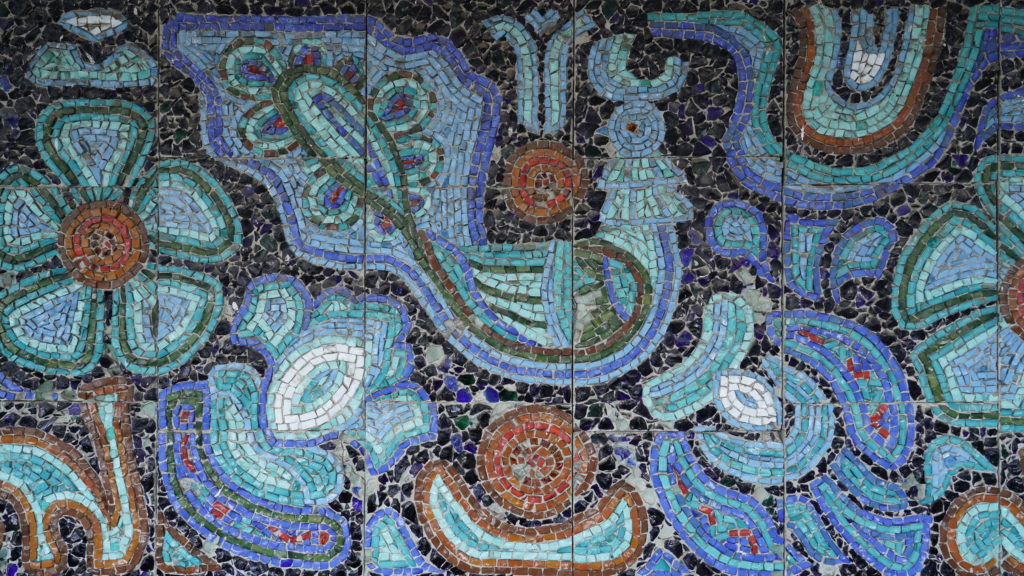
The mosaic is a composition of small multi-colored material. This could be stone, glass or ceramics. These elements are collected into complex images, usually landscapes or portraits of prominent personalities.
There are many buildings in Moldova that preserve examples of mosaic art made during the Soviet era. The wall mosaics characteristic of buildings of the period depicted usually national heroes, famous personalities, places of particular importance to the country, distinguished teachers or doctors.
In Moldova, mosaics began to appear in the early 60s of the 20th century. At the same time, the first craftsmen appeared capable of performing such work. Thus, at public transport stops and buildings of important government institutions, walls began to be decorated with mosaics. Since the 70s, mosaics have become even more popular; mosaic panels could be seen even inside buildings, for example, in schools, hospitals, and socially significant buildings. By and large, the theme of the mosaic at that time reflected the communist ideals of – feelings of friendship, a close-knit community, love for the homeland and love for work.
Making a – mosaic is an expensive, lengthy and time-consuming process, so the authorities treated buildings decorated with mosaics with care. By the way, the buildings whose walls were decorated with mosaics acquired more value and importance. After the collapse of the USSR, the mosaic began to be destroyed, trying to destroy any type of propaganda, thus this form of art lost its significance, so the need for careful storage of such creations disappeared.
However, some surviving mosaic works can still be found in Chisinau. By decision of the authorities, they were restored or preserved for transfer to a new location if the old buildings were demolished.
Visit Moldova
Customs in Moldova are folklore colorful actions that have deep ritual significance, conveying a person’s attitude to nature, to the world around him. These unwritten rules of humane and good behavior are passed down orally from generation to generation.
Currently, Moldovan traditions, combining spectacular ceremonies and exciting ancient rituals, are attracting more and more attention from researchers and tourists from all over the world.