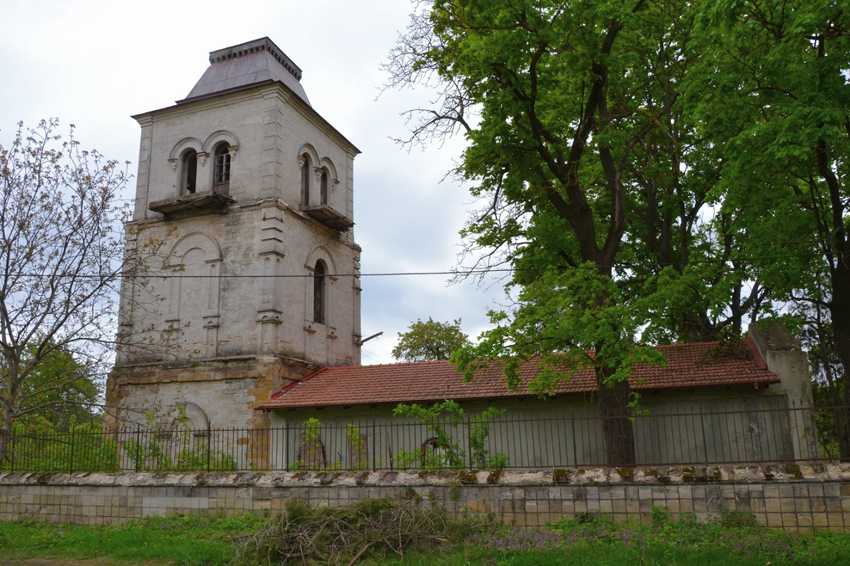
The estate is located in the village of Ivancea, 14 km from Orhei. Built in 1880 by order of landowner Carabet Balioz, it blends Western European Renaissance and Russian Classicism. The estate's park is one of the oldest in Moldova. Participants of the "Through the Lens of a Cyclist" project share how to get there and what's worth seeing.
Route: Chisinau (Entrance to the Valea Morilor Park, the Doina si Ion monument) – Calea Orheiului Street – M2 Highway – R23 Highway – Ivancea (Peace Quarter)
Distance: Chisinau – Ivancea 42 km, respectively in both directions – 84 km.
Travel time: 6-7 hours for a well-prepared group. It's worth planning a full day of travel.
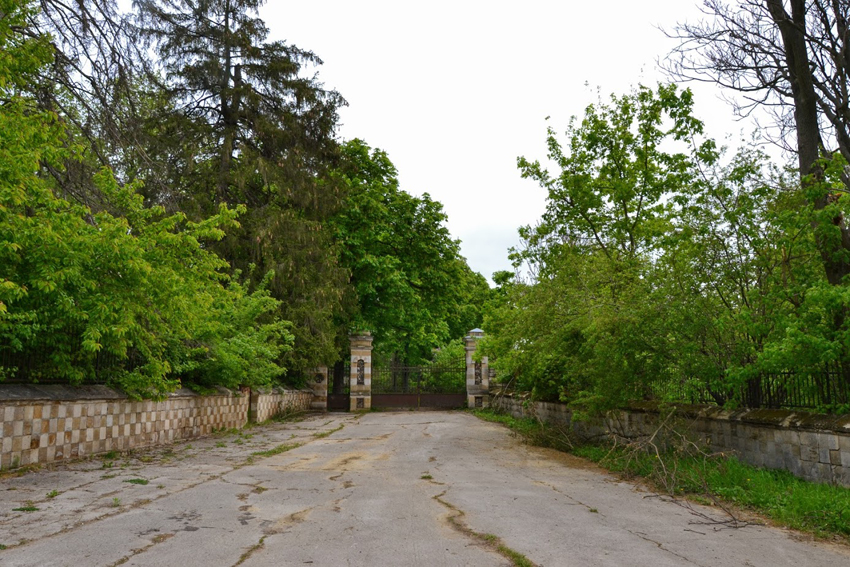
The village of Ivancha. The first mention of it dates back to June 28, 1576. It takes its name from Ivancha, a right tributary of the Reut River. Some believe that the village was founded by a certain Vancha (Oancea), who headed the hospodar's chancery from 1436 to 1449. Accordingly, the village was named in honor of its founder and then-owner of these lands. After Vancha, various landowners became the owners of the village, including Darius Donici, Iancul Carp, Ianko Rusu, and Spiridon Andrei Pavlovich. Finally, in 1852, the owner of the village was Karabet Balioz, a landowner of Armenian descent.
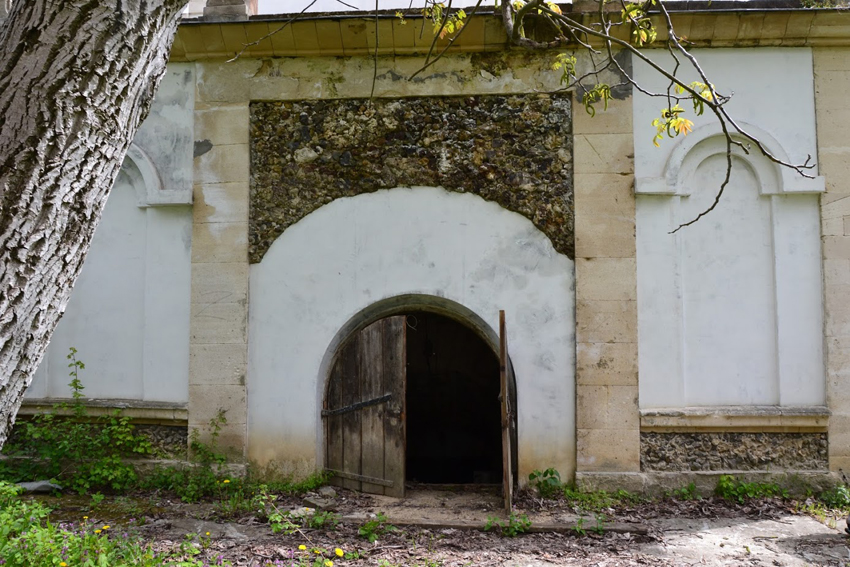
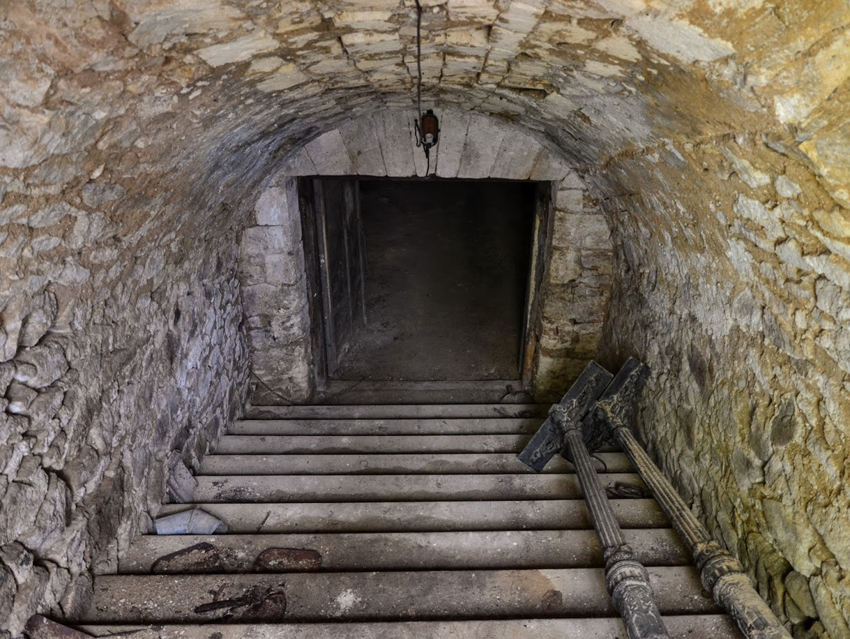
The park is one of the oldest in Moldova. The estate itself was built in the most advanced style of the time. Its grounds included barns, cellars, a mill, stables, a forge, a carriage house, warehouses, a greenhouse, an icehouse, and the famous three-story observation tower. The boyar's house was built in the Western European Renaissance style with elements of Russian classicism, with columns and a bas-relief on the façade depicting Carabet Balioz himself. Interestingly, Carabet once served as the steward for the landowner Maruc-Bey, whose estate in Hâncești was recently completely restored and opened to the public.
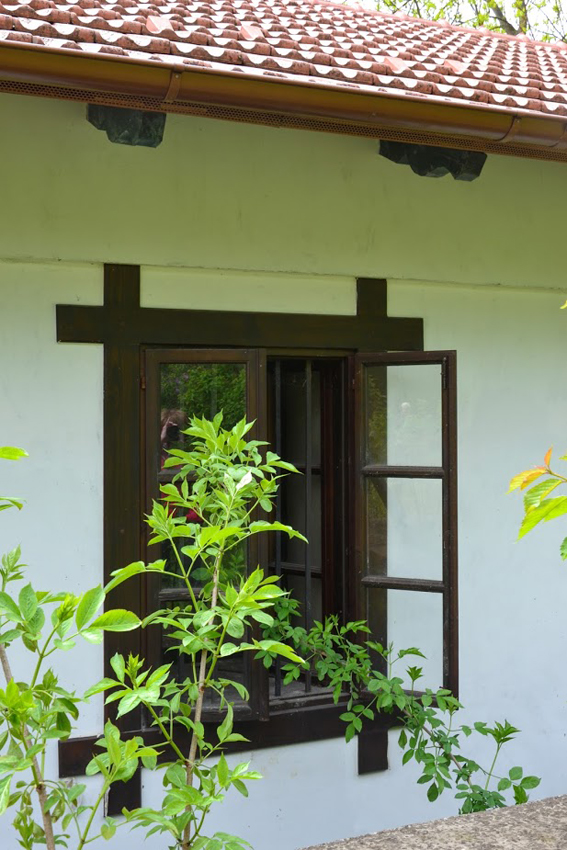
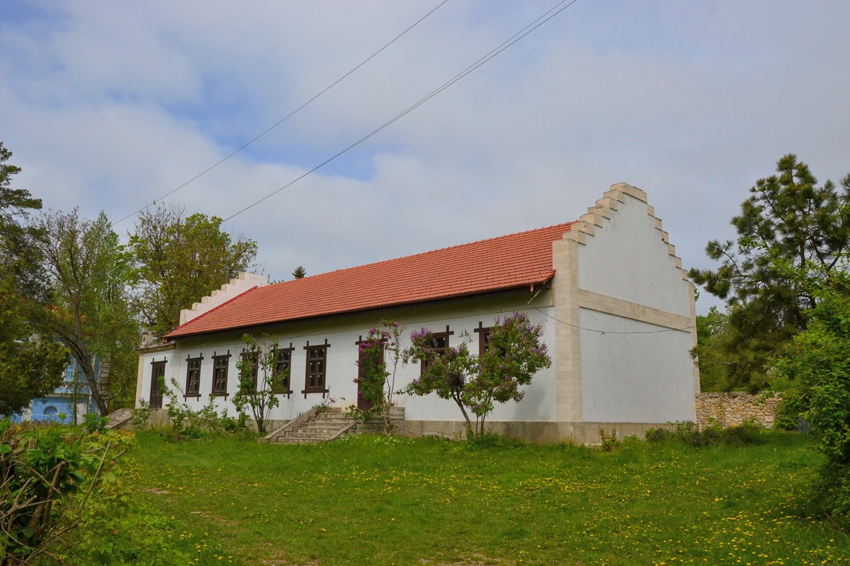
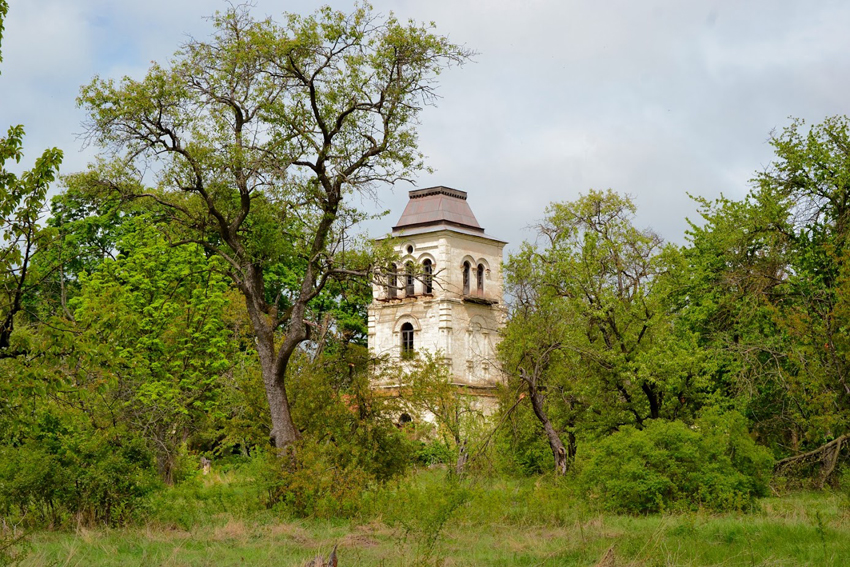
Karabet Balioz spent 21 long years building his estate, but by a cruel twist of fate, he never lived there – Balioz died the same year the estate was completed. The fates of the estate's subsequent owners were also tragic in many ways. Kabaret's wealth did not bring happiness to his sons. Artur and Karp committed suicide – both are buried in the village cemetery in Ivancea. Karp's son successfully continued his grandfather's work (Karabet developed a white limestone quarry in Branesti). After his death, the estate passed into the ownership of the Balioz family's distant relatives, the Bagdasarovs.
Even some of the village's elders remember the estate's last owner, Dmitry Popov. Dmitry owned a tobacco business in Odessa, whose products were used throughout the Russian Empire. The villagers are said to have adored him so much that when Dmitry Artemovich Popov died, they carried his coffin to the Chisinau crossroads. His widow, Elena Bagdasarova, lived on the estate permanently, occasionally visited by her daughter Nina, who would come from Bucharest for vacation. Several years ago, the Ivancha museum was visited by a direct descendant of the estate's last owners—Bogdan Boriskevich, a patent attorney living in Romania. His grandmother, Nina Popova, told him how, in 1940, she and her mother said goodbye to Ivancha forever.
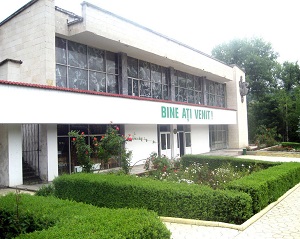
During the Great Patriotic War, the estate housed a hospital, and after the war, plans were made to open a sanatorium there. However, instead of a sanatorium, the building housed the local administration, which was replaced, one after another, by a laundry, a library, and a dormitory. For 20 years in the 1960s, the building stood empty, and since 1985, the estate has housed the Museum of Folk Crafts. According to a village resident and former tour guide, the estate was in excellent condition in the 1980s, thanks to the large influx of tourists (in addition to the estate, recreation centers were built in Ivancha). Perestroika and the 1990s brought the complex to ruin and neglect.
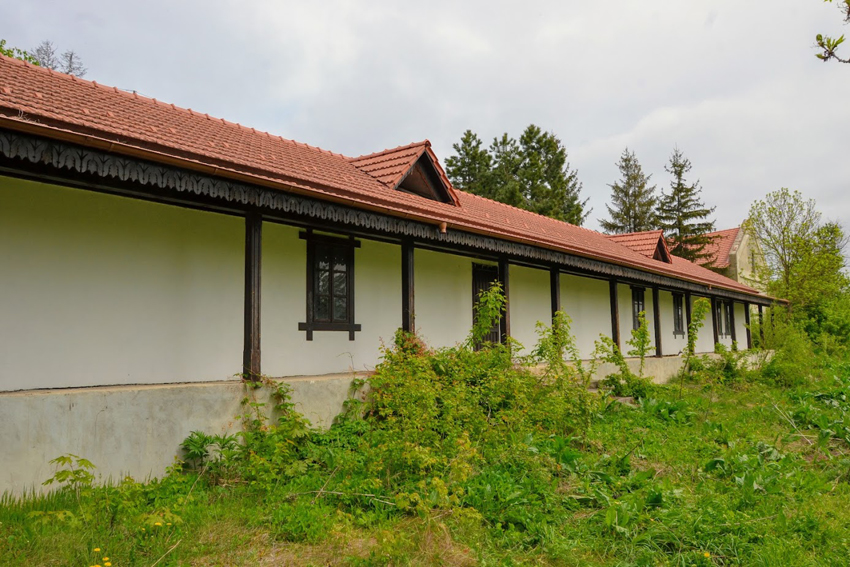
The flow of tourists disappeared completely, and the building gradually fell into disrepair. In the 2000s, an ambitious project was launched to restore the estate to its original appearance, with every detail reconstructed in accordance with the 19th-century originals. The project was launched, but due to various legal battles, it was never completed. While we toured the estate, we didn't encounter a single worker, but traces of restoration, albeit a very old one, are still visible. The manor house has been painted and even double-glazed windows have been installed, but the main entrance is boarded up and unusable.
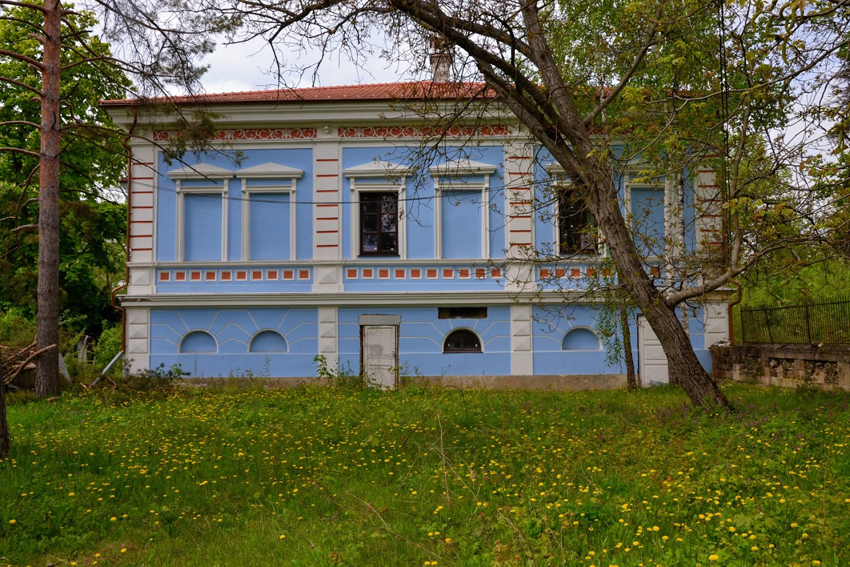
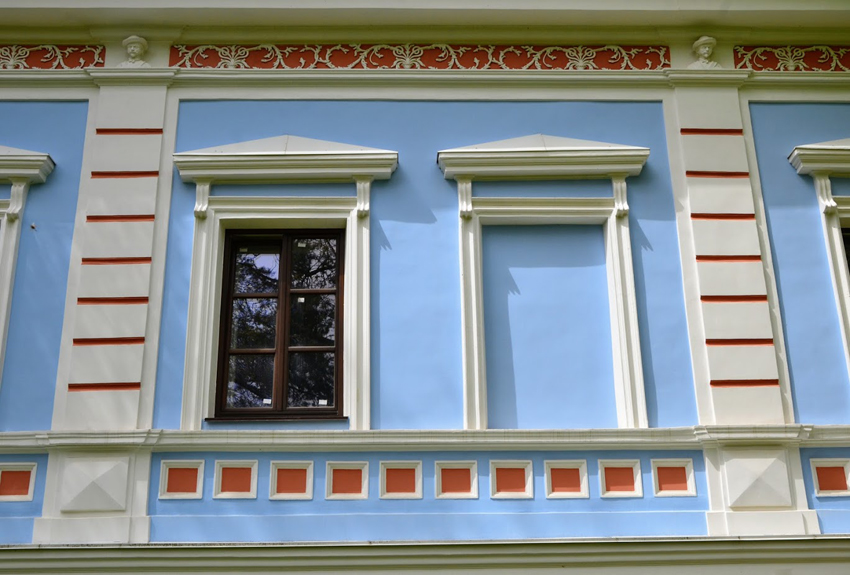
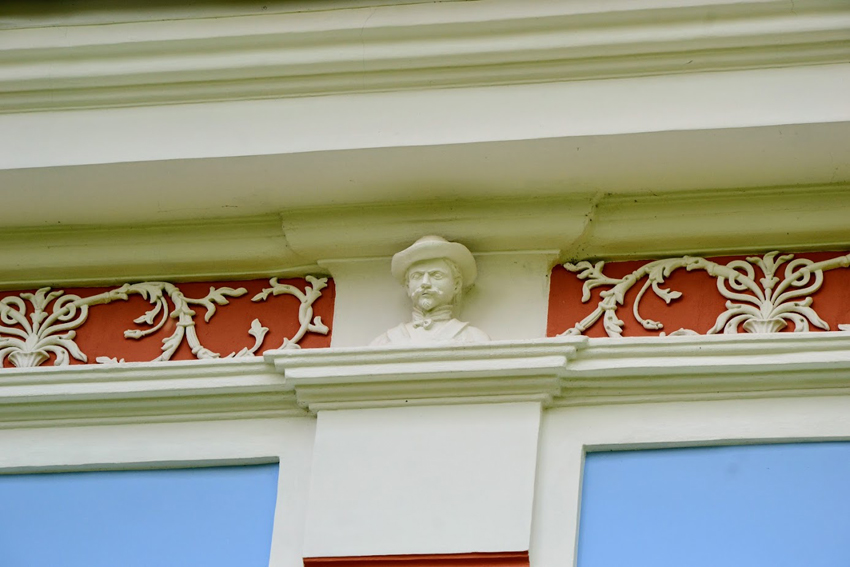
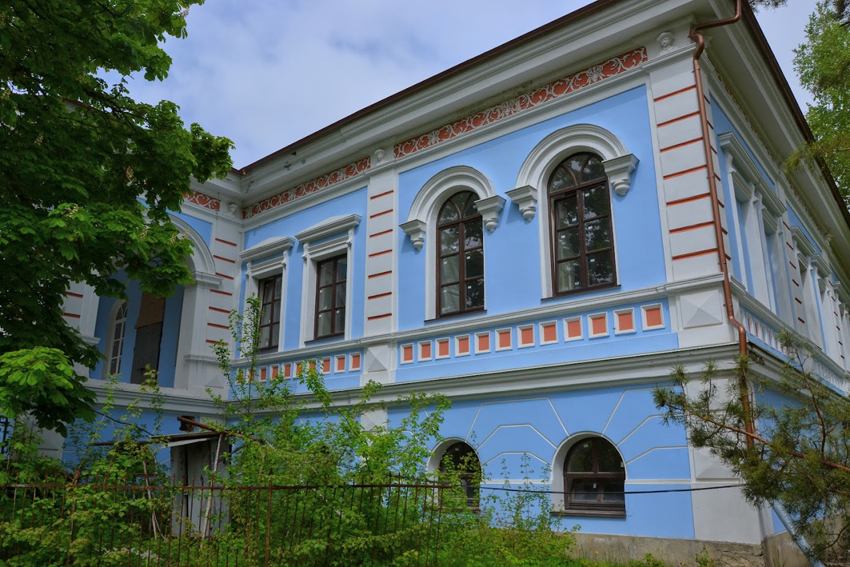
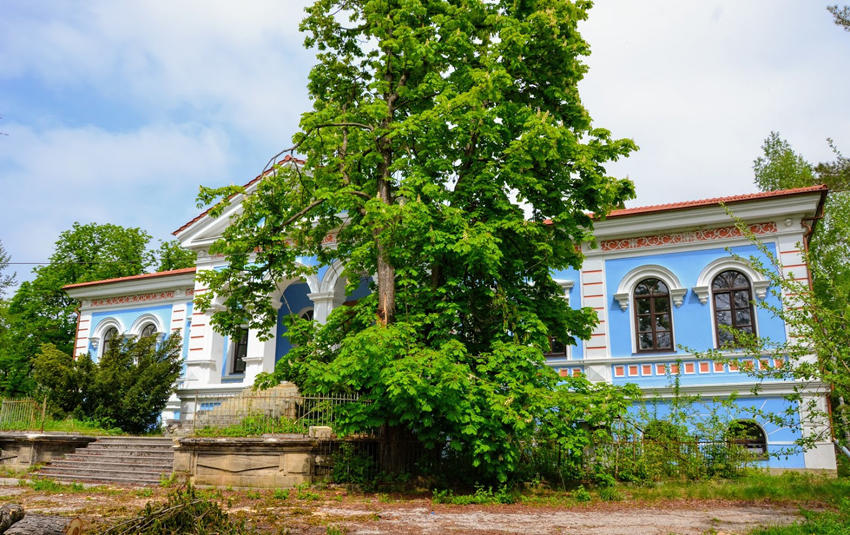
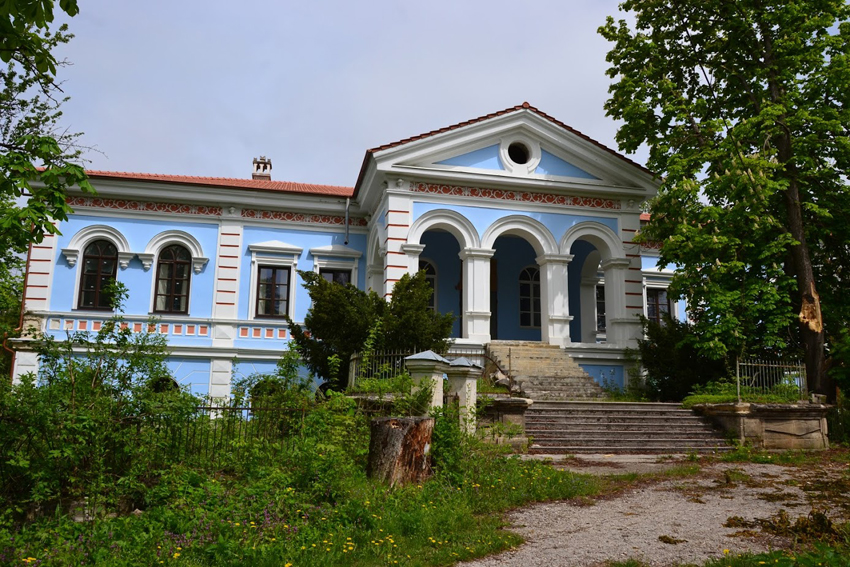
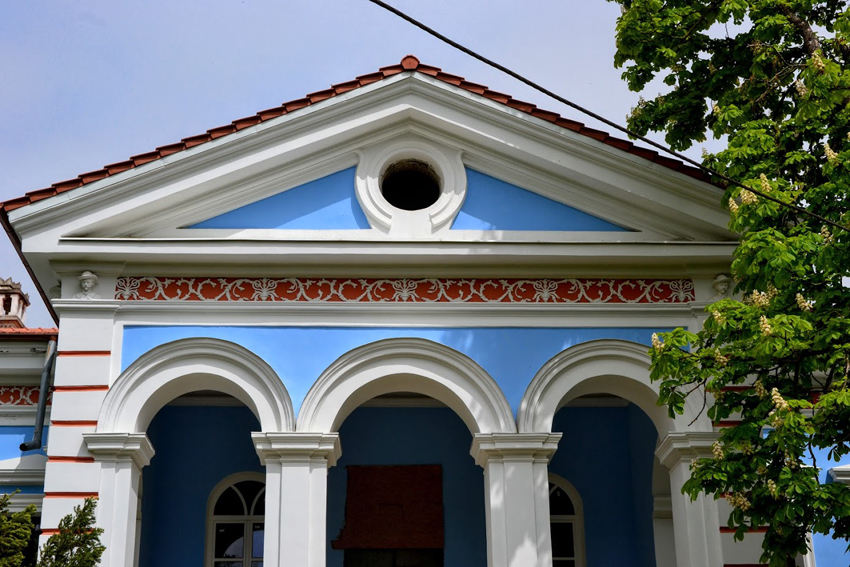
The estate's grounds housed a unique relic garden. According to experts, it was one of the complex's main attractions. Here, at least at one time, one could find such rare plants as Siberian cedar, Crimean boxwood, Chinese wisteria, and the relict ginkgo tree, known as the tree of happiness. The park consisted of ornamental and fruit trees, with the orchard occupying almost half of the entire area, located behind the estate building.
On one side of the manor house was an alley of chestnut trees, on the other, a hedge of Chinese wisteria, separating the orchard from the ornamental park. According to biologists, there was also a relic here: a male ginkgo biloba plant—an ancient plant that supposedly survived the bombings of Hiroshima and Nagasaki. Unfortunately, there was no one among us with even the slightest knowledge of flora, so we were unable to assess the current state of the botanical exhibits.
While strolling through the garden, we discovered a stele dedicated to Ivan Beletsky, a partisan commissar. In January 1944, Beletsky's unit fought Romanian troops on the estate grounds. Beletsky himself, wounded, remained to cover the retreating unit and died while firing back. Speaking of monuments dedicated to the Great Patriotic War, the bike route includes another such site—a monument near the village of Peresechino. It stands at the foot of a slope and commemorates the fierce battles that took place in this area.