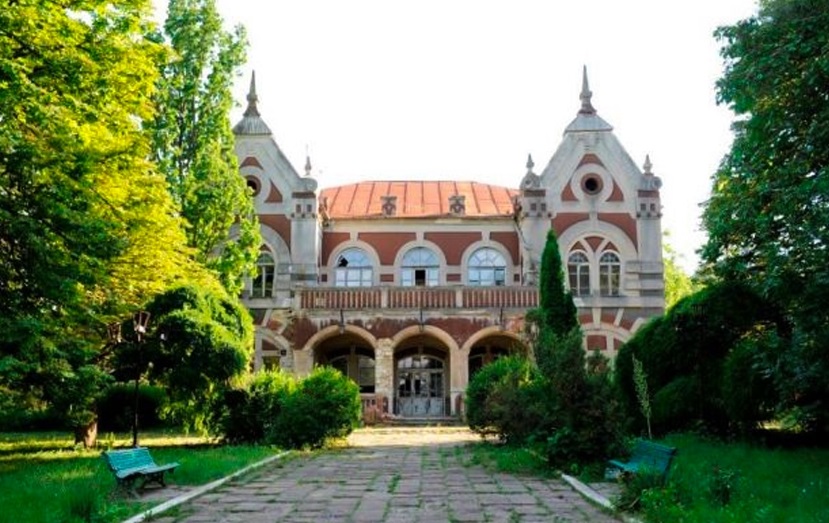
The village of Tsaul is most proud of the Pommer family's grand estate, which visitors come from all over the world to see. Workers maintain it daily, ensuring it continues to delight guests and village residents.
This architectural monument delights not only with its craftsmanship but also with the fact that it is surrounded by the largest park in the country, which has grown to 46 hectares. It's thrilling to think that the estate was built back in the early 20th century. Walking through it, you seem to sense the spirit of those times, seeing the builders, workers, and servants scurrying back and forth. And most importantly, you realize that banker Andrei Pommer made the right decision when he bought it from small contractors.
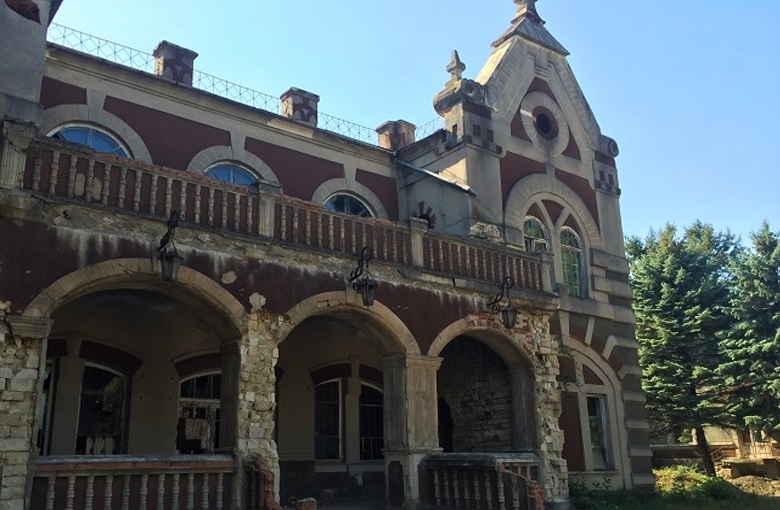
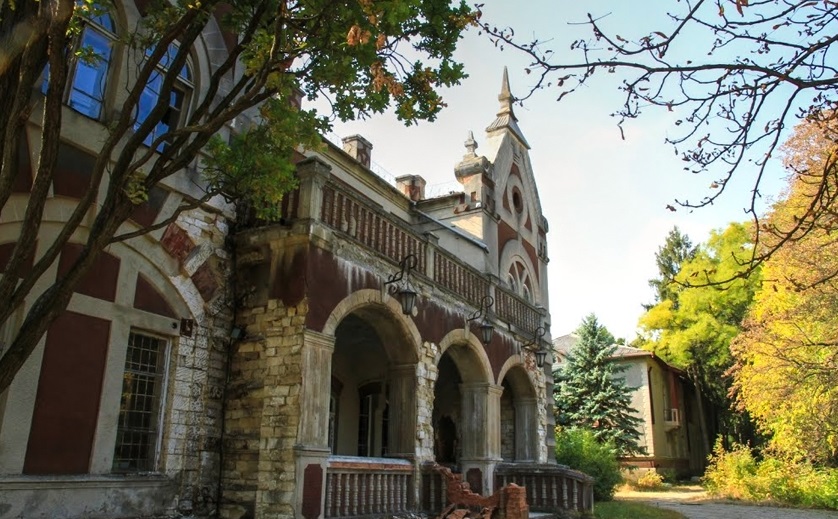
It took a long time to build, beginning in 1901 and ending in 1912. That's when the planting of Bessarabia's largest park began. At the bottom of the park, in its southern part, you can find very rare plant species. In its western part, you'll find such rare species as small-leaved lindens, chestnuts, white poplars, ash trees, and Norway maples. In the northern part, you can see very rare oaks—American, chestnut-leaved, bicolor, and Caucasian. At the very south of the park, there's a lake, along whose shores grow willows, oaks, and larches. Anyone can stroll through the park freely; admission is free. The village of Albotești was founded in 1451, but some time later it was renamed Țaul. Initially, it was located 2 km further west of the current territory, but in the 17th century, the village was attacked by the Turks and burned to the ground. The survivors, led by the leader Tsaulyan, relocated and built a new village named in his honor. The first document about this area refers to the village as Gorodich and is dated 1772.
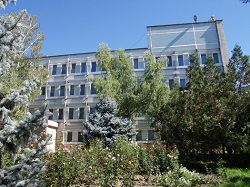
For the next 100 years, documentation referred to the village as Borodich, describing it as a small trading post inhabited by merchants and traders. In 1918, the village was renamed Tsau, and after World War II, Tsaul. The village developed rapidly and truly deserved to be called a town, especially after 1960. An agronomic technical school, now called the Agricultural College, was even opened there in 1963. A breakthrough year in development came in 1970, when a new post office, a student dormitory, a school for over 1,000 students, and, most importantly, four new apartment buildings were built.
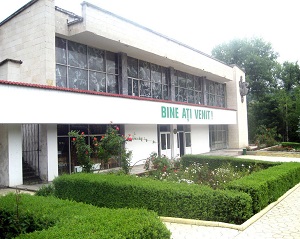
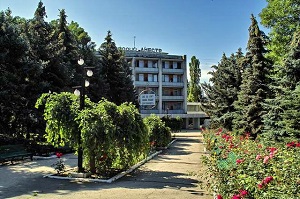
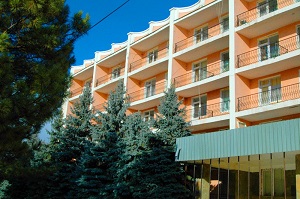
In 1977, a new, beautiful Palace of Culture, similar to the one in Chisinau, appeared, and in 1980 a medical sanatorium was opened.