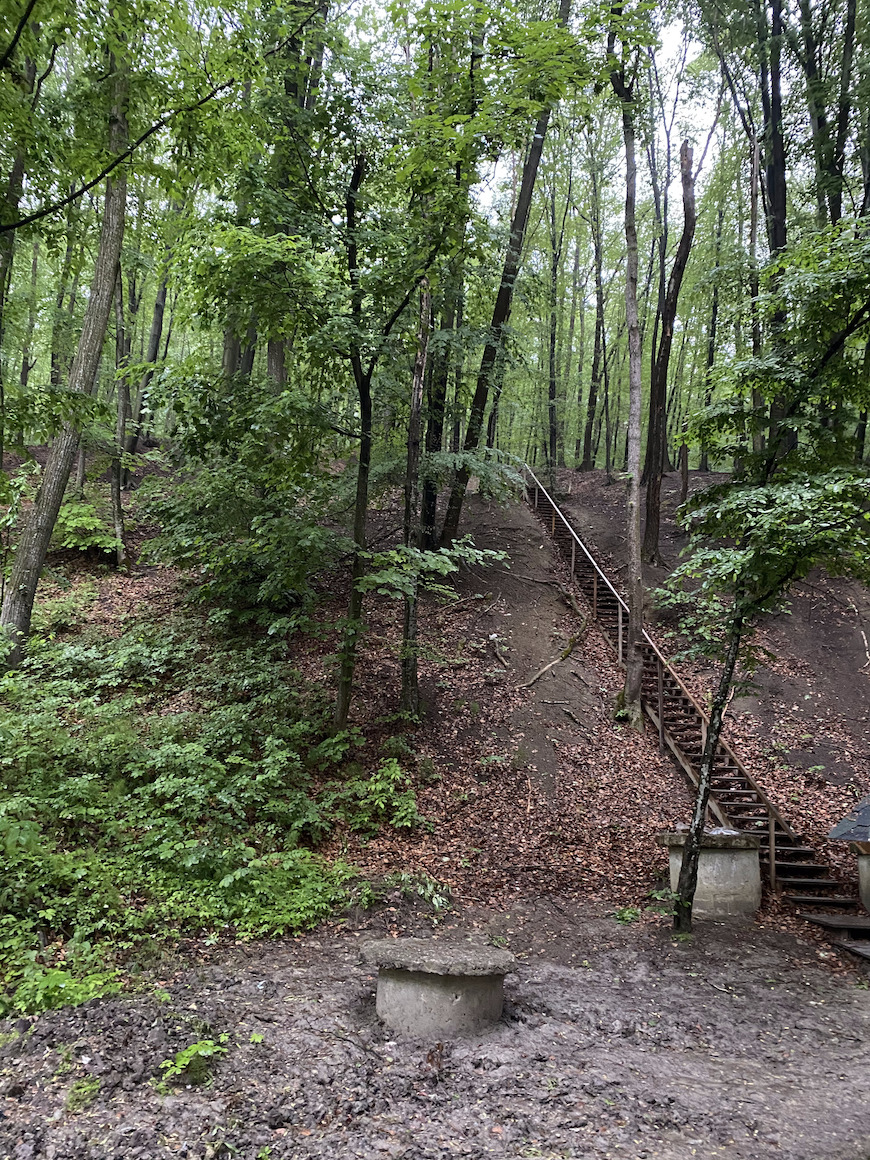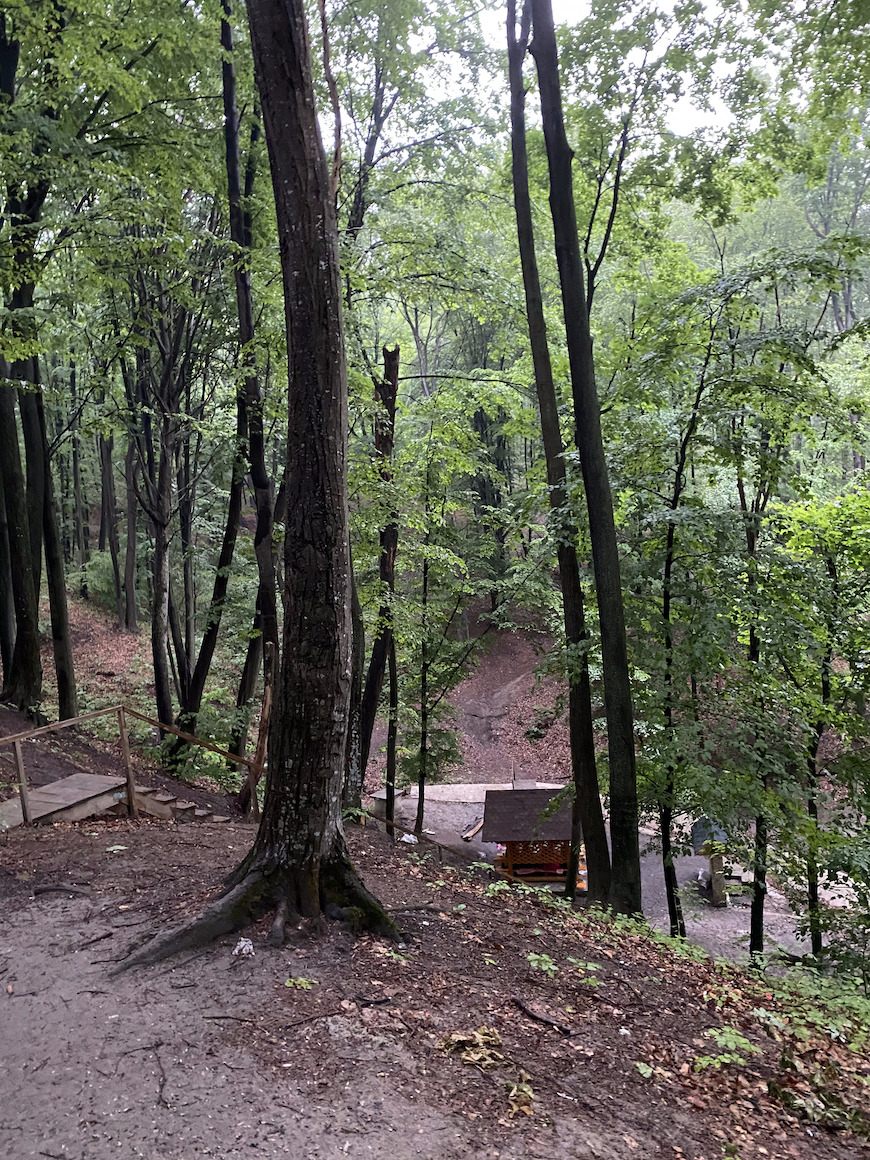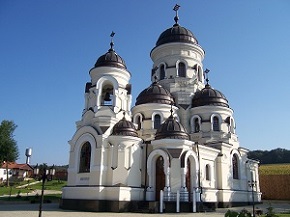
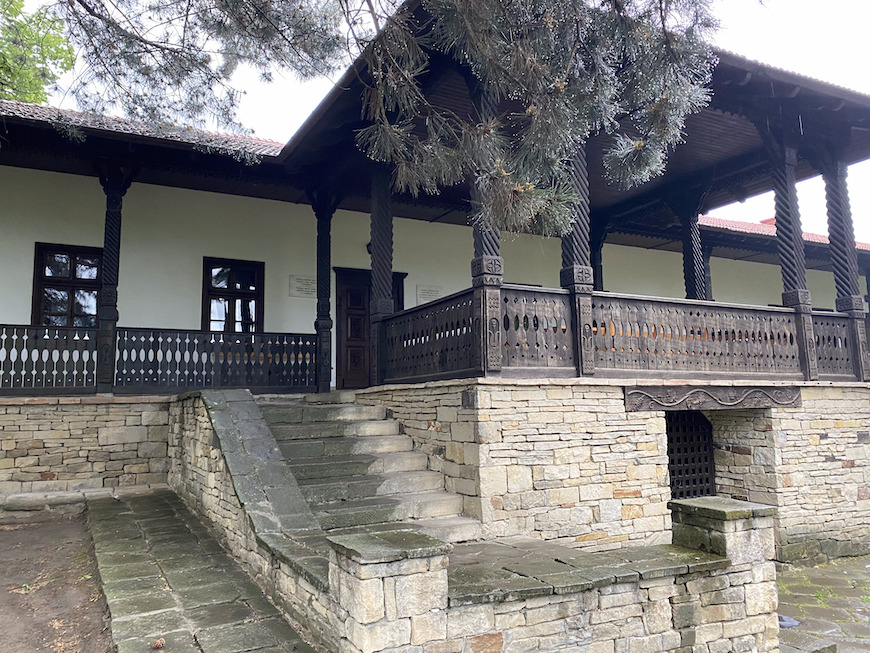
55 km from Chisinau lies Dolna, a village closely associated with the Bessarabian period of A.S. Pushkin's life and work, and a beautiful forested area with a natural reserve.
The village of Dolna was owned by the Ralli boyars, and Pushkin was closely connected with the family of the keminar (tax collector from drinking establishments - ed.), member of the Supreme Council of the Bessarabian region, Zamfirache Ralli.
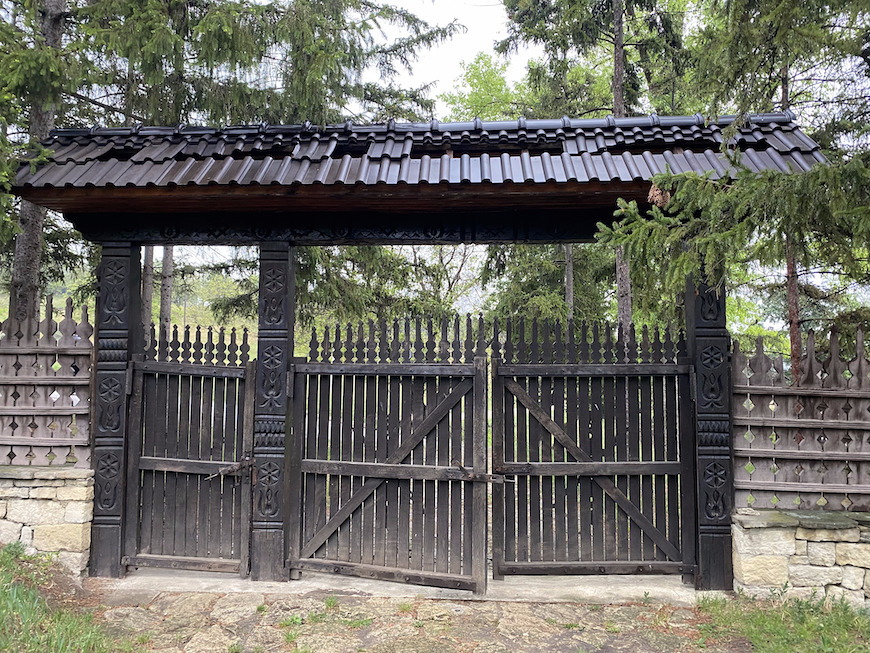
The poet often visited his house in Chisinau, communicated and was friends with his sons and daughters, participated in musical evenings organized there, walked with them in the city park, and visited the theater.
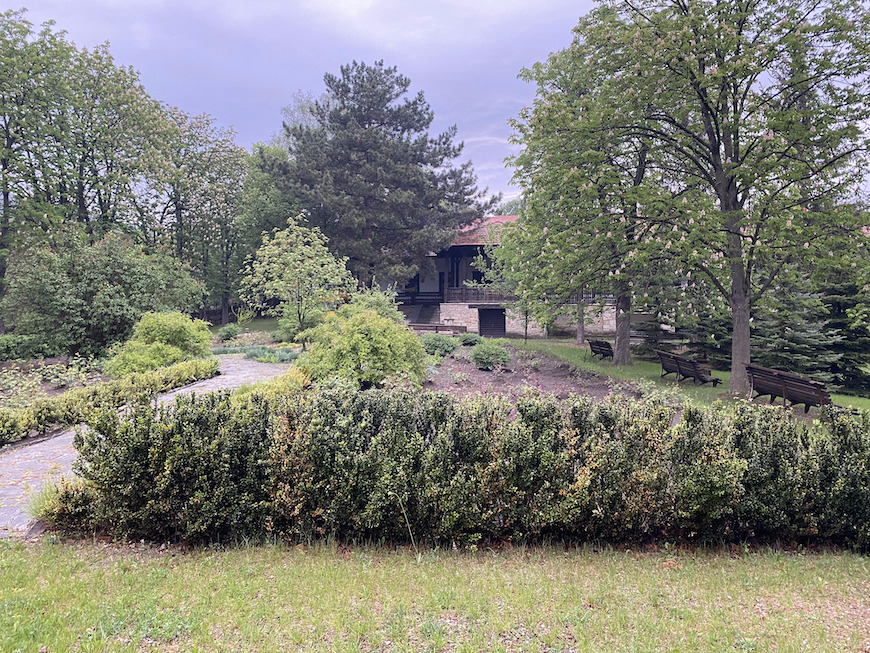
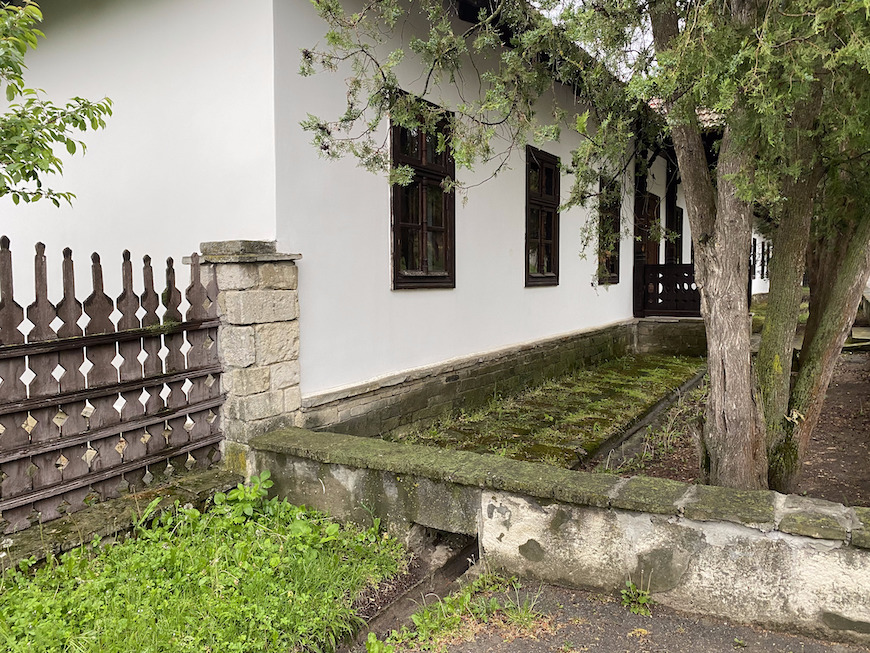
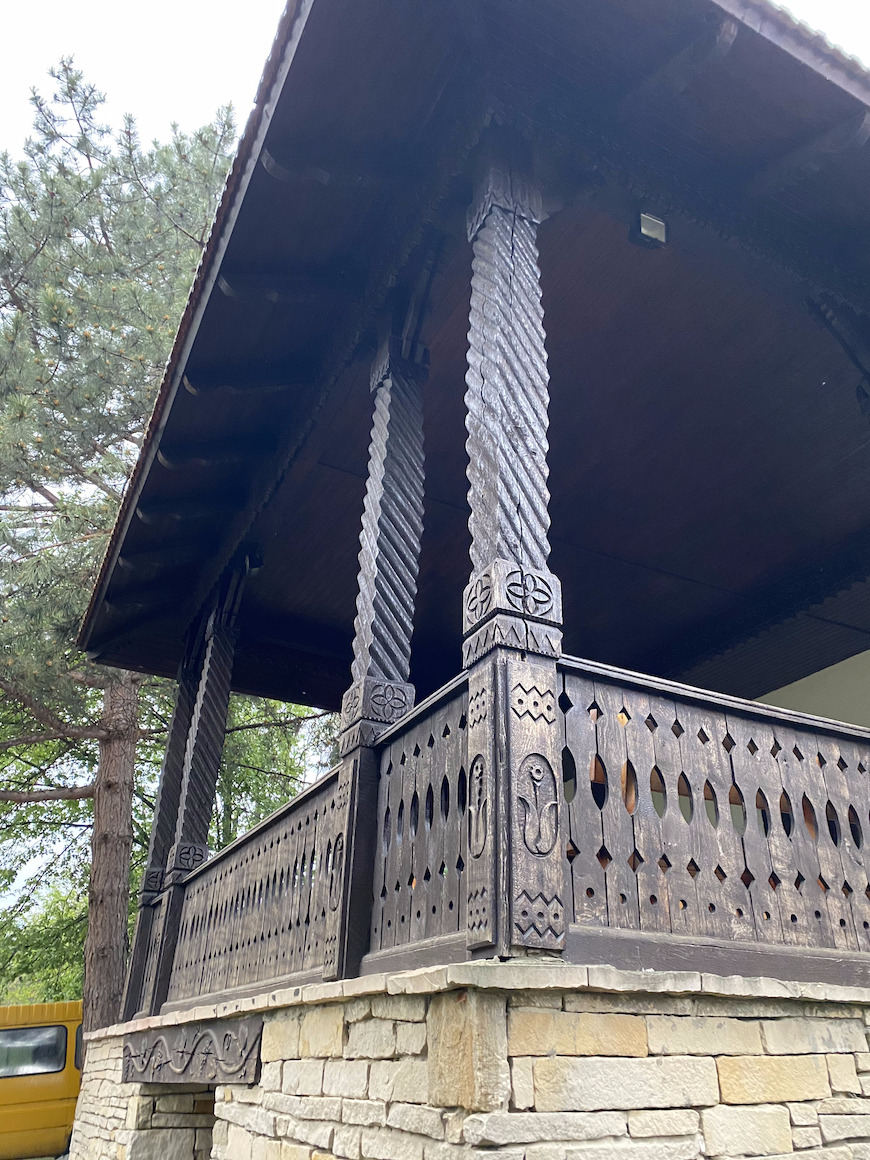
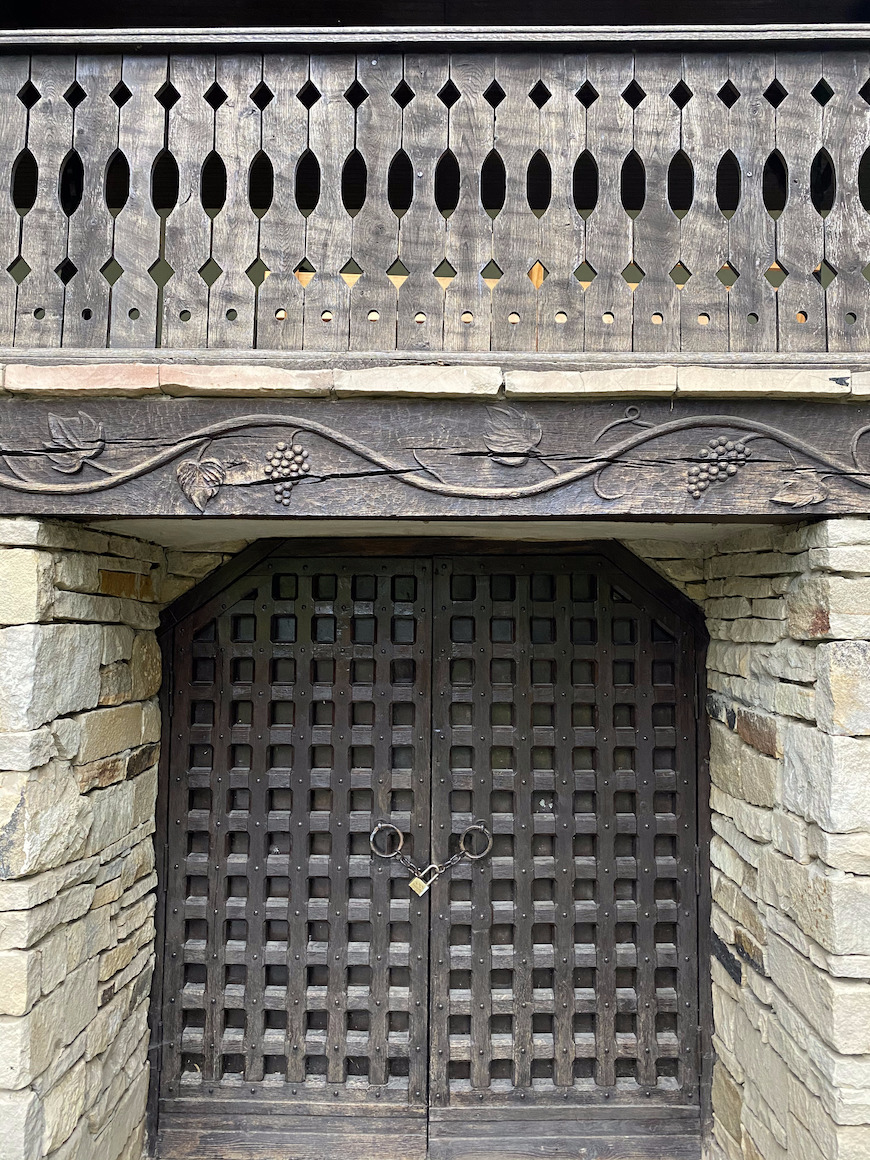
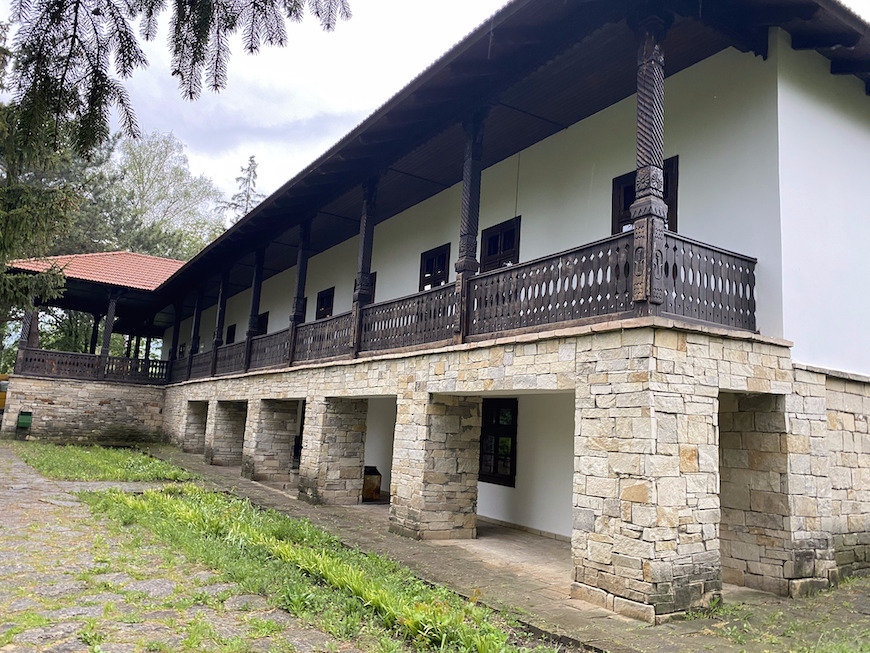
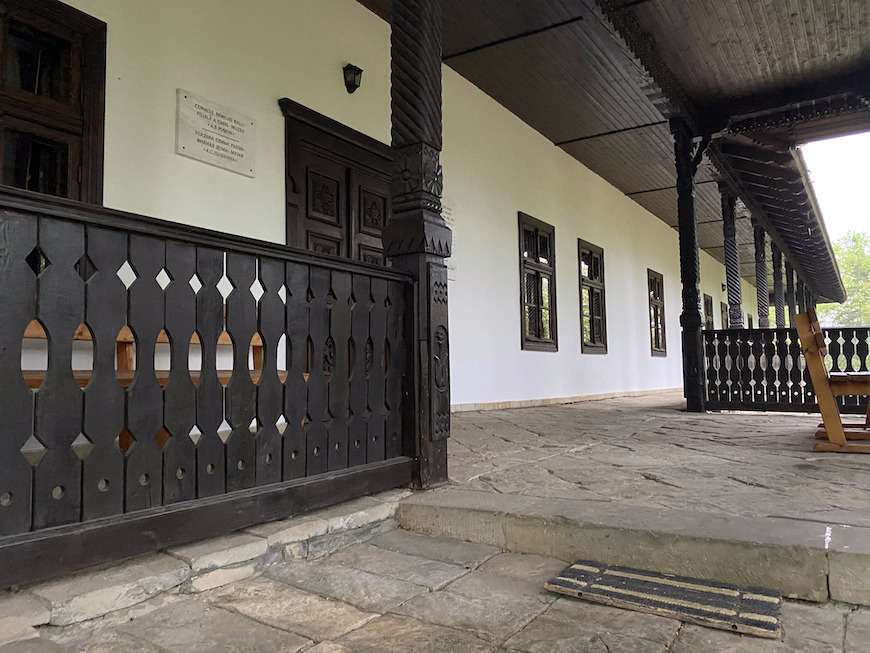
Ralli-Arbore's high-society receptions were considered among the most exquisite in Moldova. A.S. Pushkin eventually became a regular at receptions at the estate. Thanks to local residents, the estate has been preserved and is in excellent condition. All museum exhibits have been preserved. Currently, the Ralli-Arbore estate is a branch of the Pushkin Museum in Chisinau.
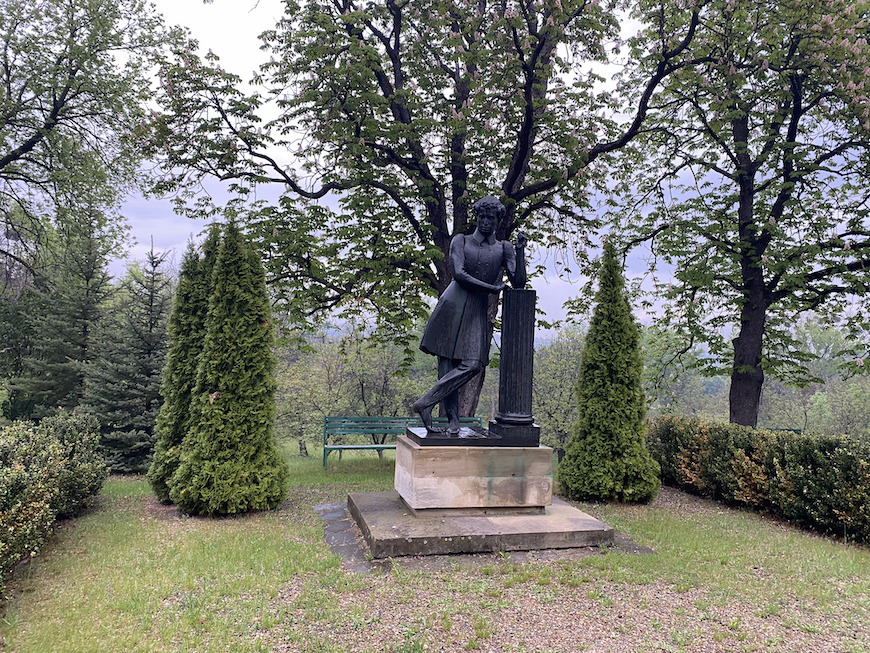
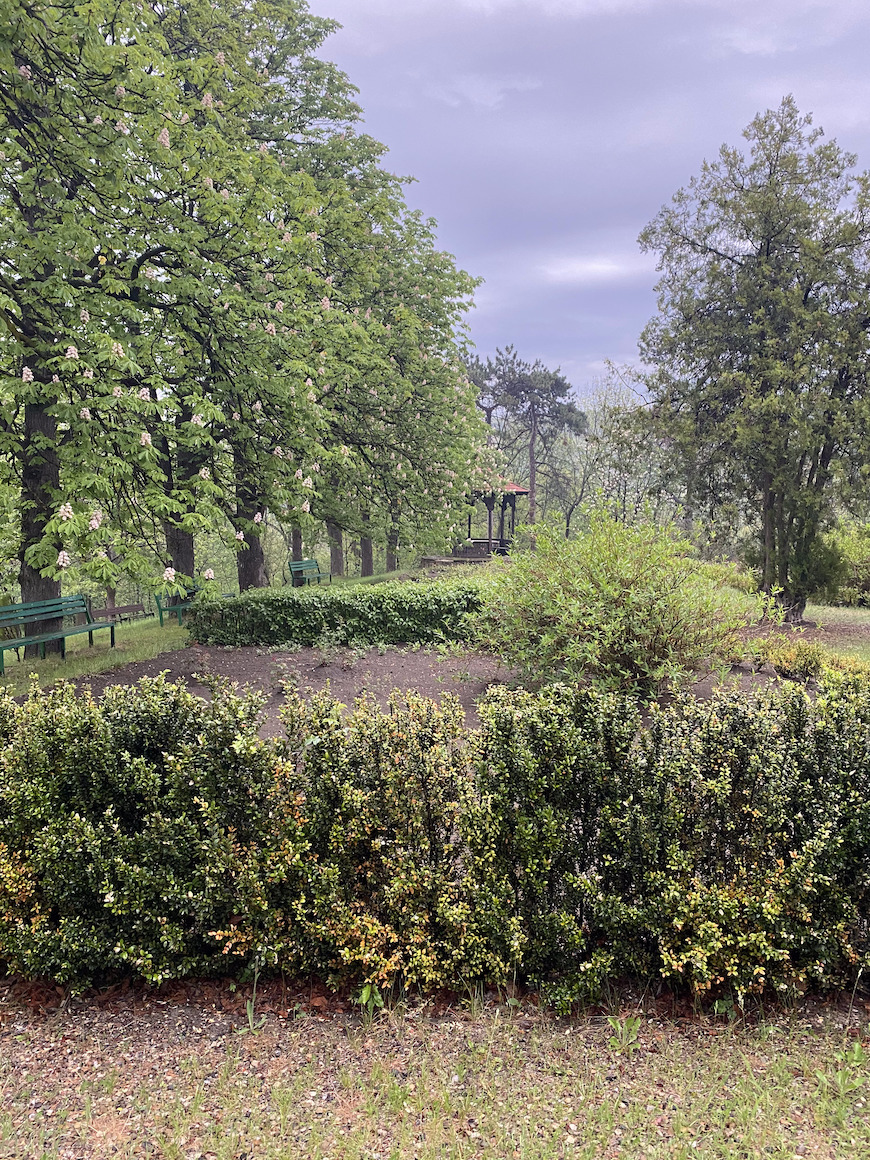
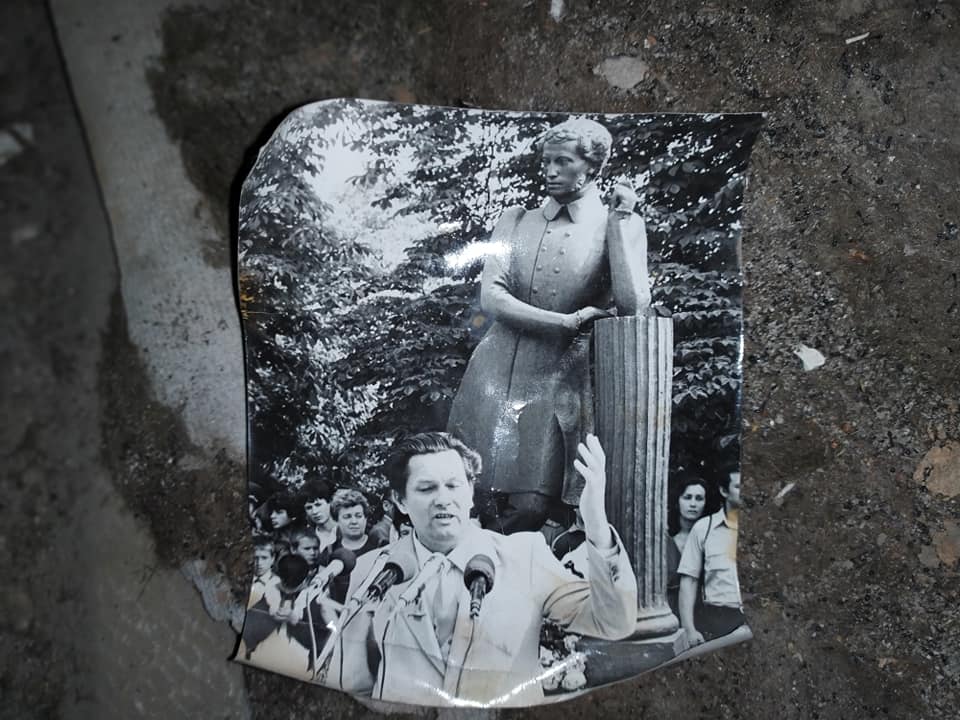
The estate is nestled in a beautiful park, featuring the Zamfira spring and a memorial bust of Alexander Pushkin. During his exile in Bessarabia from 1820 to 1823, Pushkin lived for a time at the Ralli-Arbore estate. Legend has it that it was here that he fell in love with the beautiful gypsy Zemfira, whom he later made the heroine of his poem "The Gypsies."
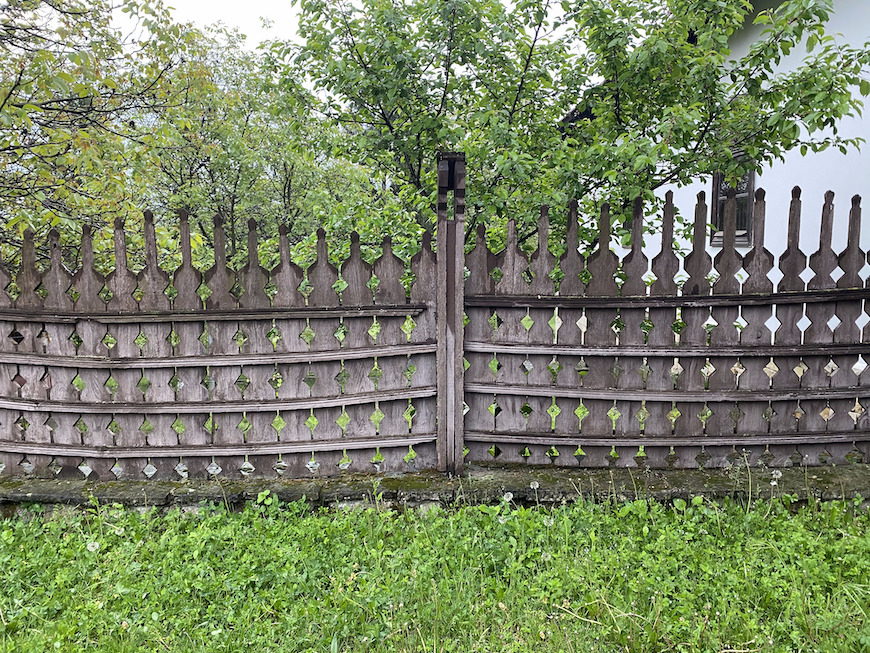
The Dolna Historical and Cultural Site is a branch of the poet's house-museum in Chisinau. The exhibition, currently open at the poet's house-museum in Dolna, features unique exhibits, including those belonging to Pushkin, collected by the museum over more than half a century.
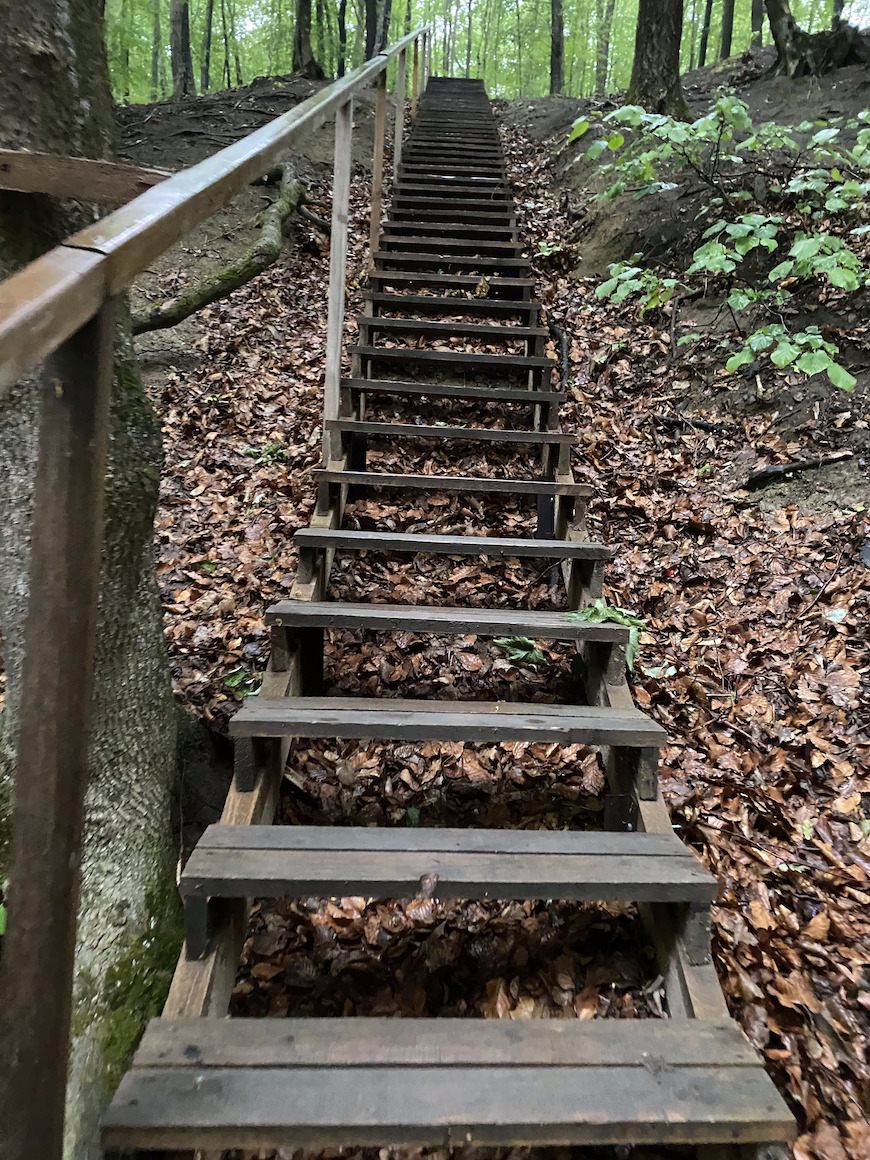
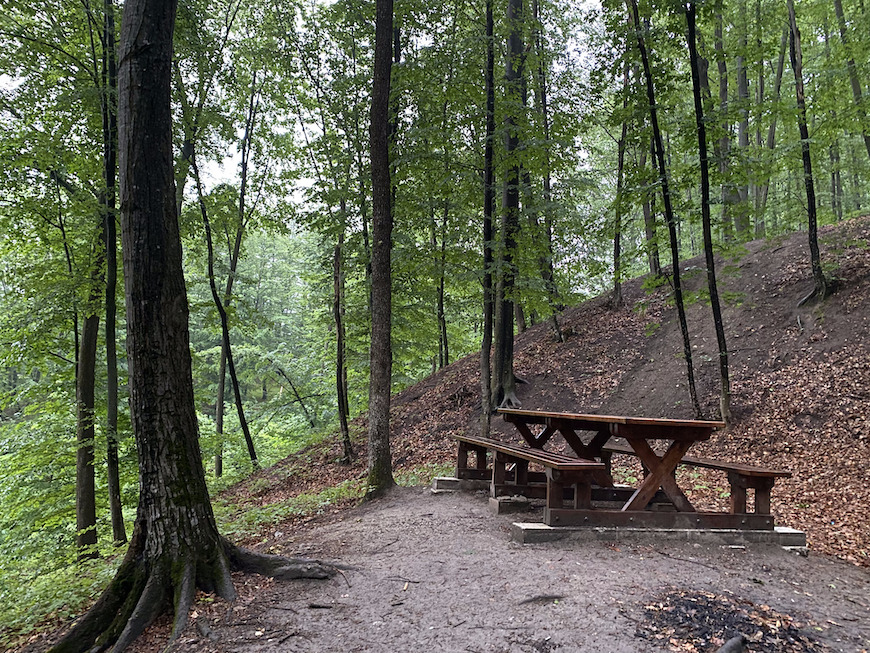
Just a couple of minutes' drive or a short walk will take you to a beautiful forested area with Zemfira's spring and a well-equipped campsite.
Scholars are still debating whether it is true that the great poet lived in a Bessarabian camp, fell in love with the gypsy Zemfira, was abandoned by her, and wrote a poem about his real-life lover.
According to Arzamas, the legend that Pushkin, in his youth, wandered for about a month with a gypsy camp across Bessarabia was born thanks to Pushkin scholar Pavel Shchegolev.
In 1908, he published a retelling of the memoirs of Ecaterina Stamo, recorded from the words of her nephew, the Romanian socialist Zamfir Arbore-Ralli:
“One day,” Aunt Katerina Zakharievna told me, “your father was planning to visit one of his father’s estates, Dolna. Between this estate and another, Yurcheny, in the forest there is a gypsy village. The gypsies of this village belonged to your father. So, I remember, one day Alexander Sergeyevich went with your father to Dolna, and from there they then went through the forest to Yurcheny and, of course, visited the forest gypsies. This camp had an old bulibashi (headman), known for his authority among the gypsies; the old bulibashi had a beautiful daughter. I remember this girl well; her name was Zemfira; she was tall, with large black eyes and long curly braids. Zemfira dressed like a man: she wore colorful trousers, a sheepskin hat, an embroidered Moldavian shirt, and smoked a pipe. She was truly a true beauty, and the rich necklace of various old silver and gold coins encircling this wild beauty's neck was certainly a gift from more than one of her admirers. Alexander Sergeyevich was so smitten by the gypsy's beauty that he begged your father to stay a few days in Yurcheni. They stayed there for more than two weeks, so much so that my father became concerned and sent to inquire if anything had happened to the young people. And then, to our mutual surprise, word arrived from Dolna that your father and Alexander Sergeyevich had gone to join a gypsy camp that had migrated to Varzareshty. Upon receiving this news, my father immediately sent another messenger with a letter to Brother Constantine, and we eagerly awaited a reply, which, I recall, was a long time coming. Finally, a letter arrived from my brother to my father—it was written in Greek—and my father, after reading it, announced to us that nothing out of the ordinary had happened, but that Alexander Sergeyevich was simply going crazy over the gypsy woman Zemfira. Two weeks later, our young men finally returned. My brother told us that Alexander Sergeyevich had abandoned him and had truly settled in the bulibashi's tent. He and Zemfira would wander away from the camp for days on end, and my brother would see them holding hands and sitting silently in the field. Zemfira didn't know Russian, and Alexander Sergeyevich certainly didn't know a word of the Moldavian dialect she spoke, so they both, in all likelihood, communicated mostly through pantomime. If not for the jealousy of Alexander Sergeyevich, who suspected Zemfira of a certain inclination toward a young gypsy, our brother told us, this idyll would have lasted a long time. But jealousy brought everything to a most unexpected end. One early morning, Alexander Sergeyevich awoke alone in the bulibashi's tent; Zemfira had disappeared from the camp. It turned out she had fled to Varzareshty, where Pushkin had rushed after her; however, she was not there, thanks, of course, to the gypsies who had warned her. Thus ended Pushkin's prank.
Shchegolev's publication not only contributed to the spread of the legend of the poet's "Gypsy love" but also influenced the interpretation of his work. Pushkin scholars became convinced that he had personally experienced Gypsy life and drew on this knowledge when writing his poem "The Gypsies."
"Then, when Alexander Sergeyevich left us," my aunt told me after a short pause, "he sent me his 'Gypsies' - a beautifully written poem, and we all laughed a lot at the poet's ardent imagination, who created his freedom-loving heroine from our Zemfira; as for the incorrigible egoist Aleko, I think he was wrong; such an egoist should not have gone to the gypsy camp of our poor Yurchen savages at all. I did not speak to Alexander Sergeyevich about this amourette of his, and upon returning from the village he did not utter a single word about his entire escapade with the gypsy Zemfira. Your father wrote to Pushkin in Odessa about the further fate of his heroine; The fact is that Zemfira was stabbed to death by her gypsy lover, and his poor heroine truly ended her short life tragically."
Subsequently, however, the aunt's recollections were questioned: in particular, it turned out that Konstantin Ralli, the "master" of the camp and alleged accomplice in Pushkin's adventures, was ten years old at the time. As Pushkin scholar Oleg Proskurin writes, the legendary nature of the story of the wandering poet was understood, for example, by the writer Pavel Vyazemsky, the son of Pushkin's older friend, Prince Pyotr Vyazemsky:
"In 1827–28, the poems from 'The Fountain of Bakhchisarai' and 'The Gypsies' resonated with me more than any other of Pushkin's poems. I remember how my mentor, Feodosiy Sidorovich Tolmachev, in the winter of 1827–28, drawing my attention to the merits of 'The Gypsies,' explained that Pushkin painted from life, that he had wandered with gypsy camps across Bessarabia, and that he had even been unfairly criticized for his immoral lifestyle, since a writer and artist have every right to live in the most depraved and criminal environment in order to study it. This legend, explaining a supposedly life-like rendering of gypsy life, in a child's imagination conjured up only the highest, most mysterious pleasures, beyond the confines and narrow confines of family life."
As Proskurin writes, "we can now say more or less reliably about Pushkin's contacts with the Roma: Pushkin certainly saw Bessarabian Roma and, most likely, visited their camp (village) out of curiosity. Anything else is unfounded speculation." Pushkin did indeed know more about the Roma than the average contemporary—this is demonstrated by both the poem and, especially, the draft of its preface—not from personal nomadic experience, but from bookish scholarship.