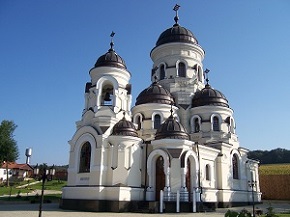
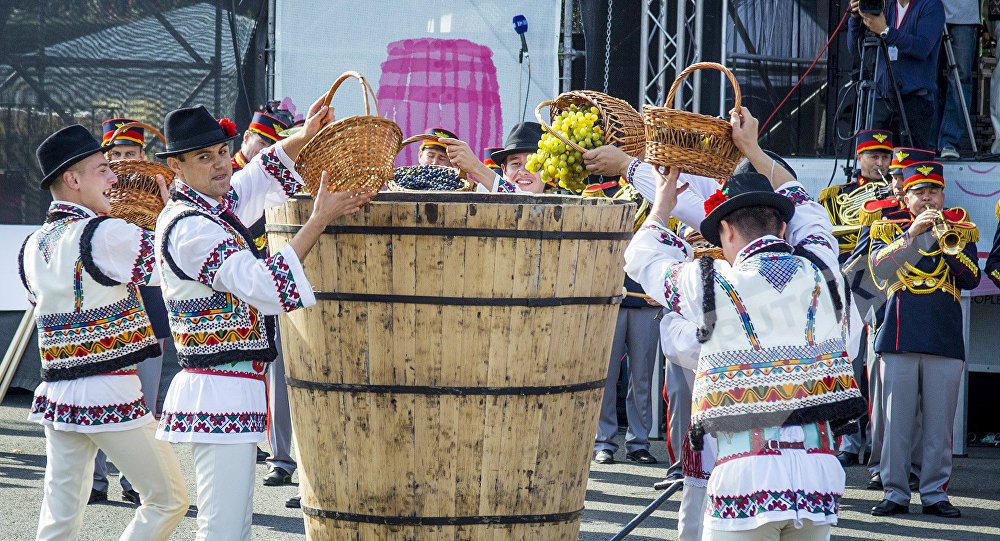
This year, the National Wine Day 2024 festival will take place on October 7-8. Traditionally, the main festivities will take place in Chisinau's central square.
National Wine Day 2024 Celebration Program in Moldova
In Moldova, wine is the national drink.
In a small piece of land called Moldova, it has historically been the case that the tone of all life has been set by the grapevine.
Wine in Moldova is more than just a drink; it's a part of the region's culture and tradition. It's no wonder Moldova appears on the map as a grapevine!
It's safe to say that winemaking is in Moldovan genes; in every village, you can find a mini-winery, and every Moldovan understands good wine and knows how to make it.
And how could a wine-related holiday not arise on this land after this? "National Wine Day" was first celebrated in 2002. Since then, it has been held annually in October.
A tourist's guide to participating in the festival
Wine lovers, foreign tourists, and professionals looking to discover Moldovan wine will find this tasting booklet a guide. Designed as a pocket-sized notebook, it complies with international standards for tasting quality wines, encouraging responsible consumption.
The booklet includes 12 tear-off tasting tickets and a special Tritan glass (100% recyclable material), ideal for tasting, which does not alter the taste and aroma of the wine.
Although access to the Great National Assembly Square, the venue for the National Wine Day, is free, purchasing a tasting booklet offers visitors numerous benefits. Upon presentation of the booklet, participants will receive discounts on Wine of Moldova promotional merchandise. The booklet also includes a Wine Route map and information on wineries offering wine tours on National Wine Day, as well as a detailed program for the two festive days.
The tasting book can be purchased here and is valid only during the National Wine Day celebrations, October 5th and 6th, 2024.
Winemaking in Moldova
The cultivation of grapes and the production of wine from them first began in Moldova approximately 5,000 years ago. The first active growth of winemaking here occurred between the 6th and 3rd centuries BC. The Thracians living in these lands at that time traded with the Greeks, who in turn shared their winemaking expertise.
Later, in 82 BC, the state of Dacia emerged. By 102 AD, it was conquered by the Romans, under whom winemaking and viticulture flourished in these territories. This is even evidenced by Dacian coins of the period, which depicted wine themes. After the collapse of the Roman Empire, local production declined.
In 1359, the Principality of Moldavia was founded, and the reign of Stephen III the Great marked another period of rapid growth in wine production. During this period, new grape varieties were imported, the area of vineyards expanded, and the quality of local wines improved. Moldovan wine began to be exported to Moscow, Kyiv, and Poland.
Moldova celebrates National Wine Day annually on the first weekend of October.
However, after falling under the control of the Ottoman Empire, the principality experienced a severe decline in wine production. This decline continued for three centuries until the 1812 peace between the Ottoman and Russian empires. During this period, local grape varieties, as well as Hungarian, Bulgarian, Turkish, and Greek ones, were in demand in Moldova.
In the second half of the 19th century, varieties such as Sauvignon Blanc, Pinot Noir, Gamay, Cabernet Sauvignon, Aligote, Muscat, and others began to be planted here. Moldovan wines became known for their powerful reds. Then, the phylloxera epidemic struck Europe. Local winemaking only began to recover in the late 1950s.
The planned economy of the USSR during that period meant that almost all wine was produced exclusively in Moldova and Georgia. This, in turn, made Moldova an agricultural country that remains dependent on winemaking to this day.
Today, the vineyard area here covers approximately 128,000 hectares—more than in Bordeaux. Approximately 40% is managed by private enterprises, while the remaining 60% is owned by commercial entities.
National Wine Day Traditions
Traditionally, National Wine Day is an opportune occasion to celebrate the achievements of Moldovan wine, reward the best, and meet with people who appreciate this exquisite beverage. This year, National Wine Day continues to promote the culture of responsible and healthy consumption of quality wine.
The country's wineries will open their doors to tourists eager to discover the region's wine and culinary offerings, as well as its cultural and artistic treasures.
In 2023, the National Wine Day holiday will be held on October 7-8.
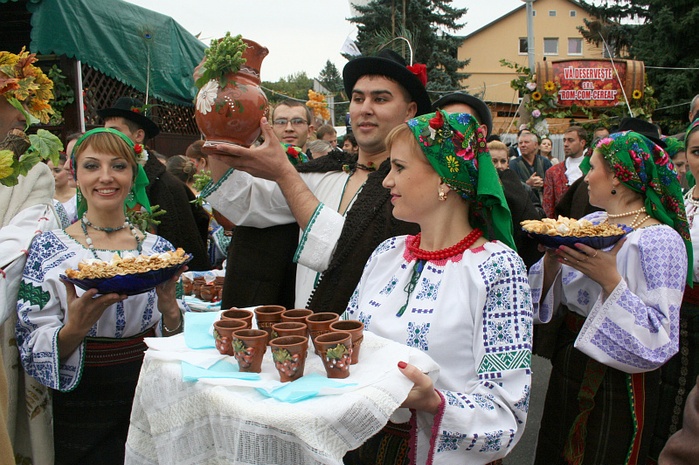
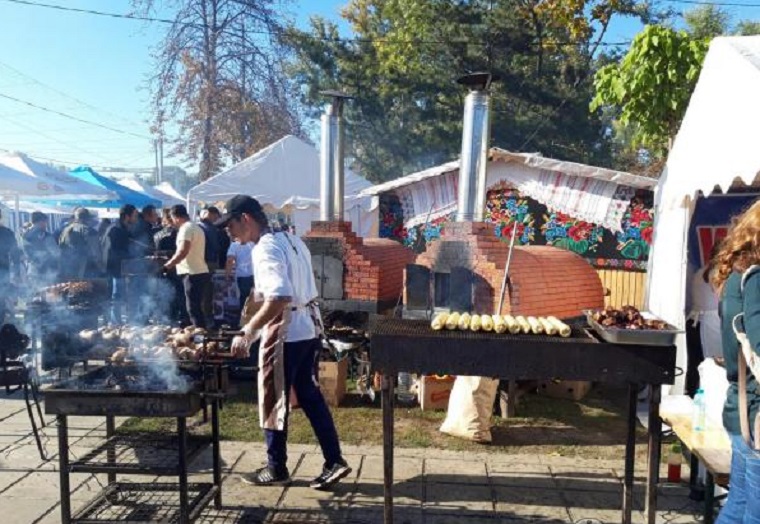
In addition to wine tasting, you will also be treated to national Moldovan dishes prepared on site.
The festival itself is a parade of winemakers with musical and choreographic compositions.
The celebration ends with a grand hora, a Moldovan dance that unites all the dancers, as the key to the dance is the intertwining of the dancers' hands. Chisinau's central square is ideal for such a collective dance, as there's plenty of room for everyone.
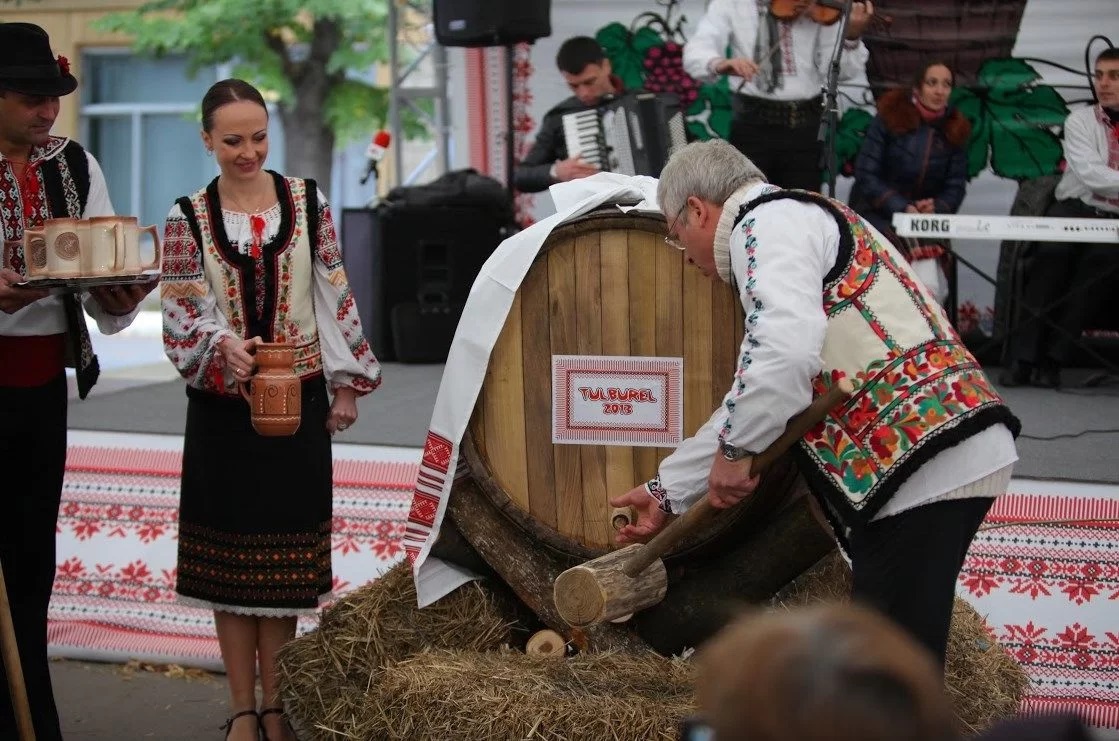
In addition, the program of the holiday includes a public professional tasting of young wines, a competition for the Best National Cuisine, and a competition for folk crafts masters.
Famous Moldovan wine cellars will present their products at the festival : Cricova , Purcari , Milishtii Mici , Branesti , Cojusna , Chateau Vartely .
If you're planning a tourist trip to Moldova, the best time to do so is October. We invite you to join the winemakers of the Moldovan region at a wine festival.
Only here you can understand the meaning of our traditional wish "Morok!"
To truly experience the hospitality of Moldovans, their culture and traditions, you must attend the National Wine Day.
The Idea of National Wine Day
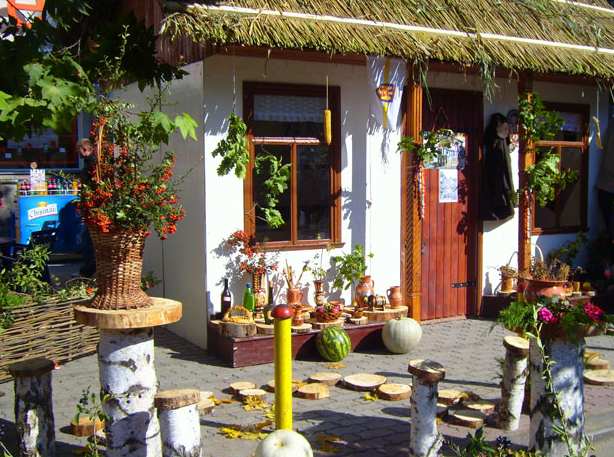
For many years, National Wine Day was held in the Great National Assembly Square. In 2009, the event was first held at the MOLDEXPO International Exhibition Center. The following competitions were introduced: Polobocul de aur, Dionis, and Viţa de aur. Since 2015, Wine Day has included tours of major wineries. Festive events have expanded beyond Chisinau and have spread throughout the country. In 2018, the Moldovan Wine Festival became an international event, and was also celebrated in the Romanian city of Snagov.
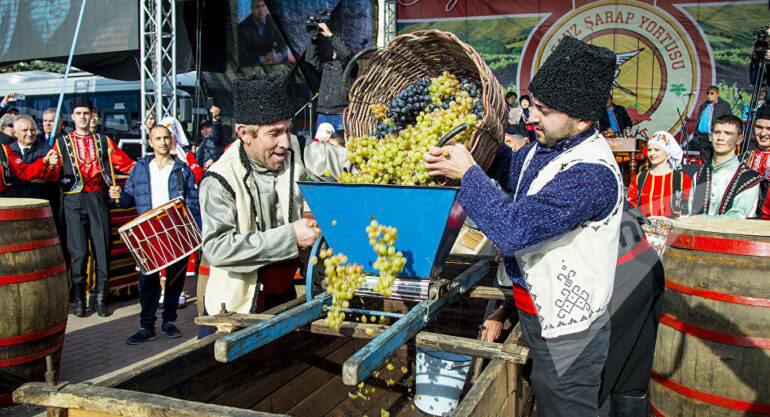
In 2023, Wine Day in Moldova will be held on October 5-6
Entrance to the festival is free!