Established by the UN General Assembly on September 20, 1993
Traditions: conferences; round tables; discussions; forums; cultural events
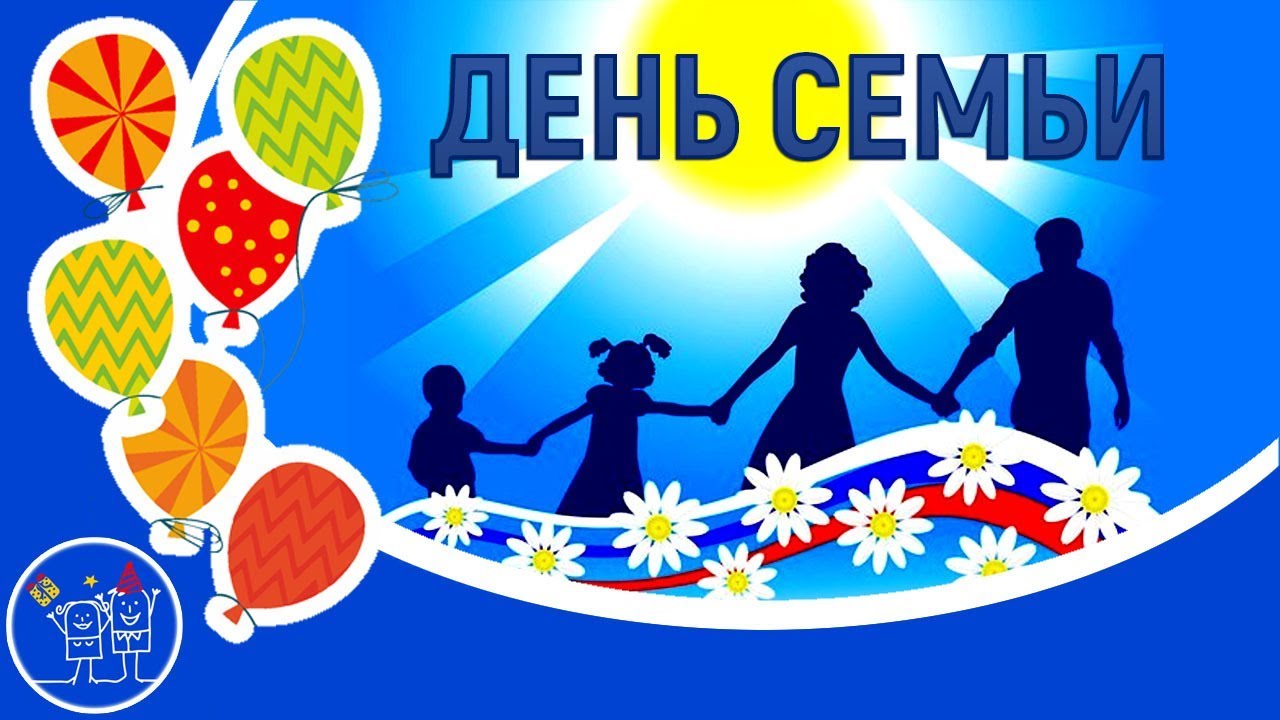
International Day of Families is a celebration dedicated to families. It is a national holiday celebrated in many families.
The purpose of the holiday is to draw public attention to family problems and strengthen family values.
Conferences, round tables, discussions, forums, and cultural events are traditionally held to coincide with the celebration.
History of the holiday
The development of the family paralleled the evolution of socio-political systems. The emergence of the institution of marriage brought stability and security to the relationship between a man and a woman.
The official union divided responsibilities between them based on each person's contribution to the monogamous relationship. At all times, the primary functions of the family have been the birth and upbringing of children and the development of their civic consciousness.
Unfortunately, issues related to the fundamental unit of society are acute today. One of the problems affecting virtually all civilized countries is the demographic situation. Birth rates are often lower than death rates. Alcohol abuse, the spread of drugs and toxic substances, and antisocial behavior lead to the destruction of family relationships. The rise of single-parent families is a consequence of the catastrophic increase in divorce rates. The purpose of International Day of Families is to draw public attention to these problems. The holiday was established by UN General Assembly Resolution A/REC/47/237 of September 20, 1993.
All these pressing issues have not only been taken into account by governments around the world, but active efforts are underway to address them. Many of the measures adopted are aimed at economic support. For example, in Russia, a number of measures and benefits have been developed for large and low-income families, including those related to housing purchases and preschool placements. The maternity certificate program allows families to receive a range of benefits in addressing vital issues.
Extensive propaganda efforts are being conducted to strengthen family ties. Restoring the family's authority and stable relationships between its members is the foundation for the progressive advancement of all socioeconomic phenomena in society.
Traditions
Various discussions, conferences, and festivals dedicated to family issues are held to mark the holiday. Each year, the International Day of Families is celebrated under a specific theme, under which the UN Secretary-General publishes messages highlighting key issues and possible solutions.
All Russian cities are preparing a festive program for the celebration: concerts, entertainment events, games for parents and children, and flash mobs. Meetings are being organized for married couples to share experiences, training sessions for young families, and charity events for large and low-income families, as well as guardians with children.
On this day, radio and television broadcast reports on family topics.
Interesting facts
In Ancient Rome, official marriage was concluded with a kiss.
According to global statistics, after 7 years of marriage the likelihood of divorce decreases by 50%.
A Chinese man named Qiong Han, who lives in India, has the largest family in the world. He is married to 39 women, who have given birth to 94 children. The family history continues with 33 grandchildren.
According to statistics, married men and women live longer than those who never married or divorced.
The tradition of wearing a wedding ring on the ring finger comes from Ancient Egypt. The Egyptians believed that the vein of love, which carries blood to the heart, originated on this finger.
According to observations, the most common song for the first wedding dance among newlyweds is Bryan Adams' ballad "Everything I Do."
About family
It's difficult to underestimate the role of the family in society. It is here that the foundation of each person's personality is laid, providing continuity for all subsequent generations. The family is a social institution in which a child discovers their inherent potential and determines their place in life, learning goodness, justice, and creativity. The dynamic development of social phenomena directly depends on the personal characteristics of each person and their contribution to the creative process. Government agencies in all countries pay special attention to the development of family relationships as a guarantee of stability and well-being.