The History of Viticulture and Winemaking in Moldova: Traditions, Legends, and Wine Tours
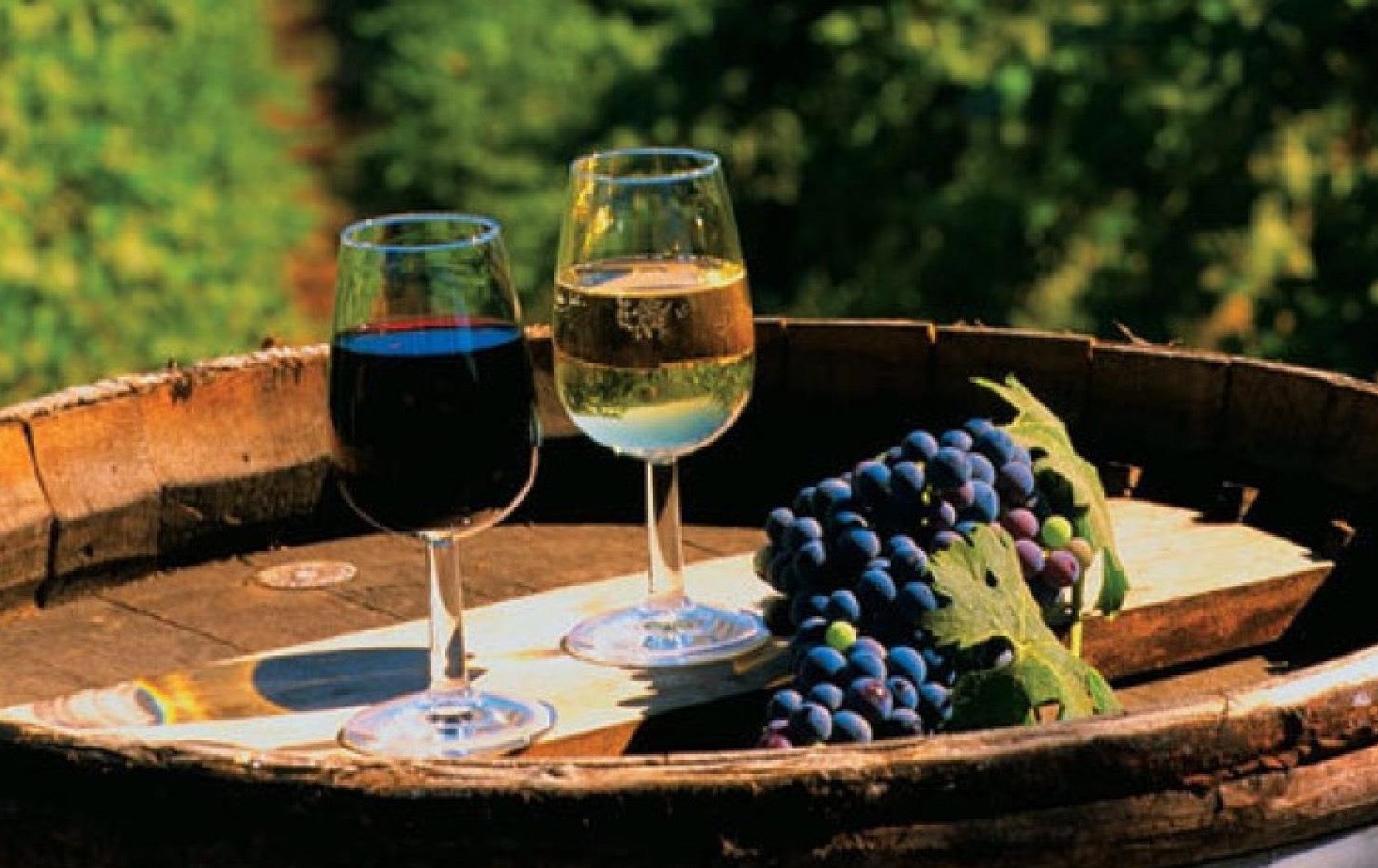
The history of viticulture in Moldova dates back to ancient times and is surrounded by numerous legends, tales, and folk tales. For centuries, grapes and wine have played a special role in the lives of the Moldovan people, serving not only as a source of food and income but also as an important cultural symbol of the country.
One of the most famous and beautiful legends concerns the defense of the Moldavian fortress of Grodești during the Turkish conquest. According to legend, after a long and grueling siege, when the defenders were on the brink of defeat and had lost their last strength, a true miracle occurred. White-winged storks flew to the aid of the besieged soldiers, bearing ripe bunches of grapes in their beaks. These fruits gave the people hope, restored their strength, and inspired them to continue their struggle. As a result, the fortress was saved, and their native land was preserved.
That's why the image of a white stork with a bunch of grapes has become one of the main symbols of Moldovan winemaking. It represents fertility, hope, a connection to one's native land, and respect for centuries-old traditions.
Grapes in Moldova are more than just a plant
A vineyard in Moldova is more than just an agricultural crop producing sweet berries and aromatic wine. It's part of the national identity, the result of centuries of labor and generational succession. Grape growing here has long been an art, passed down from father to son, from master to apprentice.
Just as a craftsman perfects his craft throughout his life, Moldovan winemakers strive year after year, from harvest to harvest, to improve the quality of their wines, experimenting with varieties, technologies, and aging methods. A favorable climate, fertile soils, and a unique geographical location have made Moldova one of the most suitable countries for the development of viticulture and the production of high-quality wines.
The role of winemaking in the economy of Moldova
Grapes and wine are key products, supporting a significant portion of the Republic of Moldova's economy. Winemaking provides jobs, contributes to rural development, and drives the country's export potential. Moldovan wines are renowned and valued far beyond the country's borders, exporting to dozens of countries worldwide.
In addition to its economic significance, winemaking plays a key role in shaping Moldova's image as a wine-producing country with a rich history and distinctive culture.
Wine tours in Moldova
In recent years, wine tourism has seen rapid growth in popularity in Moldova . Wine tours attract both foreign visitors and locals seeking a deeper understanding of the history and culture of winemaking.
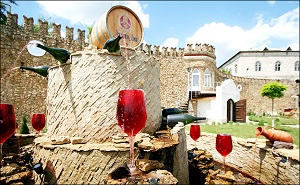
Tourists can choose from eight legendary wine cellars , home to unique wine collections renowned far beyond the country's borders. These underground wine cities amaze with their scale, architecture, and the richness of their collections. Wine tours offer visits to the cellars, tasting the finest examples of Moldovan wine, learning about the production process, and immersing themselves in the atmosphere of centuries-old traditions.
Moldova's wine cellars have become an integral part of the country's tourism infrastructure and a major attraction for wine connoisseurs from around the world.🔍
Winemaking and regions of Moldova
Moldova can be divided into four regions, each with distinct natural conditions. These differences determine the specialization of its wine-producing regions.
Central or Codron Zone
It is rich in wooded hills, where haiduks once hid, and where now more than half of the country's vineyards are concentrated.
The local landscape protects the vineyards from winter frosts and summer drought. This facilitates the cultivation of white grape varieties for the production of light, fresh varietal wines. In recent years, blended wines (a mixture of different varieties) have gained popularity, offering a wonderful balance of freshness and sweetness in the taste, along with a distinct floral aroma.
The grape varieties mainly grown here are Feteasca, Sauvignon, Riesling, Pink Traminer, and Cabernet.
The local red wines, made from Merlot and Cabernet Sauvignon grapes, have repeatedly received top awards at prestigious international competitions.
The Codrii area is home to the famous wine cellars of Cricova, Milesti and Branesti, which stretch for tens of kilometers in shell rock workings and have ideal conditions for storing millions of dal of wine and cognac (1 dal equals 10 liters).
Moldova's richest wine collection is housed in the Cricova cellars. Wines from the renowned Goering collection, which arrived in Moldova immediately after the war, are housed here. The collection's crown jewel is the world's only example of "Easter Wine," produced in 1902 by the firm "Mogit David."
South-Eastern or Purcari zone
It stretches in a narrow strip along the western bank of the Dniester. The Purcari winemaking center, famous for its red Rosu and Negru wines, is located here.
The climate is favorable for the cultivation of red grape varieties - Merlot, Cabernet Sauvignon, Papa Nyagre, which are used to produce aged wines distinguished by a full, harmonious taste and a rich bouquet with notes of morocco leather, black currant, violet, and noble oak.
At the end of the 19th century, by the way, Purcari wines were supplied to the English royal court.
Southern zone
consists of Budjak and the South itself
These regions are similar in aridity but differ in soil and climate conditions. The southern zone's conditions are favorable for producing red and dessert wines.
The most famous wine-making centers of this area are Comrat, Taraclia, Ciumai and Trifesti.
Northern zone
does not have significant industrial grape plantings.
Among the special wines, we can highlight the Port type (Prometeu), the Madeira type (or Luchafer produced at the Orhei and Bardar factories), the Sherry type (Ialoveni factory) and the Marsala type (Carpinen factory).
In the north of Moldova, predominantly white grape varieties are grown: Aligote, Pinot, Feteasca, Traminer.