There are events that force us to slow down and reflect on the meaning of existence. What lies beyond the line that each of us is destined to cross? Some part of our soul begins to contemplate eternity.
Believers are firmly convinced of the existence of an afterlife, believe in immortality, trust in their savior, and as a sign of this they celebrate Easter every spring.
In Moldova , in connection with this belief, Memorial (Parents') Day is celebrated on the ninth day after Easter. It is a national holiday and is officially declared a non-working day throughout the country.
Preparations are made in advance, with the graves tidied up. A monument with a photograph and a commemorative inscription is traditionally placed near each one, along with a small table and bench nearby. The surrounding area is usually fenced off.
In different regions of the country, local residents maintain their own traditions, passed down from generation to generation. But equally, morning services are held in all churches across the country, and bells ring throughout Moldova in memory of those who lived, loved, worked, and enriched this land.
Then, observing a specific ritual, the priest circles the cemetery three times, blessing it. Afterward, parishioners go to venerate the graves of their loved ones, lay flowers and wreaths, light memorial candles, and invite the priest to read a prayer for the repose of the souls of the dead and to bless the living.
Radonitsa: the history of folk signs
Radonitsa is a day when it is important to separate the rejoicing over Christ's resurrection from the remembrance of deceased loved ones. This holiday is popular among Eastern Slavs and is celebrated not only in Moldova but also in other countries, such as Ukraine, Belarus, Serbia, Russia, Poland, and others.
Radonitsa has its roots in pre-Christian times. Various memorial days existed, including the spring funeral feast for the departed. This day became the basis for modern Radonitsa, which is associated with Easter. Many folk beliefs, unrelated to Orthodoxy, have evolved and become an integral part of the holiday, closely intertwined with Christian traditions.
Radonitsa – how to observe traditions and rules
There are certain rules of conduct on Radonitsa that must be respected. A key component of this holiday is prayer for deceased loved ones. Therefore, believers are required to attend church on this day. Festive services begin the evening before and continue until the morning liturgy. At parties, it is customary to leave notes with the names of deceased relatives, who will be mentioned by the priest at the morning service.
After church on this day, people usually go to the cemetery. There, it's customary to remember the departed with prayer and clean the graves. However, it's not advisable to organize a memorial meal at the cemetery, as this custom has nothing to do with Orthodox teaching. Furthermore, drinking alcohol at the cemetery is prohibited. The best way to remember the departed is to pray for them, not to drink.
It's best to give the food brought to the cemetery to those in need. On Radonitsa, almsgiving and helping others are encouraged. It doesn't matter whether you give money or a piece of bread—the important thing is that your help is within your means.
These days, funeral meals are held in the privacy of home, where silence and modesty reign. The menu always includes traditional dishes and the deceased's favorite treats. During this ceremony, those gathered remember the deceased. Stories are shared, and this is done with special reverence to preserve the memory of the loved one.
Despite its initially sad origins, Radonitsa is a joyful holiday. On this day, it is not customary to mourn or grieve for departed loved ones. On the contrary, it reminds us that after death comes eternal life.
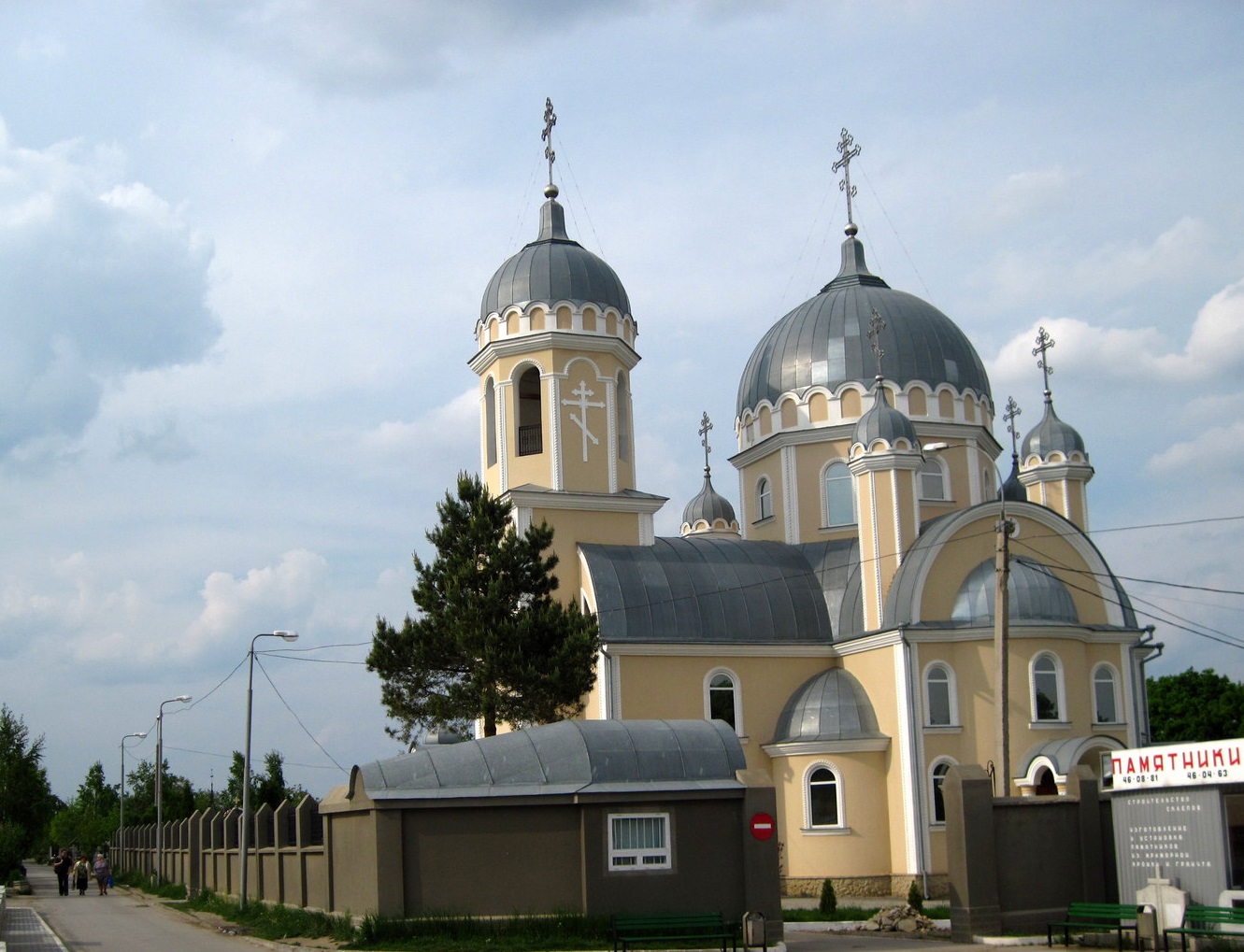
Formerly known as Doina, it is considered the largest in Europe by area. It attracts a huge number of people on this day, so the city authorities annually provide free transportation along designated routes. Taking advantage of this, beggars seize the opportunity to collect "pomana"—memorial food, towels, and utensils traditionally distributed upon leaving the cemetery.
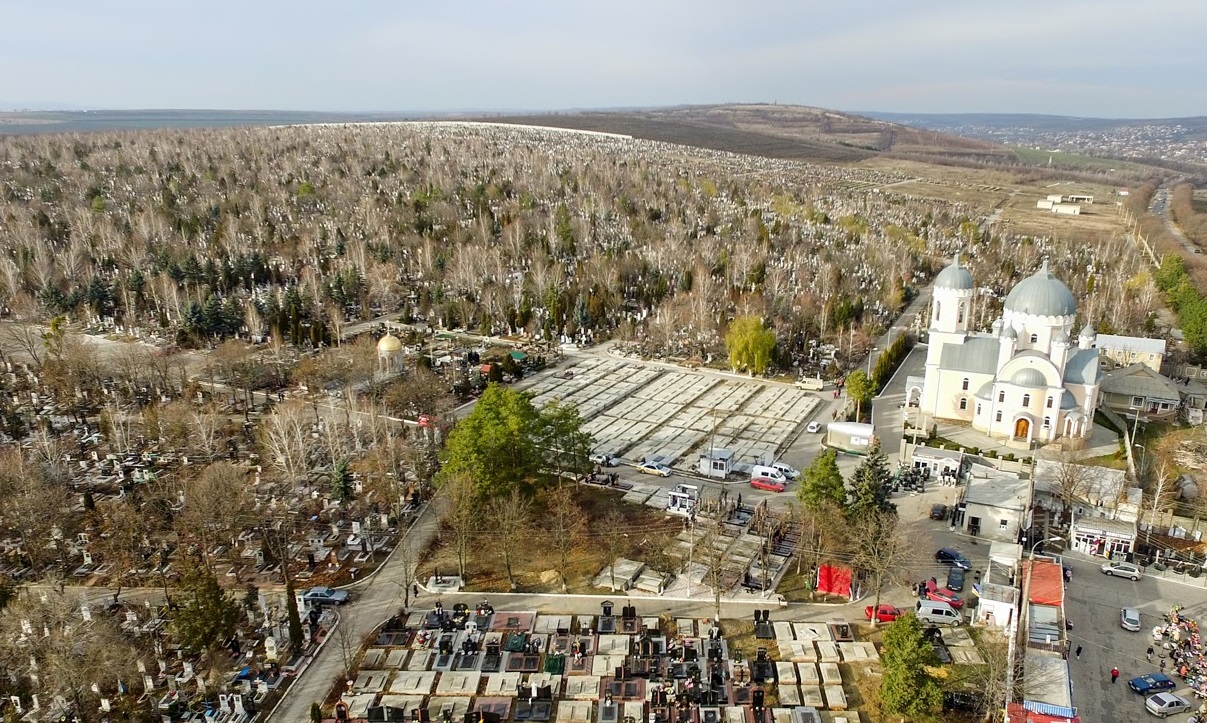
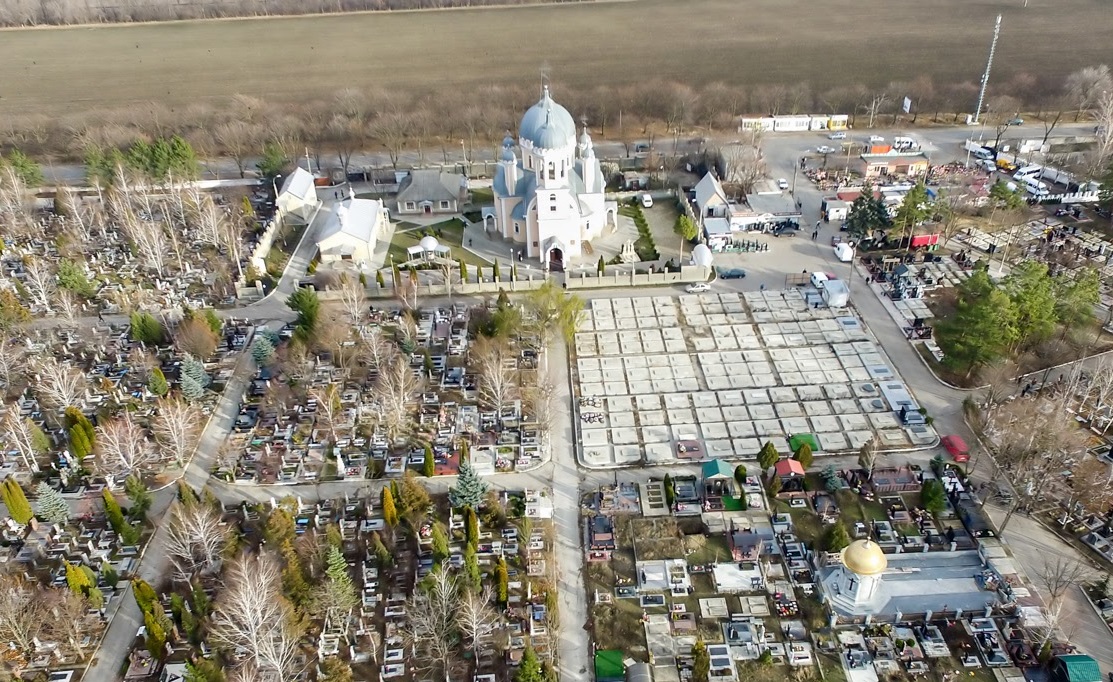
After paying tribute to the deceased, entire families gather at the memorial table in their parents' homes. Relatives drink homemade red wine for the departed , reverently eat food prepared by the mistress of the house, and remember the good deeds of their loved ones.
Although Parents' Day is purely religious in nature, it is honored by all residents of Moldova, regardless of religion, and is therefore very important in the lives of the entire Moldovan people – it is a day of unity and purification of human souls.