Every holiday has a certain meaning, reminding humanity of something important. By celebrating May 9th – Victory Day – we say: we remember, we know, we honor and respect.
The events of the Great Patriotic War are still vivid in the memories of eyewitnesses, and they remember everything down to the smallest detail—something impossible to forget. The memory of those times is preserved in numerous chronicles and in works dedicated to the struggle of the entire Soviet people against the Nazi invaders.
A great country, united by the people of all nations and nationalities, repulsed the terrible force encroaching on the freedom of European countries in its desire to enslave the entire world. Moldova, as one of the western republics of the Soviet Union, bore the brunt of the war in the very first days and was soon occupied by Romanian and German forces. For three years, partisan detachments operated on its territory behind enemy lines. And when, in 1944, the Iasi–Kishinev Offensive liberated Moldovan lands, hundreds of thousands of Moldovans joined the ranks of the Soviet Army and helped achieve Victory.
In memory of those events, monuments to the soldiers of Glory have been erected in all settlements of Moldova, and on each of them are engraved the names of fellow villagers who gave their lives for peace throughout the world.
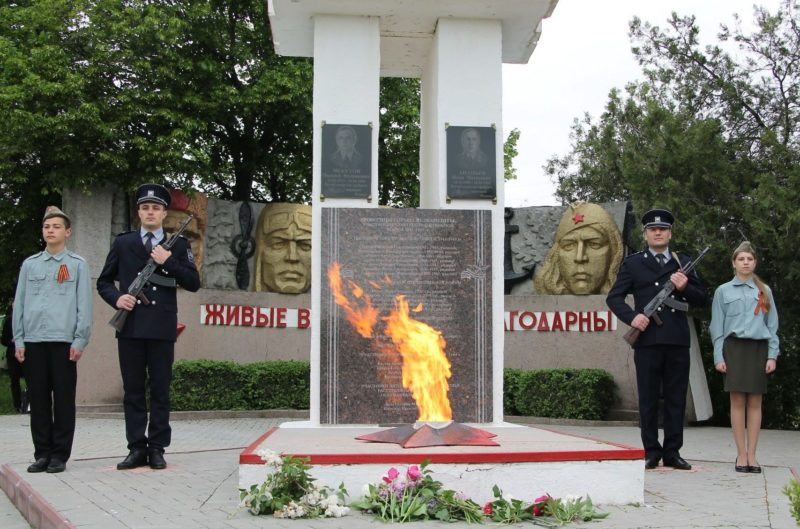
A memorial complex has been erected in Chisinau, now called “Eternitate - Eternity”, in the center of which the Eternal Flame burns under five crossed rifles in a five-pointed star.
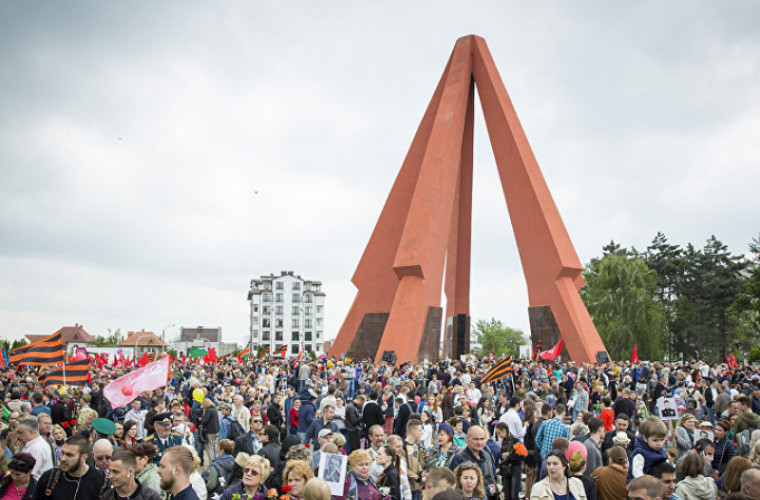
The "Immortal Regiment" march is taking place in Chisinau, attracting an increasing number of participants each year.
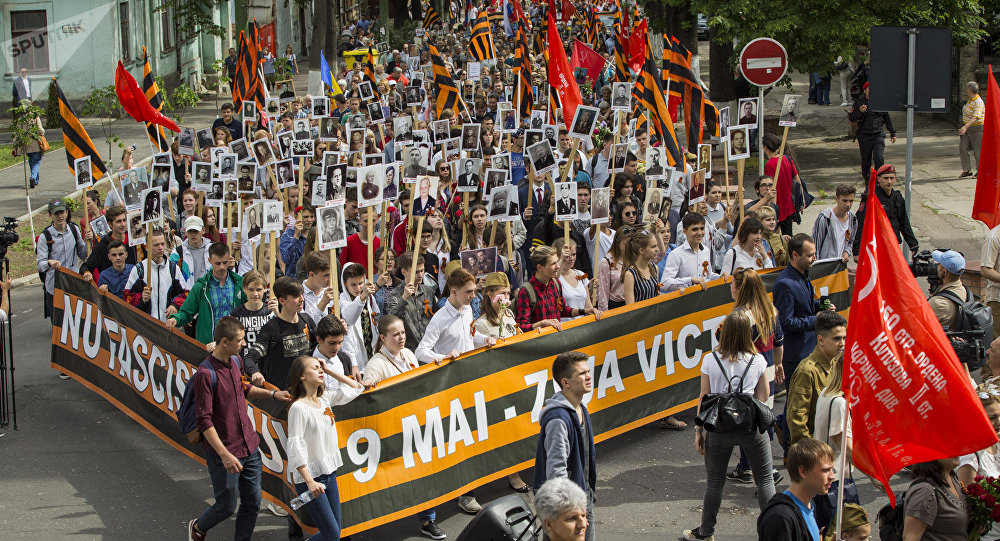
The memorial grounds contain obelisks, mass graves, and burial sites of fallen soldiers. Every year on May 9, thousands of Chisinau residents, along with their children and grandchildren, bring flowers to these sites to pay their respects. Among them are a large number of young people, who participate in the events out of their hearts, not because they're ordered to.
Of course, this is a special day for those who took part in the war, whose ranks are thinning every year. They proudly don their orders and medals, accepting thanks from family, friends, and complete strangers.
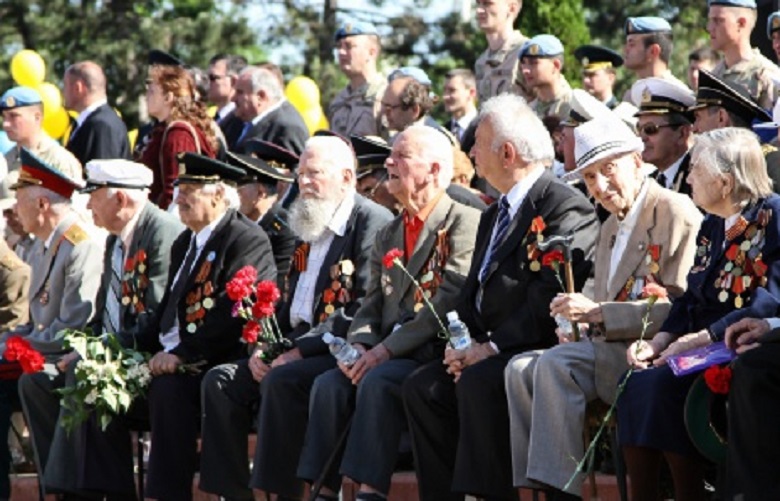
Gathering on this day, frontline soldiers remember their fellow soldiers and their youth, singing battle songs. Festive music echoes from everywhere, and a unique atmosphere of national unity reigns, regardless of nationality.
As history moves forward, it makes its own adjustments to certain events. Even today, there are forces that seek to reframe the liberating character of World War II and interpret it in their own way. But the ultimate yardstick is the nation's general attitude toward the historical past and its fundamental desire to live in peace and harmony.
Author: Lyubov F. Barsukova (website http://moldsu.com )