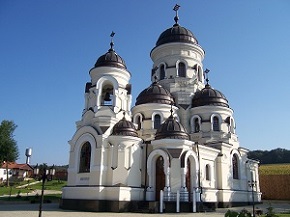
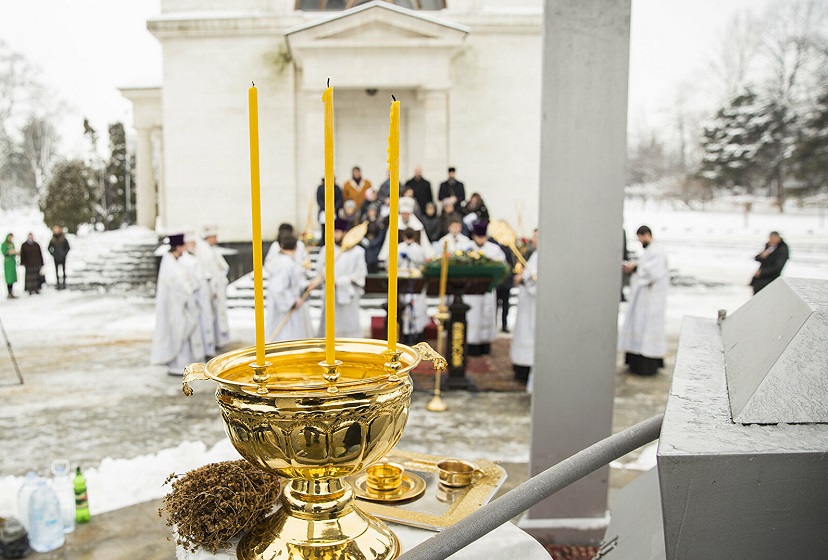
Orthodox Christians in Moldova and other countries celebrate Epiphany or Baptism of the Lord on January 19. Epiphany, like Easter, is considered the oldest holiday in Christianity and is associated with the baptism of Jesus Christ in the Jordan River by the Prophet John.
According to the Gospel, John baptized people in the Jordan even before Jesus of Nazareth came to him. John spoke to people about repentance, explained that baptism is necessary for the forgiveness of sins, and baptized people in the waters.
When Jesus turned 30, he too came to the Jordan and asked John to baptize him. During his baptism, the Holy Spirit descended upon Jesus in the form of a dove, and simultaneously everyone heard the voice of God the Father: "This is my beloved Son, in whom I am well pleased." Therefore, in many Christian churches, the feast of the Epiphany is linked to the feast of the Epiphany—the moment when the Holy Trinity was first revealed to the world: God the Father, God the Son, and the Holy Spirit. The Moldovan Metropolitanate celebrates both feasts on January 6th according to the Old Style (January 19th according to the New Style).
Traditions and signs
Folk traditions are associated with the feast of Epiphany. On this day, it is customary not to sew, knit, wash, or clean the house. Swearing and negative thoughts are strictly forbidden. It is believed that negative thoughts can come back to haunt you a hundredfold. Crying is prohibited: according to popular belief, anyone who weeps on Epiphany will shed tears for the entire year. Also, according to popular belief, one should not borrow money on this day, lest they be penniless in the coming year.
For centuries, people have used the weather on Epiphany to predict the coming year. The following omens are common:
• If there is a snowstorm on Epiphany, then there will be a hurricane in April;
• If the weather on Epiphany is cold and clear with frost, then the summer will be dry and hot. But if it is snowing and the sky is covered with clouds, then the harvest will be abundant;
• If there is a strong wind on this day, there will be a lot of honey;
• If the day was sunny, then this weather will continue until February, but if not, snowfalls will continue;
• If on Epiphany the water has not even frozen, then expect big events in the world.
Holy water
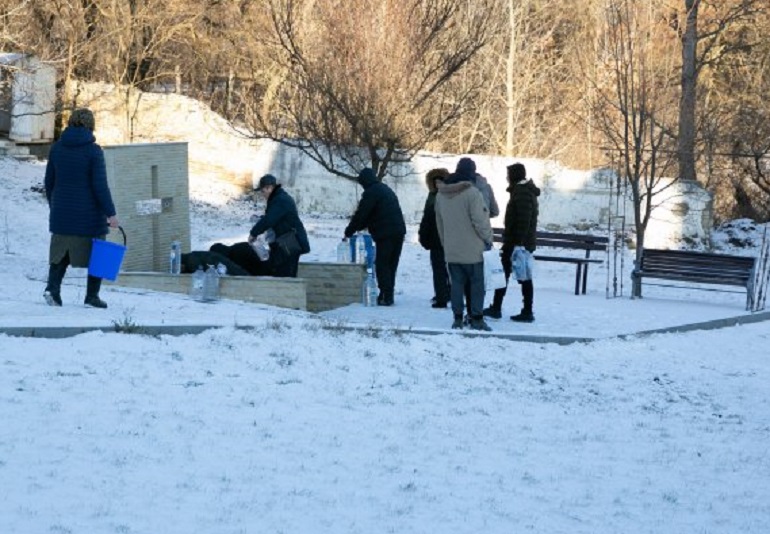
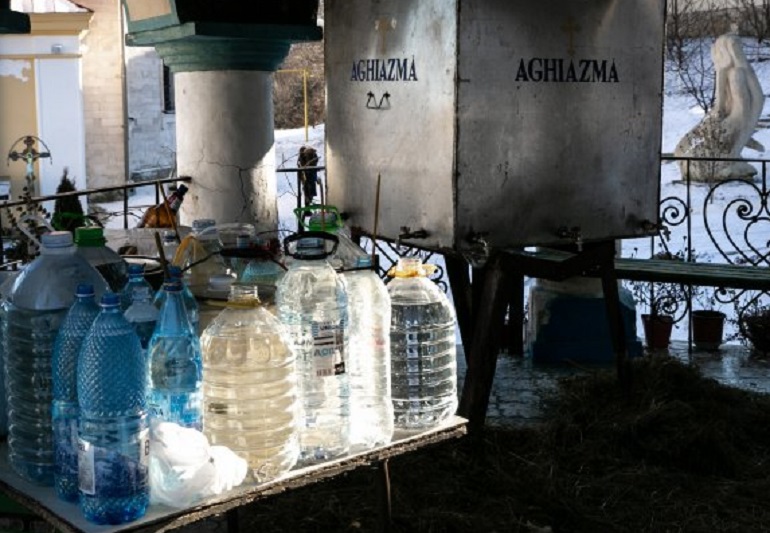
Water is the main symbol and attribute of the Epiphany holiday. On Epiphany, clergy traditionally bless water, and the faithful collect it and take it home. Laypeople and clergy alike believe this water becomes holy. Archpriest Vitaly Shinkar warns Orthodox Christians that blessed water should be carefully stored, not filled in canisters, stored in a barn, for example, or given to pets.
Epiphany bathing
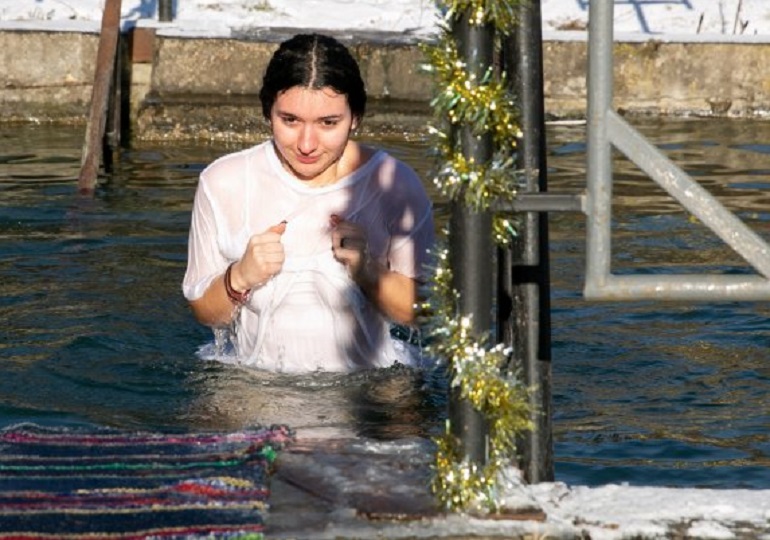
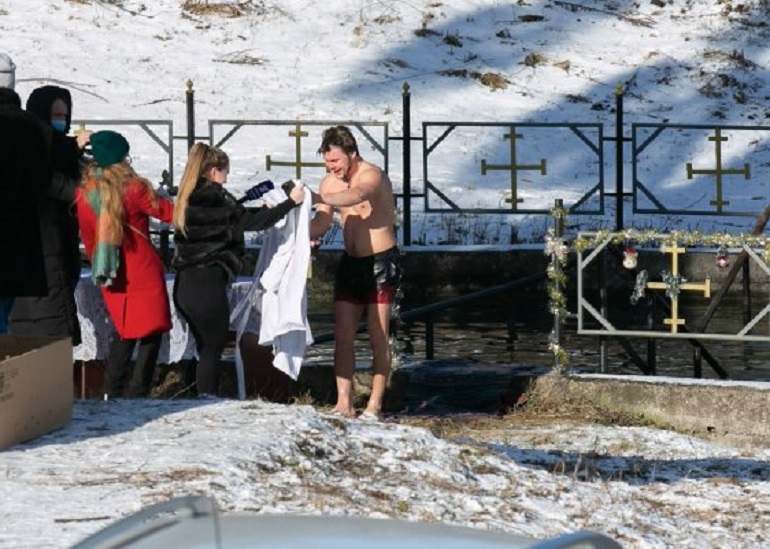
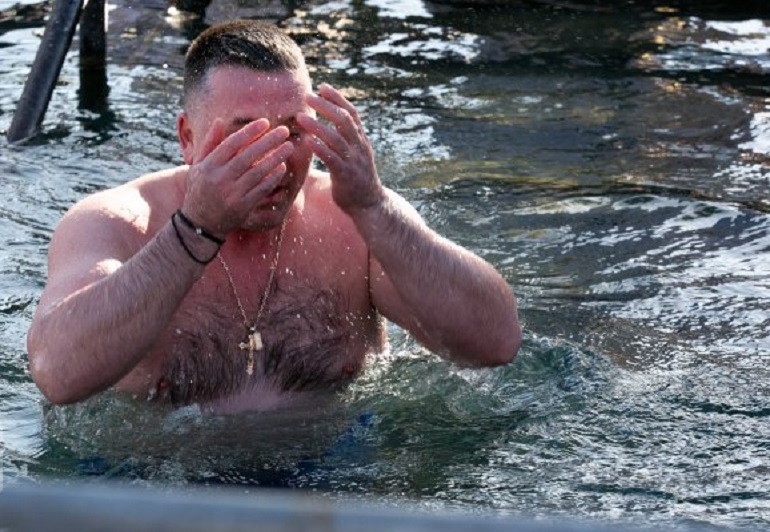
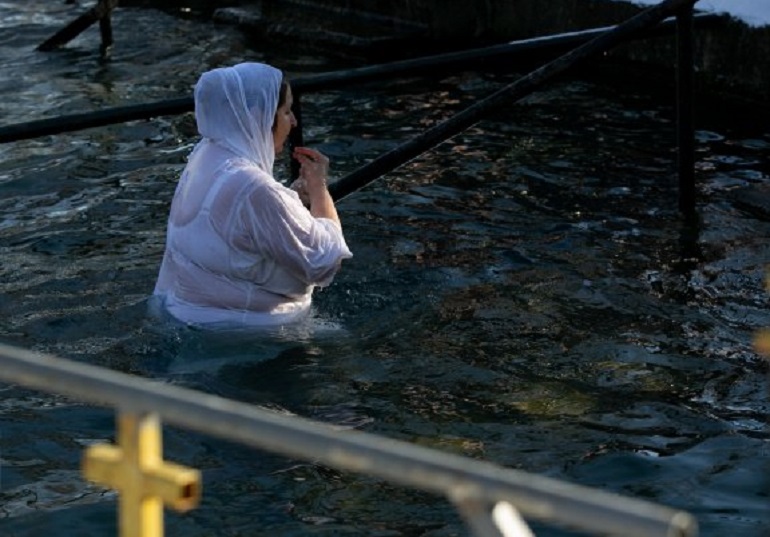
One Epiphany tradition, widespread in the post-Soviet space and Eastern European countries, is ice-dipping, known as "Iordan." In Bulgaria, for example, on the feast of the Epiphany or Jordan's Day, men plunge into the ice and perform the folk dance "Khoro."
While the Church emphasizes the miraculous properties of Epiphany water, it does not encourage citizens to immerse themselves in water on Epiphany, especially under the influence of alcohol. The Church states that bathing on this day does not mean that one will wash away all sins.
Archpriest Vitaly Shinkar called swimming in an ice hole on Epiphany "a foolish act." "It's an attempt to show off one's prowess and fortitude. There are two options: the first is when people gather on this day simply to take a dip and drink. The second option is worse—when people think it signifies something spiritual. This is crude, primitive shamanism, when people ascribe spiritual significance to idiotic actions. But the main thing is, if someone is going to swim, God grant that they don't harm themselves, either physically or mentally," the priest noted.
Doctors also warn against dipping into an ice hole on Epiphany if you're under the influence of alcohol. Also, avoid this if you have heart or genitourinary problems. Pregnant women are prohibited from dipping into cold water. If you have high blood pressure, swimming in cold water can cause vascular spasms, while if you have low blood pressure, it can cause cramps. Unprepared individuals may aggravate chronic illnesses, including respiratory infections, prostatitis, and reproductive problems. Ice bathing can also lead to infertility in both sexes, impotence, and kidney problems.
Fortune telling on Epiphany
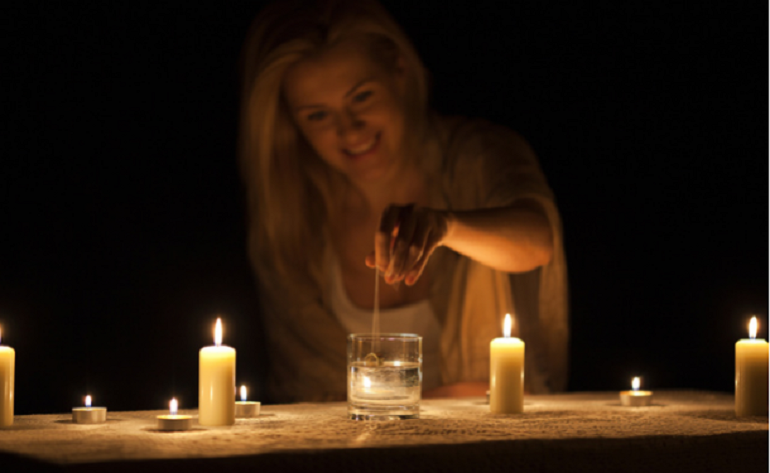
Fortune-telling on Epiphany, which the Church also discourages, is a centuries-old tradition. Ancestors believed that a wish made on the night of January 19th would come true. Traditionally, girls would tell fortunes about their future husbands and future weddings.
For example, they would scatter bean seeds across the table and make a wish. If the number of seeds was even, the wish would come true. Fortune-telling with cards was also common.
In the evening, four kings were placed under the pillow, and in the morning, one card was drawn at random: if it was the king of diamonds, then the girl was destined to marry her beloved; if it was the king of clubs, then a military man; if it was the king of spades, then an old and jealous man; if it was the king of hearts, then a young and handsome man.
Fortune telling is also done on Epiphany with wax: for this, you need a candle and a bowl of water: the wax should drip into the water, and the fortune tellers observe what shapes it takes: a cat - betrayal of a loved one, a frog - well-being, the outline of a person - an imminent marriage.