Western Christians celebrate Catholic Christmas on December 25th in 2022. Read more about this most important Christian holiday in this article.
On this day, the Son of God, Jesus Christ, was born in Bethlehem.
History of the holiday
The rising of the first evening star on the night of December 25 marks the birth of the Son of God.
The infant Christ was born in a cave where shepherds and their animals hid from the storm. The world learned of the Savior's birth from angels who informed the shepherds.
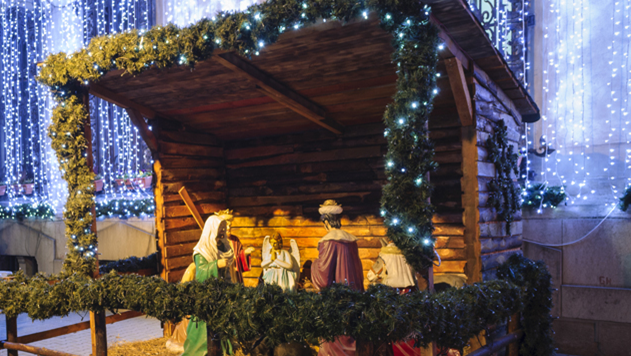
The Magi, following the light of a bright star, brought the Son of God their gifts—frankincense, gold, and myrrh. The scene of Christ's birth became the main symbol of the Christmas holiday.
The date of celebrating Christmas was established back in 431 at the Third Ecumenical Council, which took place in the city of Ephesus.
Church traditions
One of the most important traditions for Catholics is Advent—a period of penitence that lasts four weeks before the feast. During this time, believers go to confession so they can participate in Christmas services and receive Communion with a pure heart, and clergy wear purple vestments.
In churches, a wreath with four candles is placed near the altar. Each Sunday of Advent, one candle is lit. The wreath's round shape symbolizes eternity, and its green color represents hope.
The celebration begins at the first light of dawn and continues for eight days.
The Christmas season continues until the Feast of the Epiphany, which in the Roman Catholic calendar is celebrated on the first Sunday after Epiphany (January 6).
Christmas Eve
On Christmas Eve or Vigil (from the Latin vigilia, meaning vigil), Christmas trees are decorated and a manger is set up, and those who did not have time to confess go to church.
Lenten dishes are served for the festive dinner. Blessed unleavened bread is placed in the center of the table.
Before dinner, the head of the family reads a passage from the Gospel of Luke about the birth of Jesus Christ. Then, everyone present takes bread from the table and shares it with one another, wishing peace and goodness. After this, the Christmas Eve dinner begins.
On Christmas Eve, one empty seat is left at the table. This is a sign of remembrance for loved ones who are unable to celebrate the holiday with their families.
After dinner, the whole family goes to mass.
Traditions of different countries
In Catholic countries, children and young people wear animal masks and go from house to house, singing and offering good wishes. In return, they receive sweets and other treats.
Many superstitions are associated with the Christmas plant, mistletoe (Viscum). For example, in Scandinavia, it is considered a symbol of goodness and peace, while residents of other countries believe it protects homes from lightning and wards off evil spirits.
By the way, the English kiss under the branches of this plant at the onset of Christmas.
In the Czech Republic, on Christmas Eve, families use apples to tell fortunes. They believe that if they cut the fruit crosswise and see a perfect star-shaped seed, the coming year will be a happy one.
In Austria, doors are not locked on this day because they believe that friends and acquaintances can join the festive table at any time.
In Spain, on Christmas Eve, people dress up in traditional costumes and take to the streets to celebrate, dance, and sing. Just before the Christmas liturgy begins, people gather near the main entrance of the church, join hands, and dance.
But in the US, Christmas is a joyous occasion. Everyone showers each other with gifts, sings carols, and visits.