Republic of Moldova — crossroads of civilizations and a living treasury of culture
The Republic of Moldova has exceptionally rich cultural and historical heritage, formed over thousands of years under the influence of various civilizations, peoples and cultural traditions. The geographical location of the country at the junction of East and West has turned it into a unique space of dialogue between cultures, which today is of great interest for development cultural, educational, ethnographic and event tourism.
Historical strata: from antiquity to the Middle Ages
The history of Moldova goes back to ancient times. Preserved throughout the country traces of Geto-Dacian settlements and Roman fortresses, which indicate the early development of these lands and active trade and military ties with the ancient world. These archaeological sites are of value not only for science, but also for specialized tourist routes.
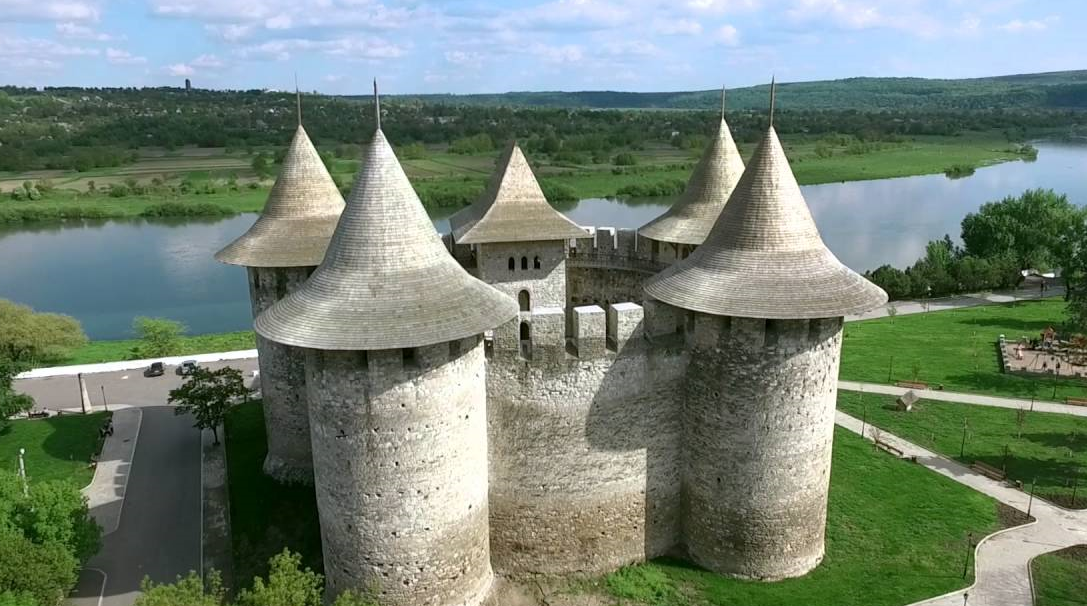
The medieval period left behind remains of defensive fortresses, hillforts and religious buildings, many of which are located in picturesque natural areas. They form the basis of historical and archaeological tours, allowing tourists to literally touch the past.
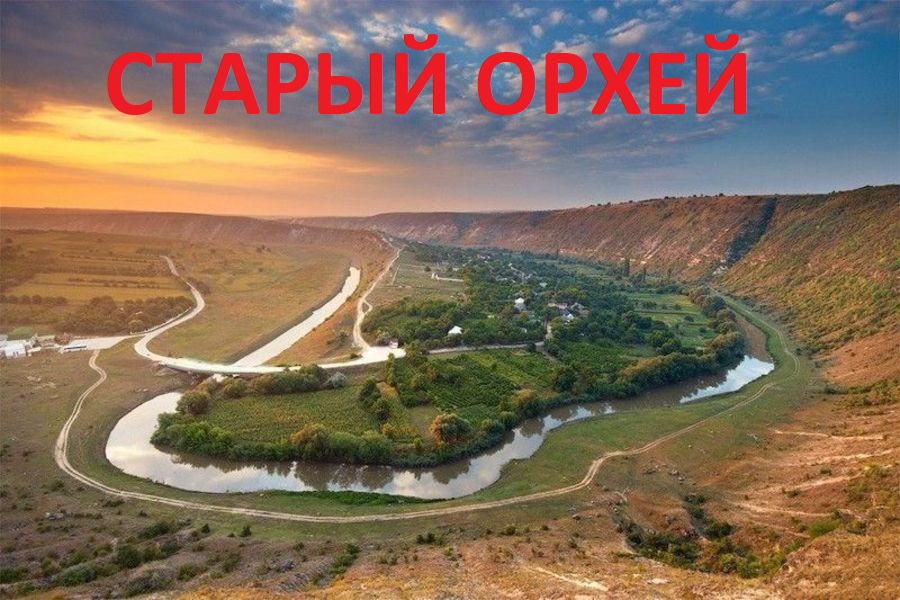
Orheiul Vechi — is a symbol of the country's cultural heritage
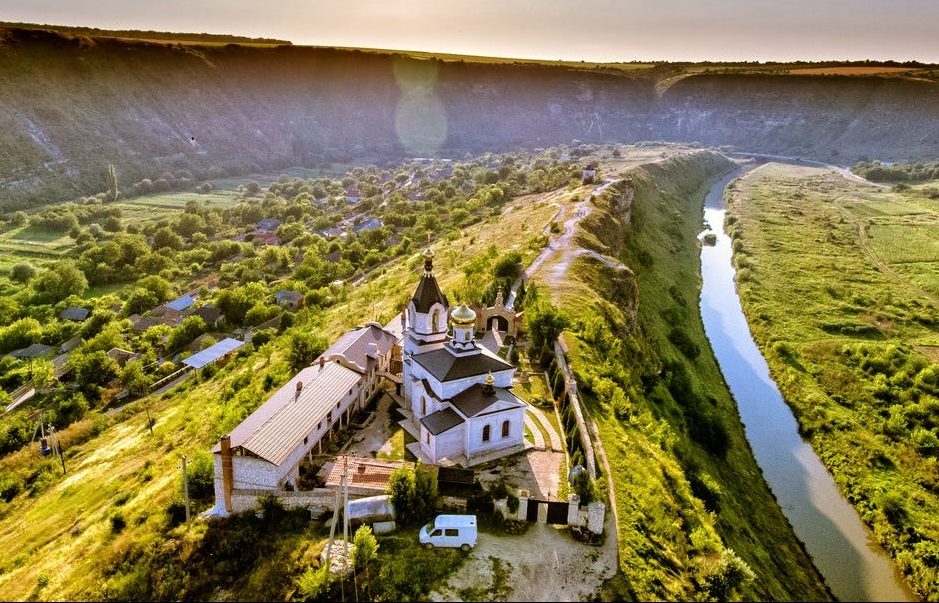
One of the most iconic cultural tourism sites is archaeological complex Orheiul Veci — is a unique place where traces of different eras and civilizations coexist in one territory. Rock monasteries, ancient settlements and panoramic views make this complex not only a historical, but also a spiritual landmark of international importance.
Sacred architecture and spiritual heritage
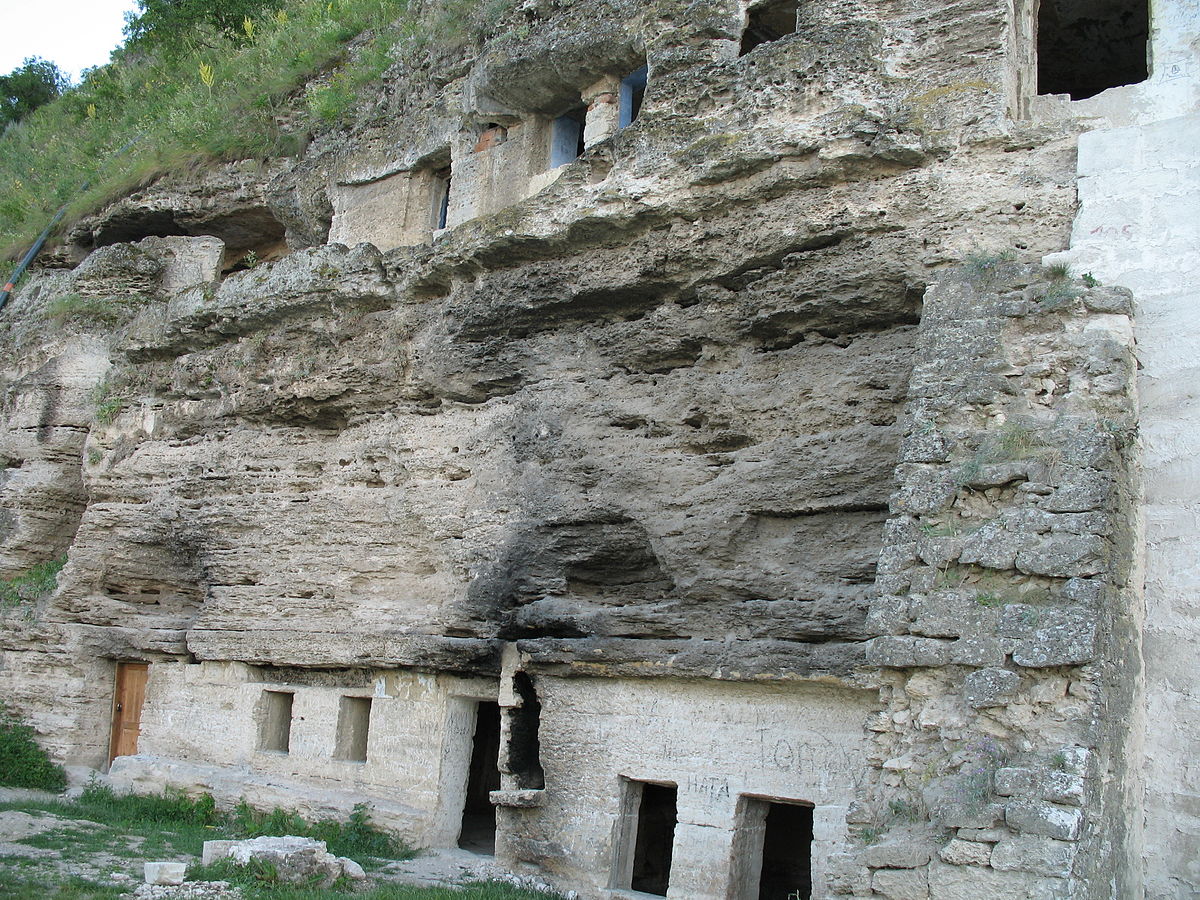
Skolny Monastery Tsypovo
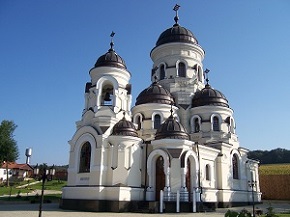
Rocky and terrestrial monasteries of Moldova are an important part of national identity. They attract pilgrims and tourists with their ascetic architecture, atmosphere of silence and harmony with nature. These objects become centers religious, cultural and ecological tourism.
Noble estates and traditional rural architecture
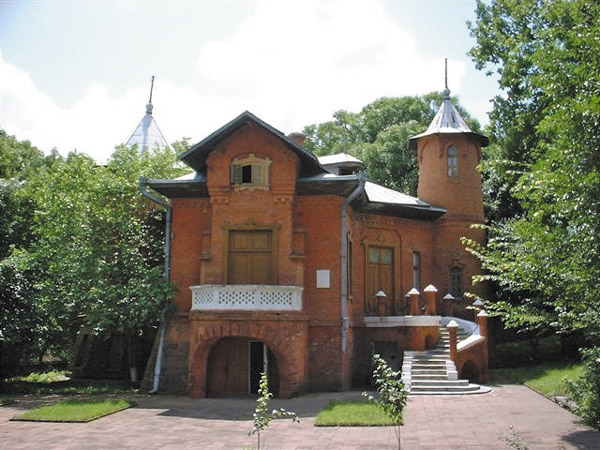
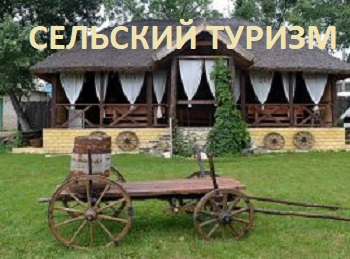
Landowners' estates, ancient estates and traditional peasant houses reflect the social and economic history of the country. They allow you to create tourist routes dedicated to everyday life, crafts and rural culture, and to develop agritourism and ethnotourism.
Cultural heritage monuments and tourist infrastructure
In the Republic of Moldova there are about 140 cultural heritage monuments, suitable for inclusion in tourist routes. Their competent integration into the tourism infrastructure allows you to create thematic tours: historical, architectural, religious, ethnographic and combined.
Chisinau — city of history and modernity
Capital of the country, Chisinau, is an important cultural center. The city has a significant number of architectural monuments XIX–XX centuries, museums, theaters and cultural spaces. It organically combines historical buildings, Soviet heritage and modern elements of urban culture, which makes the capital attractive for urban tourism.
Museums — keepers of memory and identity
In the Republic of Moldova it operates 87 museums, many of which are located in architecturally significant buildings. They cover a wide range of topics: archaeology, history, ethnography, art, literature, music and science. At least 20 museums actively aimed at the mass visitor and included in tourism programs.
Ethnic and cultural diversity
Moldova represents multinational and multicultural society, in which different ethnic groups, languages and religions coexist. This diversity is reflected in traditions, celebrations, folklore and gastronomy.
There are about in the country 880 folk groups, preserving and popularizing folk songs, dances, rituals and costumes. Many of them actively participate in tourism events, festivals and ethnographic programs.
Folk crafts and arts and crafts
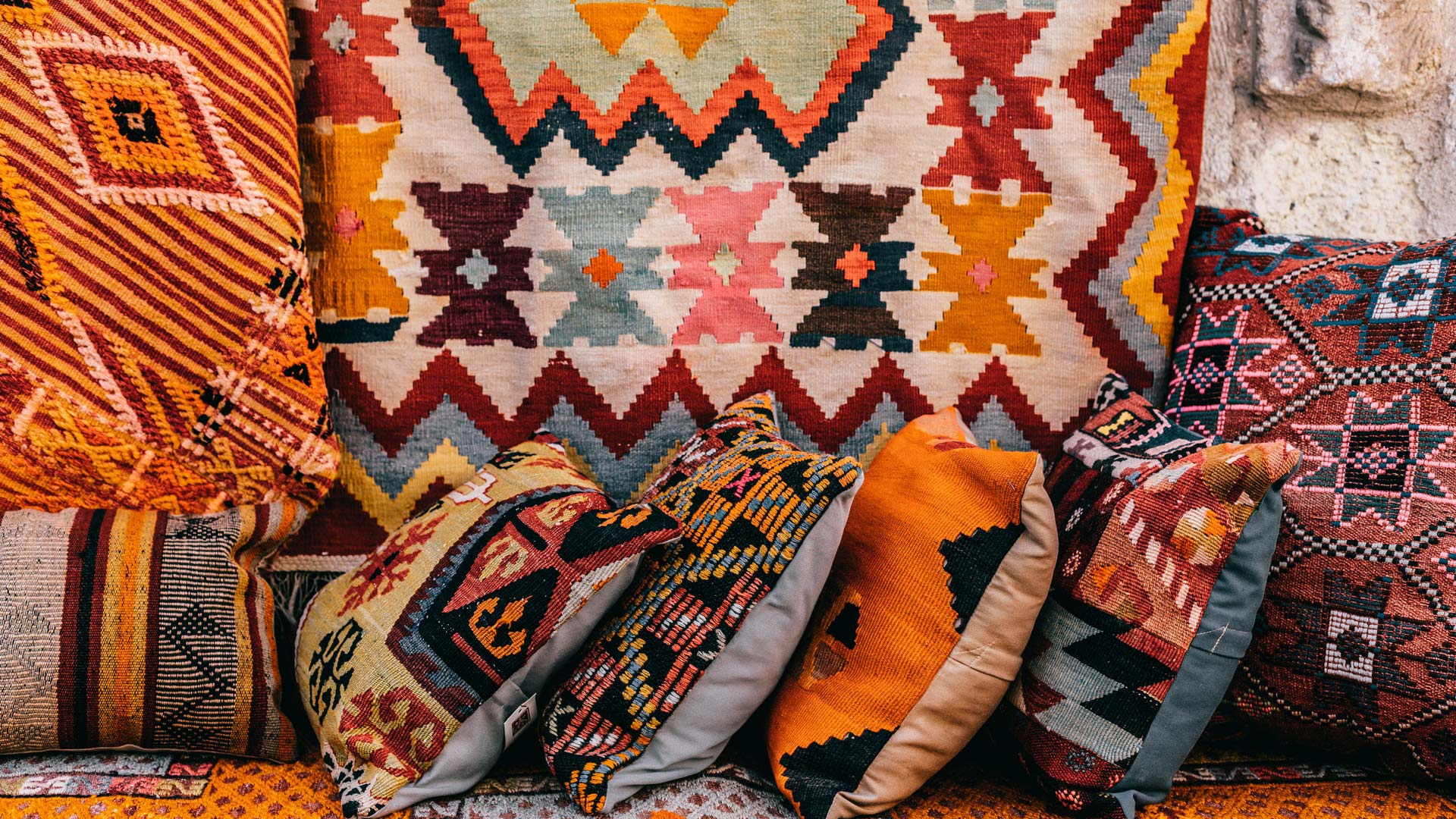
Decorative and applied arts of Moldova — is an important element of cultural tourism. Traditional crafts such as weaving, embroidery, pottery, wood carving and folk costume making are of high artistic and economic value.
Workshops and craft fairs are becoming a popular form of tourism product, allowing guests of the country not only to observe, but also to participate in the process of creating traditional products.
Event and festival tourism
The cultural calendar of Moldova is full of festivals, fairs and folk festivals that combine music, dance, cuisine and crafts. Event tourism helps attract tourists to different regions of the country and create a sustainable interest in national culture.
Republic of Moldova — space of authentic impressions
Cultural tourism in the Republic of Moldova — is:
-
centuries of history and archaeology;
-
sacred and secular monuments;
-
living traditions and folk art;
-
ethnic and linguistic diversity;
-
sincere hospitality.
Moldova — is a country where culture is not a museum exhibit, but living part of everyday life, open to every traveler.